

We may earn a commission when you buy through links on this page, at no extra cost to you. Learn more.
The core difference in cabernet sauvignon vs moscato comes down to opposite ends of the wine spectrum: Cabernet Sauvignon is a dry, full-bodied red wine with high tannins and 13.5% to 15.5% ABV, while Moscato is a sweet, light-bodied, aromatic wine with low alcohol around 4.5% to 6.5% ABV. Cabernet Sauvignon delivers dark fruit, oak, and savory spice best served slightly below room temperature, whereas Moscato offers peach, orange blossom, and gentle fizz best served well chilled.
Comparing these two popular wines highlights just how varied the wine aisle can be. Whether you are planning a dinner menu, stocking a casual gathering, or learning what flavors appeal to your palate, understanding how each grape is grown, fermented, and served makes choosing the right bottle straightforward.
What Cabernet Sauvignon and Moscato Are
Cabernet Sauvignon and Moscato represent two distinct grape families, winemaking philosophies, and sensory profiles that occupy opposite poles of the wine world.
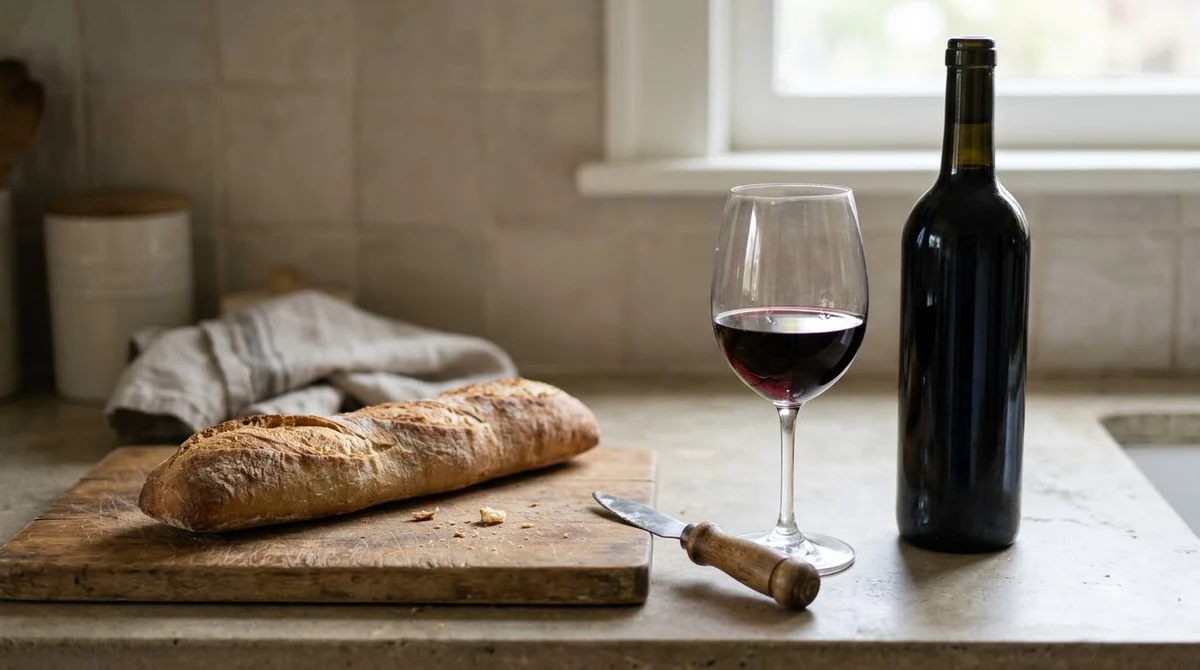
Cabernet Sauvignon is a thick-skinned red wine grape that originated in Bordeaux, France, during the seventeenth century as a natural cross between Cabernet Franc and Sauvignon Blanc, a lineage confirmed by DNA research at UC Davis in 1996. According to Wine Folly, winemakers prize the variety for its high concentration, firm tannin structure, and capacity to age for ten years or longer. Almost all Cabernet Sauvignon is fermented completely dry, converting nearly all natural grape sugar into alcohol and resulting in an ABV between 13.5% and 15.5%.
Moscato, by contrast, is the Italian name for Muscat Blanc à Petits Grains, one of the oldest cultivated wine grapes in the world, predating Cabernet Sauvignon by roughly a thousand years. Rather than aiming for dry concentration, traditional producers make Moscato by halting fermentation early and chilling the wine, which preserves natural grape sugars and keeps alcohol levels remarkably low. The benchmark Italian style, Moscato d’Asti DOCG, typically clocks in around 5.5% ABV with a gentle, semi-sparkling spritz known as frizzante.
| Attribute | Cabernet Sauvignon | Moscato (Moscato d’Asti Style) |
|---|---|---|
| Wine Color | Deep ruby to opaque purple red | Pale straw gold (also made in pink and red) |
| Sweetness | Dry | Sweet |
| Body | Full-bodied | Light-bodied |
| Tannins | Medium-high to high | None (white styles) |
| Acidity | Medium-high | High and zippy |
| Typical ABV | 13.5% to 15.5% | 4.5% to 6.5% |
| Carbonation | Still | Semi-sparkling (frizzante) or still |
| Serving Temperature | 60°F to 68°F (15°C to 20°C) | 38°F to 50°F (3°C to 10°C) |
| Aging Potential | 10+ years for top bottles | Best within 1 year of release |
Flavor Profiles and Styles
The tasting experience of these two wines diverges immediately on the nose and palate, moving from savory dark fruit and oak to fresh stone fruit and floral perfume.
In the glass, Cabernet Sauvignon showcases primary aromas of black cherry, black currant, and blackberry, layered with savory notes of cedar, graphite, black pepper, and tobacco. Because most producers age the wine in French, American, or Hungarian oak barrels for nine to eighteen months, you will often pick up secondary hints of vanilla and baking spices. Young or cooler-climate bottlings can also carry a subtle herbal edge reminiscent of green bell pepper, caused by natural aromatic compounds called methoxypyrazines. If you enjoy structured reds, comparing cabernet sauvignon vs carmenere shows how closely related Bordeaux grapes express those herbal and dark-fruit traits differently.
Moscato leans entirely into bright aromatics driven by natural floral terpenes like linalool and geraniol. As outlined in Wine Folly’s guide to Moscato wine, a classic pour bursts with Mandarin orange, Meyer lemon, white peach, and orange blossom. While most American shoppers recognize white frizzante bottles, producers also craft completely still Moscato, sparkling Asti Spumante, pink Moscato tinted with a splash of Merlot, red Black Muscat with raspberry and rose notes, and rich late-harvest or fortified dessert styles.
Texture plays just as large a role as flavor in separating the two glasses. Cabernet Sauvignon coats the palate with weighty viscosity and mouth-drying tannins that bind to proteins in your saliva. Moscato feels featherlight and crisp, using bright acidity and delicate bubbles to lift its sweetness so the finish tastes clean rather than syrupy.
Where Each Grape Grows Best
Climate and vineyard geography shape both varieties, with Cabernet Sauvignon thriving in warm, sunny regions and Moscato favoring steep, aromatic slopes.
Cabernet Sauvignon buds late and ripens late, meaning it requires a long, warm growing season to shed green flavors and develop plush dark fruit. In its homeland of Bordeaux, France, the grape excels on the gravelly soils of the Left Bank, particularly in the Médoc and Graves sub-regions. Across the globe, it has become the flagship red of California’s Napa Valley, where warm days and cool nights produce rich, velvety wines, as well as Chile’s Maipo Valley and Australia’s Coonawarra, famous for distinctive bay leaf and eucalyptus nuances.
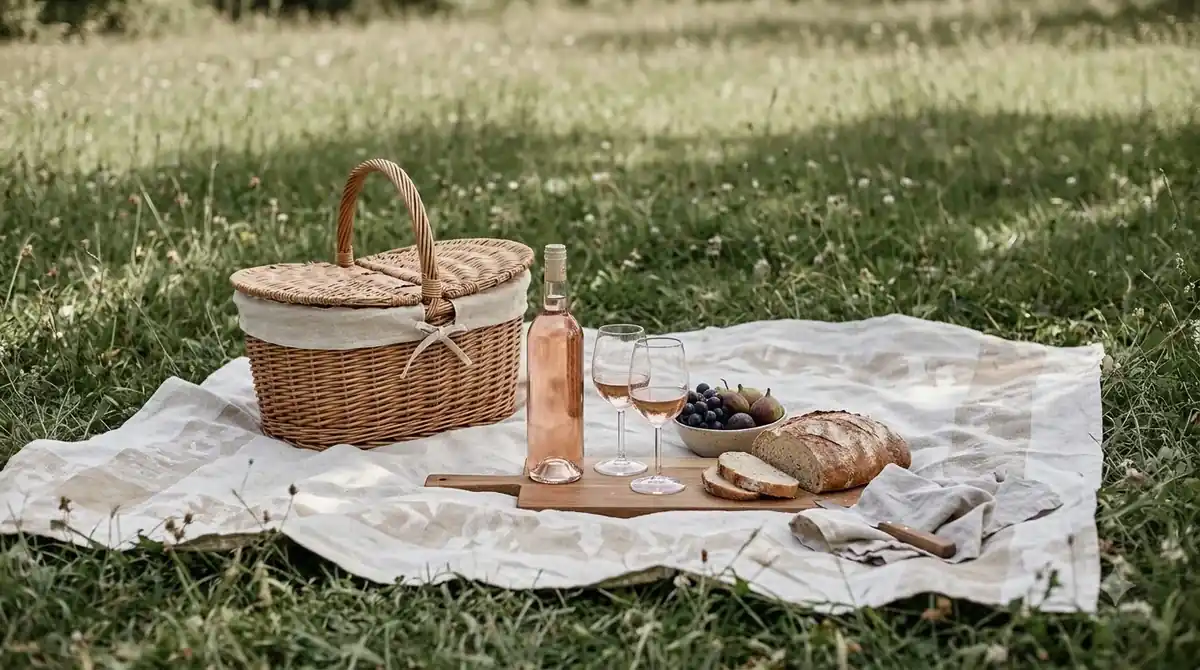
Muscat grapes grow across the Mediterranean and New World, but Piedmont in northwestern Italy remains the spiritual home of Moscato. Around towns like Santo Stefano Belbo, Strevi, and Calosso, vines cling to steep sandstone and marl hillsides at elevations between 1,150 and 1,800 feet, where slopes are too steep for machinery and must be harvested by hand. Beyond Italy, dry aromatic versions appear as Muskateller in Austria and Moscatel in Spain, while California and Australia produce approachable, fruit-forward Moscato for everyday drinking.
How to Serve and Store Both Wines
Proper serving temperature and glassware make a dramatic difference in how each wine expresses its aromas, alcohol, and sweetness.
Serve Cabernet Sauvignon slightly below standard American room temperature, ideally between 60°F and 68°F (15°C to 20°C). If the bottle sits in a warm kitchen above 70°F, alcohol vapors can overwhelm the fruit and make the wine taste hot. Pour it into an oversized red wine glass with a wide bowl so oxygen can soften the tannins, and consider decanting young, structured bottles for about an hour before dinner. Top-tier Cabernet Sauvignon can cellar comfortably for ten years or more, developing tertiary notes of leather and dried fig.
Moscato belongs in the refrigerator and should be poured well chilled between 38°F and 50°F (3°C to 10°C), with 43°F to 46°F hitting the sweet spot for frizzante bottles. Cold temperatures keep the residual sugar refreshing and preserve the delicate carbonation. Use a standard white wine glass or a tulip-shaped sparkling flute so the floral bouquet collects near the rim. Unlike Cabernet Sauvignon, Moscato is bottled quickly—often within weeks of harvest—to capture fresh grape perfume, so look for the most recent vintage and drink it within a year of release.
Tip: Put a room-temperature bottle of Cabernet Sauvignon in the refrigerator for 15 to 20 minutes before opening to bring it into the ideal 60°F to 68°F serving range.
Food Pairing Differences
Because their structural building blocks are opposites, Cabernet Sauvignon and Moscato succeed with completely different dishes at the dinner table.
Cabernet Sauvignon relies on high tannins and medium-high acidity to cut through rich fats and umami-dense proteins. Grilled ribeye steak, braised short ribs, lamb chops, burgers topped with aged cheddar, and roasted portobello mushrooms all soften the wine’s astringency while letting its dark berry flavors shine. Avoid pairing dry Cabernet Sauvignon with sugary desserts or dark chocolate, as sweetness in food makes high-tannin red wine taste bitter and thin. Those exploring other structured Old World reds can check our breakdown of barolo vs cabernet sauvignon to see how Nebbiolo compares at the table.
Moscato shines alongside spicy, salty, and lightly sweet foods where high-alcohol reds would clash. Low alcohol and generous residual sugar soothe the capsaicin heat in Sichuan, Thai, and Vietnamese dishes flavored with ginger, lemongrass, and chili peppers. It also pairs effortlessly with brunch fare, dim sum, prosciutto-wrapped melon, mild creamy cheeses, and fruit-based desserts like peach cobbler or berry tarts that do not exceed the wine’s own sweetness level.
How to Choose the Right Bottle
Deciding between Cabernet Sauvignon and Moscato starts with matching the wine’s weight, sweetness, and alcohol level to the occasion and your guests’ preferences.
Reach for Cabernet Sauvignon when you are hosting a hearty evening meal, pouring for fans of dry, full-bodied reds, or looking for a bottle with depth and aging potential. Check the label for regional cues: a Napa Valley or Paso Robles bottling will typically offer riper blackberry and vanilla notes, while a Bordeaux blend or Chilean Maipo Valley bottle leans more herbal and earthy. If you want a medium-bodied Italian red with brighter cherry acidity instead, comparing cabernet sauvignon vs chianti can point you toward a livelier dinner companion.
Pick up Moscato when you want an easy-drinking, lower-alcohol pour for daytime gatherings, spicy takeout, or guests who find dry wine too bitter or sour. On Italian labels, look for Moscato d’Asti DOCG to ensure authentic Piedmontese fruit, bright balancing acidity, and a gentle sparkle rather than cloying sweetness. For more head-to-head breakdowns across popular varietals, browse our Wine vs Wine library.
Frequently Asked Questions
Is Moscato sweeter than Cabernet Sauvignon?
Yes, Moscato is noticeably sweeter than Cabernet Sauvignon. Winemakers stop Moscato’s fermentation early so natural grape sugars remain in the bottle, whereas Cabernet Sauvignon is fermented nearly dry with minimal residual sugar and high, mouth-drying tannins.
Which wine has more alcohol, Cabernet Sauvignon or Moscato?
Cabernet Sauvignon contains roughly two to three times as much alcohol as traditional Moscato. Cabernet Sauvignon typically ranges from 13.5% to 15.5% ABV, while frizzante styles like Moscato d’Asti sit around 4.5% to 6.5% ABV, though still or late-harvest Moscatos can reach 11% ABV or higher.
Can you mix Cabernet Sauvignon and Moscato together?
While you can technically blend them in a glass or a casual sangria pitcher, sommeliers generally recommend enjoying them separately. Mixing a high-tannin, oak-aged red with a sweet, floral white masks the nuanced structure of Cabernet Sauvignon and dulls the crisp aromatics of Moscato.
Which is better for wine beginners, Cabernet Sauvignon or Moscato?
Moscato is usually easier for newcomers because its sweet stone-fruit flavors, low alcohol, and gentle bubbles feel approachable without harsh bitterness. Beginners who prefer unsweetened beverages like black coffee or unsweetened iced tea often gravitate toward Cabernet Sauvignon right away.
Ultimately, cabernet sauvignon vs moscato is not a contest over which bottle is superior, but a choice between two contrasting moods and flavor worlds. Keep a chilled bottle of Moscato on hand for spicy takeout, brunch, and casual afternoon sipping, and save Cabernet Sauvignon for rich dinners that call for structure and depth.
More in Wine vs Wine
 Nero d’Avola vs Pinot Noir: Taste, Body, and Pairing DifferencesUpdated Nov 21, 2026
 Chenin Blanc vs Pinot Blanc: Key Differences in Taste, Acidity, and PairingsUpdated Nov 21, 2026
 Chardonnay vs Shiraz: Key Differences in Taste, Serving, and PairingUpdated Nov 21, 2026
 Chardonnay vs Verdejo: How Spain’s Crisp White Compares to the World’s ChameleonUpdated Nov 21, 2026
 Chardonnay vs Sancerre: Key Differences in Taste, Grapes, and PairingUpdated Nov 21, 2026
 Chardonnay vs Malbec: Key Differences in Taste, Body, and PairingUpdated Nov 21, 2026