

We may earn a commission when you buy through links on this page, at no extra cost to you. Learn more.
When comparing barolo vs malbec, you are looking at two full-bodied dry red wines that occupy opposite ends of the texture and flavor spectrum: Barolo is a pale, high-acid, fiercely tannic Italian wine made from 100% Nebbiolo, whereas Malbec is an opaque, plush, dark-fruited red most famous in Argentina. While both share similar alcohol levels (typically 13.5% to 15% ABV) and benefit from decanting, Barolo offers savory notes of red cherry, dried rose, and tar, while Malbec leans into ripe blackberry, red plum, and cocoa.
Choosing between these two heavyweight reds comes down to whether you want an austere, structured wine built for decades in the cellar or an immediate, velvety glass packed with dark fruit. Because they behave so differently on the palate and at the dinner table, understanding their core differences makes selecting the right bottle straightforward. If you are exploring other classic Wine vs Wine comparisons, this matchup highlights how grape genetics and climate shape everything in your glass.
What It Is: Grape Varieties and Winemaking Rules
Barolo is a strictly regulated Italian red wine produced exclusively from Nebbiolo grapes in Piedmont, whereas Malbec is an international grape variety most closely associated with Argentina and southwestern France. Though both are dry, full-bodied reds, their legal aging requirements and grape skins produce vastly different wines.
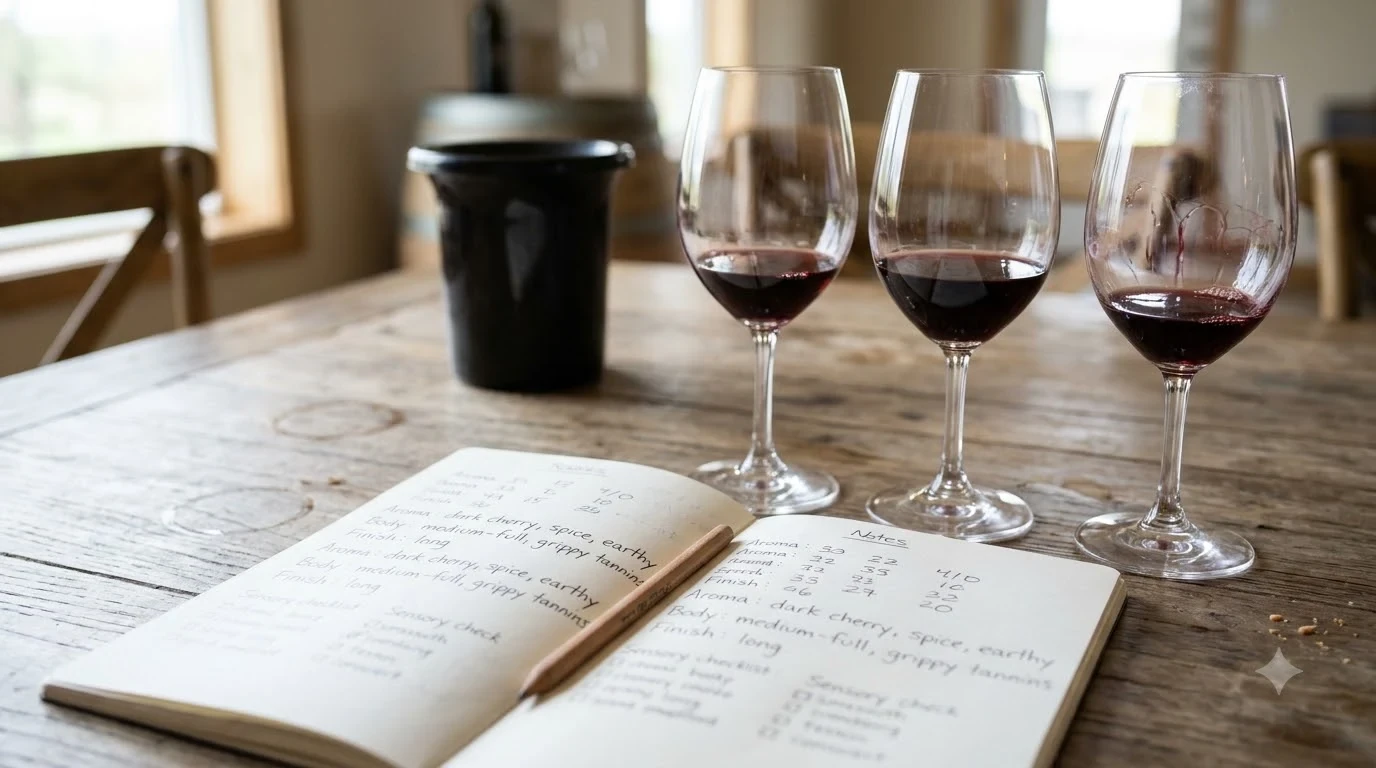
According to Wine Folly, Barolo holds Italy’s highest quality classification, DOCG, and must be made from 100% Nebbiolo. Italian law mandates that standard Barolo age for at least 38 months before release, with a minimum of 18 months spent in wood barrels. Bottles labeled Barolo Riserva require even longer maturation—at least 62 months in total—before they reach store shelves. Nebbiolo itself is a thin-skinned, late-ripening grape packed with polyphenols and natural acidity, giving Barolo its signature translucent brick-red hue and gripping structure.
Malbec, by contrast, is a thick-skinned black grape rich in anthocyanin pigments, which create its inky, opaque purple color and bright magenta rim. Originally grown in Cahors and Bordeaux in France, Malbec found its global stage in Argentina, where it now accounts for roughly 40% of all red grape plantings. Unlike Barolo, Argentine Malbec faces no strict minimum barrel-aging laws; entry-level bottles may spend only four to six months in oak to preserve fresh fruit, while top-tier Reserva bottlings often age for 18 to 20 months in barrel.
Flavor Profile and Structural Differences
Barolo delivers high acidity, assertive tannins, and savory red-fruit and floral aromas, while Malbec offers medium tannins, softer acidity, and plush dark-fruit flavors. Despite sitting in the same 13.5% to 15% alcohol range, their mouthfeel and aromatic profiles share almost no overlap.
Pouring a glass of Barolo reveals a deceptive visual cue: its pale garnet or brick-orange color looks as light as Pinot Noir, yet the first sip delivers intense structural grip. Primary notes center on tart red cherry, wild raspberry, dried rose petals, licorice, and a classic earthy quality often described as tar or leather. Over years in the bottle, those aggressive tannins soften and give way to complex layers of truffle, dried herbs, and cocoa. Much like in a barolo vs chianti comparison, Barolo’s bracing acidity keeps the wine feeling lifted and mouthwatering rather than heavy.
Malbec presents the exact opposite sensory experience, greeting the eye with a deep, nearly black core and coating the palate with generous, velvety fruit. As detailed in Wine Folly’s comprehensive guide to Malbec, primary flavors revolve around ripe red plum, blackberry, blueberry, vanilla, sweet tobacco, and dark chocolate. Its tannins are ripe and rounded rather than drying, and its medium-low acidity creates a smooth, plush finish. French examples from Cahors tend to be slightly firmer, darker, and more savory with hints of black pepper, whereas Argentine versions emphasize juicy fruit and plush texture.
| Attribute | Barolo (Piedmont, Italy) | Malbec (Mendoza, Argentina) |
|---|---|---|
| Primary Grape | 100% Nebbiolo | Malbec (occasionally blended with Bonarda or Cabernet) |
| Color | Translucent garnet to brick-red | Opaque deep purple with a magenta rim |
| Body & Sweetness | Full body, bone-dry | Full body, bone-dry |
| Tannins | Very high and astringent when young | Medium and velvety |
| Acidity | High | Medium-low to medium |
| Typical ABV | 13.5%–15% | 13.5%–15% |
| Core Flavors | Red cherry, raspberry, rose petal, tar, licorice | Blackberry, red plum, cocoa, vanilla, sweet tobacco |
| Aging Potential | 10 to 25+ years | 5 to 10 years (longer for top Reserva bottles) |
Where They Grow: Piedmont vs. Mendoza
Barolo comes strictly from eleven designated communes in the rolling hills of northwestern Italy’s Piedmont region, while Malbec thrives primarily in the high-altitude vineyards of Mendoza, Argentina. Geography and climate dictate why Nebbiolo develops piercing acidity while Malbec achieves lush ripeness.
In Piedmont, Barolo vineyards sit at elevations between 560 and 1,770 feet in the Langhe hills south of Alba. The region experiences a cool, continental climate marked by autumn fog—the very phenomenon from which Nebbiolo takes its name (nebbia means fog in Italian). Soil composition splits Barolo into two broad stylistic camps: communes with calcareous marl and limestone soils, such as La Morra and Barolo, yield more aromatic, supple wines, whereas communes with iron-rich sandstone and clay, including Serralunga d’Alba, Monforte d’Alba, and Castiglione Falletto, produce firmer, longer-lived bottlings.
Across the Atlantic, Argentina’s Mendoza region sits in the rain shadow of the Andes Mountains, offering abundant sunshine, arid conditions, and dramatic elevation. High-altitude sub-regions like the Uco Valley and Luján de Cuyo push vineyards well above 3,000 feet, where intense UV sunlight thickens Malbec’s grape skins while chilly mountain nights preserve crucial natural acidity. Outside Argentina, notable plantings flourish in Cahors in southwestern France—where limestone plateaus yield rustic, structured wines—and in warmer pockets of Washington State and California.
How to Serve and Cellar Both Wines
Both Barolo and Malbec perform best at cool cellar temperatures between 60°F and 68°F, but Barolo requires significantly more aeration and bottle age to show its best. Treating these wines properly prevents Barolo from tasting overly harsh and keeps Malbec from feeling warm or sluggish.
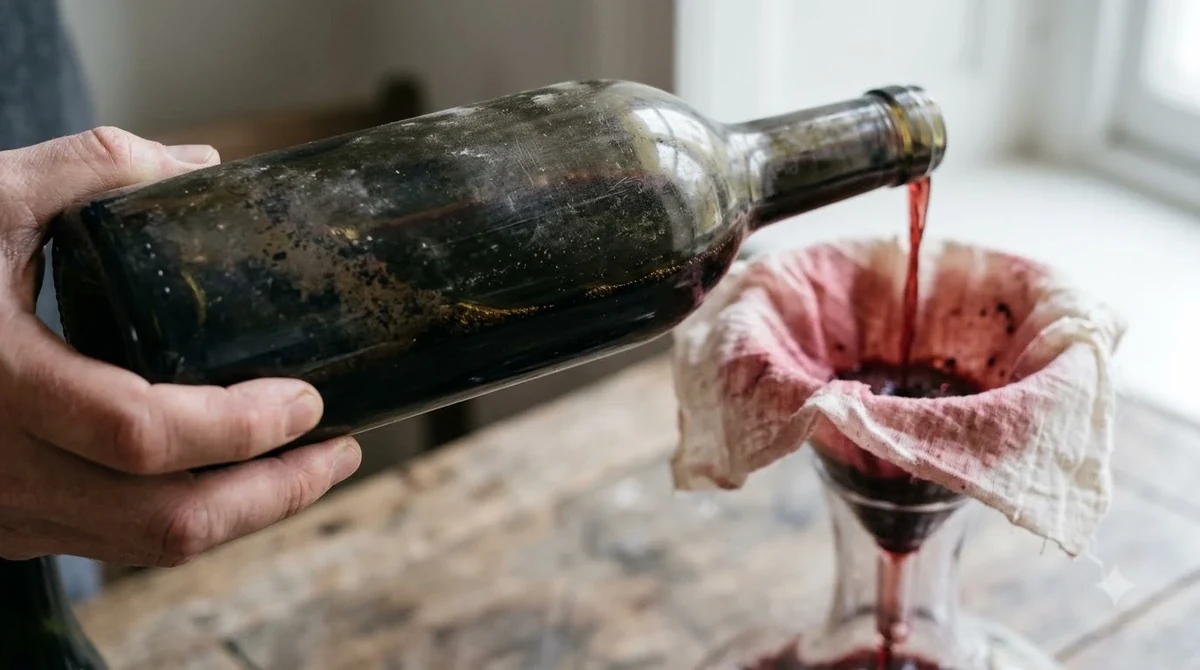
Because young Barolo packs intense, mouth-drying tannins, giving the wine air before serving is essential. Decant young or moderately aged bottles for at least one to two hours before pouring, and serve them in a large, wide-bowled Pinot Noir or Burgundy glass to capture Nebbiolo’s delicate floral and herbal aromatics. While modern winemaking techniques have made some Barolos approachable upon release, traditional examples often need 10 or more years in a cool cellar for their tannins to integrate.
Malbec requires far less prep work to shine on the table. A 30-minute decant is plenty to blow off any initial tightness and open up its dark fruit and cocoa aromatics, though youthful, unoaked bottles can be poured straight from the bottle. A standard universal red wine glass works well for Malbec, concentrating its ripe berry notes without overemphasizing alcohol. Most everyday Malbecs are crafted for immediate enjoyment within three to five years of vintage, while structured Reserva wines from high-elevation vineyards can evolve gracefully for up to a decade.
Tip: If you open a young Barolo and find the tannins too gripping, pour it into a wide decanter and let it breathe on the counter for two hours before dinner—the air softens the astringency and brings out hidden floral notes.
Food Pairing: Matching Structure to the Plate
Barolo thrives alongside rich, fatty, and earthy dishes that tame its high tannins and match its savory complexity, whereas Malbec is a natural partner for grilled red meats, smoky flavors, and bold spices. Pairing each wine correctly transforms its structural traits into assets at the table.
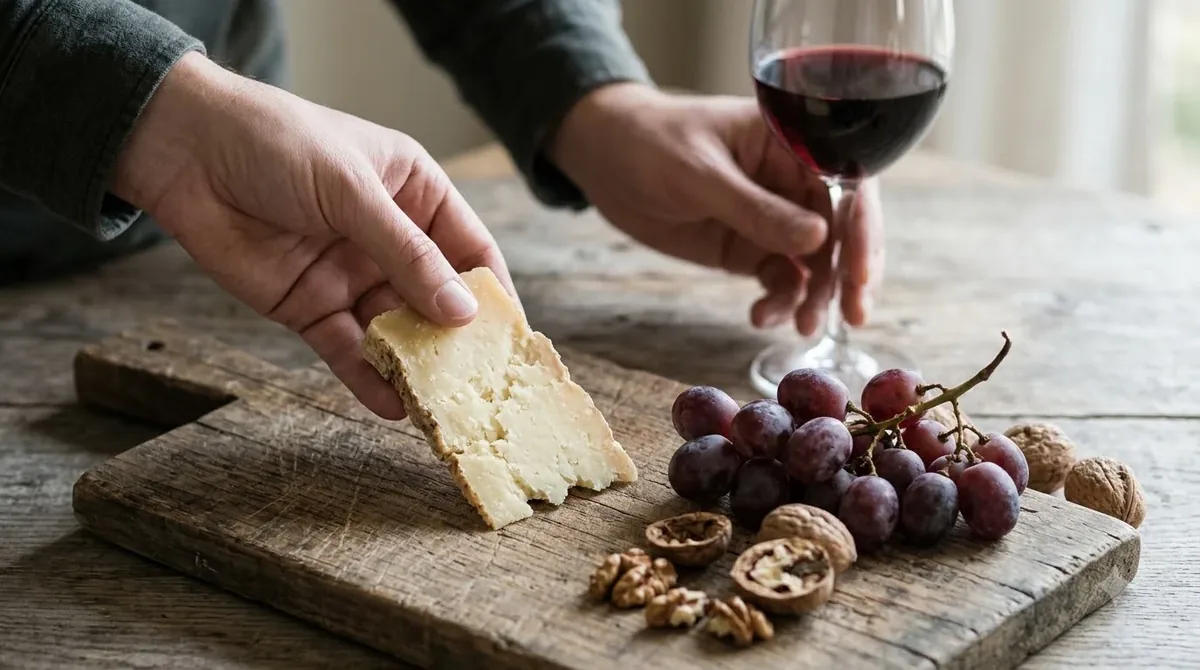
Barolo’s combination of high acidity and firm tannin calls for protein, fat, and umami. Classic Piedmontese pairings include braised beef short ribs, slow-cooked ragù over handmade tajarin pasta, aged Parmigiano-Reggiano, and dishes shaved with white or black truffles. The fat in braised meats coats the palate and softens Nebbiolo’s astringency, while the wine’s brisk acidity cuts right through rich sauces and butter. Avoid pairing Barolo with spicy dishes, as capsaicin amplifies alcohol heat and makes high tannins taste bitter.
Malbec’s plush fruit and supple tannins make it one of the most versatile barbecue and steakhouse reds available. It pairs effortlessly with grilled flank steak, skirt steak with chimichurri, burgers, and smoked meats, where its dark plum and cocoa notes echo charred crusts. Because Malbec has softer tannins and slightly lower acidity than Cabernet Sauvignon, it also handles leaner cuts like pork tenderloin, roasted mushrooms, blue cheese, and earthy spices such as cumin and smoked paprika without overwhelming the food.
How to Choose Between Barolo and Malbec
Choose Barolo when you want a contemplative, food-driven wine with complex savory aromatics and gripping structure, and reach for Malbec when you want a crowd-pleasing, velvety red ready to drink tonight. Looking closely at label clues will help you zero in on the exact style you prefer within either category.
When shopping for Barolo, check the vintage and the commune on the label. If you plan to open the bottle right away, look for a slightly older vintage with at least seven to ten years of age, or choose a bottling from La Morra or Barolo for softer, more floral character. If you are buying a wine to cellar or want maximum structure, look toward Serralunga d’Alba or Monforte d’Alba, or seek out single-vineyard bottlings designated with the term Vigna. Readers who enjoy the dried-fruit richness of other northern Italian reds can also explore our breakdown of amarone vs barolo to see how winemaking style alters Nebbiolo’s peers.
When picking out a Malbec, focus on region and aging tier. Bottles labeled simply Mendoza generally highlight fresh, juicy red plum and blackberry flavors with minimal oak influence, making them easygoing weeknight pours. Stepping up to sub-regions like the Uco Valley or Luján de Cuyo—or choosing a bottle labeled Reserva—brings greater concentration, firmer structure, and richer notes of dark chocolate and spice. If you gravitate toward bold, fruit-forward reds with generous warmth, comparing malbec vs zinfandel is another great way to fine-tune your palate.
Frequently Asked Questions
Is Barolo sweeter than Malbec?
No, both Barolo and Malbec are bone-dry red wines with virtually zero residual sugar. Malbec often tastes slightly sweeter on the mid-palate because of its ripe blackberry, plum, and vanilla flavors combined with lower acidity, whereas Barolo’s high acidity and tart red-fruit notes give it a much drier, crisper impression.
Why does Barolo look so much lighter in color than Malbec?
Barolo is made from 100% Nebbiolo, a thin-skinned grape with low levels of anthocyanin color pigments, resulting in a translucent garnet or brick-red appearance. Malbec has thick, dark skins packed with anthocyanins, producing an opaque, inky purple wine despite having softer tannins than Nebbiolo.
Which wine has higher alcohol, Barolo or Malbec?
Both wines sit in the exact same alcohol bracket, typically ranging from 13.5% to 15% ABV. Barolo must legally reach at least 13% ABV under Italian DOCG regulations, while warm-climate Argentine Malbec naturally reaches similar alcohol levels due to intense high-altitude sunshine.
Can you drink Barolo young without cellaring it for ten years?
Yes, you can drink young Barolo, especially bottles from softer communes like La Morra or producers using modern oak aging, provided you give the wine plenty of air. Decanting a young Barolo for one to two hours and serving it alongside rich, fatty meats like braised short ribs or truffle pasta helps tame its assertive tannins.
Ultimately, the Barolo vs Malbec debate highlights two rewarding sides of full-bodied red wine. Reach for Barolo when your menu calls for slow-braised meats, truffles, and layered Italian tradition, and open a bottle of Malbec whenever you want generous dark fruit and effortless comfort beside the grill.
More in Wine vs Wine
 Nero d’Avola vs Pinot Noir: Taste, Body, and Pairing DifferencesUpdated Nov 21, 2026
 Chenin Blanc vs Pinot Blanc: Key Differences in Taste, Acidity, and PairingsUpdated Nov 21, 2026
 Chardonnay vs Shiraz: Key Differences in Taste, Serving, and PairingUpdated Nov 21, 2026
 Chardonnay vs Verdejo: How Spain’s Crisp White Compares to the World’s ChameleonUpdated Nov 21, 2026
 Chardonnay vs Sancerre: Key Differences in Taste, Grapes, and PairingUpdated Nov 21, 2026
 Chardonnay vs Malbec: Key Differences in Taste, Body, and PairingUpdated Nov 21, 2026