

We may earn a commission when you buy through links on this page, at no extra cost to you. Learn more.
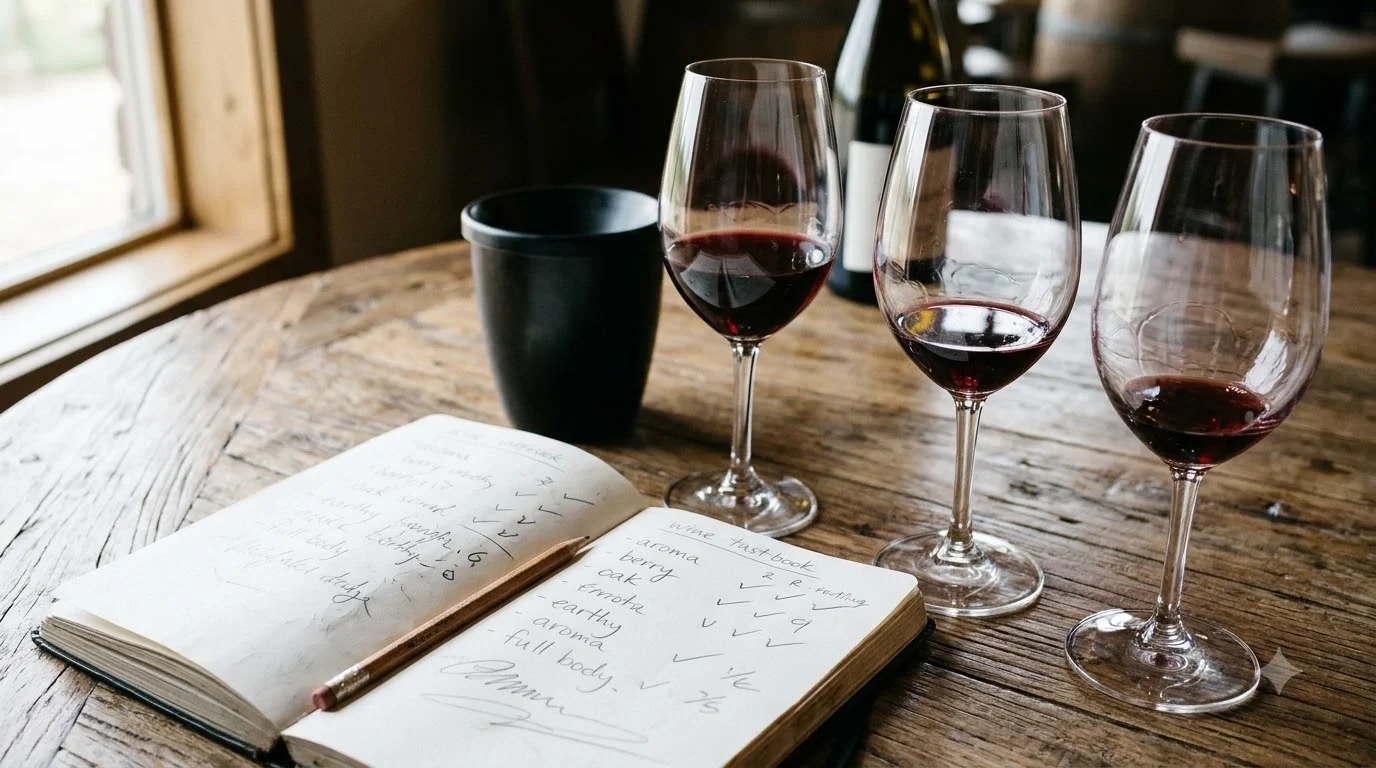
Comparing amarone vs cabernet sauvignon comes down to a dried-grape Italian red blend versus a single-variety French-origin grape fermented from fresh fruit. Amarone della Valpolicella relies on the appassimento drying process to concentrate Corvina, Corvinone, and Rondinella grapes into a velvety, high-alcohol wine with dried fruit and spice notes, while Cabernet Sauvignon delivers firmer tannins, brighter acidity, and dark berry flavors from freshly crushed grapes. Both rank among the boldest full-bodied reds in the wine world, yet their textures, alcohol levels, and food pairings differ substantially.
Shoppers browsing for a heavy, cellar-worthy red wine often cross-shop these two bottles because both occupy the top tier of full-bodied reds on restaurant lists and retail shelves. Understanding how winemaking method, grape genetics, and climate shape each pour makes it much easier to pick the right bottle for dinner or long-term storage, much like exploring other classic wine vs wine matchups.
What Is Amarone vs Cabernet Sauvignon
Amarone della Valpolicella is a dry Italian red wine blended primarily from native Veneto grapes that are partially dried before fermentation, whereas Cabernet Sauvignon is a single red grape variety vinified directly from freshly harvested berries.
According to Wine Folly, winemakers produce Amarone by harvesting intact clusters of Corvina, Corvinone, and Rondinella and laying them in ventilated drying lofts for up to 120 days. During this process, called appassimento, the berries lose roughly 40 percent of their water weight. Pressing and fermenting these shriveled, sugar-rich grapes for 35 to 50 days produces a dense, dry red wine carrying Italy’s highest DOCG classification and alcohol levels that typically reach 15 to 16 percent ABV.
Cabernet Sauvignon follows a completely different path from vineyard to bottle. Originating in southwestern France as a natural seventeenth-century crossing between Cabernet Franc and Sauvignon Blanc, this thick-skinned grape is crushed and fermented shortly after harvest. Instead of relying on dehydration for power, Cabernet Sauvignon derives its weight and longevity from dense skin tannins, natural acidity, and extended aging in oak barrels, usually landing between 13.5 and 15.5 percent ABV.
| Attribute | Amarone della Valpolicella | Cabernet Sauvignon |
|---|---|---|
| Primary Grapes | Corvina, Corvinone, Rondinella blend | Cabernet Sauvignon (often 75 to 100 percent) |
| Winemaking Method | Appassimento grape drying up to 120 days | Standard fermentation from fresh grapes |
| Typical ABV | 15 to 16 percent | 13.5 to 15.5 percent |
| Tannin Level | Medium to medium-high, velvety | High, gripping |
| Acidity | Medium-high, masked by richness | Medium-high, crisp and structural |
| Ideal Serving Temp | 60 to 65 degrees Fahrenheit | 60 to 68 degrees Fahrenheit |
Flavor and Styles
Amarone tastes lush, warming, and layered with dried cherries, fig, chocolate, and sweet baking spices, while Cabernet Sauvignon leans toward fresh black currant, cedar, graphite, and savory herbs.
Because appassimento concentrates sugars and alters aromatic compounds before yeast ever touches the juice, Amarone presents a distinctly plush mouthfeel. Reviewers at Wine Enthusiast consistently note aromas of baked plum, dried black cherry, steeped prune, licorice, clove, and dark cocoa framed by rounded, velvety tannins. Even though Amarone is fermented dry, a tiny fraction of residual sugar—often between 3 and 8 grams per liter—softens its natural acidity and creates a perception of opulent sweetness on the mid-palate.
Winemakers also divide Amarone into traditional and modern expressions. Traditional producers dry grapes slowly in naturally ventilated lofts and age the wine in large neutral oak casks, yielding earthy notes of dried rose, tobacco leaf, and leather. Modern estates use humidity-controlled drying rooms and smaller French oak barriques, emphasizing darker berry jam, espresso, and vanilla.
Cabernet Sauvignon expresses sharper edges and stronger structural grip. As outlined by Wine Folly, core flavors center on black cherry, black currant, blackberry, cedar, and baking spices. Cool-climate versions from Bordeaux display pronounced graphite, tobacco, and subtle green bell pepper aromas caused by natural compounds called methoxypyrazines, whereas warmer New World bottlings from California or Australia deliver riper blackberry, licorice, and sweet oak vanilla.
Where They Grow
Amarone comes exclusively from northeastern Italy’s Valpolicella zone in Veneto, while Cabernet Sauvignon thrives across major wine regions on nearly every continent.
Strict Italian appellation laws restrict Amarone della Valpolicella DOCG production to the hills north and east of Verona in the Veneto region. The historic heartland, labeled Amarone della Valpolicella Classico, covers five valleys: Negrar, Marano, Fumane, San Pietro in Cariano, and Sant’Ambrogio. Limestone and volcanic soils combined with cooling Alpine breezes preserve vital acidity in Corvina and Corvinone grapes before autumn harvest.
Cabernet Sauvignon possesses far greater geographic adaptability, covering over 720,000 acres globally. Its ancestral benchmark remains France’s Left Bank of Bordeaux, particularly gravel-rich communes in the Médoc and Graves. Outside France, Napa Valley in California, Maipo Valley in Chile, Coonawarra and Margaret River in Australia, and Stellenbosch in South Africa have all built global reputations on distinct regional interpretations of the grape.
Understanding regional origin also helps explain how Cabernet Sauvignon compares to other Old World reds. Drinkers weighing barolo vs cabernet sauvignon will notice Piedmont’s Nebbiolo shares Cabernet’s fierce tannin structure, whereas cabernet sauvignon vs chianti contrasts Cabernet’s dark cassis weight against Sangiovese’s tart red-cherry brightness.
How to Serve
Both wines reward proper aeration and cool cellar temperatures, though Amarone requires slightly cooler service to keep its higher alcohol from tasting hot.
Serve Amarone between 60 and 65 degrees Fahrenheit—roughly 15 to 20 minutes in the refrigerator before pouring. Because alcohol regularly reaches 15.5 to 16 percent, serving Amarone at warm room temperature emphasizes alcoholic heat and dulls its floral and dried-fruit aromatics. Pouring into an oversized bowl-shaped red wine glass gives the dense bouquet room to open.
Decanting plays a crucial role for both styles. Young Amarone benefits from one to two hours in a wide decanter so tight spice and chocolate notes unfurl, while bottles older than ten years should be decanted gently right before dinner to separate fine sediment. Cabernet Sauvignon serves well slightly warmer, between 60 and 68 degrees Fahrenheit, in a tall Bordeaux stem. Youthful Cabernet with firm tannins needs at least one hour of decanting to soften its astringency.
Tip: Chill Amarone for 20 minutes before opening; keeping the liquid near 62 degrees Fahrenheit tames its 16 percent alcohol and keeps the fruit bright.
Food Pairing
Amarone excels alongside slow-braised meats, aged hard cheeses, and savory-sweet glazes, whereas Cabernet Sauvignon is built for charred steaks, lamb, and fatty grilled dishes.
Food pairing comes down to matching structural components. Cabernet Sauvignon’s high, astringent tannins bind directly to proteins and dietary fats, making a marbled ribeye steak, grilled rack of lamb, or charbroiled burger with aged cheddar feel smoother on the palate. Its savory herbal undertones also complement roasted mushrooms, black pepper sauces, and rosemary-seasoned roasts.
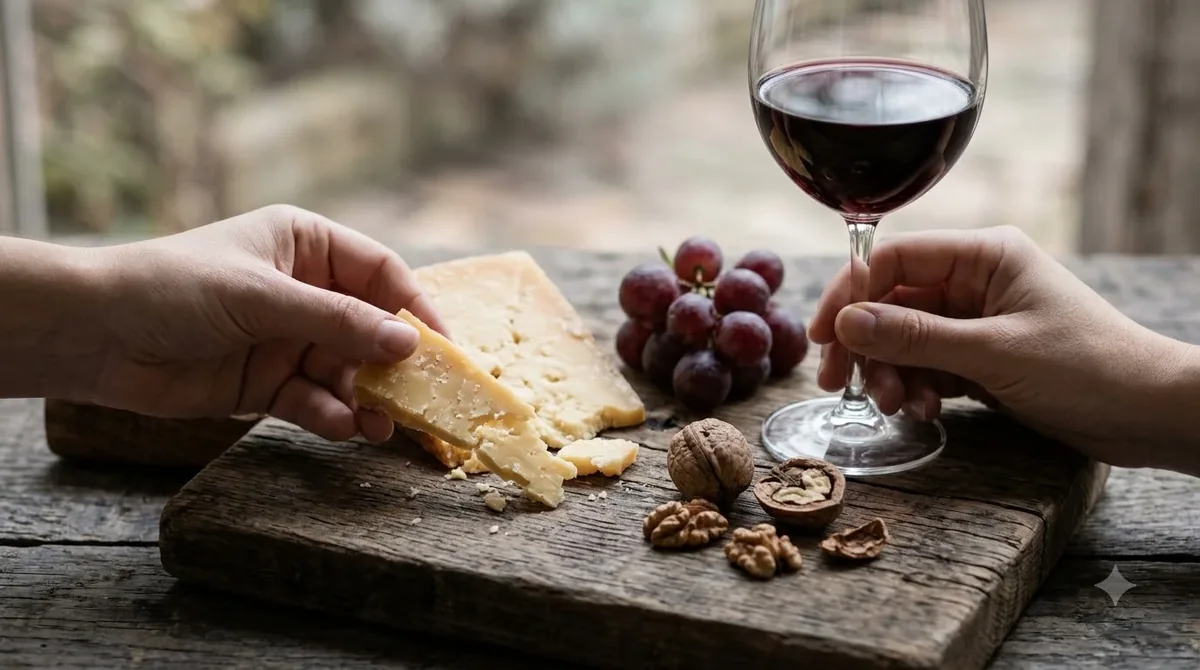
Amarone carries softer, velvety tannins alongside intense concentration and a whisper of residual sweetness, so overly lean grilled meats can feel overwhelmed. Instead, classic Veronese pairings lean toward slow-cooked dishes like beef braised in red wine, venison stew, wild boar ragù, and osso buco. Aged cow’s milk cheeses such as Parmigiano-Reggiano, aged Asiago, and alpine cheeses mirror Amarone’s nutty, umami-rich depth.
Both wines clash with delicate seafood, bitter green salads, and fiery chili heat, which amplifies alcohol burn. If you enjoy Cabernet’s savory profile but want something slightly softer for weeknight meals, exploring cabernet sauvignon vs carmenere highlights how Chilean Carmenere trades aggressive tannin for plush, peppery drinkability.
How to Choose a Bottle
Choose Amarone when you want a plush, contemplative winter red with dried-fruit warmth, and pick Cabernet Sauvignon when you want structured, dark-fruited precision for grilled meals.
Reading the front label helps narrow down style within each category. For Amarone, look for the word “Classico” to identify bottles sourced from the historic hillside zone, or “Riserva” for wines aged a minimum of four years before release. If you want Amarone’s signature dried-grape richness in a lighter, more everyday format, Valpolicella Ripasso undergoes a second fermentation on leftover Amarone skins and offers approachable cherry and spice flavors.
When shopping for Cabernet Sauvignon, region and oak aging dictate what ends up in your glass. Bottles from Napa Valley, Paso Robles, or South Australia promise opulent black fruit, mocha, and vanilla, while Bordeaux, Washington State, and Chile’s Maipo Valley deliver firmer acidity, graphite minerality, and savory herb notes. Cellar-minded collectors can easily age top bottles from either camp for 10 to 20 years.
Frequently Asked Questions
Is Amarone sweeter than Cabernet Sauvignon?
Both Amarone and Cabernet Sauvignon are classified as dry red wines, though Amarone often tastes slightly sweeter. The appassimento drying process leaves Amarone with roughly 3 to 8 grams per liter of residual sugar and high glycerin, giving it a plush, fruit-forward richness that feels softer than crisp, bone-dry Cabernet Sauvignon.
Which wine has higher alcohol, Amarone or Cabernet Sauvignon?
Amarone almost always has higher alcohol than Cabernet Sauvignon. Dehydrating the grapes concentrates natural sugars prior to fermentation, resulting in Amarone bottlings that routinely sit between 15 and 16 percent ABV, whereas most Cabernet Sauvignon wines fall between 13.5 and 15.5 percent ABV.
Does Amarone have more tannins than Cabernet Sauvignon?
Cabernet Sauvignon generally has firmer, more gripping tannins than Amarone. Cabernet is a small, thick-skinned grape loaded with astringent polyphenols, while Amarone’s primary grape, Corvina, has thinner skins and produces rounded, velvety tannins that feel smoother on the tongue.
Can you substitute Amarone for Cabernet Sauvignon in cooking or pairing?
Amarone works wonderfully in slow-braised beef recipes—such as the traditional Italian dish brasato all’Amarone—and pairs well with hearty roasts. However, because Amarone has higher alcohol and dried-fruit sweetness, it pairs better with rich braises and aged cheeses than with charred steaks, where Cabernet Sauvignon’s high tannins shine.
Ultimately, the choice between Amarone and Cabernet Sauvignon rests on texture and occasion rather than quality. Reach for Cabernet Sauvignon when grilled red meats call for brisk acidity and gripping tannins, and save Amarone for slow-braised winter dinners, aged cheeses, or fireside sipping.
More in Wine vs Wine
 Nero d’Avola vs Pinot Noir: Taste, Body, and Pairing DifferencesUpdated Nov 21, 2026
 Chenin Blanc vs Pinot Blanc: Key Differences in Taste, Acidity, and PairingsUpdated Nov 21, 2026
 Chardonnay vs Shiraz: Key Differences in Taste, Serving, and PairingUpdated Nov 21, 2026
 Chardonnay vs Verdejo: How Spain’s Crisp White Compares to the World’s ChameleonUpdated Nov 21, 2026
 Chardonnay vs Sancerre: Key Differences in Taste, Grapes, and PairingUpdated Nov 21, 2026
 Chardonnay vs Malbec: Key Differences in Taste, Body, and PairingUpdated Nov 21, 2026