

We may earn a commission when you buy through links on this page, at no extra cost to you. Learn more.
The best electric decanter depends on how you drink, with bottle-top rechargeable dispensers leading for everyday pouring and countertop oxygenating carafes excelling for full-bodied reds that need rapid aeration. Single-button dispenser spouts fit standard 750ml bottles and aerate wine straight into the glass, while adjustable-dial models let you fine-tune air exposure for delicate Pinot Noir versus tannic Cabernet Sauvignon. Countertop smart carafes use purified air pumps to oxygenate an entire bottle in minutes, and rechargeable multi-in-one sets bundle electric openers and vacuum stoppers for effortless entertaining.
Traditional glass vessels do a great job of softening harsh tannins and separating sediment, yet waiting one to two hours before pouring is not always practical on a weeknight. Powered aerators and smart carafes solve that bottleneck by infusing controlled streams of air or concentrated oxygen directly into the wine in seconds, bringing forward fruit and floral aromas without a long wait.
Quick Comparison
Comparing the five main electric decanter styles across aeration method, power source, capacity, and cleanup helps match the right hardware to your cellar.
| Electric Decanter Type | Aeration Method | Power Source | Capacity | Cleanup Effort |
|---|---|---|---|---|
| Bottle-Top Dispenser Pourer | Pressurized air injection through spout | USB-C rechargeable or AAA batteries | Fits 750ml to 1.5L bottles | Quick warm-water flush |
| Adjustable-Flow Electric Aerator | Variable air-to-wine dial control | USB-C rechargeable | Single glass to full bottle | Warm-water flush plus wipe down |
| Countertop Oxygenating Smart Carafe | Purified oxygen diffusion tube | Wall outlet (AC power) | Full 750ml glass carafe | Hand-wash carafe, wipe base |
| In-Bottle Bubbling Aerator Wand | Submerged micro-bubble infusion | AAA batteries | Single glass or 750ml bottle | Rinse submersible wand |
| All-in-One Electric Bar Set | Push-button dispenser with vacuum seal | Rechargeable charging base | Multiple bottles per charge | Flush dispenser tube, wipe dock |
Best for Everyday Weeknight Pouring: Bottle-Top Dispenser Pourers
Bottle-top dispenser pourers sit directly on the neck of an open wine bottle and pump aerated wine straight into your glass at the press of a button. They eliminate heavy lifting, messy drips, and long decanting waits for casual midweek pours.
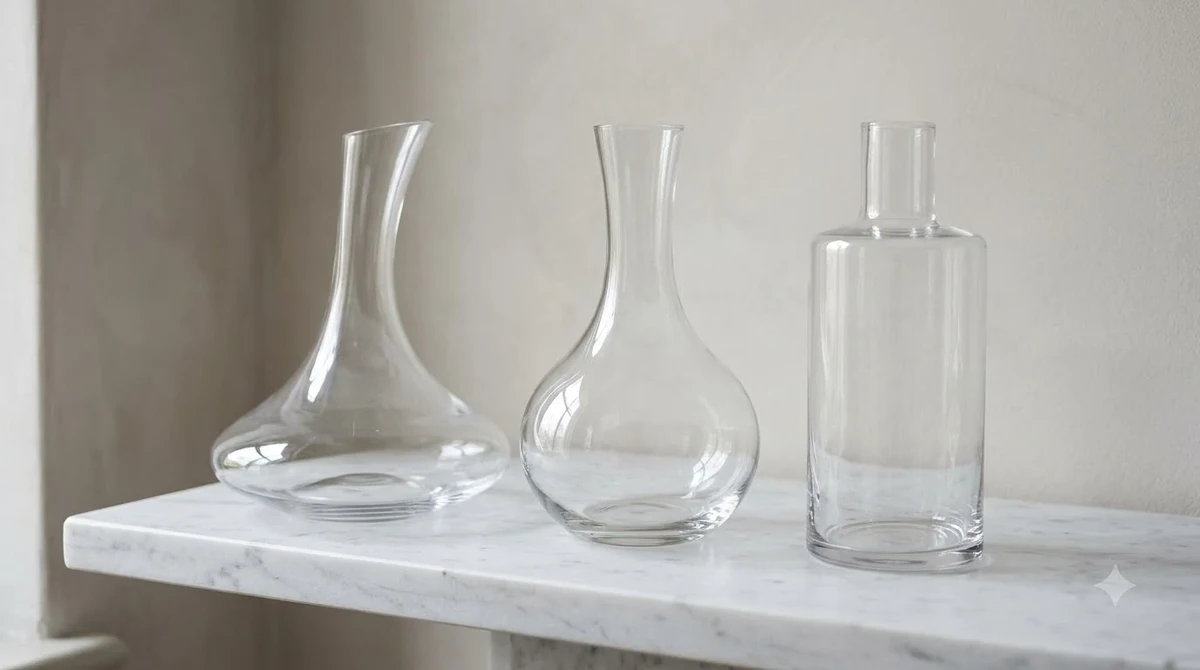
Why it stands out is pure convenience paired with consistent aeration. As editors at Wine Enthusiast explain in their overview of aerator styles, different designs vary in how they infuse oxygen into wine, and motorized dispenser spouts automate that mixing process inside a compact tube. A rigid or telescoping intake tube reaches near the bottom of a 750ml bottle, pulling wine upward through an internal air chamber before releasing a smooth, splash-free stream into your stemware. Because the intake tube stops just above the punt, it also helps leave heavy sediment behind in the bottle rather than carrying it into your glass.
Keep in mind that entry-level dispenser spouts typically offer a single fixed aeration rate, which can feel slightly aggressive for fragile older vintages or crisp whites. Most units also rely on internal silicone tubing that must be flushed with warm water right after use so dried wine sugars do not gum up the pump. This style is best for everyday drinkers who want a single-glass pour of young Cabernet Sauvignon, Malbec, or Syrah ready in seconds without dirtying a glass vessel.
Best for Customizing Different Varietals: Adjustable-Flow Electric Aerators
Adjustable-flow electric aerators add a mechanical dial or digital control to the bottle-top dispenser format, letting you vary the air-to-wine ratio from zero to the equivalent of several hours in a traditional vessel. This flexibility protects delicate wines from over-oxidation while still opening up dense, tannic reds.
Why it stands out is precision across a mixed wine rack. Standard fixed-rate aerators treat a light-bodied Pinot Noir the exact same way they treat a tightly wound Barolo, even though Wine Folly notes that light-bodied reds rarely need extended oxygen exposure compared with full-bodied wines. With an adjustable collar or stepped timer setting, you can turn the air intake down to zero for pure spill-free dispensing, dial in a gentle lift for medium-bodied Sangiovese or Merlot, or crank up maximum air infusion for young, grippy reds. Modern versions also use USB-C fast charging and water-resistant housings that simplify rinsing under the tap.
Keep in mind that added dials, seals, and electronic controls introduce more moving parts that require careful drying before storage. They also sit taller on the bottle neck than passive pour spouts, so a capped bottle usually will not fit upright inside a standard refrigerator door shelf. This style is best for households that regularly switch between whites, light reds, and bold reds on the same evening and want tailored aeration from a single compact tool.
Best for Bold Reds and Dinner Parties: Countertop Oxygenating Smart Carafes
Countertop oxygenating smart carafes pair a dedicated glass pitcher with a motorized base that pumps purified, concentrated oxygen through the wine in just a few minutes. They bridge the gap between rapid handheld aerators and the visual presentation of a classic wine decanter.
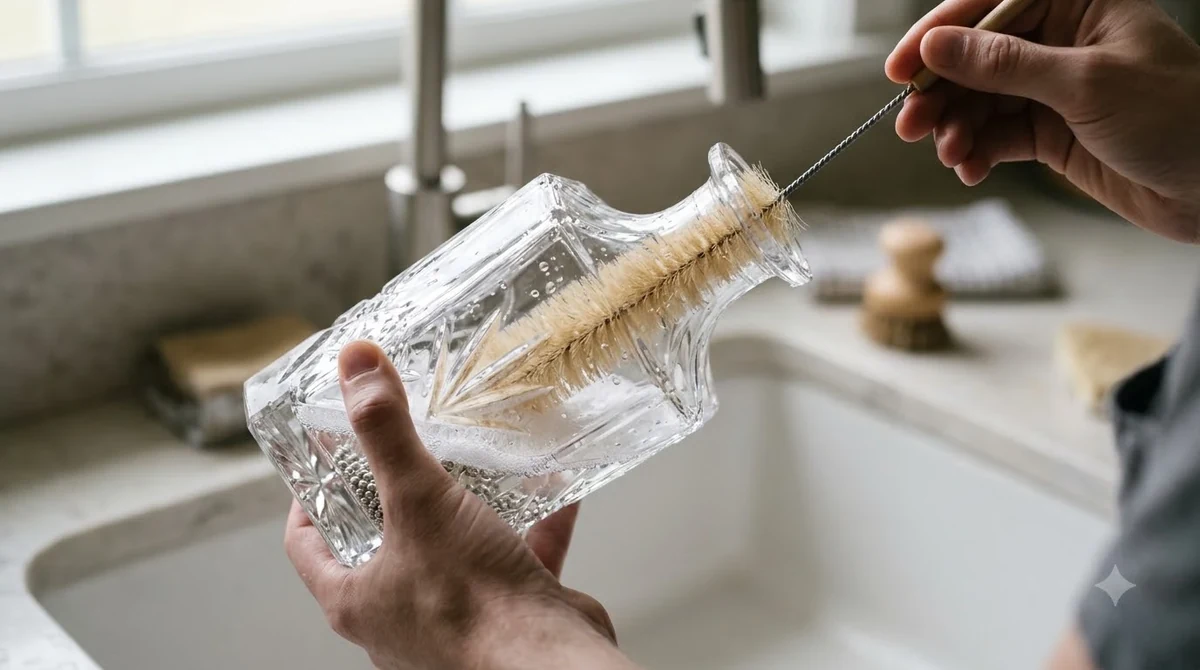
Why it stands out is speed combined with full-bottle oxygenation. Rather than aerating one ounce at a time as wine passes through a narrow spout, a smart carafe draws ambient air through an internal filtration system, concentrates the oxygen, and circulates it upward and downward through a central glass tube inside the vessel. A digital timer lets hosts program exact cycle lengths—often between one and five minutes—so an entire 750ml bottle softens evenly before guests sit down. Because the glass pitcher lifts off the powered dock for table service, you still get the graceful pouring experience of traditional crystal stemware without waiting two hours.
Keep in mind that countertop carafes occupy dedicated counter space, require a nearby wall outlet, and cost significantly more than battery-powered bottle toppers. The glass carafe is typically hand-wash only due to its internal diffusion tube, and you will still want a fine mesh strainer if you are pouring an unfiltered vintage bottle with heavy sediment. This style is best for dinner party hosts and collectors of full-bodied Napa Cabernet, Syrah, or Bordeaux blends who want full-bottle aeration on demand.
Best for Single Glasses and Travel: In-Bottle Bubbling Aerator Wands
In-bottle bubbling aerator wands are slim, battery-operated sticks that submerge directly into an open bottle or an individual wine glass to release a controlled stream of air bubbles. Their compact footprint makes them easy to tuck into a kitchen drawer or pack in a weekend bag.
Why it stands out is versatility between bottle and glass aeration. Unlike bottle-mounted dispensers that clamp onto a specific neck diameter, a bubbling wand works in screw-cap bottles, wide-mouth carafes, and individual stems alike. Pressing the top button activates a quiet internal pump that sends gentle bubbles rising through the wine for roughly 30 to 45 seconds, lifting muted aromas and rounding sharp edges right inside your glass. You can taste a sip first, decide if the wine feels closed off, and aerate only the portion you plan to drink right away.
Keep in mind that bubbling wands do not act as pour spouts, so you still pour manually from the bottle, and they provide no sediment filtration for aged reds. Most slim wands also run on replaceable AAA batteries rather than rechargeable lithium cells, meaning you will want spare batteries on hand. This style is best for solo wine drinkers, travelers, and anyone testing whether an unfamiliar bottle improves with oxygen before aerating the rest.
Best for Gifting and Home Bars: All-in-One Electric Bar Sets
All-in-one electric bar sets combine a rechargeable aerating dispenser with matching motorized accessories—most commonly a cordless corkscrew, foil cutter, and vacuum preservation stoppers—on a unified charging stand. They streamline every step from opening the bottle to storing leftovers.
Why it stands out is end-to-end workflow convenience and cohesive countertop presentation. Instead of hunting through drawers for a waiter’s corkscrew, an aerator, and a stopper, a multi-piece station keeps every tool charged and ready in one place. After uncorking and dispensing aerated pours, you can switch to the included vacuum sealer to pump excess air out of the unfinished bottle, which helps extend how long red wine lasts after opening. Compared with a standalone glass decanter set, an electric bundle takes up minimal vertical space while offering push-button ease for guests of all experience levels.
Keep in mind that bundle accessories occasionally trade specialized performance for convenience; the included aerator spout usually lacks adjustable flow dials, and vacuum stoppers are best suited for short-term storage over two to four days rather than multi-week preservation. This style is best for wedding or housewarming gifts, home bar setups, and casual entertainers who want an organized, foolproof wine station.
How to Choose
Selecting the right powered aerator comes down to matching the hardware to your favorite wine styles, serving habits, and maintenance tolerance. Browse our full Aerators & Decanters hub if you want to compare powered options alongside traditional glassware, and weigh these core criteria before buying:
- Aeration control vs. simplicity: If you mainly drink bold, young reds like Cabernet Sauvignon, Malbec, or Shiraz, a single-speed dispenser provides plenty of oxygen lift. If you drink Pinot Noir, aged reds, or textured whites, look for an adjustable air dial or programmable timer so you do not flatten subtle aromatics.
- Power source and battery life: USB-C rechargeable models eliminate disposable battery waste and typically dispense dozens of bottles per charge, while AAA-powered units are lighter and never leave you waiting by an outlet if the battery dies mid-party.
- Tube length and bottle compatibility: Check that the intake tube extends at least 11 to 13 inches or uses a telescoping design so it reaches the bottom of tall Bordeaux and Burgundy bottles without leaving two ounces trapped at the base.
- Cleaning and water resistance: Wine residue builds up fast inside narrow pumps. Prioritize models with splash-resistant or waterproof upper housings that let you flush warm water straight through the intake tube after every bottle.
- Sediment handling: Electric dispenser tubes avoid stirring up sediment at the bottom of a bottle, but none of these motorized devices replace a fine stainless-steel mesh screen when decanting unfiltered, mature vintages.
Tip: Always run a quick cycle of warm water through a bottle-top electric dispenser right after finishing a bottle, then run one dry cycle with air only to clear trapped moisture from the internal silicone tube before putting it away.
Frequently Asked Questions
Does an electric decanter work as well as a traditional glass decanter?
For softening harsh tannins and releasing fruit aromas in young red wines, an electric decanter achieves in seconds what a glass carafe accomplishes in one to two hours. However, traditional wide-base glassware still wins when you need to slowly separate heavy sediment from an older vintage wine using a candle or fine strainer.
Can you use an electric wine aerator on white or sparkling wine?
You can use an electric aerator with aeration turned off simply as a drip-free dispenser for white wine, or use light aeration on full-bodied oaked Chardonnay. Never run sparkling wine or Champagne through a motorized pump, as agitation strips away carbonation and can cause pressure buildup inside the tube.
How do you clean an electric wine decanter without damaging the electronics?
Fill an empty wine bottle or tall glass with warm water, insert the intake tube, and run the pump for several seconds until clear water flows from the spout. Wipe the exterior housing with a damp cloth, and avoid submerging non-waterproof battery compartments directly in the sink.
Should you leave an electric dispenser attached to an unfinished wine bottle overnight?
It is better to remove the electric dispenser, flush it with warm water, and seal the bottle with its original cork or a vacuum stopper. Leaving an open air channel attached overnight exposes the remaining wine to continuous oxygen, which dulls fresh fruit flavors by the next evening.
Whether you want a pocket-sized bubbling wand for single weeknight glasses or a countertop smart carafe that oxygenates an entire bottle before dinner, matching the mechanism to your wine habits makes all the difference. Focus on easy warm-water cleanup, reliable battery life, and adjustable airflow if you drink a wide range of varietals.
More in Decanters & Aerators
 Best Whiskey and Wine Decanter: Choosing One Vessel for Both DrinksUpdated Nov 18, 2026
 Best Tower Decanter: How to Pick the Right Shape for Your WineUpdated Nov 18, 2026
 Best Cleaning Brush Decanter Options for Narrow Necks and Deep BowlsUpdated Nov 19, 2026
 Best U Shaped Decanter Picks for Aerating Bold Red WineUpdated Nov 18, 2026
 Best Hand Blown Decanter Styles for Every Bottle and TableUpdated Nov 18, 2026
 Best Large Decanter: Top Styles for Magnums, Dinner Parties, and Bold RedsUpdated Nov 18, 2026