

We may earn a commission when you buy through links on this page, at no extra cost to you. Learn more.
Pacific Rim Riesling Price for a 750 ml bottle typically runs about $8 to $11 at U.S. retailers, based on Total Wine and H-E-B listings, though prices vary by state and retailer. The standard Columbia Valley bottling is an approachable, lightly sweet Washington white with bright acidity and fruit-led flavor, so it suits shoppers who want more sweetness than a bone-dry Riesling without moving into dessert-wine territory. Vintage and local availability can shift the shelf range, and the Dry and Sweet versions should not be confused with the regular bottling.
Pacific Rim is often considered an everyday Riesling rather than a special-occasion purchase, but its price is only useful when matched to the right style. This guide explains what a fair retail range looks like, what the standard bottle tastes like, how its related styles differ, and how to compare listings without paying extra for a label or format that does not match your needs.
Who Pacific Rim Riesling Is For
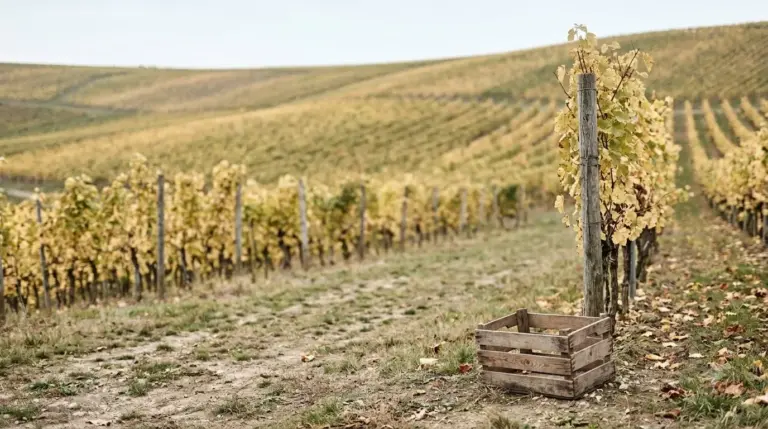
Pacific Rim Riesling is a strong fit for shoppers who want an affordable Washington white with a little sweetness, noticeable acidity and familiar orchard-fruit flavors. The regular bottling comes from Columbia Valley, Washington, and the producer lists it at 11.5% ABV, a moderate alcohol level that leaves room for aromatic fruit and freshness rather than a heavy impression.
The wine makes sense for casual dinners, takeout nights and gatherings where guests have different preferences. Its jasmine, pear, apple and apricot notes give it a recognizable Riesling character, while the acidity keeps the palate from feeling flat. Wine Enthusiast described the 2021 bottling as off-dry, with stone-fruit flavors and pleasing acidity; the review also noted lime leaf, herb, peach and jasmine aromas. That combination helps explain why the wine can work for both newer Riesling drinkers and people who already enjoy the grape.
Choose it when you want a bottle to serve with spicy Thai noodles, Mexican dishes, or food with a little sweetness of its own. The producer specifically recommends spicy Thai and Mexican cuisine, as well as richer French and German dishes. It is less suitable for someone who wants a bone-dry white with no perceptible sweetness, or for someone seeking a concentrated dessert wine. Shoppers who want the full tasting profile and bottle details can start with this overview of Pacific Rim Riesling before comparing the shelf price.
Key Factors to Compare Before You Buy
A useful comparison starts with the exact style, the 750 ml bottle size and the alcohol and sweetness figures, not just the words Pacific Rim on the shelf. The regular wine is listed at 11.5% ABV, and Banfi’s producer page records 6.8 g/L total acidity and 24.2 g/L residual sugar for Pacific Rim Riesling Select.
| What to compare | Typical detail | Why it matters |
|---|---|---|
| Typical bottle size | 750 ml | Standard retail size; roughly five 5 oz pours. |
| Regular Riesling alcohol | 11.5% ABV | A useful identifier when comparing the regular Columbia Valley bottling. |
| Producer-listed acidity | 6.8 g/L | Acidity helps balance the wine’s fruit and residual sugar. |
| Producer-listed residual sugar | 24.2 g/L | Signals a noticeably off-dry style rather than a fully dry Riesling. |
| Typical U.S. shelf range | About $8 to $11 per 750 ml | Total Wine’s listing and H-E-B’s listing place the standard bottle in this range; prices vary by state and retailer. |
| Origin | Columbia Valley, Washington | Confirms that the bottle is the Washington Riesling discussed in this guide. |
The price range is a practical snapshot of regular retail listings, not a guarantee for every zip code or vintage. Total Wine lists the 750 ml bottle in the lower part of the range, while H-E-B’s listing is nearer the upper end. Binny’s and other regional stores can show a different shelf or case figure, and an online listing may not reflect local stock. Use the Total Wine Pacific Rim Riesling listing as one retail reference, but compare the same bottle size and wine style at the store you plan to use.
Also distinguish the retail price from the cost of getting the bottle home. Local sales tax, delivery charges, minimum order sizes and shipping restrictions can change the checkout total, especially when ordering only one bottle. A 750 ml bottle is the most useful benchmark because it is the common listing size for this wine; a multi-bottle pack or a keg is not directly comparable on a per-bottle shelf basis.
Tip: Compare the regular Pacific Rim Riesling with the same 750 ml format at two or three retailers, then confirm that none of the listings is for Dry Riesling or Sweet Riesling. A lower shelf number is not a like-for-like comparison if the style has changed.
Step-by-Step Price Check for a 750 ml Bottle
A reliable price check takes only a few deliberate comparisons. Start with the regular Columbia Valley Riesling, confirm that each listing is for 750 ml, and compare the final checkout total rather than relying on a headline shelf tag.
- Confirm the wine name. Look for Pacific Rim Riesling or Pacific Rim Riesling Select, rather than Dry Riesling or Sweet Riesling. Retail product pages sometimes group the label family together, so open the item details before comparing.
- Match the bottle size. Use 750 ml as the baseline. If a store lists a 12-bottle pack, divide the total by 12 only after confirming that every bottle is the same 750 ml wine.
- Check two or three retailers. Compare a national chain with a regional shop and a supermarket listing where available. The observed standard-bottle range is about $8 to $11 for 750 ml, based on Total Wine and H-E-B listings; prices vary by state and retailer.
- Check the actual availability. A product page may show a bottle but mark it unavailable in a particular store or shipping region. A sold-out vintage page is useful for style details but should not be treated as a current offer.
- Compare the checkout amount. Add any delivery fee, local tax or required case quantity before deciding that one retailer is less expensive. A slightly higher shelf range can be more practical if a nearby store has the bottle in stock and avoids shipping costs.
For a local purchase, use the retailer’s store selector or inventory checker before making a trip. H-E-B notes that prices can differ between in-store, curbside and delivery, while Total Wine states that price, vintage and availability may vary by store. Those conditions matter more than a small difference between two online shelf labels when the bottle is not available in the shopper’s area.
For online buying, check the state destination first because wine shipping rules and retailer service areas are not uniform. The product name can also appear with a vintage year, so read the description and producer details rather than assuming every search result represents the same current bottling. Wine.com’s listing for the 2022 Columbia Valley bottle, for example, provides a 750 ml size, an 11.5% ABV and a screw-cap closure, but it is marked sold out; that page is a product reference, not proof of current inventory.
Pacific Rim Riesling Styles Explained
Pacific Rim makes more than one sweetness level, so the word Riesling alone is not enough to identify the bottle. The standard Columbia Valley bottling is balanced and off-dry, while the separate Dry Riesling has much less residual sugar and a higher listed alcohol level.
The standard wine is the middle-ground choice for shoppers who like ripe fruit but still want refreshing acidity. Banfi lists its Pacific Rim Riesling Select as 100% Riesling from Columbia Valley, with 11.5% ABV, 6.8 g/L total acidity and 24.2 g/L residual sugar. The producer describes jasmine, pear and apple on the nose, with apricot and jasmine on the palate. Pacific Rim & Co.’s own page gives a slightly different residual-sugar figure for its Pacific Rim Riesling, so it is more useful to treat the producer-published level as approximately 24 to 25 g/L than to assume every page reports an identical analysis. Dry Riesling is the choice for drinkers who want a crisp, less-sweet profile: Pacific Rim’s separate Dry Riesling page lists 12.5% ABV and 3.6 g/L residual sugar, with citrus, jasmine and mineral notes. Its production details describe a cold fermentation lasting 30 days, stainless-steel aging and lees contact after fermentation, figures substantially different from the regular wine.
Sweet Riesling is intended for drinkers who prefer a more pronounced sweet-fruit impression. Retail descriptions for this bottling mention ripe pear, peach, honey and bright acidity, but the exact sweetness profile should be judged from the particular listing rather than inferred from the regular wine’s technical figures. For a dry white alternative from another Washington producer, compare the style and price against Chateau Ste Michelle Riesling; it offers a useful reference point for shoppers deciding how much sweetness and acidity they prefer. More background on grape and brand categories is available in the site’s Wine Brands resource. To compare sweetness precisely, also read the alcohol number and residual-sugar information together. Higher alcohol can sometimes point toward a drier Riesling, but it is not a guarantee because winemaking choices and grape ripeness differ. The separate Pacific Rim Riesling alcohol content guide can help clarify why the standard and Dry versions have different listed ABV figures.
For producer specifications and the official pairing suggestions, the Banfi Pacific Rim Riesling Select page is a useful reference. It describes native-yeast fermentation, stainless-steel aging and the wine’s Columbia Valley origin, giving shoppers a clearer basis for comparing it with the label’s separate Dry and Sweet bottlings.
Common Buying Mistakes
The most common error is assuming that every Pacific Rim Riesling is the same wine. The regular bottling, Dry Riesling and Sweet Riesling have different sweetness profiles, and the Dry version’s 12.5% ABV and 3.6 g/L residual sugar are not a substitute for the regular wine’s 11.5% ABV and producer-listed 24.2 g/L residual sugar.
A second mistake is comparing a current 750 ml bottle with a listing for a larger pack, a keg or an older vintage without adjusting for format and availability. A 12-pack listing can look like a different product simply because the page displays a case amount, while a vintage-specific result can remain indexed long after its stock has disappeared. Before choosing, make sure the product details identify the same style and bottle size.
Shoppers can also overvalue a single tasting note or review score. A review of one vintage describes that vintage and tasting sample, not every bottle that will appear in a different state or retailer. Wine Enthusiast’s 2021 note highlights acidity, jasmine and stone fruit, which is useful context, but the actual experience can shift with vintage, serving temperature and the food on the table.
Finally, do not assume that off-dry means syrupy or that Riesling means sweet. Acidity is central to the grape’s balance, and Pacific Rim’s regular bottling pairs fruit character with enough freshness to work at the table. A shopper who prefers a completely dry white should choose the Dry version or a different grape rather than buying the regular wine and expecting it to taste bone-dry.
Care, Serving and Storage Tips
Serve the regular Pacific Rim Riesling well chilled, around 45 to 50°F, to keep its citrus, pear and floral notes fresh while allowing the fruit to remain expressive. A refrigerator chill followed by a short rest in the glass is usually enough; pouring it ice-cold can mute the jasmine and stone-fruit aromas that distinguish it from a simple neutral white wine. Use a standard white-wine glass and pour about 5 oz at a time. The bottle is a 750 ml format, which works out to roughly five standard pours, making it easy to estimate how many bottles are needed for a meal. Its refreshing acidity can stand up to spicy dishes, but very hot chili can make alcohol feel more pronounced, so serve it with food that has some sweetness or richness rather than relying on heat alone.
After opening, reseal the bottle and keep it in the refrigerator. Most opened still wines retain their best character for about 3 to 5 days when chilled and protected from excess air, although the fruit and floral detail can fade before the wine becomes undrinkable. For a planned dinner, chilling the bottle in advance is more reliable than adding ice to the glass, which dilutes the wine as it melts.
For longer storage, keep unopened bottles away from direct sunlight, heat and repeated temperature swings. A cool, steady location near 55°F is a practical target; bottles with corks are generally stored on their sides, while a screw-cap bottle can be kept upright without worrying about cork moisture. Avoid leaving a white wine in a warm car or next to an oven, since heat can damage freshness even before the bottle is opened.
Frequently Asked Questions
These answers address practical details that may not appear in a retailer’s short product description, including bottle closure, production format and the winery’s broader range.
Does Pacific Rim Riesling use a screw cap?
Wine.com identifies the 2022 Pacific Rim Columbia Valley Riesling as a screw-cap bottle. Closure can vary by vintage or market, so the individual bottle and listing are the most reliable guides when buying.
Does Pacific Rim Riesling come in formats larger than 750 ml?
Banfi lists Pacific Rim Riesling Select in a 19.5-liter keg format as well as 750 ml packaging. That keg option is aimed at service settings rather than a typical household purchase, so most shoppers comparing shelf tags will still use the 750 ml bottle.
What kind of soil does the producer identify for Pacific Rim Riesling?
The producer describes the Columbia Valley site soils as wind-blown loess over basalt bedrock. That geological detail helps explain the winery’s emphasis on a mineral edge alongside the wine’s floral and orchard-fruit notes.
Is Pacific Rim Riesling made with oak aging?
Banfi’s product information says the regular Riesling uses no oak and no malolactic fermentation. It also identifies native yeasts, so the stated approach is designed to preserve a direct expression of Riesling fruit and freshness rather than add barrel flavor.
Does Pacific Rim make wines other than Riesling?
The brand portfolio also lists a Sweet Red Blend and Vin de Glaciere, along with vineyard-designated Riesling offerings. Pacific Rim is strongly associated with Riesling, but the producer’s range is not limited to one grape or one sweetness level.
For most shoppers, Total Wine and H-E-B listings put the standard 750 ml Pacific Rim Riesling in the usual about $8 to $11 retail range, though prices vary by state and retailer. Compare the style before comparing the shelf tag, then serve it chilled with spicy, savory or gently rich food. That approach makes it easier to judge the bottle on its own merits rather than on price alone.
More in Wine Brands
 Wolffer Estate Rose Review: Choose the Right Bottle for Your TableUpdated Nov 21, 2026
 Wolf Blass Yellow Label Price: What to Expect for Each BottleUpdated Nov 21, 2026
 Yellow Tail Pinot Grigio Price: Compare Bottle Sizes and Retail CostsUpdated Nov 21, 2026
 Yellow Tail Big Bold Red Price and What Buyers GetUpdated Nov 21, 2026
 Winc Wine Price: Compare Bottle Costs and Membership PlansUpdated Nov 21, 2026
 Wolf Blass Wine Price: Compare Labels and Find the Right BottleUpdated Nov 21, 2026