

We may earn a commission when you buy through links on this page, at no extra cost to you. Learn more.
Pacific Rim riesling alcohol content usually runs from about 8% in the sweet bottlings up to about 12.5% in the dry ones. The producer’s published specs place its sweet Riesling at 8% and its dry Riesling at 12.5%, with the standard and organic bottlings falling in between. Because yeast turns grape sugar into alcohol, a lower ABV generally signals more residual sugar, while a higher ABV points to a drier wine. Treat the number as a strong first clue, then confirm the style with the sugar level or the style term on the label.
Riesling is one of the few white wines where the alcohol number on the label tells you something genuinely useful about taste. Sweetness is often missing from the label altogether, since many producers are not required to print residual sugar, so ABV becomes the shortcut most shoppers reach for first. This guide explains what the alcohol levels in the Pacific Rim line reveal, why they track sugar so closely, and how to use them when you are choosing a bottle or planning a meal.
How Much Alcohol a Pacific Rim Riesling Typically Holds
Most Pacific Rim Rieslings fall between 8% and 12.5% alcohol by volume, and the bottlings with the most residual sugar sit at the low end of that range.
Pacific Rim’s own blog describes Riesling as a category that averages between 8 and 14 percent ABV, and it notes that the exact figure depends on both the brand and the sweetness. The same post makes the central point plainly: the drier the Riesling, the higher the alcohol content. That relationship is what makes the number worth reading, because it lets you estimate a wine’s style before you open the bottle rather than guessing from the color or the marketing copy.
The producer’s listed specs for individual bottlings give a sharper picture than any general range. Its sweet Riesling is listed at 8% alcohol with 7 grams of residual sugar per 100 mL, while its dry Riesling is listed at 12.5% with 0.9 grams. The standard Riesling sits at 11.5%, and an organic bottling was listed at 10.5% with 3.8 grams of sugar. Those four bottlings cover the whole line, and the table in the third section sets them beside a Washington comparison bottle.
Why Alcohol Level Tracks Sweetness in Riesling
Alcohol and sweetness come out of the same fermentation, so a bottle’s ABV is a good clue to how much sugar the yeast consumed. The lower the number, the more sugar the winemaker usually left behind.
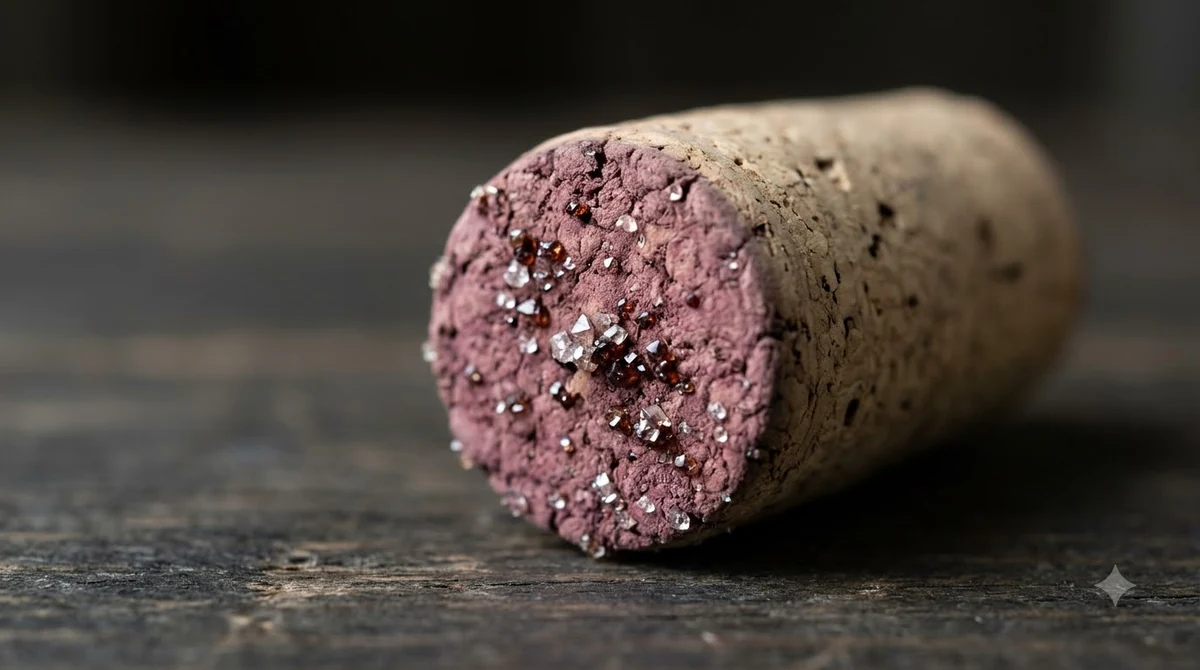
Yeast converts grape sugar into alcohol. If fermentation runs to completion, almost all of the sugar becomes alcohol, the wine finishes dry, and the ABV climbs. If the winemaker halts fermentation early, often by chilling the wine or filtering out the yeast, residual sugar stays behind and the alcohol stays lower. VinePair’s breakdown of Riesling sweetness describes the same trade-off, placing sweet bottles at roughly 8 to 10% ABV and dry ones at 12 to 14%, with the tipping point usually near 11%.
That 11% midpoint is practically useful. A Pacific Rim bottling listed at 8% will almost certainly taste sweet, and one at 12.5% will taste dry. Bottles close to 11% deserve a second look, because they can read as off-dry, medium-dry, or dry depending on how the winemaker balanced sugar against acidity. The 11.5% standard Riesling in the line is one of those in-between cases, sitting just above the midpoint.
Acidity is the other half of the picture. Pacific Rim’s blog notes that Riesling’s acidity is comparable to what you find in citrus fruits, and that this acidity makes a sweet wine taste brighter than its sugar alone would suggest. A low-alcohol bottle is therefore not automatically cloying. It signals that sweetness is present and that acid is doing much of the balancing work on the palate.
Pacific Rim Riesling Alcohol Content by Bottling
The table lists published alcohol and residual sugar figures for four Pacific Rim bottlings and one Washington comparison, so you can see how the two numbers move together.
| Bottling | Listed ABV | Residual sugar (g/100 mL) | Listed style |
|---|---|---|---|
| Pacific Rim Sweet Riesling | 8% | 7.0 | Sweet |
| Pacific Rim Organic Riesling | 10.5% | 3.8 | Off-dry |
| Pacific Rim Riesling | 11.5% | 3.2 | Standard Riesling |
| Pacific Rim Dry Riesling | 12.5% | 0.9 | Dry |
| Chateau Ste. Michelle Columbia Valley Riesling (comparison) | 12.0% | 2.1 | Medium-dry |
Read down the table and the pattern holds. As residual sugar falls from 7.0 to 0.9 grams per 100 mL, alcohol rises from 8% to 12.5%. The organic bottling lands between the sweet and standard bottlings on both measures, which fits its off-dry description and its position in the line.
The standard Riesling at 11.5% reads as a transition wine rather than a clearly sweet or clearly dry one. The comparison bottle shows why ABV alone does not settle the question. Chateau Ste. Michelle, the oldest winery in Washington State, lists its Columbia Valley Riesling at 12.0% alcohol yet describes it as medium-dry, with 2.1 grams of residual sugar per 100 mL. Pacific Rim’s blog says Riesling from Oregon and Washington generally has a low ABV, which is a tendency rather than a rule, and a producer’s sugar choice can outweigh the alcohol number.
Tip: When you can, compare two bottles from the same producer. Within one line, a shift of a point or two in alcohol usually tracks sweetness more reliably than comparing across brands, where winemaking choices differ from one house to the next.
Where Sweetness Cutoffs Disagree Across Sources
Published cutoffs for sweet, off-dry, and dry Riesling differ from one source to the next, so each one works best as a range rather than a rule.
One wine education guide that organizes Riesling by alcohol places 7.0 to 8.5% in a fruity or sweet band, 9 to 10.5% as off-dry, and 11 to 14% as dry. Pacific Rim’s own blog has used a looser reading, describing an ABV of 8 to 9% as likely sweet, 10 to 11% as medium-dry, and anything above 12% as not sweet. Both approaches agree on the direction of the relationship and disagree mainly about where the lines fall, which is why a label alone rarely settles the question.
Germany adds a second layer. Under one guide to German Riesling labels, the term trocken signals a dry wine with 9 grams per liter of residual sugar or less. Many producers do not print the sugar figure, and Pacific Rim’s blog notes that it is not mandated by law, so alcohol is often the practical clue. When a sugar figure or a style term does appear, it is the more precise signal.
The practical approach is to combine signals rather than rely on one. Start with the ABV for a quick read, look for a style term on the label, and use the sugar figure when it is listed. For another producer’s numbers, read the clean slate riesling alcohol content page alongside this one.
How Lower Alcohol Changes Taste and Food Matches
Lower-alcohol Riesling tends to feel lighter and more aromatic, which makes it easier to pair with heat, while the drier, higher-alcohol bottlings carry more body and a firmer finish.
Alcohol contributes weight and warmth. The sweet 8% Pacific Rim bottling is light and fruit-forward, with its sugar held in check by the high acidity typical of the grape. The 12.5% dry bottling has more structure, and its acidity supplies the lift that residual sugar provides in the sweeter wines. The difference is easiest to notice when you taste the two side by side at the same temperature.
Heat is where lower alcohol earns its place. Chili heat is amplified by both alcohol and tannin, so a sweet 8% Riesling gives the burn less to amplify than a 12.5% dry bottle would. Sweetness helps as well, since a wine should be at least as sweet as the dessert it accompanies. A sweet Riesling can carry a fruit tart or a lightly sweetened dessert without tasting thin, while a dry bottling would taste sour alongside the same plate.
Acidity sets the rule for sour and tomato-based food. Acidic dishes need wine with equal or higher acidity, and Riesling’s high acidity matches citrus-dressed salads, ceviche-style seafood, and tomato sauces. Oily fish clashes with tannic reds, but Riesling carries little tannin to clash with, which is one reason it is such a flexible white at the table.
Serving Temperature for Sweet and Dry Pacific Rim Riesling
Serve the sweet Pacific Rim bottling between 43 and 50 degrees Fahrenheit, and the drier bottlings between 45 and 50.
Sweet white wines show best in the lower part of their range, roughly 43 to 50 degrees Fahrenheit. Colder service softens the perception of sugar and lets acidity read more clearly, which suits a bright, low-alcohol bottle. If you want the peach and honey notes to come forward, serve it nearer 50 degrees and let it warm a little in the glass during the meal.
Light whites and rosé sit a little warmer, around 45 to 50 degrees Fahrenheit. That band suits the standard and dry Pacific Rim bottlings, both of which are light, aromatic whites. Temperature matters more for the drier wines, because a bottle served too warm can taste heavier and more alcoholic than it should, and the 12.5% bottling is the one most likely to show that effect.
A chilled bottle also stays balanced through a long meal, so return it to the refrigerator between pours rather than leaving it on the table. Warm wine loses freshness quickly, and the alcohol becomes more noticeable as the bottle warms. Keeping the temperature steady is the simplest way to protect the balance you chose the bottle for.
Choosing a Pacific Rim Riesling by Alcohol Level
Match the alcohol level to the sweetness you want and the food you plan to serve, and let the number do the first sort.
For spicy takeout or a fiery stir-fry, the 8% sweet bottling is the logical starting point, since its lower alcohol gives the heat less to amplify and its residual sugar softens the burn. For seafood, a green salad with vinaigrette, or simple roast chicken, the 12.5% dry bottling offers a clean, dry profile that keeps sugar from competing with the dish. Both choices follow directly from the numbers in the table above.
The middle of the line, the 10.5% organic bottling and the 11.5% standard Riesling, suits people who want some fruit sweetness with acidity keeping the finish clean. These are the bottles where the style wording deserves the most attention, because alcohol alone leaves them open to interpretation. If you want a German producer for comparison, the dr loosen riesling alcohol content guide is a useful place to look.
For wider context on how Riesling producers are grouped and compared, the Wine Brands section is a practical place to continue. Used together with the alcohol number, the sweetness cues in this article give you a fast and reliable way to choose the right bottle before you reach the register.
Frequently Asked Questions
These answers cover the practical questions that come up most often about the line’s alcohol levels, serving, and origin.
How many glasses does a standard bottle of Pacific Rim Riesling hold?
A standard 750 ml bottle yields about five pours of 5 ounces each. That makes it easy to plan for a table of four, where one bottle covers a glass per guest with a little left over. Plan a second bottle only if the meal stretches well past that.
What does the producer suggest pairing with its sweet Riesling?
The tasting copy for the sweet bottling says it brings a perfect balance to fiery food, especially Thai, Szechwan, and Caribbean cuisine. The same copy also suggests enjoying it as an aperitif before the meal. Those two uses are a good starting point for a bottle that sits at 8% alcohol.
How long does an opened Riesling keep in the refrigerator?
An opened still wine such as Riesling generally keeps about three to five days when refrigerated. Unopened bottles are best stored on their side in a cool place near 55 degrees Fahrenheit. The same storage guidance applies to dry and sweet bottlings alike.
Where are the grapes for the sweet Pacific Rim Riesling grown?
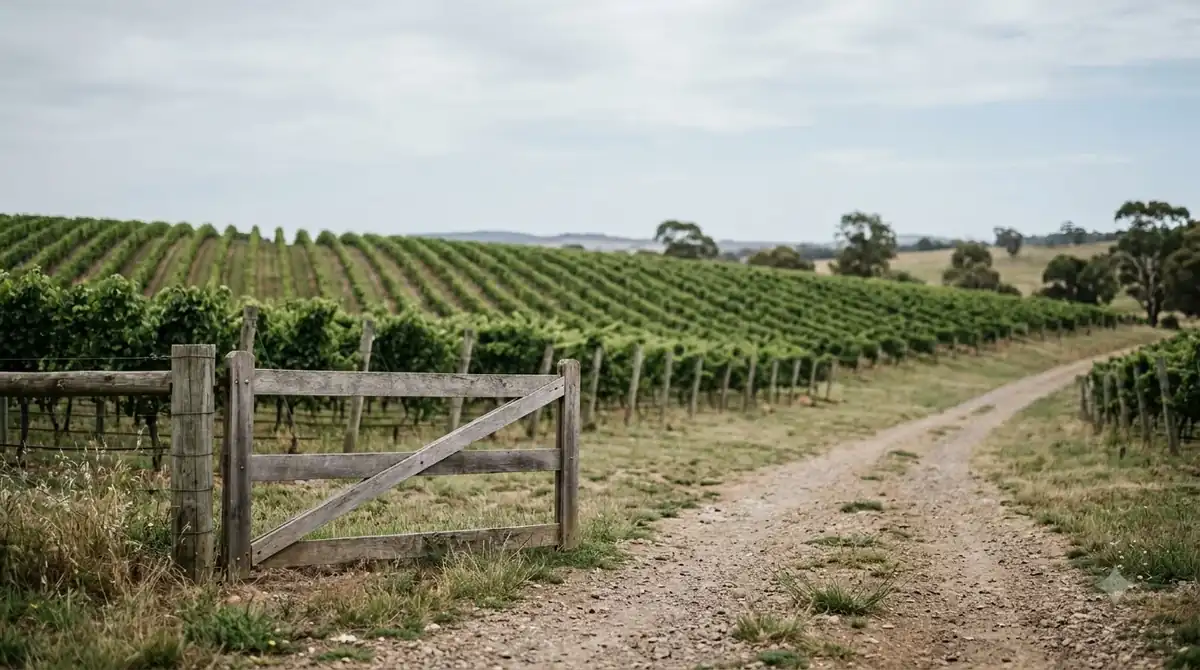
The listing describes it as 100% Riesling from the Columbia Valley American Viticultural Area in Washington State. That appellation covers 99% of the state’s total vineyard area. Warm days and cool nights help the grapes build both sugar and acidity.
What do halbtrocken and feinherb mean on German labels?
Halbtrocken signals an off-dry or slightly sweet wine, and one German wine guide puts it at 12 to 15 grams per liter of residual sugar or less. Feinherb is generally described as off-dry, so it signals a touch of sweetness rather than a dessert style. Neither term is used the same way by every producer, so pair it with the ABV when you can.
Alcohol content is one of the few label numbers that connects directly to how a Riesling tastes, so it rewards a closer look. Start with the ABV, then confirm with sugar levels and style wording when they are available. That two-step habit makes choosing a Pacific Rim bottle faster and more predictable at the shop and at the table.
More in Wine Brands
 Louis Latour Wine Price: Compare Bottles by Style and TierUpdated Nov 20, 2026
 Yellow Tail Moscato Price: What to Expect Before You BuyUpdated Nov 20, 2026
 Sutter Home Sweet Red Review: Find the Right Food PairingsUpdated Nov 20, 2026
 Franzia Chillable Red Review: Find the Right Serving StyleUpdated Nov 20, 2026
 Veuve Clicquot Rose Review: Flavor, Food Pairings and Buying AdviceUpdated Nov 20, 2026
 Rombauer Wine Price: Compare Bottles Before You BuyUpdated Nov 20, 2026