

We may earn a commission when you buy through links on this page, at no extra cost to you. Learn more.
Dr loosen riesling alcohol content is typically 8.5% ABV for the Dr. L Riesling, making it a lighter-alcohol German white wine. The 2024 producer technical sheet confirms this percentage and lists 41.5 grams per liter of residual sweetness. Other Dr. Loosen bottlings vary, with examples ranging from 7.5% ABV for Eiswein to 8% for several Kabinett and Spätlese wines. The alcohol percentage depends on the particular wine, style, and vintage.
Dr. Loosen is associated with the Mosel wine region of Germany, where Riesling benefits from a cool climate, steep vineyards, and slate-rich soils. Its wines demonstrate how a white wine can combine relatively low alcohol with concentrated fruit flavors and refreshing acidity. Understanding the differences between individual bottles makes it easier to choose a Riesling that suits your preferred sweetness, strength, and food pairings.
Dr. L Riesling Alcohol Percentage and Typical Bottle Strength
The standard Dr. L Riesling contains 8.5% alcohol by volume, according to the producer’s technical information for the 2024 vintage. That puts it below many familiar American and European still wines, which commonly contain approximately 11% to 14% ABV.
The percentage represents the proportion of the wine’s volume that consists of pure alcohol. It is not a measurement of sweetness, calories, or the amount of wine in the bottle. A bottle marked 8.5% ABV contains 8.5% alcohol by volume regardless of whether the wine tastes fruity, tart, or sweet.
Wine Enthusiast independently lists the 2022 Dr. Loosen Dr. L Riesling at 8.5% ABV in a standard 750 ml bottle. Its listing for the 2021 vintage also records 8.5%, showing consistency across those two reviewed releases. These figures provide useful reference points, although different Dr. Loosen wines should not automatically be assigned the same percentage.
The 2024 producer information gives additional details that help explain the wine’s style. It records 41.5 grams per liter of residual sweetness and 9.3 grams per liter of total acidity. These measurements describe a wine with noticeable remaining grape sugar balanced by substantial acidity.
For comparison, consider the following figures from documented Dr. Loosen bottlings:
| Dr. Loosen wine | Vintage or release | Alcohol by volume |
|---|---|---|
| Dr. L Riesling | 2024 | 8.5% |
| Dr. L Riesling | 2022 | 8.5% |
| Ürziger Würzgarten Kabinett | 2023 | 8% |
| Ürziger Würzgarten Spätlese | 2021 | 8% |
| Estate Eiswein | 2021 | 7.5% |
| Dr. L Alcohol Removed Riesling | Non-vintage | 0.5% |
The figures show why identifying the exact bottle matters. Even within one producer’s Riesling range, alcohol can differ by more than one percentage point. The regular Dr. L Riesling is a useful starting point for shoppers seeking a lighter white wine, while the specialty bottlings offer different combinations of sweetness, concentration, and alcohol.
Why Mosel Riesling Has Relatively Low Alcohol
The Mosel region’s cool climate and long growing season help explain why many local Rieslings have moderate alcohol levels. The region’s steep vineyard slopes, particularly those facing south, receive valuable sunlight while slate soils absorb and reflect warmth.
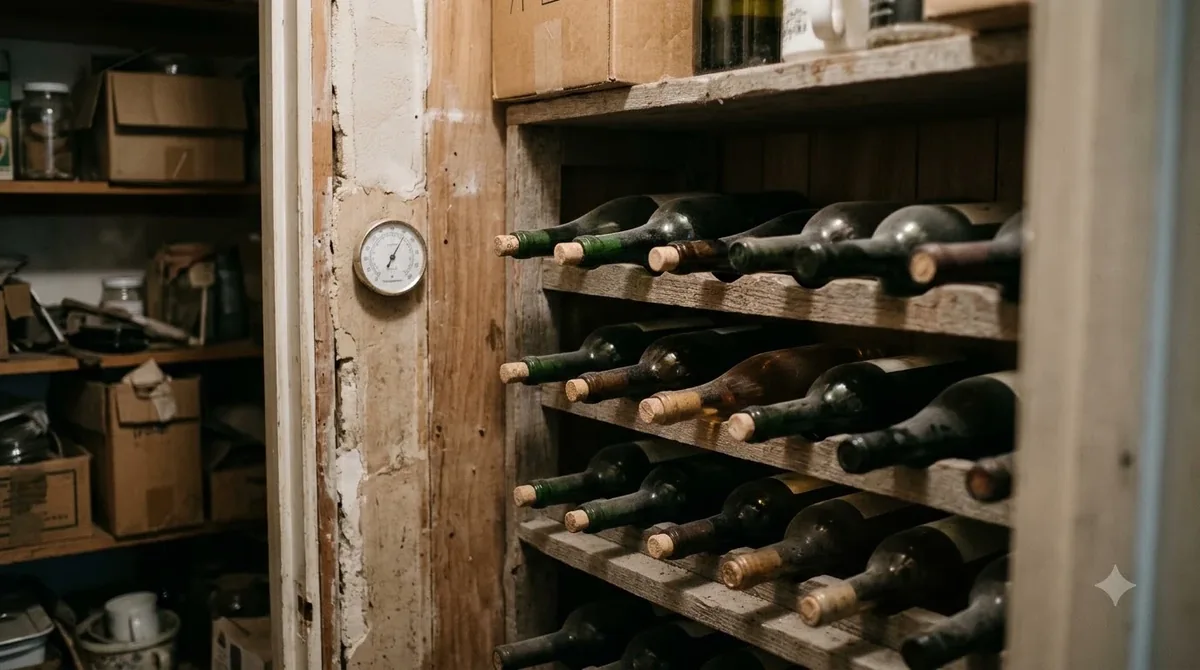
These conditions allow Riesling grapes to develop flavor and natural acidity without necessarily reaching the high sugar concentrations associated with warmer wine regions. The result can be a wine with fresh citrus, apple, peach, and floral characteristics rather than a heavy, high-alcohol profile.
According to Decanter’s German Riesling guide, the Mosel’s steep, south-facing slopes and shale-covered vineyards contribute to the distinctive character of its wines. The region’s cool growing conditions are particularly suitable for Riesling, a grape that can retain its acidity as it ripens.
Alcohol production also depends on what happens after harvesting. Yeast consumes fermentable grape sugar and converts it into alcohol and carbon dioxide. When fermentation continues until most fermentable sugar has been consumed, the resulting wine can have higher alcohol and taste dry.
However, a winemaker can stop fermentation before all the sugar has been converted. More sugar remains in the finished wine, while the alcohol percentage stays comparatively low. This is one of the important techniques behind the lighter, fruit-forward style associated with many traditional Mosel Rieslings.
WSET explains this relationship through a useful comparison: a Riesling fermented fully from ripe grapes might reach approximately 13% ABV, whereas interrupting fermentation could produce a wine around 8% ABV with considerable residual sweetness. The figures are illustrative rather than fixed targets for every bottle. Its explanation of German Riesling fermentation and sweetness provides additional background on this relationship.
Dr. Loosen’s 2024 Dr. L Riesling reflects this approach to balancing alcohol, sugar, and acidity. Its technical sheet records stainless-steel fermentation, 8.5% ABV, and 9.3 grams per liter of total acidity. The producer also describes the wine as bright, fruit-forward, and refreshing.
This combination helps explain why a lower-alcohol Riesling does not necessarily taste thin or lacking in flavor. Remaining sugar can contribute body and fruitiness, while acidity keeps the finish lively.
Does Lower Alcohol Mean Dr. Loosen Riesling Is Sweet?
Dr. Loosen Dr. L Riesling is generally an off-dry to medium-sweet style rather than a fully dry white wine. Its 8.5% ABV and the producer’s reported 41.5 grams per liter of residual sweetness for the 2024 vintage support that description.
Alcohol provides a useful clue about sweetness, but it is not a definitive test. The reason is straightforward: when fermentation stops early, some grape sugar remains in the wine instead of becoming alcohol. A relatively low ABV can therefore accompany noticeable sweetness.
There is an important distinction between perceived sweetness and measured residual sugar. Residual sugar describes the amount of sugar remaining in the finished wine, generally expressed in grams per liter. Perceived sweetness describes how the wine tastes when acidity, fruit character, alcohol, and texture interact.
Dr. L Riesling illustrates this relationship particularly well. Its 9.3 grams per liter of total acidity provides freshness that balances the 41.5 grams per liter of residual sweetness listed in the 2024 producer information. The wine can therefore taste lively and refreshing rather than simply sugary.
How acidity changes the impression of sweetness
Riesling naturally maintains high acidity, which is one reason it can work in both dry and sweet styles. A sweeter Riesling with bright acidity may feel more balanced than a similarly sweet wine with softer acidity.
For example, green apple, lemon, and peach flavors can create a fresh impression even when a wine contains noticeable residual sugar. The acidity provides a crisp counterpoint to the fruit sweetness.
WSET explains that Riesling retains its high acidity in both dry and sweet wines. This makes the grape particularly versatile for producers seeking a balance between sweetness and freshness.
How to recognize a dry German Riesling
German labels often include words that communicate the wine’s sweetness. The term trocken means dry, while halbtrocken generally indicates a half-dry or off-dry style. The term feinherb is commonly used for wines with a gently off-dry character.
Alcohol percentage can support this information. German Rieslings above approximately 11.5% ABV typically taste dry, while lower percentages often indicate some remaining sweetness. This is a general guide, not an absolute rule.
For a shopper comparing two bottles, the combination of alcohol percentage, sweetness terminology, and producer information provides a more reliable picture than any one measurement alone.
Tip: If you prefer a dry Riesling, look for the word trocken before choosing a bottle based only on its alcohol percentage. If you enjoy gentle sweetness and a lighter style, Dr. L Riesling at 8.5% ABV is a useful example to consider.
Dr. Loosen Kabinett, Spätlese, and Eiswein Alcohol Differences
Dr. Loosen produces several Riesling styles with different alcohol strengths and sweetness profiles. Kabinett, Spätlese, and Eiswein are particularly useful comparisons because they demonstrate how grape ripeness, harvest conditions, and fermentation decisions influence the finished wine.
Wine Enthusiast lists the 2023 Dr. Loosen Ürziger Würzgarten Kabinett at 8% ABV. Its review describes high acidity, crisp apple and quince flavors, and a touch of sweetness. This makes it a useful reference for understanding the lighter style of Mosel Kabinett.
The 2021 Ürziger Würzgarten Spätlese from Dr. Loosen is also listed at 8% ABV by Wine Enthusiast. Its tasting description highlights nectarine, mango, and lime, with acidity providing structure and freshness.
The matching alcohol figures do not mean these wines are identical. Spätlese grapes are harvested later than Kabinett grapes and generally have greater ripeness. This can produce more concentrated fruit character and a fuller impression, even when the finished wines share the same ABV.
Understanding the German Prädikat terms
Kabinett, Spätlese, and Auslese describe grape ripeness at harvest rather than a guaranteed level of sweetness in the bottle. This distinction is important because producers can ferment wines made from these grapes to different degrees.
A Kabinett can be dry, off-dry, or sweeter. Spätlese can also be made in dry or sweet styles. The word trocken alongside a Prädikat classification indicates that the wine is dry.
Auslese generally uses carefully selected ripe grapes and often produces wines with greater sweetness and concentration. Beerenauslese, Trockenbeerenauslese, and Eiswein are associated with particularly concentrated sweet styles.
Why Eiswein has a different alcohol percentage
Dr. Loosen’s 2021 Estate Eiswein is listed at 7.5% ABV by Wine Enthusiast. Eiswein is made from grapes harvested and pressed while frozen under suitable winter conditions. Freezing concentrates the grape sugars and other components because much of the water remains frozen during pressing.
Fermentation of these concentrated juices produces wines with substantial sweetness and relatively low alcohol. Their intense fruit character and pronounced acidity make them quite different from an everyday Dr. L Riesling.
For shoppers comparing these styles, the key distinction is that alcohol alone does not describe the entire wine. A 7.5% Eiswein can be much sweeter and more concentrated than an 8.5% Dr. L Riesling, despite the relatively small difference in alcohol percentage.
Dr. L Riesling Compared With Dr. Lo Alcohol Removed Riesling
Dr. L Riesling and Dr. Lo Alcohol Removed Riesling are different products designed for different preferences. The regular Dr. L bottling contains 8.5% ABV, while Wine Enthusiast lists the non-vintage Dr. Lo Alcohol Removed Riesling at 0.5% ABV.
The difference is substantial. At 8.5% ABV, Dr. L is a conventional alcoholic wine. At 0.5% ABV, the alcohol-removed version contains only a small residual amount of alcohol, making it a distinct alternative for shoppers looking for a much lower-alcohol option.
It is important not to confuse alcohol-removed wine with a product that is guaranteed to contain absolutely no alcohol. The 0.5% figure indicates that some alcohol remains.
Comparing the two styles
The regular Dr. L Riesling follows the familiar Mosel pattern of fruit, acidity, and remaining sweetness. Its alcohol level contributes to its relatively light body, while its acidity keeps the wine fresh.
The alcohol-removed alternative is made for people who want a Riesling-style drink with substantially less alcohol. However, removing alcohol can change the way a wine feels and expresses its fruit, so it should not automatically be expected to taste exactly like the original bottling.
Wine Enthusiast’s listing confirms the 0.5% ABV figure for Dr. Lo Alcohol Removed Riesling. Its tasting note describes a recognizable Mosel Riesling profile while also mentioning a slight imbalance in the wine’s flavor.
When comparing these products, pay attention to the exact name on the bottle. The word alcohol removed is an important distinction, not simply another description of the regular Dr. L Riesling.
For readers comparing other lighter Riesling bottles, the Relax Riesling alcohol content provides another point of comparison. The Clean Slate Riesling alcohol content is also useful when considering how different German-style Rieslings approach alcohol and sweetness.
Serving Temperature, Food Pairings, and Pour Sizes
Dr. Loosen Dr. L Riesling is best served chilled, with approximately 45–50°F being a suitable temperature range for this lighter white wine. Chilling preserves its crisp acidity and makes its citrus, apple, and peach characteristics more refreshing.
Serving temperature also affects how sweetness and alcohol are perceived. A properly chilled Riesling generally feels fresher and more balanced than one served too warm. Avoid serving it so cold that its aromas become difficult to appreciate.
Food pairings for Dr. L Riesling
The combination of sweetness and acidity makes Dr. L Riesling a versatile partner for a variety of dishes. Its fruit character can complement moderately spicy food, while its acidity provides a refreshing contrast to richer ingredients.
Good pairing choices include Thai chicken with lime, Vietnamese spring rolls, lightly seasoned shrimp, and grilled pork with a citrus-based dressing. These dishes provide enough flavor to match the wine without overwhelming its relatively delicate structure.
For Asian food, the slight sweetness can be especially useful. Dishes containing ginger, aromatic herbs, and moderate chili heat can work well with Riesling. However, very hot chili sauces can make alcoholic and tannic wines feel more intense, so milder seasoning is often preferable.
Cheese is another practical option. Mild washed-rind cheeses, creamy goat cheese, and lightly salted soft cheeses can complement the wine’s acidity and fruit flavors. Strongly aged, very salty cheeses may overwhelm the more delicate peach and citrus notes.
Sweetness also matters when pairing Riesling with dessert. A wine should generally be at least as sweet as the dessert it accompanies. Fruit tarts with moderate sweetness or lightly sweetened peach desserts can work, provided the dessert does not overpower the wine.
How much wine is in a standard serving?
A typical wine serving in the United States is 5 ounces. A standard 750 ml bottle contains approximately 25.4 fluid ounces, providing around five standard servings.
At 8.5% ABV, a 5-ounce pour of Dr. L Riesling contains approximately 0.425 fluid ounces of pure alcohol. That is less alcohol than the same serving size of a 12% or 13% ABV wine.
The following comparison shows how the alcohol volume changes with different serving sizes:
| Serving size | Wine alcohol | Approximate pure alcohol |
|---|---|---|
| 3 oz | 8.5% ABV | 0.255 fl oz |
| 5 oz | 8.5% ABV | 0.425 fl oz |
| 6 oz | 8.5% ABV | 0.510 fl oz |
| 750 ml bottle | 8.5% ABV | Approximately 2.15 fl oz |
These calculations use the stated 8.5% ABV and approximate fluid-ounce conversions. They help explain why serving size matters when comparing wines with different alcohol percentages.
Storing an opened bottle
Once opened, Dr. L Riesling should be recorked or sealed and kept in the refrigerator. A reasonable general guideline for opened still white wine is three to five days, although its aroma and freshness can gradually decline.
For an unopened bottle, store the wine in a cool, dark place away from direct sunlight and large temperature changes. A consistent temperature near 55°F is suitable for longer-term wine storage. Bottles with traditional corks are generally stored on their sides to help prevent the cork from drying out.
For more information about the wine’s fruit profile, acidity, and overall character, see the Dr. Loosen Riesling tasting notes. Readers exploring additional producers and styles can also visit our Wine Brands section.
Frequently Asked Questions
Does Dr. Loosen Riesling contain gluten?
The producer identifies its 2024 Dr. L Riesling as gluten-free. Wine is generally made from fermented grapes rather than grain, although production practices and individual product declarations can differ. People with specific ingredient concerns should consult the producer’s product information.
Is Dr. Loosen Riesling made from 100% Riesling grapes?
Yes, the producer’s technical information for the 2021 Ürziger Würzgarten Kabinett identifies the wine as 100% Riesling. The 2024 Dr. L information identifies Riesling as its grape variety. This is the traditional grape associated with the Mosel region.
Does Dr. Loosen Riesling have a screw cap?
Closure type can vary between individual Dr. Loosen bottlings and releases. Some German Rieslings use screw caps, while others use traditional cork closures. The closure is a separate packaging decision and does not determine the wine’s alcohol percentage or sweetness.
What does Mosel mean on a Dr. Loosen wine label?
Mosel identifies the German wine-growing region where the wine originates. The region follows the Mosel River and includes well-known vineyard areas such as Bernkastel and Ürzig. Its steep vineyard terrain and slate soils are important features of its Riesling-growing environment.
Can Dr. Loosen Riesling be served in a sparkling wine glass?
Dr. L Riesling is a still wine, so a standard white wine glass is generally more suitable than a narrow Champagne flute. A glass with a moderately sized bowl gives its floral and fruit aromas room to develop. Sparkling Riesling Sekt is a separate category and can be served in a sparkling wine glass.
Dr. Loosen Dr. L Riesling offers a distinctive combination of 8.5% ABV, fruit-driven flavors, residual sweetness, and refreshing acidity. Its lighter alcohol level makes it an interesting alternative to fuller-bodied white wines, while the wider Dr. Loosen range includes Kabinett, Spätlese, Eiswein, and alcohol-removed options. Comparing the exact bottle and its technical details is the best way to find the style and sweetness you prefer.
More in Wine Brands
 Louis Latour Wine Price: Compare Bottles by Style and TierUpdated Nov 20, 2026
 Yellow Tail Moscato Price: What to Expect Before You BuyUpdated Nov 20, 2026
 Sutter Home Sweet Red Review: Find the Right Food PairingsUpdated Nov 20, 2026
 Franzia Chillable Red Review: Find the Right Serving StyleUpdated Nov 20, 2026
 Veuve Clicquot Rose Review: Flavor, Food Pairings and Buying AdviceUpdated Nov 20, 2026
 Rombauer Wine Price: Compare Bottles Before You BuyUpdated Nov 20, 2026