

We may earn a commission when you buy through links on this page, at no extra cost to you. Learn more.
Riesling alcohol content is usually under 10% ABV, although the exact figure depends on sweetness and style. Wine Folly’s riesling profile places the variety below that mark, which makes it one of the lighter white wines on most shelves. Ripeness at harvest, how far fermentation runs, and the winemaker’s choices all move the final number, so the label is the most reliable place to check a specific bottle.
This guide explains why riesling tends to sit lower in strength than many red wines, how sweetness shifts the number, and how to read a label so you can choose the level you want.
Why riesling is usually lower in alcohol
Alcohol in wine comes from sugar in the grape juice. Yeast turns that sugar into alcohol during fermentation, so the strength of a wine depends mainly on how much sugar the grapes carry at picking and how much of it the yeast converts. Riesling is a white grape that is often picked with high natural acidity, and many producers stop fermentation early or leave some sugar behind. Both choices keep the final alcohol lower.
Wine Folly describes riesling as light-bodied with high acidity and no tannins, and its taste profile lists the variety under 10% ABV. Treat that as a starting point rather than a promise, because one bottle can differ from another based on vintage, vineyard, and region.
Climate plays a role too. Cooler vineyards tend to ripen grapes more slowly, which often means lower sugar at harvest and, with it, a lower potential alcohol. Warmer regions produce riper fruit, so the same variety can end up with more sugar and more alcohol. Riesling’s acidity holds up well in both situations, which is why producers can make crisp, balanced wines across a range of strengths.
How sweetness changes the alcohol number
Riesling runs from bone-dry to very sweet, and sweetness is one of the best clues to strength. Wine that keeps more unfermented grape sugar generally has less alcohol and tastes sweeter. VinePair’s riesling guide notes that most rieslings made worldwide are dry or off-dry, and German labels signal the level with terms such as trocken for dry, halbtrocken for off-dry, and süss for sweet.
The sweetest styles, including the Prädikat categories Beerenauslese and Eiswein, rely on very ripe or frozen grapes and often stop fermentation early. That combination leaves a lot of sugar in the bottle and usually a lower alcohol figure than the grape’s ripeness alone would suggest. Sparkling rieslings follow their own production rules, so check the label on those too.
Riesling alcohol content by style
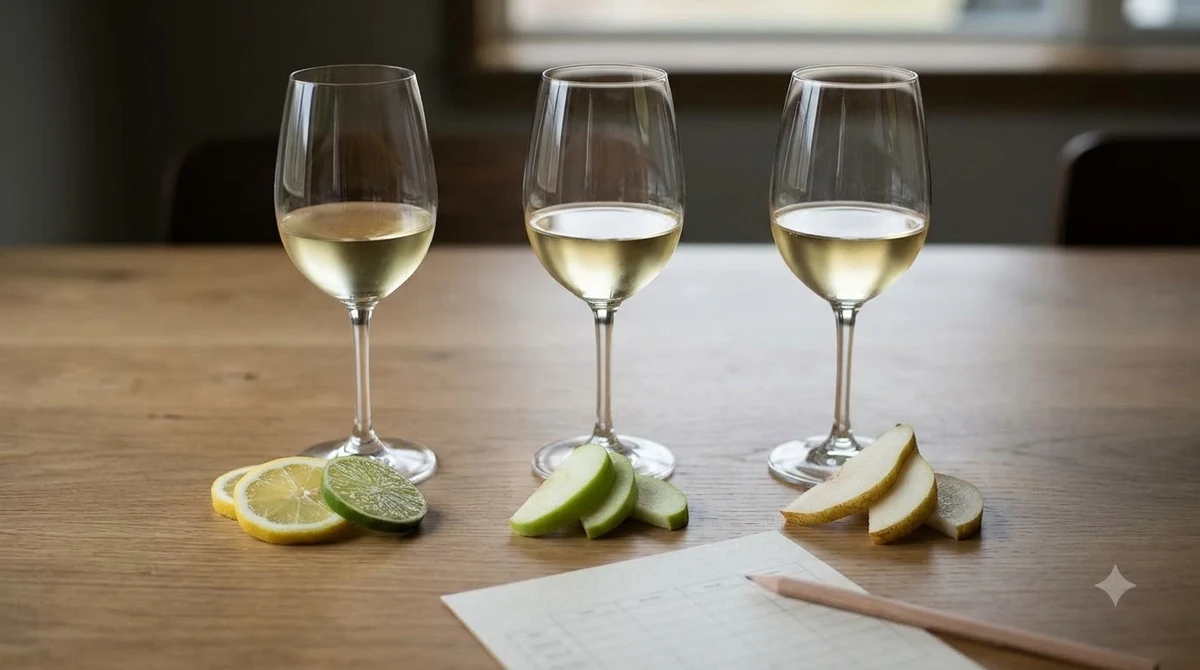
Style and strength tend to move together. Young riesling is fruity and floral, with apple, apricot, peach, and citrus notes, while older bottles can develop honey, beeswax, and a petrol-like aroma. The table below sums up how each common style relates to sweetness and the factors that set its strength.
| Riesling style | Sweetness | What sets the strength |
|---|---|---|
| Dry or bone-dry | Little residual sugar | Mostly ripeness at picking and a full fermentation |
| Off-dry (halbtrocken) | Some sugar balanced by acidity | Fermentation stopped a little early, so strength is usually a bit lower |
| Sweet (süss) | Clearly sweet | Ripe grapes with sugar left in the wine |
| Dessert (Beerenauslese, Eiswein) | Very sweet | Late-harvest or frozen grapes with fermentation stopped early |
Because the table describes a general pattern, the label remains the best check. A dry bottle from a cool region can sit at a different figure than a dry bottle from a warm one, so compare the number on the back label rather than relying only on the style name.
How to read a riesling label for strength
Most bottles list alcohol by volume on the front or back label, and that figure answers the riesling alcohol content question for that exact wine. German labels add the Prädikat level and a sweetness term, which helps you estimate strength when the ABV is hard to find. Australian bottles often name the region, such as the Clare Valley or Eden Valley, which VinePair associates with lime, lemon, and grapefruit flavors. Region tells you about ripeness and acidity, and both feed into the final alcohol number.
When you are comparing two bottles, look at sweetness first and ABV second. A sweet riesling with a lower number and a dry riesling with a higher number can both be correct for their style, and neither one is a mistake.
Common mistakes when comparing riesling strength
The most common mistake is judging strength by the grape alone. Riesling is a single variety, but the bottles on the shelf can differ widely in sweetness, ripeness, and style. Comparing a bone-dry German riesling with a sweet dessert bottle and assuming the difference comes from the grape is misleading, because the production choices account for most of the gap.
Another mistake is relying on memory for a specific bottle. Labels change between vintages and producers, and a number you remember from a different wine may not match the one in front of you. Reading the ABV on the current label avoids that problem.
A third mistake is treating sweetness and alcohol as the same thing. A sweet wine can still have a fairly high alcohol figure if the producer let fermentation run far, and a dry wine can sit lower than expected if the grapes were picked early. Use both numbers together rather than one as a stand-in for the other.
Serving riesling at the right temperature
Wine Folly gives a handling temperature of 38–45°F (3–7°C) for riesling, which is cooler than most red wines and close to what many people use for white wine in the refrigerator. Serving it cold helps the acidity stay crisp, which keeps a lower-alcohol wine feeling fresh rather than flat.
Food pairing is another reason many drinkers choose riesling. VinePair says it pairs with nearly all foods and suits spicy cuisine, such as Thai salads or Indian dishes, where a little residual sugar softens the heat. If you are comparing strengths across other drinks, the port alcohol content guide explains how fortified wines differ from table wines, and the rice wine alcohol content page covers a lighter option used in cooking.
Frequently Asked Questions
Is riesling a high-alcohol wine?
Usually not. Wine Folly’s profile places riesling under 10% ABV, which is lower than many red wines. Strength still varies from bottle to bottle, so check the label of the specific wine you plan to buy.
Does sweet riesling have less alcohol than dry riesling?
Often, yes. A producer who stops fermentation early keeps sugar in the wine, which leaves less alcohol than a fully dry wine made from similarly ripe grapes. The exception is any bottle whose label says otherwise, so the printed ABV is the final word.
Where is the alcohol content printed on a riesling bottle?
Look for “alc. by vol.” or “ABV” on the front or back label. That figure is the number to compare between bottles, and it is more useful than a general style guess.
Is riesling a good choice if I want a lighter wine?
It can be a good choice because its acidity keeps the wine fresh and it suits many foods. Compare the ABV on two or three labels to find the level you like, and drink responsibly.
For a wider view of how white and red varieties differ, browse Wine by Type. Checking the label, the sweetness term, and the region together gives you a much clearer answer than any single rule of thumb.
More in Wine Types & Grapes
 Zinfandel Sugar Content: Dry Red vs. White Zinfandel GramsUpdated Nov 21, 2026
 Best Zinfandel Substitute Options for Sipping and CookingUpdated Nov 21, 2026
 Zweigelt Food Pairing: Best Dishes, Cheeses, and Serving TipsUpdated Nov 21, 2026
 Zinfandel Tannins Explained: How Structure Shapes Every BottleUpdated Nov 21, 2026
 Zinfandel Sweetness Level: Dry Red vs. Sweet White Zin ExplainedUpdated Nov 21, 2026
 Xinomavro Food Pairing: Best Dishes, Styles, and Serving TipsUpdated Nov 21, 2026