

We may earn a commission when you buy through links on this page, at no extra cost to you. Learn more.
Is riesling sweet or dry? It can be either, because the grape produces wines across the full sweetness range. The label and the producer’s chosen style tell you where a particular bottle falls. Learning a handful of German and US label terms makes it much easier to pick the style you want.
This guide explains where riesling’s sweetness comes from, why some dry bottles still taste fruity, and how to decode the terms you will see on shelves. It is written for American shoppers who want a clear answer before they buy.
What Makes Riesling Sweet or Dry?
Riesling’s sweetness depends mostly on residual sugar, which is the grape sugar left in the wine after fermentation. Winemakers decide how far fermentation goes, and that choice largely sets the style. A bone-dry riesling keeps very little leftover sugar, while a dessert riesling keeps a great deal.
Acidity matters just as much. Riesling is naturally high in acid, and that acid makes a wine taste crisper and drier than its sugar level alone would suggest. Wine Folly notes that high-acidity wines like riesling taste drier than lower-acid wines with the same sweetness. That is why two rieslings with similar sugar can feel very different in the glass.
Climate and vineyard site also shape ripeness and balance. Germany has long been the world’s leading riesling producer, and its cool-climate vineyards produce everything from lean, dry wines to lusciously sweet ones. Both styles come from the same grape, so the label often tells you more than the variety name does.
How to Read Riesling Labels for Sweetness
German labels use a set of sweetness words that signal how the wine will taste. These words are more useful than the grape name when you are choosing a bottle. Learn the sweetness terms first, then check the ripeness and quality terms.

Start with Trocken, which means dry. Trocken wines carry about 9 grams of residual sugar per liter or less, according to the Wine Folly guide to German riesling labels. Halbtrocken means half-dry. Sources give different upper limits for it, so treat it as slightly sweet and not fully dry.
| Label term | What it signals | Approximate residual sugar |
|---|---|---|
| Trocken or Selection | Dry | About 9 g/l or less |
| Halbtrocken or Classic | Half-dry, slightly sweet | Up to about 12 to 18 g/l, depending on the source |
| Feinherb | Unofficial off-dry term | Similar to Halbtrocken |
| Liebliche | Sweet | Up to 45 g/l |
| Süß | Sweet | More than 45 g/l |
Feinherb is an informal term you may see on US shelves, and it sits close to Halbtrocken. Liebliche and Süß signal clearly sweet wines. Check the producer’s technical sheet if you need exact figures, because not every bottle lists them.
Tip: Look for Trocken on the label when you want a dry bottle. If the label says nothing about sweetness, check the importer’s website or ask the shop staff.
German Riesling Terms Explained
Ripeness terms such as Kabinett, Spätlese and Auslese describe how ripe the grapes were at harvest. These terms often hint at sweetness, but they are not the same as the dry-to-sweet scale. Read them together with the sweetness words in the table above.
Kabinett is the lightest of the ripeness styles. It can be dry or off-dry depending on the producer, so it suits drinkers who want a gentle introduction. Spätlese means late harvest. The grapes hang longer on the vine, so the wine is usually richer and sweeter than Kabinett, although a Trocken Spätlese is a dry style with more alcohol.
Auslese means select harvest, and the grapes are chosen by hand, often with noble rot. These wines are sweeter and more concentrated. Beerenauslese and Trockenbeerenauslese are rarer dessert styles made from shriveled, raisin-like grapes. Eiswein is made from grapes frozen on the vine and pressed while frozen, and it is one of the sweetest riesling styles you can buy.
Dry vs. Off-Dry Riesling Styles
Dry riesling tastes crisp, citrusy and mineral, while off-dry riesling has a touch of sweetness that acidity keeps in balance. Both are common on US shelves, and many drinkers move between them depending on the meal.
Wine Folly describes dry wines as having no residual sugar up to about 1 gram per 5-ounce serving. Off-dry wines carry roughly 2 to 3 grams per 5-ounce pour. The difference sounds small, but riesling’s acidity makes that extra sugar easy to notice on the palate. For the full set of sweetness and body terms, read Wine Folly’s wine tasting terms guide.
Very dry riesling can taste sharp or even bitter on the finish, with a grapefruit-pith quality that some drinkers enjoy. Off-dry riesling is often softer and more approachable, which is why many beginners start there. If you also compare white styles, see is chardonnay sweet or dry for a similar breakdown.
Best Food Pairings for Sweet and Dry Riesling
Dry riesling pairs well with seafood, fresh salads and herb-driven dishes, while sweeter styles suit spicy or savory food and fruit desserts. A simple rule is that the wine should be at least as sweet as the dish, or the wine will taste thin.
Dry riesling works with shellfish, grilled white fish, and goat cheese. Its acidity cuts through oil and lemon, so it also complements fried appetizers. Off-dry styles handle pork, ham and spicy Asian dishes, where a little sugar tames the heat. Sweeter bottles match blue cheese, baked fruit tarts, and peach desserts.
For beginners, look for a Kabinett or a Trocken label and ask the shop staff to recommend a bottle in your price range. Germany’s Rheingau and Mosel regions produce a large share of the country’s riesling, so they are good places to start looking. Enjoy any style in moderation, and pair it with food.
How to Store and Serve Riesling
Serve riesling chilled, but not ice cold, and store unopened bottles in a cool, dark place. Very cold serving temperatures can mute the aromas that make riesling appealing. A white wine glass with room to swirl helps you notice the difference between dry and sweet styles.
Keep bottles away from heat, strong light and constant vibration. Most dry and off-dry rieslings are meant to be enjoyed young, while some sweet, high-acid bottles can age well for years. Check the producer’s notes or the importer’s site if you are holding a bottle for a long time.
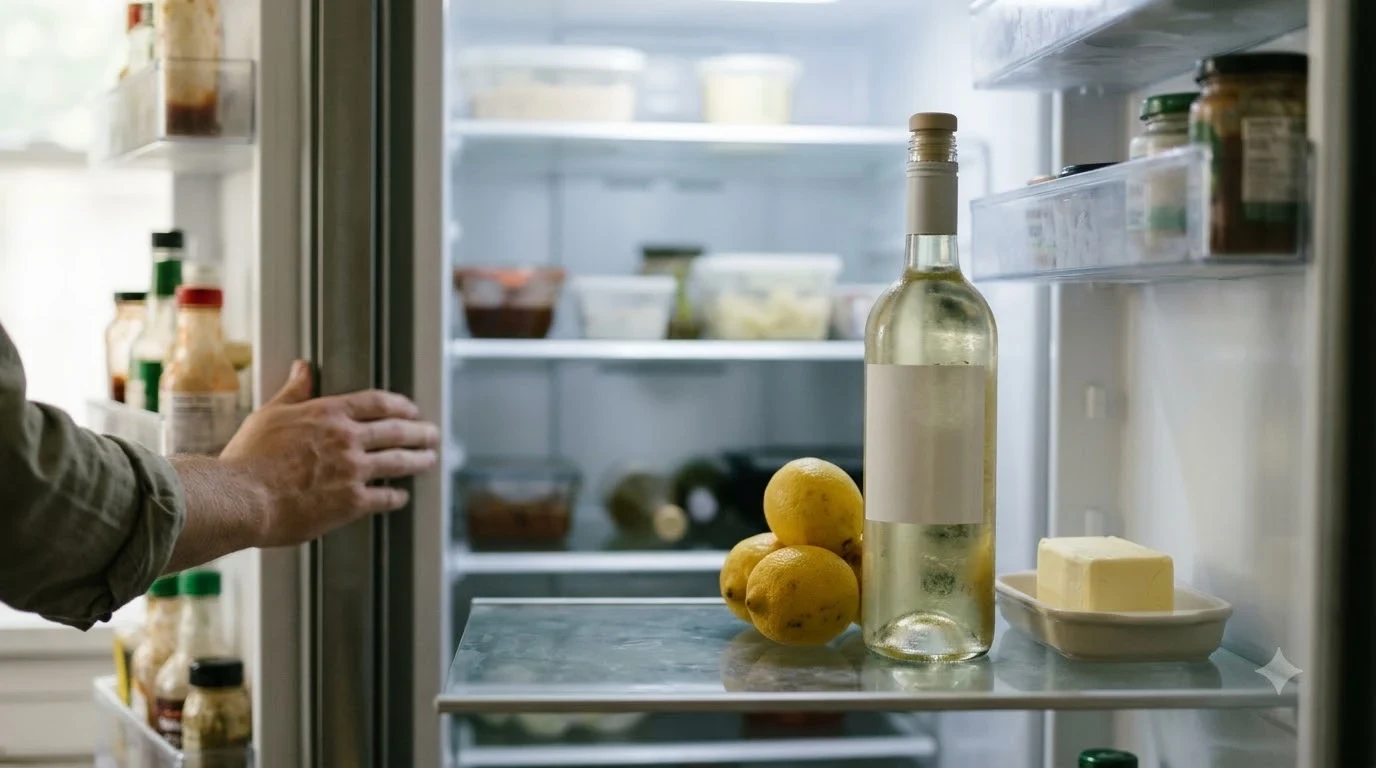
Once opened, recork the bottle and refrigerate it. Drink it within a few days, since the fresh, bright character fades over time. Riesling tastes best when you match its style to the moment, whether that is a light lunch or a sweet dessert.
Frequently Asked Questions
Is riesling usually sweet?
Not always. Riesling is made in styles from bone-dry to very sweet, so the grape alone does not tell you the sweetness. Check the label for words like Trocken, Halbtrocken or Süß to learn what you are getting.
What does Trocken mean on a riesling label?
Trocken means dry. According to Wine Folly’s guide to German labels, a Trocken wine has about 9 grams of residual sugar per liter or less. It is the clearest signal that a German riesling will taste dry.
Why does a dry riesling taste fruity?
Riesling’s high acidity makes wines taste crisp and sometimes fruity even when the sugar is low. Fruit flavors such as citrus and stone fruit can seem sweet without adding real sugar. This is why dry and off-dry styles can taste similar at first.
Which riesling is best for a beginner?
Many beginners start with an off-dry or Kabinett-style riesling because the balance feels approachable. Ask a shop staff member for a bottle labeled with a sweetness term you recognize. Once you know your preference, you can explore drier or sweeter styles.
Riesling can be sweet or dry, so the best approach is to read the sweetness and ripeness terms before you buy. Start with the table above, then compare a Trocken and an off-dry bottle side by side. To explore more grape styles, browse Wine by Type for guides on other wines.
More in Wine Types & Grapes
 Zinfandel Sugar Content: Dry Red vs. White Zinfandel GramsUpdated Nov 21, 2026
 Best Zinfandel Substitute Options for Sipping and CookingUpdated Nov 21, 2026
 Zweigelt Food Pairing: Best Dishes, Cheeses, and Serving TipsUpdated Nov 21, 2026
 Zinfandel Tannins Explained: How Structure Shapes Every BottleUpdated Nov 21, 2026
 Zinfandel Sweetness Level: Dry Red vs. Sweet White Zin ExplainedUpdated Nov 21, 2026
 Xinomavro Food Pairing: Best Dishes, Styles, and Serving TipsUpdated Nov 21, 2026