

We may earn a commission when you buy through links on this page, at no extra cost to you. Learn more.
Is chardonnay sweet or dry? Most chardonnay is dry, meaning nearly all of the grape sugar has been fermented into alcohol. Sweet chardonnays exist, but they are rare and usually labeled as late harvest or dessert wines. Many bottles still taste rich or fruity, which can make them seem sweeter than they are.
This guide explains what dryness means in wine, why chardonnay is usually made in a dry style, and how oak and winemaking choices change the flavor. It also shows you how to judge a bottle before you buy it.
What Does Dry Mean in Wine?
A dry wine has very little leftover sugar after fermentation. During fermentation, yeast converts the sugars in grape juice into alcohol. When the yeast has consumed nearly all of that sugar, the wine is dry. Any sugar that remains is called residual sugar.
Winemakers measure residual sugar in grams per liter. According to one winemaker writing for Bruliam Wines, a wine below about 2 grams per liter of glucose and fructose counts as dry in their lab-based definition. Other wine references use a looser cutoff of less than 10 grams per liter for a dry wine. Either way, the word describes a measurable amount, not a feeling on the tongue.
Why Chardonnay Is Usually Dry
Chardonnay is usually fermented to dryness, so most bottles on a shelf have little residual sugar. The grape itself is not naturally sweet in the finished wine. Winemakers normally let the yeast finish the job, which leaves a stable wine that is less likely to spoil in the bottle.
The grape’s reputation also helps explain the confusion. Chardonnay grows in many regions, and it ranges from light and crisp to rich and buttery. Some of the most famous examples come from Burgundy, including Chablis, which is made from 100 percent chardonnay and is known as one of the driest white wines. Brut Champagne, which often includes chardonnay, is also dry.
The exception is a late harvest or dessert style. These wines are picked late or made in a way that keeps more sugar in the bottle. If the label does not mention late harvest, dessert, or a sweet style, the bottle is almost certainly dry.
How Oak and Malolactic Fermentation Change the Taste
Oak and malolactic fermentation change how chardonnay tastes far more than they change its sugar level. Both can make a dry wine seem sweet, creamy, or dessert-like. Understanding them helps you separate real sweetness from aroma and texture.
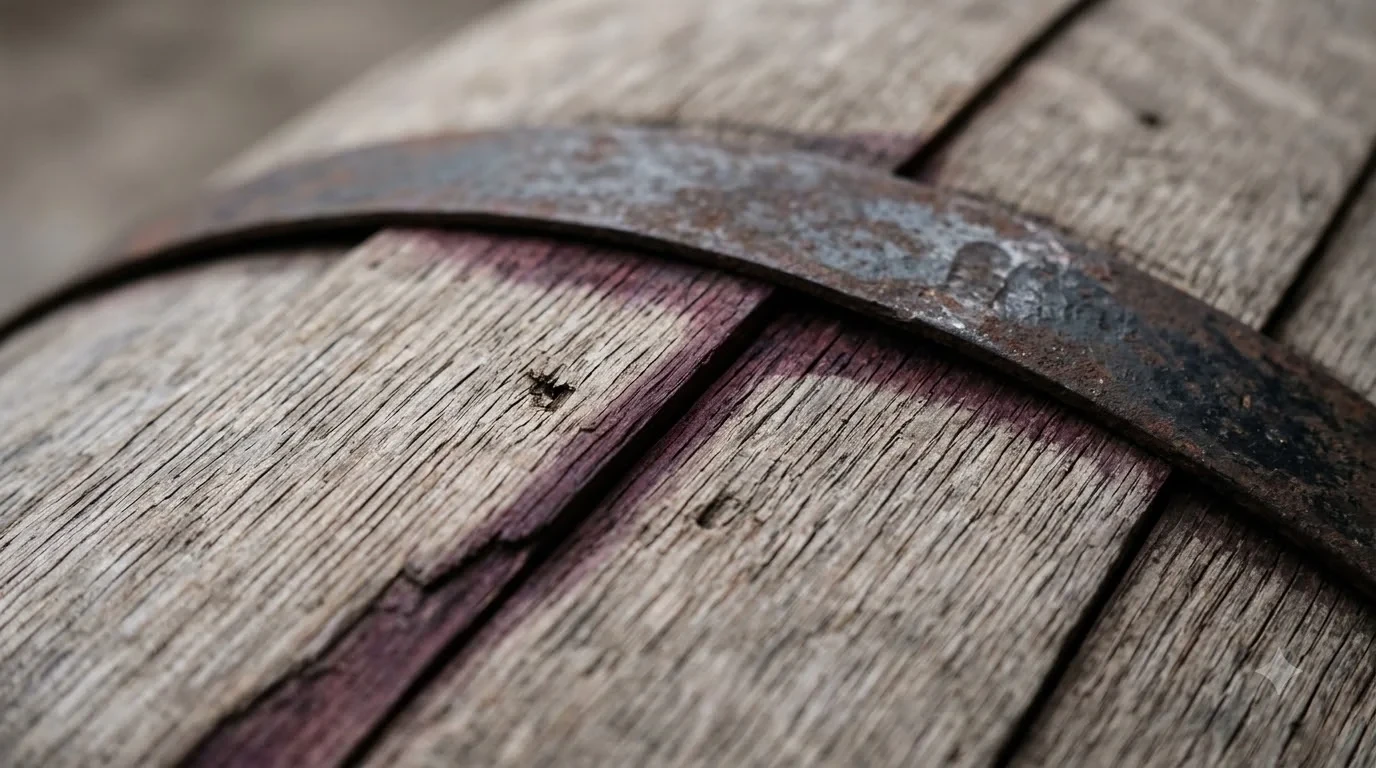
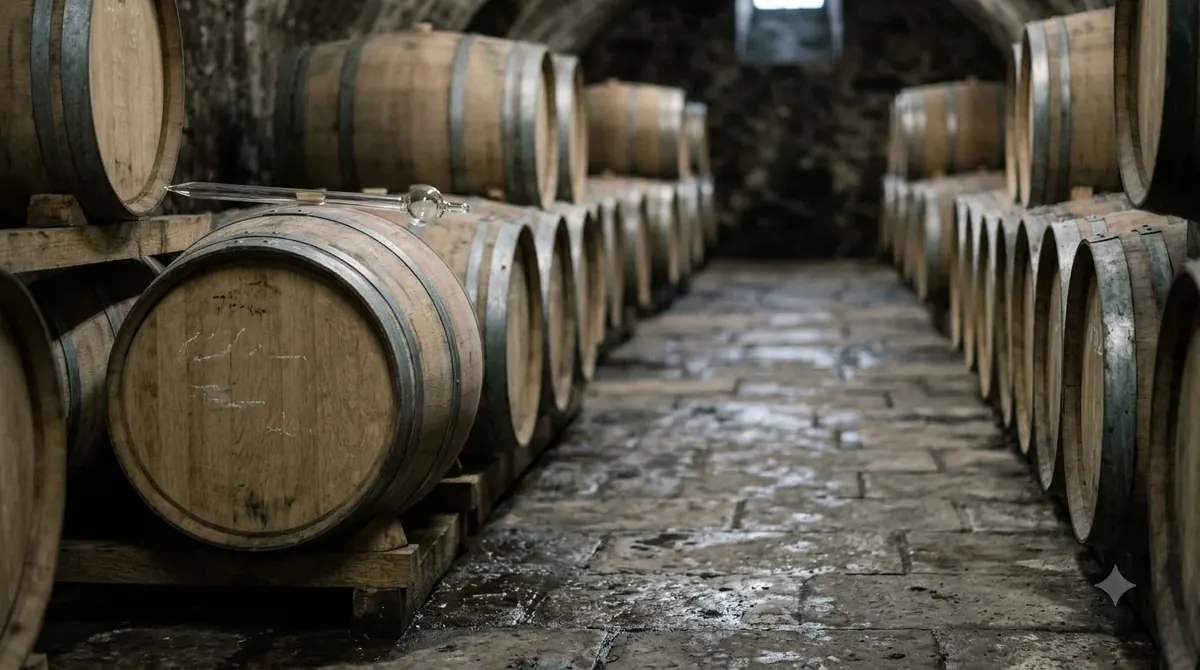
Oak barrels add notes of vanilla, coconut, toast, and baking spice. Malolactic fermentation is a second fermentation in which bacteria convert sharp malic acid into softer lactic acid. This process often creates a buttery mouthfeel. Halleck Vineyard notes that oaked chardonnay can taste warmer and creamier, and that many people who think chardonnay is sweet have only tried heavily oaked versions.
Unoaked chardonnay tends to taste leaner and more acidic. Stainless steel tanks do not add the same vanilla or butter notes, and they usually keep the wine brighter. If you enjoy crisp, citrusy whites, look for unoaked or lightly oaked bottles. If you prefer a softer, creamier glass, a barrel-aged style may suit you better.
Sweetness Levels in Chardonnay Styles
Most chardonnay falls in the dry category, and the style changes how dry it feels. The table below groups common chardonnay styles by what you are likely to taste. It does not mean every bottle matches its row exactly, because winemaking varies widely.
| Style | Typical sugar level | What you may taste |
|---|---|---|
| Unoaked, cool climate | Dry | Lime, green apple, sharp acidity |
| Lightly oaked, Burgundy inspired | Dry | Pear, citrus, hazelnut, mineral notes |
| Heavily oaked, warm climate | Dry, but may seem sweet | Butter, vanilla, pineapple, coconut |
| Sparkling chardonnay (Brut) | Dry | Crisp, toasty, fine bubbles |
| Late harvest | Sweet | Honey, tropical fruit, rich body |
Fruitiness and alcohol can also make a dry chardonnay taste sweeter. Peach, mango, and ripe pineapple aromas suggest sweetness to many drinkers. Higher alcohol can add a rounder, warmer feel. These are sensory effects, so a bottle can taste sweet without containing much residual sugar.
Common Chardonnay Styles From Cool and Warm Regions
Where the grapes grow affects how the wine tastes. Cool-climate chardonnay usually has higher acidity, lighter body, and citrus or orchard fruit. Warm-climate chardonnay often has more alcohol, lower acidity, and bolder tropical fruit. The warm style is the one more likely to taste sweet even when it is dry.
Halleck Vineyard lists cool-climate regions such as Burgundy, Champagne, the Sonoma Coast, the Willamette Valley, and New Zealand as common homes for leaner styles. It also names warmer areas such as South Africa, South Australia, and parts of California for fuller, fruit-forward bottles. Use these examples as a starting point, then taste to see what you enjoy.
Harvest timing matters too. Grapes picked later develop more sugar and less acidity. Winemaker Bruliam Wines explains that late harvest chardonnay tastes less acidic and more tropical, so it reads as sweet even with modest residual sugar. An early-harvest chardonnay tends to taste more tart and dry.
How to Tell If a Chardonnay Is Sweet or Dry on the Label
The label gives you the fastest clues about sweetness. Look for words such as dry, late harvest, dessert, or sweet. Chardonnay labeled as a late harvest or dessert wine is the main category you should expect to be sweet. If the label says nothing about sweetness, the bottle is usually dry.
Some chardonnays list residual sugar or a sweetness scale on the back label or the producer’s technical sheet. If that information is not on the label, check the producer’s website or ask the retailer for the technical data. Many producers publish these details for their wines. For a winemaker’s plain-language take on the question, read the Bruliam Wines chardonnay Q&A, which explains how residual sugar is measured in the lab.
Your own preference matters too. Think about whether you like crisp, lean whites or creamy, oaked styles. An oaked bottle may taste sweet, but a dry label still means it has little sugar. Pair the label with the tasting notes to choose a bottle that matches your taste.
Tip: Chill chardonnay to about 50 to 55 degrees Fahrenheit before serving. Very warm wine can taste hot and sweeter, while very cold wine hides its aromas.
Frequently Asked Questions
Is chardonnay a sweet wine?
No, most chardonnay is a dry wine. It is usually fermented until almost all of the grape sugar becomes alcohol. Some bottles taste fruity or buttery, which can seem sweet, but the sugar level is typically low.
Why does some chardonnay taste sweet?
Oak aging, malolactic fermentation, ripe fruit flavors, and higher alcohol can all make a dry chardonnay taste sweet. These qualities create vanilla, butter, and tropical notes. Sweetness in taste does not always mean residual sugar in the bottle.
Is chardonnay sweeter than pinot grigio?
Both are typically made in a dry style, so neither is a sweet wine by default. Chardonnay often has more body and texture, and oaked versions can taste richer. Pinot grigio is usually lighter and crisper.
What kind of chardonnay should I buy if I want a dry wine?
Look for unoaked or lightly oaked chardonnay from a cool climate if you want a crisp, dry style. Chablis is a classic example that is often described as one of the driest whites. Check the label for late harvest or dessert wording and avoid those if you want dry.
Chardonnay is almost always a dry wine, and its sweet impression usually comes from oak, fruit, and alcohol. To explore other grapes, read the guide to is riesling sweet or dry, or compare reds in is merlot sweet or dry. You can also browse Wine by Type to find more styles.
More in Wine Types & Grapes
 Zinfandel Sugar Content: Dry Red vs. White Zinfandel GramsUpdated Nov 21, 2026
 Best Zinfandel Substitute Options for Sipping and CookingUpdated Nov 21, 2026
 Zweigelt Food Pairing: Best Dishes, Cheeses, and Serving TipsUpdated Nov 21, 2026
 Zinfandel Tannins Explained: How Structure Shapes Every BottleUpdated Nov 21, 2026
 Zinfandel Sweetness Level: Dry Red vs. Sweet White Zin ExplainedUpdated Nov 21, 2026
 Xinomavro Food Pairing: Best Dishes, Styles, and Serving TipsUpdated Nov 21, 2026