

We may earn a commission when you buy through links on this page, at no extra cost to you. Learn more.
Sweet chardonnay is a Chardonnay that tastes rounder and richer than the crisp, lean style, and the sweetness usually comes from ripe tropical fruit and oak rather than from leftover sugar. Chardonnay is classed as a dry white grape, so a wine that tastes sweet is usually one made in a fruit-forward or oaked style. Knowing what creates that impression helps you find the bottle you want without guessing.
Many white wine drinkers say they want a sweeter Chardonnay, but they often mean a softer one: less acid bite, more butter and vanilla, and a fuller texture. That style is easy to find once you know what to look for. This guide covers why Chardonnay can taste sweet, how oak and fruit shape the impression, which regions tend to produce richer bottles, and how to serve and pair them.
Why Chardonnay is normally dry
Wine Folly lists Chardonnay as a dry, medium-bodied white with no tannins, medium acidity, and an alcohol level usually between 12 and 15 percent. The grape came from Burgundy, France, and is now grown in nearly every wine-producing country. Its flavor ranges widely, from lean and crisp to full and creamy, and that range is the reason a single grape can produce both very dry and very rich wines.
Because the base wine is dry, the sweet impression is mostly a matter of style. Winemakers decide how much oak to use, whether to run malolactic fermentation, and how ripe the grapes are when picked. Each of those choices changes how sweet the glass tastes.
What makes a Chardonnay taste sweet
Ripe fruit is the first factor. Wine Folly describes oaked Chardonnay from Burgundy as carrying peach, mango, and lemon, which read as sweet and tropical on the palate. Warm-climate bottles often show pineapple and ripe citrus, and those flavors make a wine feel softer and more generous.
Oak is the second. Barrel aging adds vanilla, butter, and toasty spice, and these notes are easily mistaken for sugar. Malolactic fermentation, which converts sharper malic acid into softer lactic acid, adds a buttery texture that makes the wine feel rounder. A Chardonnay with both oak and malolactic character is often described as creamy, and many people find it sweeter than a crisp, unoaked bottle even when both are dry.
Oaked versus unoaked: which tastes sweeter
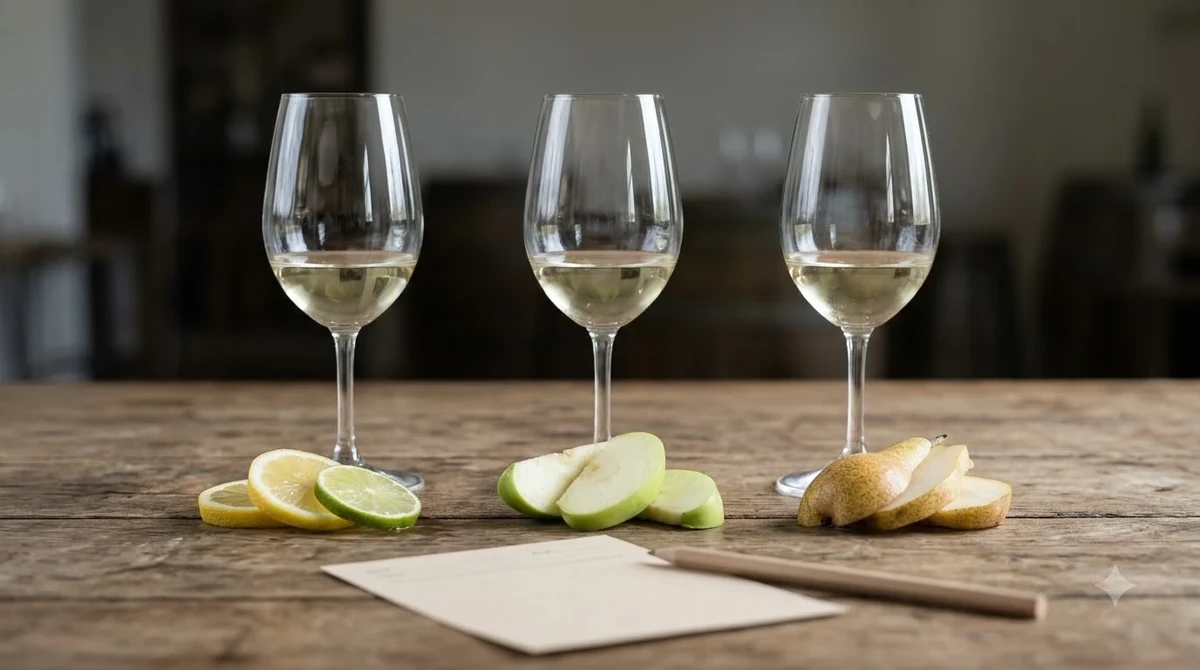
Unoaked Chardonnay is lean and crisp, with high acidity and flavors of green apple, pear, and citrus. Chablis from France is the classic example, and it tastes clean and mineral rather than sweet. Oaked Chardonnay is fuller, with a creamy texture and warm notes of vanilla and butter. That second style is the one most people mean when they ask for a sweet Chardonnay.
Over time, some bottles develop hazelnut, honey, and mushroom notes, which can add to the impression of richness. If you are choosing between styles, start with the oaked version if you want a softer taste and the unoaked version if you prefer a sharper, drier finish.
Regions that often make richer Chardonnay
Several regions are known for producing Chardonnay with a rounder profile. The Cote d’Or in Burgundy, including Meursault and Puligny-Montrachet, is a classic source of oaked, full-bodied wines. In California, Sonoma Coast, Napa Valley, and Santa Barbara County produce a wide range of styles, many with ripe fruit and visible oak. Australia’s Yarra Valley and Margaret River also make Chardonnay with ripe fruit and creamy texture.
Chablis, by contrast, is cool-climate Chardonnay that tends to be lean and dry. If you want a sweeter impression, skip Chablis and look at warm-region bottles or oaked Burgundy. The region on the label is one of the most useful clues you have.
How to serve sweet-style Chardonnay
Serving temperature changes how much sweetness and oak you notice. Wine Folly suggests serving lean styles like Chablis at about 45 degrees Fahrenheit and oaked styles at about 55 degrees, which lets the richer character come forward without making the wine taste heavy. A general range of 45 to 55 degrees works for most still Chardonnay. Lean styles suit a standard white wine glass, while oaked bottles often show better in a wider glass that holds the aromas.
A richer Chardonnay also tolerates a little more air. Pouring it into the glass a few minutes before serving can open the fruit and soften any sharp edges from the oak. Keep the bottle in the refrigerator between glasses, and let it warm slightly before pouring.
| Style | Taste cues | Serving range | Good with |
|---|---|---|---|
| Unoaked, lean | Green apple, pear, chalky minerality | About 45 degrees Fahrenheit | Oysters, sushi, sauteed fish |
| Oaked, creamy | Vanilla, butter, peach, mango | About 55 degrees Fahrenheit | Crab cakes, pork with apples |
| Warm-region, ripe | Pineapple, lemon, tropical fruit | 45 to 55 degrees Fahrenheit | Roast chicken, corn dishes |
Tip: If a Chardonnay tastes too sweet for your meal, serve it with something salty or acidic, such as shellfish or a lemony sauce, to balance the richness.
Food pairing for a richer Chardonnay
Wine Folly recommends lean and sparkling Chardonnay with shellfish, especially oysters, as well as sushi and sauteed fish. Oaked styles, with more body, suit richer dishes such as crab cakes, halibut, and pork tenderloin with apples. For vegetarians, the same source points to rich or starchy vegetables like corn, pumpkin, and squash, and it calls mushrooms a must.
The rule of thumb is simple: match the body of the wine to the weight of the dish. A creamy Chardonnay can handle a buttery sauce, while a lean one works better with delicate seafood. Sweeter-tasting styles are a good match for dishes with a little spice or sweetness of their own, such as roast pork with apples.
How to choose a sweet-style Chardonnay
Look for tasting notes that mention vanilla, butter, tropical fruit, or ripe peach. These usually point to a fuller, richer bottle. Check the region too, since warm and oaked-Burgundy styles tend to taste sweeter than cool-climate Chablis. If the label or producer site lists oak treatment, a barrel-aged wine will often feel more generous than an unoaked one.
If you want to compare how a sweeter style differs in another grape, a guide to sweet sauvignon blanc shows how a white with ripe fruit and softer acidity can taste rich without being oaked at all.
Frequently Asked Questions
Is Chardonnay a sweet wine?
Chardonnay is classed as a dry white grape. Some bottles taste sweet because they are oaked, creamy, or made from very ripe fruit, not because they contain much leftover sugar.
What makes Chardonnay taste sweeter?
Oak aging, which adds vanilla and butter, and ripe fruit such as peach, mango, or pineapple are the main causes. Malolactic fermentation also adds a rounder, creamier texture.
What temperature should I serve sweet Chardonnay at?
Wine Folly suggests a general range of 45 to 55 degrees Fahrenheit for still Chardonnay, with lean styles nearer the cool end and oaked styles nearer the warmer end.
What food goes well with a rich Chardonnay?
Crab cakes, halibut, pork tenderloin with apples, and corn or squash dishes suit an oaked style. The body of the wine matches the weight of these foods.
Sweet-style Chardonnay is mostly about oak, ripe fruit, and texture. Choose oaked bottles or warm-region wines if you want a softer taste, serve them within the cool range, and pair them with richer dishes. For more guidance on choosing bottles, the Wine Buying Guides section covers how to read labels, and sweet cabernet sauvignon is a useful comparison if you also like full red wines. The grape background is on Wine Folly’s Chardonnay guide.
More in Wine Buying Guides
 Riesling Gift: Choose a Bottle They’ll LoveUpdated Nov 21, 2026
 Sweet Red Wine Gift: Choose a Bottle They’ll LoveUpdated Nov 21, 2026
 Malbec Gift: How to Choose a Memorable Bottle for Any OccasionUpdated Nov 21, 2026
 Sherry Gift Ideas That Match Every Wine LoverUpdated Nov 21, 2026
 Moscato Gift: How to Choose a Sweet Wine They’ll LoveUpdated Nov 21, 2026
 Merlot Gift: How to Choose a Bottle They’ll AppreciateUpdated Nov 21, 2026