

We may earn a commission when you buy through links on this page, at no extra cost to you. Learn more.
Sweet sauvignon blanc is a Sauvignon Blanc that tastes ripe and fruity, with passion fruit, mango, and white peach flavors, even though the grape is normally made dry. Sauvignon Blanc is known for racy acidity and green, herbal notes, so a bottle that tastes sweet is usually showing riper fruit or a rounder, oaked style rather than leftover sugar. Knowing the difference helps you pick the right bottle.
Sauvignon Blanc is one of the most recognizable white wines, and many drinkers know its crisp, grassy style. Some people, though, want a Sauvignon Blanc that tastes softer and fruitier, with less of the sharp bite. This guide explains what makes Sauvignon Blanc taste sweet, how to read labels for riper styles, where those bottles come from, and how to serve and pair them.
Why Sauvignon Blanc is normally dry
Wine Folly describes Sauvignon Blanc as a dry white with a medium-light body, no tannins, and high acidity. Its alcohol level usually falls between 11.5 and 13.5 percent. The grape’s primary flavors are gooseberry, honeydew, grapefruit, white peach, and passion fruit, and its aromas can range from freshly cut grass and peas to ripe mango.
VinePair’s guide calls Sauvignon Blanc a refreshing dry wine with low amounts of sugar, and it credits the wine’s crispness to high acidity. The sharp finish that many people know comes from that acidity. Because the base wine is dry, a sweet impression comes from how the fruit is handled and how the wine is aged, not from added sugar.
What makes a Sauvignon Blanc taste sweet
Ripe fruit is the biggest reason. Passion fruit, mango, and white peach flavors feel sweet on the palate, especially when they are more prominent than the green, herbal notes. Grapes picked at full ripeness tend to produce this style, and the fruit comes across as honeyed and generous rather than sharp. Wines from warm sites often show more of these tropical notes.
Oak is less common but makes a real difference. Wine Folly notes that Sauvignon Blanc is occasionally aged in oak, which produces a rounder, creamier, or waxy style with an oily texture. Oaked versions are often blended with Semillon. Vanilla and toast from the barrel can make the wine feel fuller and sweeter, even though it is dry. VinePair adds that winemakers in many countries, including France, rarely age the grape in oak because they want to keep its bright, fruity character.
Where riper Sauvignon Blanc comes from
Region is one of the most useful clues. The Loire Valley in France produces fruity, tart, mineral-driven wines, and Sancerre from that area is a classic reference point. New Zealand’s Marlborough region is known for citrus-focused, balanced wines, and many of them show ripe tropical fruit. In Chile, cool coastal valleys such as Casablanca and Leyda produce Sauvignon Blanc with a bright, fresh profile.
South Africa’s areas around Cape Town make zesty, grassy wines with grapefruit notes, while California and Washington produce fuller, riper styles in some years. Australia’s Adelaide Hills and Margaret River also make Sauvignon Blanc in a range of styles. If you want a softer, fruitier glass, look for bottles from warm sites or from producers who describe their wine as ripe, tropical, or rounded rather than crisp and herbal.
How to serve sweet-style Sauvignon Blanc
Serving temperature matters with a fruity Sauvignon Blanc. Wine Folly recommends serving it at about 45 to 55 degrees Fahrenheit in a white wine glass. That range keeps the acidity lively while letting the fruit show. Decanting is not needed for most bottles, so you can open and pour straight away.
A riper, oaked bottle benefits from being served at the warmer end of the range, since a little warmth lets the creamy texture come through. A crisp, herbal style is better at the cooler end, where the acidity stays bright. Keep the bottle in the refrigerator between glasses and pour small amounts so the wine stays cold for longer.
| Style cue | What it usually means | Best way to serve |
|---|---|---|
| Passion fruit, mango, white peach | Riper fruit, softer impression | Cooler end of 45 to 55 degrees Fahrenheit |
| Creamy, waxy, oily texture | Oaked, often blended with Semillon | Warmer end of the range |
| Grass, gooseberry, grapefruit | Crisp, herbal, high acidity | Chilled, in a standard white glass |
| Loire, Marlborough, Chile coast | Varies from tart to tropical | Check the producer’s tasting notes |
Tip: If a Sauvignon Blanc tastes too sharp, let it sit out for a few minutes before pouring. The fruit opens up as the wine warms slightly, and the edge softens.
Food pairing for a fruitier Sauvignon Blanc
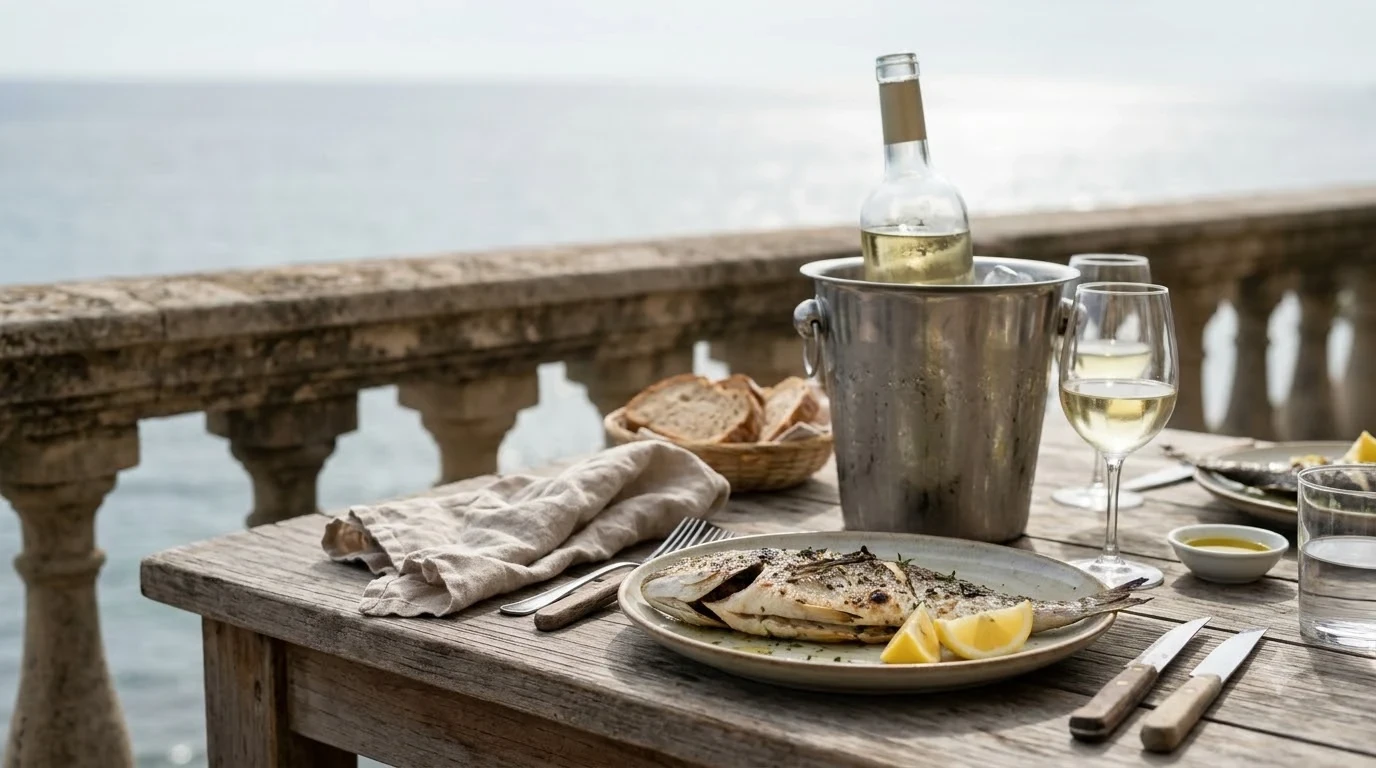
Herb-driven dishes are a strong match for Sauvignon Blanc. Wine Folly points to sauces over chicken, tofu, or fish, and to feta, chevre, and burrata as good partners. Lighter proteins such as chicken, pork, crab, salmon, and oysters also work well, because the wine’s acidity cleans the palate between bites.
A riper, fruit-forward bottle is also good with Thai and Vietnamese food, where the fruit balances chili and lime. Herbs such as mint, dill, basil, and chive complement the wine’s green notes. A creamy oaked version suits richer dishes, such as roast chicken with butter sauce or fish with a creamy herb sauce.
How to choose a sweet-style Sauvignon Blanc
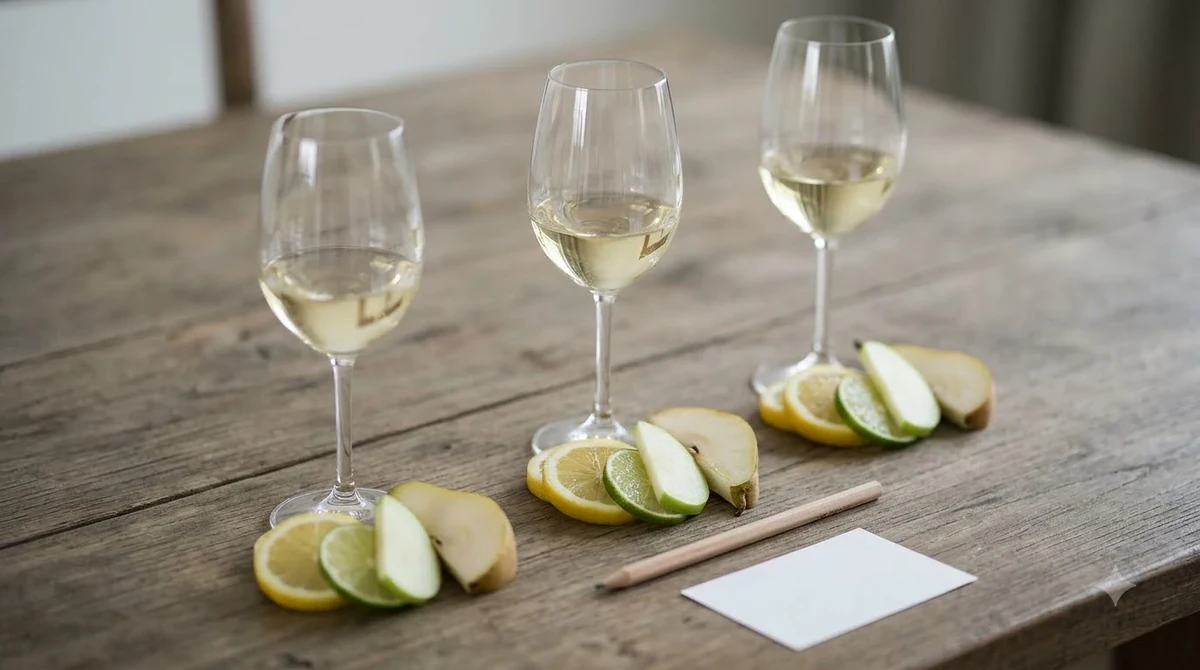
Start with the tasting notes. Words such as tropical, ripe, passion fruit, or rounded point to a softer, fruitier bottle. Words such as grassy, herbal, crisp, or zesty suggest a sharper style. Check the region too, since warm and oaked styles often taste fuller than cool-coast Loire or Marlborough wines. If a label mentions oak or a blend with Semillon, expect a richer, creamier wine.
Price and producer matter as well, and the back label often shows the vintage and the region, which tells you more about the style than the bottle’s price does. The best guide, though, is your own taste. Keep a short list of the bottles you enjoy and the words used to describe them, then use that list the next time you shop.
If you also like a richer white, a guide to sweet chardonnay covers how oak and ripe fruit make a white taste generous, and it is a useful comparison when you are deciding between styles.
Frequently Asked Questions
Is Sauvignon Blanc a sweet wine?
Sauvignon Blanc is classed as a dry white wine with low sugar and high acidity. Some bottles taste sweet because of ripe tropical fruit or oak, not because of residual sugar.
What makes Sauvignon Blanc taste fruitier?
Riper fruit such as passion fruit, mango, and white peach, along with warm growing sites, gives a fruitier taste. Some producers also use oak, which adds a creamy texture.
How cold should I serve Sauvignon Blanc?
Wine Folly recommends 45 to 55 degrees Fahrenheit. A cooler serve keeps the acidity bright, while a slightly warmer serve suits a creamy oaked bottle.
What food goes well with a fruity Sauvignon Blanc?
Herb sauces, chicken, fish, shellfish, feta, and Thai or Vietnamese dishes all pair well. Fresh herbs such as basil, dill, and mint complement the wine’s green notes.
Sweet sauvignon blanc is really a riper, fruitier style of a dry white wine. Look for tropical and rounded tasting notes, choose warm regions or oaked bottles for a softer taste, and serve the wine within the 45 to 55 degree range. For more guidance on reading labels and choosing styles, the Wine Buying Guides section is a useful next stop. You can also compare the grape’s profile in the Wine Folly Sauvignon Blanc guide and VinePair’s introduction to the grape.
More in Wine Buying Guides
 Riesling Gift: Choose a Bottle They’ll LoveUpdated Nov 21, 2026
 Sweet Red Wine Gift: Choose a Bottle They’ll LoveUpdated Nov 21, 2026
 Malbec Gift: How to Choose a Memorable Bottle for Any OccasionUpdated Nov 21, 2026
 Sherry Gift Ideas That Match Every Wine LoverUpdated Nov 21, 2026
 Moscato Gift: How to Choose a Sweet Wine They’ll LoveUpdated Nov 21, 2026
 Merlot Gift: How to Choose a Bottle They’ll AppreciateUpdated Nov 21, 2026