

We may earn a commission when you buy through links on this page, at no extra cost to you. Learn more.
Dry chardonnay is a white wine in which the grape’s natural sugar has fully fermented, leaving a crisp, savory wine rather than a sweet one. Most chardonnay sold in the United States is dry, and the style ranges from lean and mineral-driven to full, creamy and oaked. Serve it chilled, and choose lean styles for seafood and oaked styles for richer dishes.
Many shoppers see the word dry on a label and wonder whether it means something different from an ordinary chardonnay. In practice, almost every chardonnay is dry, so the real question is which dry style you want. This guide covers the flavors, the oak choice, the serving temperature and the foods that match each style, so you can pick a bottle with confidence.
What Dry Chardonnay Means
Dry describes sweetness. A dry wine has little or no residual sugar left after fermentation, so the yeast has converted nearly all of the grape sugar into alcohol. Chardonnay is a naturally dry grape in this sense, and winemakers rarely leave much sugar behind. When a bottle is labeled dry, it is simply telling you that the wine will taste savory rather than sweet.
That distinction matters when you compare chardonnay with other whites. A dry riesling can taste fruity and bright, while a dry chardonnay usually shows more body and texture. If you are shopping by sweetness, chardonnay sits firmly on the dry side of the white wine spectrum, and most bottles will be dry unless the label says otherwise.
Lean Styles Versus Oaked Styles
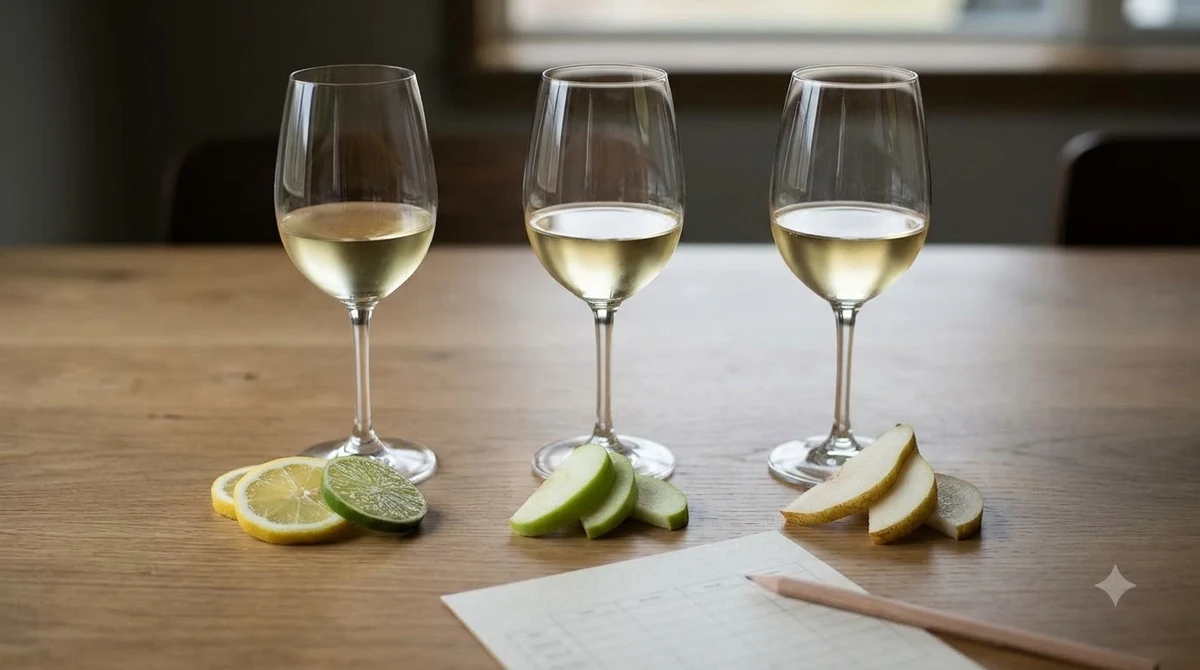
The biggest difference among dry chardonnays comes from winemaking. Lean, unoaked styles are crisp and high in acidity, with more body than a sauvignon blanc but a clean, direct finish. Their flavors usually include green apple, pear, citrus and a chalky, mineral note, which is typical of the wines from Chablis in Burgundy.
Oaked styles are fuller, creamier and rounder. Aging in oak barrels adds vanilla, spice and toast, while malolactic fermentation, which softens the acidity, adds buttery notes. Oaked chardonnays often show peach, mango, butter and baking spice. With bottle age, some develop nutty, honeyed or mushroom notes. If you are unsure which style you prefer, a good rule is to start with a lean wine if you like crisp whites and an oaked one if you like rich, creamy desserts and buttery bread.
Typical Flavors You Will Find
A typical dry chardonnay shows lemon, yellow apple, butter, vanilla and pineapple. The exact balance depends on climate, oak and how long the wine has aged. Cooler regions tend to produce more acidity and citrus, while warmer regions produce riper fruit and a rounder texture. Wine Folly’s guide to Chardonnay describes the lean styles as having 12 to 13.5 percent alcohol and the richer styles as reaching 14.5 to 15 percent, which helps explain why an oaked bottle can feel heavier on the palate.
Chardonnay has no tannins, which is part of why it feels smooth rather than drying. The wine’s structure comes from acidity and body instead. That makes it a flexible white for people who want something more substantial than a light sauvignon blanc but less sweet than a fruity white blend.
| Style | Typical flavors | Best served with |
|---|---|---|
| Lean, unoaked (for example Chablis) | Green apple, pear, citrus, chalky minerality | Oysters, sushi, sautéed white fish |
| Oaked | Peach, mango, vanilla, butter, baking spice | Crab cakes, halibut, pork tenderloin with apples |
| Sparkling | Citrus, toast, fine bubbles | Appetizers, fried foods, light starters |
How to Serve Dry Chardonnay
Serving temperature changes how the wine tastes, and it is one of the easiest ways to improve a glass you already own. A bottle served too cold can taste thin and sharp, while one left on the counter for an hour can taste flat and heavy.
Serving temperature changes how the wine tastes. A general guide from Wine Folly is 45 to 55°F (7 to 12°C). Lean styles like Chablis taste best around 45°F, while oaked styles are better closer to 55°F, where the oak and butter show up without making the wine feel heavy. Sparkling chardonnay is served colder, at about 38 to 45°F.
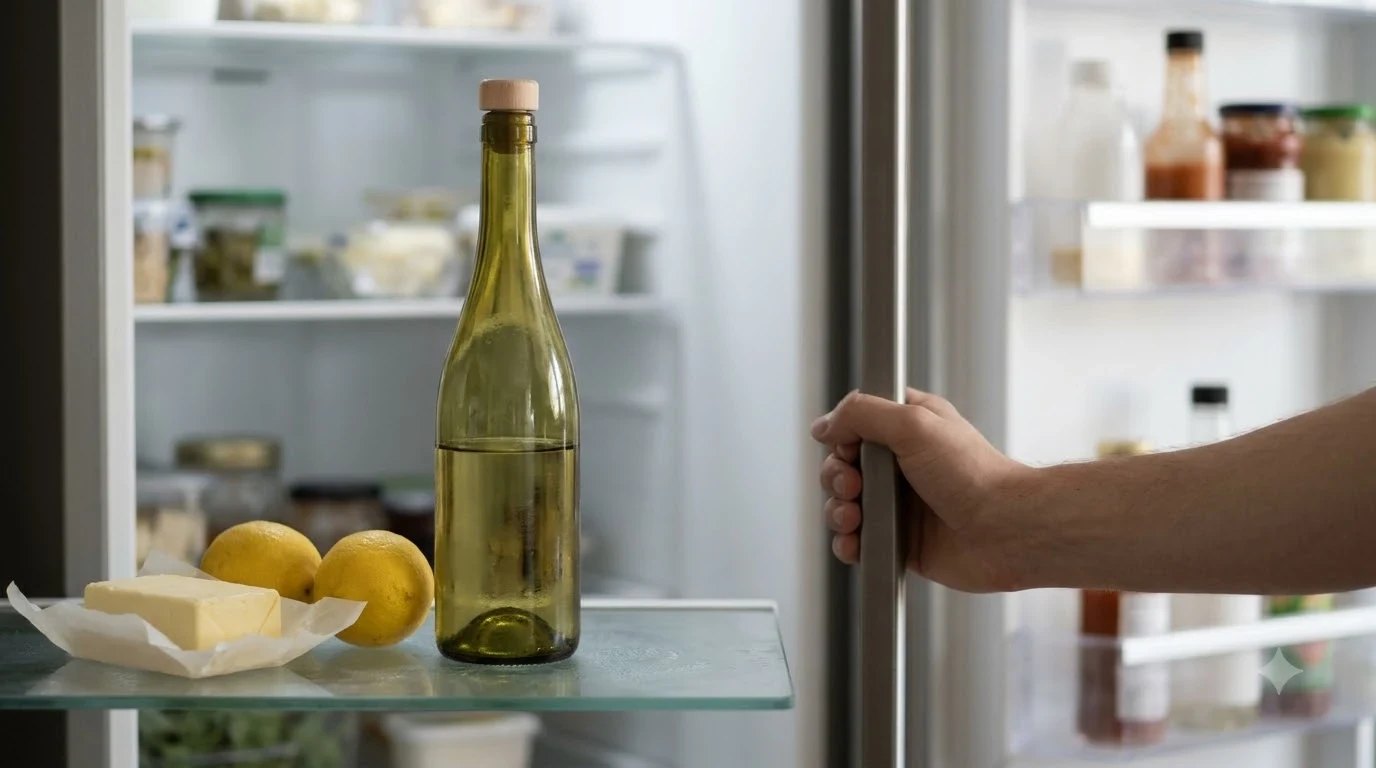
A standard white wine glass works well for most chardonnays. Decanting is generally unnecessary for dry white wines, although a richer oaked bottle can open up if you pour it a few minutes before the meal. Keep the bottle in the fridge and pull it out about 10 minutes before pouring if it has been chilled too long.
Tip: If a white tastes flat or sharp straight from the fridge, let it sit for five to ten minutes. The aromas will open as it warms toward the middle of the serving range.
Foods That Match Dry Chardonnay
Pairing depends on the style. Lean, unoaked chardonnay and sparkling versions suit oysters, sushi, sautéed fish, pâté, chicken piccata and vegetable risotto, because the acidity cuts through the richness of the food without overpowering delicate flavors. Oaked styles handle heavier dishes such as crab cakes, linguini with clams, halibut and pork tenderloin with apples. Mushrooms and rich, starchy vegetables like corn, pumpkin and squash also pair well with the creamy texture of an oaked bottle.
If you are cooking for a crowd, a lean chardonnay makes a reliable choice for shellfish and salads, while an oaked bottle is the safer pick for roast chicken, pork and creamy sauces. Many people enjoy the bridge style, a lightly oaked chardonnay, for everything from grilled chicken to salmon.
Where Dry Chardonnay Comes From
Chardonnay originated in Burgundy, France, and is now grown in nearly every wine-producing country. France, the United States, Australia, Italy and Chile have the largest plantings. Well-known regions include Chablis and the Côte d’Or in Burgundy, the Sonoma Coast and Napa Valley in California, and the Yarra Valley and Margaret River in Australia. Each region gives chardonnay a different character, so the label’s region is often the best clue to the style inside the bottle.
If you want to explore the wine world beyond chardonnay, compare it with a dry champagne, which is often made from the same grape, or a dry sauvignon blanc for a crisper, more herbal white.
Frequently Asked Questions
Is chardonnay always dry?
Nearly all still chardonnay is dry. Winemakers ferment the sugar in the grapes almost completely, so the wine tastes savory. Sweet styles of chardonnay are rare, which is why most shoppers can assume a bottle is dry unless the label says otherwise.
What is the difference between oaked and unoaked chardonnay?
Unoaked chardonnay is crisp and citrusy, with green apple and mineral notes. Oaked chardonnay is richer, with vanilla, butter and toasted spice from barrel aging. Oak is the main reason the two styles taste so different.
How cold should dry chardonnay be served?
Most dry chardonnay tastes best between 45 and 55°F (7 to 12°C). Lean styles are better toward the cooler end, and oaked styles toward the warmer end of that range.
Does dry chardonnay need to be decanted?
Decanting is usually not needed for dry white wine. A richer oaked chardonnay can benefit from a few minutes of air, but most bottles are ready to pour straight from the fridge.
Dry chardonnay is a versatile white that works with both simple weeknight dinners and special meals. Keep a lean bottle and an oaked bottle on hand, and you will be ready for almost any menu. Choose a lean style for seafood and a rich style for creamy dishes, serve it chilled and let the oak guide your food pairing. For more guidance on choosing a bottle, browse our wine buying guides.
More in Wine Buying Guides
 Riesling Gift: Choose a Bottle They’ll LoveUpdated Nov 21, 2026
 Sweet Red Wine Gift: Choose a Bottle They’ll LoveUpdated Nov 21, 2026
 Malbec Gift: How to Choose a Memorable Bottle for Any OccasionUpdated Nov 21, 2026
 Sherry Gift Ideas That Match Every Wine LoverUpdated Nov 21, 2026
 Moscato Gift: How to Choose a Sweet Wine They’ll LoveUpdated Nov 21, 2026
 Merlot Gift: How to Choose a Bottle They’ll AppreciateUpdated Nov 21, 2026