

We may earn a commission when you buy through links on this page, at no extra cost to you. Learn more.
Pacific Rim Riesling comes from Pacific Rim Winemakers, a winery in West Richland, Washington, founded in 1992 and focused almost entirely on Riesling. The winery makes Rieslings from dry to dessert styles, including single-vineyard bottlings from the Columbia Valley. This guide covers the winery’s history, its Riesling range, the grape’s general character, and how to serve and pair these wines.
Pacific Rim is one of the few American wineries that concentrates on a single grape, which is why its name comes up so often when shoppers search for Riesling. The label offers a range that many buyers find confusing at first, because the same grape can taste bone dry in one bottle and luscious and sweet in another. The sections below explain the winery’s focus, how to read Riesling sweetness, and how to choose the right style for your table.
The Winery and Its Focus on Riesling
Pacific Rim Winemakers is based in West Richland, Washington, in the Tri-Cities area of eastern Washington. The winery was founded in 1992 by Randall Grahm, who also owns Bonny Doon Vineyard in California. The Mariani family, which also owns Castello Banfi in Tuscany and the import firm Banfi Vintners, owns the winery.
The defining fact about the winery is its focus. It is described as the only large winery in the United States devoted almost exclusively to Riesling. That focus shapes everything from the lineup to the tasting room, and it gives the brand a clear identity. Most wineries offer a mix of reds and whites, so a label built on one grape stands out.
The winery also produces small amounts of Gewürztraminer, Grüner Veltliner, and Chenin Blanc, but Riesling is the core of the business. The winery’s book, Riesling Rules, reflects that commitment and is available through its website.
The Pacific Rim Riesling Range
The winery makes eleven Rieslings in total, running from dry to dessert styles. Several come from single vineyard sites in the Columbia Valley, which lets the winery show how different sites shape the grape. The range is broad enough that a buyer can compare a dry bottle with a sweeter one from the same house, and learn how sugar balances acidity in each.
The winery’s general manager and head winemaker is Nicolas Quillé. The team’s approach is to show Riesling as a grape that can express place and sweetness without losing its freshness. That idea is worth keeping in mind when you choose a bottle, because a dry Riesling and a dessert Riesling can come from the same vineyard and still feel like different wines.
The source describing the winery does not give detailed tasting profiles for every dry and off-dry wine, so the best way to understand a specific bottle is to read the label and the release notes for that vintage.
Vintage matters with Riesling for a practical reason. Cooler growing seasons tend to produce wines with sharper acidity and more lime and green apple character, while warmer seasons can bring riper stone fruit and a fuller texture. Two bottles from the same site can therefore taste quite different in different years. A dry bottling from a cool year may feel crisp and tight when young, and it often softens with a few months in the bottle. Sweet styles usually balance their sugar against acidity that is shaped by the season, so a careful reader of the vintage will know what to expect before opening the bottle.
What Riesling Tastes Like and Why Sweetness Varies
Riesling is a white grape grown mostly in cool climates, and Germany is the most important producer in the world. The grape is known for high acidity and light body, and most wines contain under ten percent alcohol. Typical flavors include lime, green apple, beeswax, and jasmine, and mature bottles can develop a petroleum note that many lovers of the grape treasure.
Sweetness is the main variable. Riesling styles range from very dry to very sweet, and the acidity keeps the sweeter wines from feeling heavy. A dry Riesling shows citrus and mineral notes with a sharp finish. An off-dry bottle has a touch of sugar that softens the acidity without making the wine taste like dessert. A dessert Riesling is rich, but its acidity keeps it lively rather than cloying.
The grape’s acidity also means that Riesling ages well. According to Wine Folly’s riesling grape profile, a good Riesling can be cellared for ten years or more, and its flavors often become more complex as it matures.
| Style | What to expect | Good with |
|---|---|---|
| Dry | Citrus, mineral, sharp finish | Seafood, fresh salads, goat cheese |
| Off-dry | Ripe fruit, soft sweetness, lively acidity | Spicy Indian and Asian food |
| Dessert | Rich fruit, honey, balanced acidity | Fruit desserts, blue cheese |
How to Serve Riesling and Get the Best From It
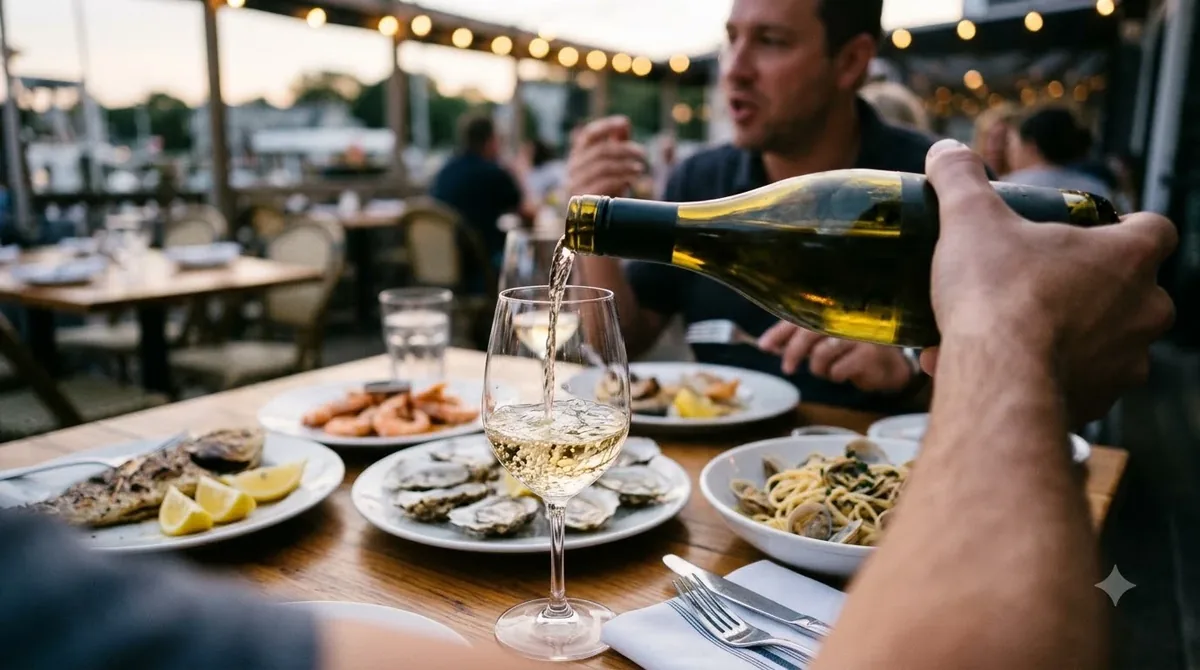
Serve Riesling cold, around 38 to 45 degrees Fahrenheit, in a white wine glass. Cold temperatures keep the acidity bright and the fruit fresh. Dessert styles are often served even cooler, though they benefit from a short rest once they leave the refrigerator so the aromas can open.
Decanting is not needed for Riesling. The wine is meant to be opened and poured. If you have a dessert bottle that has been open for a while, keep the cork in and store it in the refrigerator, because the acidity helps the wine stay fresh for several days.
Riesling is one of the most food-friendly white wines. Off-dry styles go well with spicy Indian and Asian dishes, and they also match duck, pork, bacon, shrimp, and crab. Dry Riesling is a good partner for shellfish and light chicken. Dessert styles suit fruit tarts and sharp cheeses.
How to Choose the Right Pacific Rim Riesling
Start with the style you want. If you like crisp, bright whites, look for a dry bottling. If you enjoy a little sweetness with your meal, an off-dry Riesling will suit spicy food and rich dishes. For dessert, pick a late-harvest or dessert-style bottle, and serve it in smaller pours.
Read the label carefully. The sweetness level, the vineyard name, and the vintage tell you more about the wine than the grape name alone. Single-vineyard bottlings show the site, while the broader range shows the winery’s approach to the grape.
If you are comparing Riesling producers, the Trimbach Riesling profile covers a classic Alsace estate, and the Clean Slate Riesling guide looks at another style. For a wider view of brands, the wine brands guide is a good next step.
Frequently Asked Questions
Where is Pacific Rim Winemakers located?
The winery is in West Richland, Washington, in the Tri-Cities area of eastern Washington. It was founded in 1992.
Does Pacific Rim make only Riesling?
Riesling is the core of the lineup, and the winery describes itself as devoted almost exclusively to the grape. It also makes small amounts of Gewürztraminer, Grüner Veltliner, and Chenin Blanc.
Is Pacific Rim Riesling sweet?
It depends on the bottle. The range runs from dry to dessert styles, so check the label or the release notes for the sweetness level before you buy.
How should you serve Pacific Rim Riesling?
Serve it cold, around 38 to 45 degrees Fahrenheit, in a white wine glass. Decanting is not needed. Pair off-dry styles with spicy food and dry styles with seafood.
Pacific Rim Riesling is best approached as a study in one grape and one region, with a range that runs from crisp to sweet. Check the sweetness level and vintage, serve the wine cold, and match it to food with a little spice or acidity. Enjoy it in moderation and plan any driving around the meal.
More in Wine Brands
 Underwood Wine Price: Compare Bottles, Cans, and Pack SizesUpdated Nov 21, 2026
 Zenato Wine Price: Compare Styles and Choose the Right BottleUpdated Nov 21, 2026
 Zuccardi Wine Price: Compare Bottles and Find the Right RangeUpdated Nov 21, 2026
 Yellow Tail Moscato Review: Taste, Sweetness and Serving TipsUpdated Nov 21, 2026
 Wolf Blass Yellow Label Review: Choose Your Best StyleUpdated Nov 21, 2026
 Wolffer Estate Rose Review: Choose the Right Bottle for Your TableUpdated Nov 21, 2026