

We may earn a commission when you buy through links on this page, at no extra cost to you. Learn more.
This pierre zero wine review finds that Pierre Zéro is a versatile French alcohol-free wine collection worth considering for drinkers seeking recognizable wine styles without conventional alcohol. Produced by Maison Chavin, the range includes Chardonnay, Merlot, rosé and sparkling selections across several collections. Its main strengths are variety, familiar grape-based profiles and traditional winemaking followed by dealcoholization. The important buying consideration is that alcohol content, sweetness and overall character can differ between individual bottles, so choosing the right style matters more than choosing the brand name alone.
Alcohol-free wine has become a more interesting category than simple sparkling grape juice, and Pierre Zéro is one of the French producers helping develop that market. Its collection offers alternatives for people who enjoy the ritual of opening a bottle, pouring wine into proper glassware and matching a drink with dinner without necessarily wanting conventional alcoholic wine. However, dealcoholized wine has different structural characteristics from wine that retains its alcohol. Expectations should reflect those differences. This guide examines the producer, the main styles, the production process, practical buying considerations and the best ways to serve each bottle.
Who Pierre Zéro Is For
Pierre Zéro is particularly suitable for shoppers who want several familiar wine styles from one French producer rather than a single generic alcohol-free sparkling drink. Its Chardonnay, Merlot, rosé and sparkling selections offer different occasions and food-pairing possibilities.
The collection is produced by Maison Chavin, a French wine company whose Pierre Zéro brand is described as its original non-alcoholic range. The producer organizes the collection into Classique, Prestige and Signature categories. Its official Pierre Zéro collection page outlines the different styles and formats available. The brand also offers multiple bottle formats, including smaller 200 ml bottles for certain products, which can be useful when purchasing for an individual occasion.
One natural audience is someone who enjoys the flavor vocabulary of traditional wine but wants an alternative for a social gathering, weekday dinner or celebratory meal. A Chardonnay drinker might appreciate the tropical-fruit and peach notes associated with Pierre Zéro Chardonnay. Someone who usually chooses rosé may prefer the fresh red-fruit profile of its rosé selection. Sparkling Chardonnay and sparkling rosé provide another option for birthdays, brunches and aperitifs.
It also suits curious wine drinkers who want to compare dealcoholized products with conventional wines. The distinction is important: removing alcohol changes the balance, weight and finish of a wine. Even when the original beverage is fermented traditionally, its finished alcohol-free version does not reproduce every sensation of the alcoholic equivalent.
Buyers who expect a full-bodied Cabernet Sauvignon with the weight and warming sensation of conventional red wine should approach the category with realistic expectations. Alcohol contributes to mouthfeel and perceived body, and removing it changes the final drinking experience. Pierre Zéro Merlot offers a recognizable red-wine direction, but it should be evaluated as an alcohol-free alternative rather than an exact replacement for a traditional red.
The brand may also interest shoppers exploring the broader selection of Wine Brands, especially those comparing French producers and different approaches to alcohol-free winemaking. It is less suitable for someone who wants every bottle in a collection to have identical sweetness, texture or alcohol specifications.
Key Factors to Compare Before Buying Pierre Zéro
The most useful comparison points are wine style, alcohol content, sweetness, serving temperature and bottle size. Looking at these five details before purchasing makes it easier to find a bottle that matches the occasion rather than relying on the Pierre Zéro name alone.
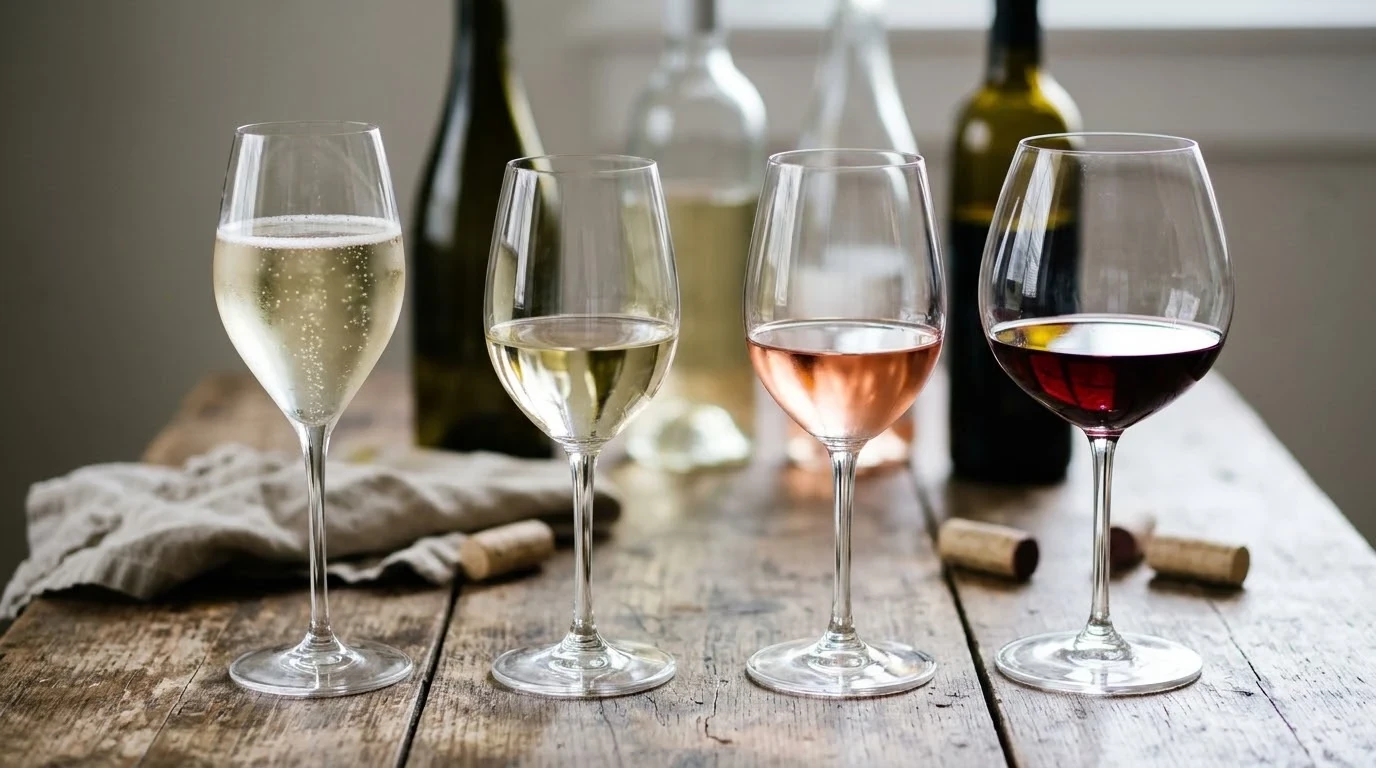
Start with the grape variety and color. Chardonnay is generally the most approachable starting point for white-wine drinkers, while Merlot provides a familiar red-fruit direction. Rosé offers a lighter, fruit-led alternative, and sparkling varieties are particularly suitable for celebrations. The producer’s tasting descriptions provide a useful starting point, although individual preferences will always influence the final impression.
Alcohol content deserves special attention. The phrase alcohol-free does not necessarily mean every product has an identical analytical alcohol level. For example, Wine.com’s Pierre Chavin Zero Sauvignon Blanc listing states 0.5% ABV for that particular product. Other Pierre Zéro products may carry different specifications. Anyone requiring a particular alcohol threshold should verify the individual product information rather than assume every bottle is 0.0% ABV.
| Comparison factor | What to look for | Why it matters |
|---|---|---|
| Wine style | Chardonnay, Merlot, rosé or sparkling | Determines the general flavor direction and occasion. |
| Alcohol content | 0.0%, 0.5% or another stated figure | Important for buyers with strict alcohol requirements. |
| White and rosé serving | 6–8°C or 43–46°F | Preserves freshness and keeps the drink refreshing. |
| Red serving | 14–16°C or 57–61°F | Allows fruit aromas to show without excessive warmth. |
| Standard bottle | 750 ml | Provides approximately five conventional 5-ounce pours. |
| Smaller bottle | 200 ml | Useful for individual servings and smaller occasions. |
| Large format | 3 liters where available | Practical for gatherings and repeated service. |
| Storage guidance | Producer-specific recommendations | Helps preserve the intended flavor and quality. |
Sweetness is another consideration. Alcohol-free wine can taste sweeter than its alcoholic counterpart because removing alcohol changes the balance between fruit, acidity and body. A wine described as fresh or balanced is not necessarily bone-dry. Buyers who prefer crisp, restrained styles should look for specific tasting descriptions rather than assuming that Chardonnay, Merlot or rosé automatically indicates a particular sweetness level.
There is also a distinction between a classic wine profile and a celebratory sparkling beverage. Pierre Zéro sparkling Chardonnay offers bubbles alongside fruit and floral characteristics, whereas the still Chardonnay is more appropriate for someone who wants a quieter white-wine-style drink. Both can work at the table, but they create different experiences.
Tip: Before choosing a bottle, confirm its exact ABV and grape composition. Pierre Zéro is a collection rather than one standardized wine, so specifications for its Chardonnay should not automatically be applied to its Merlot, sparkling rosé or Signature products.
For shoppers comparing other French alternatives, Pierre Zero wine provides a useful starting point for exploring the wider brand offering. Another comparison worth making is Leitz Eins Zwei Zero wine, which represents a different producer’s approach to alcohol-free wine.
Step-by-Step: How to Choose the Right Pierre Zéro Bottle
A straightforward selection process starts with the occasion and ends with the bottle’s specifications. Following these six steps helps narrow the collection to a suitable style without requiring extensive experience with alcohol-free wine.
-
Decide whether you want still or sparkling.
Start by deciding how the drink will be served. Sparkling Chardonnay or sparkling rosé is a natural choice for a toast, aperitif or celebration. Still Chardonnay and Merlot are better starting points for someone who wants a beverage to accompany a meal in the same way as conventional table wine.
-
Choose the color and grape profile.
Choose Chardonnay if you enjoy peach, tropical fruit and floral aromas. Merlot is the logical direction for someone who normally drinks softer red wines. Rosé is suitable for those who enjoy fresh red-fruit character and a lighter style. Sparkling Muscat, where available, offers a more aromatic alternative.
-
Compare the individual product descriptions.
Read the product details rather than relying on the range name. Maison Chavin describes its Chardonnay with tropical fruit, peach and lychee, while its Merlot emphasizes red-fruit aromas. The distinction helps establish whether a particular bottle is likely to suit your preferences.
-
Check the stated alcohol percentage.
This step is especially important when a particular alcohol threshold is required. Wine.com’s listing for Pierre Chavin Zero Sauvignon Blanc, for example, states 0.5% ABV. Do not assume that a different Pierre Zéro bottle has the same figure or that every product is analytically identical.
-
Select the appropriate format.
A 750 ml bottle is a practical choice for a meal or a small gathering. The producer also lists 200 ml bottles for selected products, while certain rosé and Merlot options have been offered in 3-liter bag-in-box packaging. Smaller formats can help avoid opening more wine than necessary.
-
Plan the serving temperature and food.
Chill whites, rosés and sparkling varieties to approximately 43–46°F. Serve the Merlot at approximately 57–61°F according to the producer’s recommendations. Choose the food pairing after selecting the wine rather than expecting every variety to work with every dish.
These steps are especially helpful for a first purchase because the biggest mistake is selecting a bottle solely because it is labeled non-alcoholic. A crisp sparkling Chardonnay, a fruit-led rosé and a still Merlot offer distinctly different experiences. Identifying the desired style first makes the final choice considerably easier.
For a dinner party, consider purchasing more than one color or style rather than relying on a single bottle to satisfy every guest. A sparkling rosé can cover the aperitif, while a still white or red can accompany the main course. This also allows guests to compare the collection’s different flavor profiles.
Types and Styles Explained
Pierre Zéro’s main attraction is its range of familiar wine categories, from still Chardonnay and Merlot to sparkling Chardonnay and rosé. Each style has a different flavor profile and works best with particular occasions and foods.
Chardonnay White
Chardonnay is a sensible introduction for people who normally choose approachable white wines. Maison Chavin describes its still Chardonnay as golden yellow, with aromas of tropical fruits, peaches, lychees and flowers. The palate is fruity, with delicate freshness providing balance.
This profile makes it suitable for seafood, poultry, salads and lighter appetizers. Serve it well chilled, around 43–46°F, to emphasize freshness. It is a practical choice for someone who wants a recognizable white-wine experience without the stronger alcohol presence of conventional Chardonnay.
Merlot Red
The Merlot is the collection’s principal still red-wine direction. The producer describes an intense ruby color and red-fruit aromas, with a fresh and youthful character. These characteristics make it more appropriate for drinkers who prefer approachable red-fruit flavors than those seeking an especially powerful, tannic wine.
Serve it slightly cooler than conventional room temperature, approximately 57–61°F. That range is consistent with the producer’s recommended 14–16°C serving temperature. It can accompany mushroom dishes, tomato-based pasta, grilled vegetables and moderately seasoned foods. Its lighter alcohol-free structure makes it less suited to expectations built around a heavy Cabernet Sauvignon or concentrated Syrah.
Rosé
Pierre Zéro Rosé combines Chardonnay and Merlot. The producer describes a pink color and intense fresh red-fruit aromas, with freshness, suppleness and liveliness on the palate. This makes it a useful choice for outdoor meals, informal entertaining and lighter dishes.
Serve it at approximately 43–46°F. Grilled vegetables, salads, mild cheeses, shrimp and Mediterranean appetizers are sensible food matches. Rosé is also a flexible option when a gathering includes several different dishes and guests have different preferences.
Sparkling Chardonnay
The sparkling Chardonnay is intended for drinkers who want a celebratory drink with recognizable wine characteristics. Maison Chavin describes pale yellow coloring, fine delicate bubbles and aromas that include tropical fruits, peach, lychee and flowers. Its freshness makes it particularly suitable as an aperitif.
Serve it around 43–46°F in a sparkling-wine glass or flute. Seafood can make a particularly good pairing, as can light appetizers, fresh fruit and mild cheeses. The producer lists both 750 ml and 200 ml formats, making the smaller bottle a useful option for individual celebrations.
Sparkling Rosé
The sparkling rosé offers another festive direction. Its producer describes pale pink coloring, fine persistent bubbles and aromas of redcurrant, raspberry, flowers and fruit. The combination makes it suitable for brunch, celebrations and light appetizers.
Chill it thoroughly before serving. Fresh strawberries, mild cheeses, smoked salmon and fruit-based desserts can work well, provided the sweetness of the food does not overwhelm the drink. A 750 ml bottle is suitable for sharing, while a smaller format can be more convenient for a personal occasion.
Prestige and Signature Selections
The Prestige and Signature categories give the brand additional variety beyond its standard still and sparkling offerings. Maison Chavin describes Prestige as one of the collection’s principal ranges and presents Signature as another distinct category. The latter includes more distinctive expressions, including sparkling Chardonnay and Grenache red in the producer’s broader range.
These categories should be evaluated individually. A higher-end range name does not automatically mean a bottle will be drier, fuller or more similar to conventional wine. Compare the grape composition, production description and alcohol information before selecting a bottle. Shoppers who are new to Pierre Zéro may find it easier to begin with the standard Chardonnay or sparkling Chardonnay before exploring more specialized expressions.
For additional French alternatives, Pierre Sparr wine offers another useful producer comparison. The important distinction is that Pierre Zéro is designed around alcohol-free products, whereas conventional French wine selections serve a different purchasing purpose.
Common Mistakes When Buying and Drinking Pierre Zéro
The most common purchasing mistakes involve expectations about alcohol content, sweetness and texture. Understanding how dealcoholization affects wine helps avoid disappointment and makes it easier to choose a bottle that fits the intended occasion.
Assuming Every Bottle Has Exactly the Same ABV
One of the most important mistakes is assuming that the entire collection has an identical alcohol percentage. Product listings can differ, and the distinction between 0.0% and 0.5% ABV matters to shoppers with strict requirements. The Wine.com listing for Pierre Chavin Zero Sauvignon Blanc provides a clear example, stating 0.5% ABV for that particular product.
Alcohol-free labeling can be used differently across markets and products. Buyers should distinguish between a producer’s broad description of its collection and the exact specification of the bottle they are purchasing. This is especially important when a consumer must avoid even small amounts of alcohol for personal, professional or religious reasons.
Expecting Traditional Wine Mouthfeel
Alcohol contributes to the weight, warmth and texture of conventional wine. Once removed, the resulting beverage can feel lighter and sometimes less persistent on the palate. This is not necessarily a production defect. It is a characteristic of the dealcoholized category.
A Pierre Zéro Merlot may offer familiar red-fruit aromas, but it should not be judged by whether it reproduces every sensation of a full-strength Merlot. The same applies to Chardonnay, whose aromatic profile can remain recognizable even when the finished beverage has a lighter body.
Assuming All Alcohol-Free Wine Is Dry
Alcohol-free wines can vary considerably in perceived sweetness. Removing alcohol changes the balance between fruit, acidity and body, and some products may seem sweeter than expected. Sparkling Muscat, for example, has a naturally aromatic style that can appeal to people who enjoy fruit-forward drinks.
People who prefer restrained, dry wines should compare the individual tasting descriptions rather than assume all sparkling Chardonnay or rosé products will have the same sweetness. Food pairing should also take sweetness into account. A wine should generally be at least as sweet as the dessert served alongside it, otherwise the beverage may taste comparatively sharp or sour.
Serving Every Style at the Same Temperature
Another common mistake is serving every bottle directly from the refrigerator or leaving every bottle at room temperature. Different styles benefit from different temperatures. Pierre Zéro’s white and sparkling selections are recommended at 43–46°F, while its Merlot is recommended at approximately 57–61°F.
Overchilling a red can mute its fruit aromas, while serving sparkling wine too warm can make it feel less refreshing. A few minutes of temperature adjustment can make a noticeable difference to the drinking experience.
Choosing the Wrong Food Pairing
Food pairing is still important with alcohol-free wine. Chardonnay generally works well with seafood, poultry and creamy dishes, while rosé is useful with vegetables, salads and light appetizers. Merlot is better suited to pasta, mushrooms and moderately seasoned red-meat dishes.
Acidic foods need a wine with comparable or higher acidity, while salt and fat can soften the perception of tannin. Very spicy dishes are often more difficult because alcohol-free wine may lack some of the body and balance found in conventional wine. Oily fish can also be challenging with tannic red-wine styles, although the lighter structure of an alcohol-free Merlot changes the pairing equation.
For more reliable results, match the dominant flavor of the meal with the main characteristic of the bottle. Fresh seafood and Chardonnay, for example, make a more straightforward starting point than trying to pair a fruit-led sparkling rosé with a heavily spiced meat dish.
Care, Serving and Storage Tips
Proper storage and serving help preserve the freshness of Pierre Zéro, particularly after a bottle has been opened. Temperature control, suitable glassware and sensible serving sizes are more important than complicated wine-service techniques.
Begin by following the producer’s serving recommendations. Its still Chardonnay, rosé and sparkling Chardonnay are generally served at 6–8°C, while the Merlot is served at 14–16°C. These temperatures are approximately 43–46°F and 57–61°F, respectively. A refrigerator is suitable for chilling white and sparkling varieties, but the red should be allowed to warm slightly before pouring if it has been stored cold.
Glassware can also improve the experience. A standard white-wine glass works well for Chardonnay, allowing its fruit and floral aromas to develop. A larger red-wine glass is suitable for Merlot, while a flute or narrower sparkling glass can help preserve bubbles in sparkling Chardonnay and rosé. There is no requirement to use expensive glassware; clean, appropriately shaped glasses are sufficient.
For unopened bottles, keep the wine away from direct sunlight, excessive heat and large temperature fluctuations. A cool, dark storage area is preferable to a warm kitchen counter or a cupboard beside an oven. Maison Chavin lists a three-year cellaring potential for several of its standard products, but this should not be interpreted as a guarantee that every bottle will improve with age. Alcohol-free wine is generally purchased for its fresh drinking character.
After opening, reseal the bottle and refrigerate it. As a practical starting point, opened still wines generally retain their best qualities for approximately three to five days under refrigeration. Sparkling wines can lose their bubbles more quickly, so a suitable sparkling-wine stopper is useful. For the best experience, consume an opened sparkling bottle within approximately one to three days.
Pouring size also matters. A conventional 750 ml bottle provides approximately five 5-ounce servings. Smaller pours can be useful when offering several different styles at a gathering, especially if guests want to compare Chardonnay, rosé and sparkling selections.
Bag-in-box packaging is another consideration for selected Pierre Zéro varieties. The producer lists a 3-liter format for certain rosé and Merlot products. That format can be practical for a larger gathering because it allows wine to be dispensed without opening several separate bottles. However, the storage instructions for the particular package should be followed rather than assuming that all formats have identical preservation characteristics.
Finally, avoid treating the producer’s stated cellaring potential as a reason to store an opened bottle for extended periods. Once exposed to air, wine gradually changes. Refrigeration and a proper closure slow that process, but they do not stop it entirely.
Frequently Asked Questions
Is Pierre Zéro suitable for cooking?
Yes, selected Pierre Zéro styles can be used in recipes that benefit from wine-like fruit and acidity. Chardonnay-style products can be considered for light sauces, while a red Merlot-style product may work in certain tomato-based preparations. Because dealcoholized wine has different concentration and sweetness characteristics, adjust seasoning and cooking liquids gradually rather than substituting it in exactly the same proportions without tasting.
Does Pierre Zéro contain sulfites?
Sulfite information can differ by individual product and formulation. Dealcoholization does not automatically make a beverage sulfite-free, and conventional winemaking can involve naturally occurring or added sulfites. People who need to avoid specific ingredients should review the individual bottle’s ingredient and allergen information before purchasing.
Can Pierre Zéro sparkling wine be used in cocktails?
Yes, sparkling Chardonnay and sparkling rosé can be used as bases for alcohol-free mixed drinks. Try combining a chilled sparkling Chardonnay with a small amount of fresh lemon juice and a citrus garnish. Sparkling rosé can work with strawberries, raspberries and a little sparkling water. Add ingredients gradually to preserve the bubbles and avoid overwhelming the original flavor.
Does Pierre Zéro need decanting before serving?
Most Pierre Zéro products do not need conventional red-wine decanting. Their intended appeal is freshness and approachable fruit character rather than the sediment management or extended aeration sometimes required by mature traditional reds. Pouring the Merlot into a suitable glass and allowing it a few minutes to open is generally a more practical approach.
Is Pierre Zéro the same as Pierre Chavin Chavin Zéro?
No. Pierre Zéro and Chavin Zéro are distinct non-alcoholic collections associated with Maison Chavin. They share a producer but have separate brand identities and product selections. Their grape varieties, production descriptions and individual product specifications should be compared separately rather than treating the two names as interchangeable.
Overall, Pierre Zéro is a worthwhile collection to consider if the goal is a French alcohol-free alternative with several familiar wine styles, including Chardonnay, Merlot, rosé and sparkling options. Its greatest advantage is variety, while its main limitation is that no dealcoholized wine will reproduce every characteristic of conventional wine. Start with the style you already enjoy, compare the individual ABV and sweetness information, and serve the bottle at the appropriate temperature for the best experience.
More in Wine Brands
 Wolf Blass Yellow Label Review: Choose Your Best StyleUpdated Nov 21, 2026
 Wolffer Estate Rose Review: Choose the Right Bottle for Your TableUpdated Nov 21, 2026
 Wolf Blass Yellow Label Price: What to Expect for Each BottleUpdated Nov 21, 2026
 Yellow Tail Pinot Grigio Price: Compare Bottle Sizes and Retail CostsUpdated Nov 21, 2026
 Yellow Tail Big Bold Red Price and What Buyers GetUpdated Nov 21, 2026
 Winc Wine Price: Compare Bottle Costs and Membership PlansUpdated Nov 21, 2026