

We may earn a commission when you buy through links on this page, at no extra cost to you. Learn more.
Chardonnay color ranges from pale straw with green glints to deep burnished gold, offering a reliable visual clue to how the wine was made and aged. Unoaked bottles fermented in stainless steel stay light, bright, and almost silvery-yellow, whereas wines aged in oak barrels or held in the cellar for years pick up rich golden and amber tones. Reading that hue before your first sip tells you whether to expect crisp citrus acidity or creamy, toasted richness.
Most people judge a white wine by its aroma or label, yet a quick tilt of the glass over a white napkin reveals half the story before you ever lift it to your nose. Because Chardonnay is a green-skinned grape that adapts to nearly every winemaking style, its visual spectrum is wider than almost any other dry white variety on the shelf.
What Chardonnay Color Tells You
The shade of a Chardonnay reflects three main variables: grape ripeness, oxygen exposure during winemaking, and bottle age. Unlike red wines that lose pigment over time, white wines steadily gain color as phenolic compounds oxidize and polymerize.
When a winemaker crushes ripe green-skinned Chardonnay berries and ferments the juice in an airtight stainless-steel tank, the resulting wine keeps its natural pale lemon-yellow hue. You will often spot faint lime-green reflections near the rim, which signal high natural acidity and youth. This style protects delicate orchard fruit aromas from oxygen, keeping both the color and the palate lively.
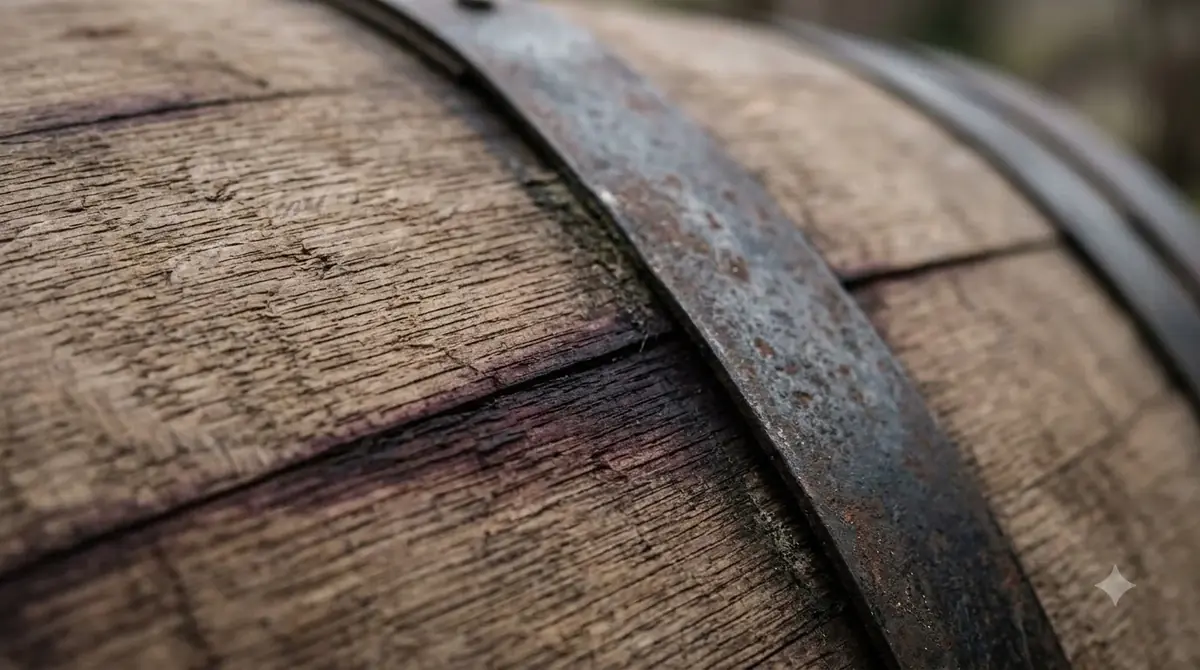
Once wood enters the picture, the visual profile shifts noticeably. Oak barrels are porous, allowing slow micro-oxygenation while extracting natural compounds from the toasted staves. As Wine Enthusiast notes in its guide to Chardonnay hues, the oxidative effect of oak adds both deeper color and fuller body, turning a pale straw liquid into medium or deep gold within months.
The Chardonnay Color Spectrum Explained
Sommeliers break white wine appearance down into four distinct tiers, each tied to specific cellar choices and climate conditions. Learning these stages makes it easy to spot stylistic differences across any lineup of Wine by Type.
| Color Stage | Visual Appearance | Winemaking & Aging | Expected Flavor Profile |
|---|---|---|---|
| Pale Straw / Greenish | Watery white core with faint lime or silver glints | Stainless steel tank, no oak, young vintage | Green apple, lemon zest, wet stone, brisk acidity |
| Lemon Yellow | Bright, clear medium-light yellow | Cool-climate fruit, neutral oak or partial lees contact | Meyer lemon, white peach, pear, subtle creaminess |
| Medium Gold | Warm, lustrous yellow-gold throughout the bowl | French or American oak aging, malolactic fermentation | Baked apple, vanilla, toasted hazelnut, butter |
| Deep Gold / Amber | Rich burnished gold with tawny or copper edges | Heavy new oak, warm climate, or extended bottle age | Caramelized pineapple, honey, dried apricot, bruised apple |
At the lightest end, pale straw bottlings come mostly from cool regions such as Chablis in northern Burgundy, where winemakers avoid new barrels to preserve chalky minerality. Moving into lemon yellow, you find wines that spent a few months resting on dead yeast cells, known as lees, or fermented in older neutral barrels that soften the texture without staining the wine.
Medium and deep gold represent the classic barrel-fermented expression popularized in California and richer white Burgundies. Here, malolactic fermentation converts sharp malic acid into softer lactic acid while new toasted barrels contribute golden pigments, vanilla, and baking spice. If the rim shifts all the way toward amber or brown, the wine is either decades old or has suffered unwanted oxidation after opening.
How Climate and Winemaking Shape the Hue
Vineyard temperature and cellar technique work together to determine how much pigment ends up in the bottle. Warmer growing regions produce riper grapes with higher sugar levels and thicker skins, which naturally yield juice with a deeper yellow tint before fermentation even begins.
In cooler climates—such as coastal Sonoma, Oregon’s Willamette Valley, or northern France—grapes retain higher acidity and lower phenolics, setting the stage for lighter wines. Conversely, sunny inland valleys in California or Australia push grapes toward tropical ripeness, creating fuller-bodied wines that show warm golden tones even with modest barrel contact.
Winemakers also manipulate color through skin contact and oak selection. Letting crushed grape skins soak briefly in the juice before pressing extracts extra phenolic compounds that deepen the eventual gold hue. Later, aging in new French or American oak barriques accelerates color development far faster than large neutral casks, meaning a two-year-old oaked California bottling can easily look darker than a ten-year-old unoaked Chablis.
How Bottle Age and Oxidation Affect Chardonnay
Time in the cellar transforms Chardonnay both visually and structurally, turning bright primary fruit into savory, nutty complexity. As years pass, tiny amounts of oxygen seep through the natural cork, slowly browning the phenolic compounds suspended in the wine.
A well-stored grand cru white Burgundy or age-worthy Napa Valley Chardonnay transitions gracefully from bright lemon to luminous gold over five to ten years. During this window, crisp apple and citrus flavors evolve into toasted almond, beeswax, dried fig, and honey. This upward color shift is the exact opposite of red grapes, as seen when comparing pinot noir color, which fades from opaque purple to pale brick as anthocyanin pigments drop out as sediment.
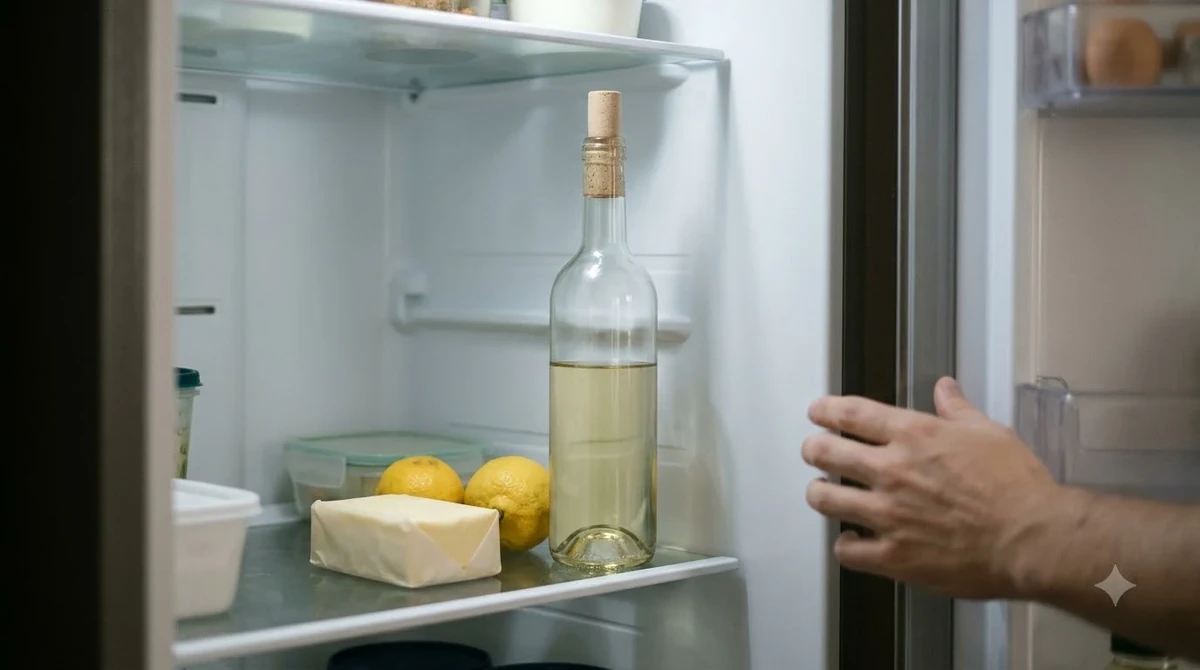
Not every dark Chardonnay is a prized cellar treasure, however. Premature oxidation—known in the wine trade as “premox”—can turn a young bottle flat, dark amber, and sherry-like well before its time. Similarly, leaving an open bottle on the counter exposes it to rapid oxygen damage; according to Wine Enthusiast’s Chardonnay overview, recorked bottles kept in the refrigerator stay fresh for only two to four days before oxidation dulls their color and flavor.
Tip: Hold your glass at a 45-degree angle against a white sheet of paper or tablecloth under natural light; looking straight down into a full bowl makes every white wine appear darker than it actually is.
Serving and Pairing by Color
Because appearance tracks closely with body and oak influence, you can use the shade in your glass to dial in serving temperature and dinner pairings. Lighter wines need colder temperatures to highlight their zesty acidity, while deeper golden bottles open up best when slightly warmer.
Serve pale straw and lemon-yellow Chardonnays chilled to around 45°F to 50°F, right out of the refrigerator. At this crisp temperature, they shine alongside raw oysters, ceviche, goat cheese salads, steamed mussels, and grilled white fish with lemon. If served too warm, unoaked styles can taste flat and lose their refreshing snap.
For medium- to deep-gold oaked bottlings, aim for 50°F to 55°F—roughly two hours in the fridge or 30 minutes in an ice-water bath—so the temperature does not mute their complex vanilla, toast, and baked fruit aromas. Their richer weight stands up effortlessly to roast chicken, lobster with drawn butter, seared scallops, mushroom risotto, and creamy pasta sauces.
How to Spot Style Differences Before Opening
Since dark green or amber glass bottles hide the liquid inside until you pull the cork, knowing a few label cues helps you predict the color and style at the wine shop. Producers rarely print “oaked” or “unoaked” on the front label, so regional clues do the heavy lifting.
Look first at the appellation and alcohol level. Bottles from Chablis, Petit Chablis, Macon-Villages, or cool coastal zones labeled “stainless steel fermented” almost always pour pale straw with brisk acidity. Higher alcohol levels—often 13.5% to 14.5% ABV—paired with warm-climate regions like Napa Valley, Russian River Valley, or Margaret River typically signal barrel fermentation and a deeper golden hue.
Color also helps clear up common misconceptions about sweetness. Many drinkers assume a rich, golden, vanilla-scented Chardonnay contains residual sugar, yet almost all commercial bottlings are fermented completely dry. If you are curious about how winemakers balance dry fermentation with lush fruit character, our guide on is chardonnay sweet or dry breaks down residual sugar levels across styles, just as understanding port color helps distinguish fortified sweet wines from dry table bottles.
Frequently Asked Questions
Why is my Chardonnay dark yellow or gold?
A dark yellow or golden hue usually means the wine was fermented or aged in oak barrels, which allow slow oxygen exposure and impart natural golden pigments from toasted wood. It can also indicate a warmer growing climate, extended bottle age, or oxidation if the bottle has been open for several days.
Does a darker Chardonnay mean it is sweeter?
No, a darker golden color does not mean the wine is sweet. Nearly all Chardonnay is fermented completely dry, and the deeper shade comes from oak aging, ripe fruit, or cellar time rather than leftover grape sugar.
What color is unoaked Chardonnay?
Unoaked Chardonnay is typically pale straw to light lemon yellow, often showing subtle greenish or silvery glints near the edge of the glass. Because it rests in airtight stainless steel rather than porous wood, it avoids oxygen browning and keeps its bright, youthful tint.
When is Chardonnay too dark to drink?
If a young Chardonnay looks dull amber, copper, or brownish rather than bright gold, it has likely oxidized and gone past its prime. While oxidized wine is safe to taste, it will smell flat like bruised apples or stale nuts rather than fresh fruit, making it better suited for cooking than sipping.
Paying attention to Chardonnay color turns a simple pour into an instant preview of what is waiting in your glass. Whether you prefer the pale, silvery brightness of stainless-steel Chablis or the burnished gold richness of barrel-aged California bottles, matching the hue to your meal and serving temperature guarantees a better experience every time.
More in Wine Types & Grapes
 Zinfandel Sugar Content: Dry Red vs. White Zinfandel GramsUpdated Nov 21, 2026
 Best Zinfandel Substitute Options for Sipping and CookingUpdated Nov 21, 2026
 Zweigelt Food Pairing: Best Dishes, Cheeses, and Serving TipsUpdated Nov 21, 2026
 Zinfandel Tannins Explained: How Structure Shapes Every BottleUpdated Nov 21, 2026
 Zinfandel Sweetness Level: Dry Red vs. Sweet White Zin ExplainedUpdated Nov 21, 2026
 Xinomavro Food Pairing: Best Dishes, Styles, and Serving TipsUpdated Nov 21, 2026