

We may earn a commission when you buy through links on this page, at no extra cost to you. Learn more.
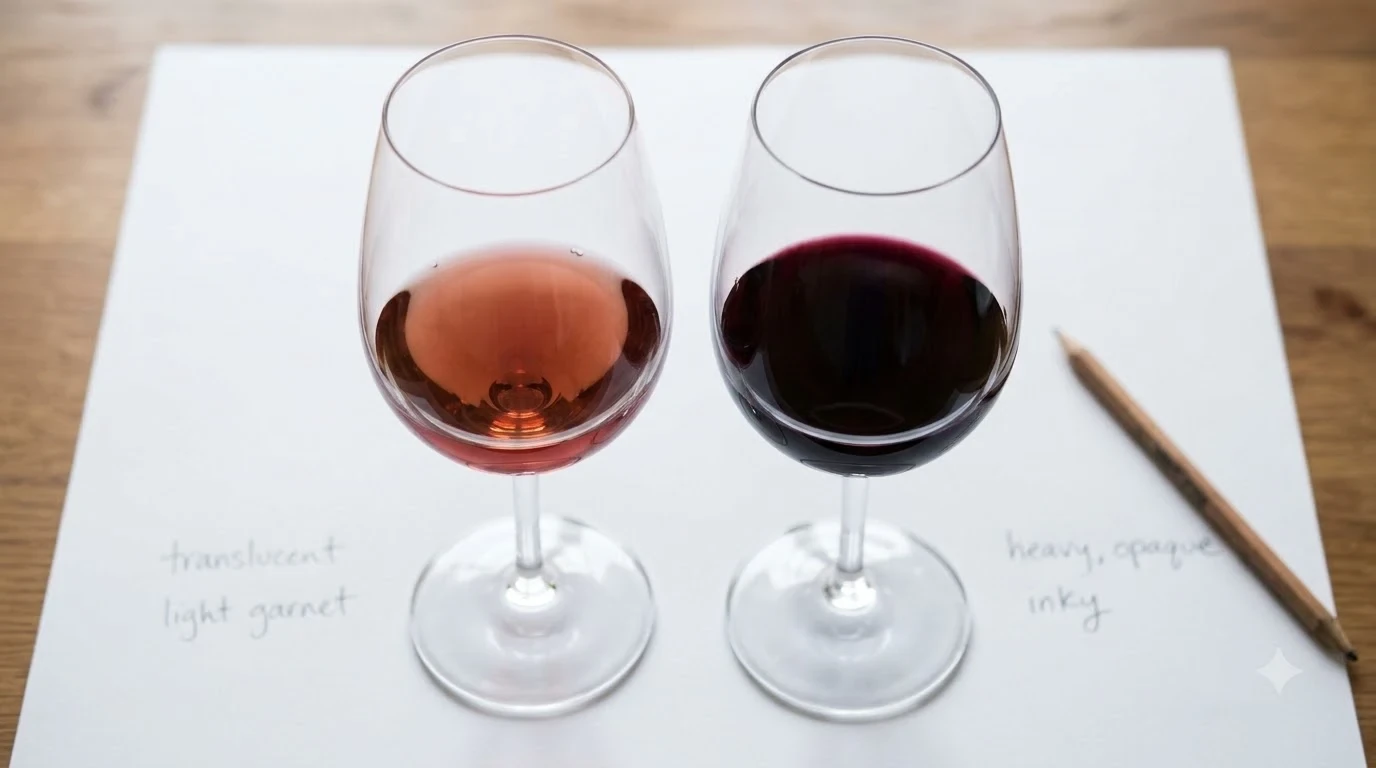
Pinot noir color usually ranges from a light ruby to a garnet shade, which is paler than many red wines. The lighter tone comes mostly from the thin skins of the grape and the amount of time the juice spends in contact with them. Color also shifts as the wine ages, so the shade gives you clues about style and maturity.
This guide explains why pinot noir looks the way it does in the glass, how winemaking and region shape its shade, and what color can and cannot tell you about the taste. It is written for everyday drinkers who want to read a glass with more confidence.
What Color Is Pinot Noir?
Pinot noir is a red wine, but it rarely looks as dark as a Cabernet Sauvignon or a Syrah. Most pinot noirs show a clear, bright ruby when young. As they develop, they move toward garnet, brick, and sometimes a light orange edge. Some wines look almost translucent at the rim, which surprises people who expect every red to be opaque.
The color comes from pigments in the grape skin called anthocyanins. Pinot noir has relatively little of this pigment compared with many other red varieties. That is why the wine often looks light even when it is fully fermented. Think of the color as a starting point for reading the wine, not a verdict on its quality.
Why Pinot Noir Is Lighter Than Other Reds
Pinot noir is lighter mainly because of its thin skins. Skins hold most of the color compounds in red grapes, so a thin-skinned variety gives up less pigment during fermentation. Reviewers at Rutgers Cooperative Extension note that thin-skinned varieties such as Pinot Noir are unusual in how they release color and flavor from the skins.
Winemakers also choose how gently to handle the fruit. Many pinot noir producers avoid heavy pressing and long extraction, because harsh handling can pull out bitter tannins along with color. The result is a wine that stays light and silky. This is a style decision as much as a grape trait, so two bottles from the same variety can look quite different.
Pinot noir also reaches the bottle with a clear, gentle structure. Its tannins are usually softer than those in bold reds. Lighter color often goes with lighter tannins, which is one reason the wine feels elegant rather than heavy. Keep in mind that pale color does not always mean low alcohol or low flavor. Check the label or the producer’s technical sheet for specifics.

How Grape Skin Contact Shapes the Color
Skin contact is the period when the juice sits with the skins during fermentation. The longer the contact, the more color and tannin the wine picks up. Because pinot noir has thin skins, winemakers often keep this period short or moderate if they want a lighter shade.
Cold soaking is one common choice. According to the Rutgers workshop notes on 2022 pinot noir evaluations, most participating wineries cold soaked their fruit for three to five days right after harvest. Dr. James Harbertson of Washington State University is quoted there saying that pinot noir was the earliest red wine to receive this treatment, and that it behaves more like a white grape in this step.
Other decisions also change the shade. Whole cluster fermentation adds stem character, and it can affect how the wine looks and feels. The workshop notes say a few wineries used it, but one reported that its experiment was not successful and went back to destemming. Each choice trades color for aroma, texture or structure, so the glass reflects a series of winemaking decisions.
Pinot Noir Color Across Regions and Styles
Region and climate influence how ripe the fruit is at harvest, and ripeness affects color. Cooler sites often produce lighter, brighter wines, while warmer sites can give deeper shades. The Rutgers notes say pinot noir in New Jersey can lose flavor and acidity during warm summers, which is one reason growers there favor northern sites for the still style.
Style matters as well. A sparkling pinot noir made for a Champagne-style blend is often pale, sometimes with a faint pink tint, because the juice is pressed off the skins early. Pinot gris, a related variety that is a color mutation of pinot noir, shows how far the shade can move. According to the Pinot gris entry on Wikipedia, the grape’s skins look pinkish-gray, and the wines range from deep golden to copper.
| Style | Typical shade | What drives it |
|---|---|---|
| Young still pinot noir | Bright ruby | Short to moderate skin contact |
| Aged still pinot noir | Garnet to brick at the rim | Time in barrel and bottle |
| Light rosé-style pinot noir | Pale pink to salmon | Brief contact with skins |
| Sparkling pinot noir | Pale, sometimes blush | Early pressing and bottle aging |
These groupings are general. Producers differ, and the label rarely states the shade, so use the table as a guide to what to expect rather than a rule for every bottle.
How Color Changes as Pinot Noir Ages
Young pinot noir tends to look bright and purplish at the center. Over time, pigments combine with tannins and other compounds, and the color softens toward garnet and brick. This shift is normal and does not automatically mean the wine has gone bad.
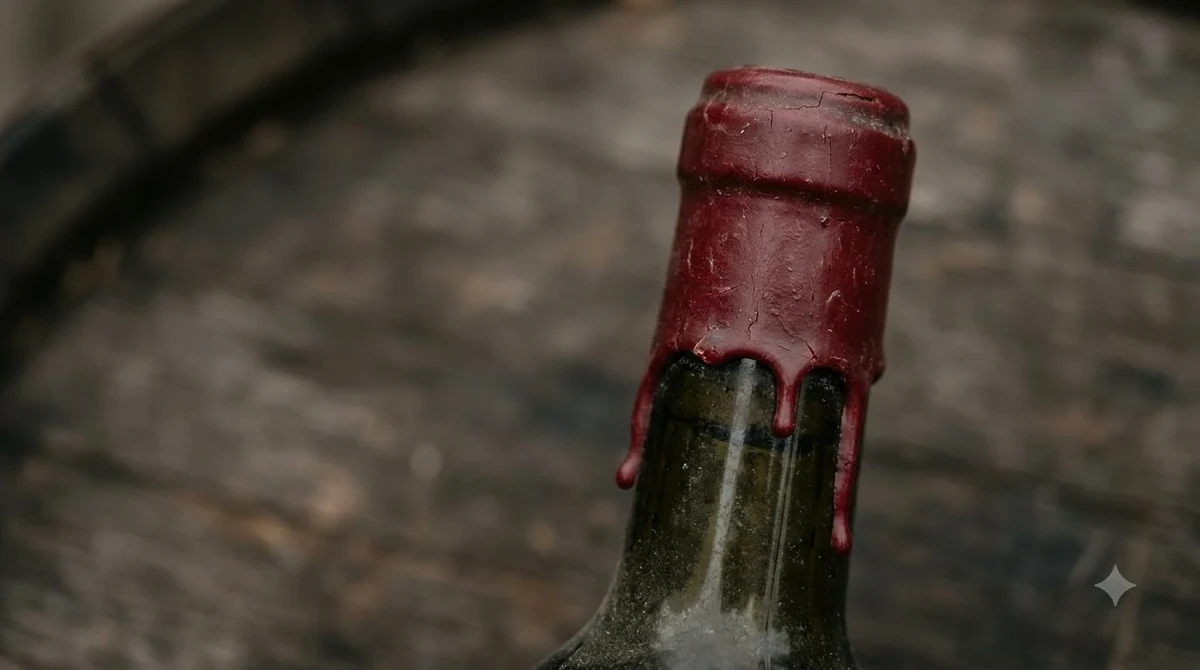
Oak aging also changes the shade. The Rutgers notes report that most wineries aged pinot noir for at least 16 months, and that most used 10 to 15 percent new oak. Oak can make the color appear more mature and can add subtle browning at the rim. Dr. Anita Oberholster of UC Davis is quoted in the same notes warning that too much new oak can overwhelm the fruit, so balance matters as much as shade.
Watch the rim of the glass rather than the center. A slight amber or brick edge on an older wine is common. Deep browning across the whole glass can suggest the wine has aged past its best or has been stored poorly. If you are unsure, check the vintage and storage history, or ask the seller.
What Pinot Noir Color Tells You About Taste and How to Judge It
Color gives hints about taste, but it is not a precise measure. A lighter wine often shows brighter red fruit and higher acidity, while a deeper wine may suggest more concentration. Fruit style, oak, and tannin matter more for the final flavor. If you want to learn more about flavor, read what pinot noir tastes like before you buy.
To judge color in a glass, tilt the glass against a white background and look at the rim. Note whether the edge is ruby, garnet, or brick. Then look at the center for depth and clarity. Clear, bright color usually points to a fresh wine, while cloudiness can signal a sediment or a wine that needs time to settle.
- Pour a small amount into a clear glass and hold it against white paper or a tablecloth.
- Look at the rim first, then the center, and note whether the shade is ruby, garnet or brick.
- Check clarity. Bright wine is usually fresh, while a hazy wine may be unfiltered or unsettled.
- Swirl gently and smell before you sip, because aroma tells you more about the style than color alone.
Tip: Pale color does not mean a weak wine. Judge the bottle by its style, vintage and the producer’s technical information, and drink responsibly.
If you are comparing bottles, the alcohol level is another useful number. You can read more in pinot noir alcohol content. For a broader look at red styles, the Wine by Type hub groups pinot noir with other varieties.
Frequently Asked Questions
Why is pinot noir lighter in color than other red wines?
Pinot noir has thin skins, and the skins hold most of the color pigments in red grapes. Winemakers often keep skin contact moderate to protect softer tannins. Together, these factors give the wine a lighter shade than many bolder reds.
Does pinot noir color change as it ages?
Yes. Young pinot noir looks bright ruby, and older bottles often show garnet or brick at the rim. This change is normal. Check the vintage and storage conditions if the color looks unusually brown across the whole glass.
Can you tell how sweet pinot noir is from its color?
No. Color is a weak clue about sweetness. Most still pinot noirs are dry, and sweetness depends on how the winemaker finished the fermentation. Read the label or the producer’s description for style details.
Is a pale pinot noir lower quality?
Not necessarily. Pale color often reflects a light style, a cooler site or a deliberate choice to limit skin contact. Quality depends on balance, fruit character and winemaking. Taste the wine and compare it with others in the same style.
Pinot noir color is a useful first clue, not a final grade. Look at the rim, consider the style and the vintage, and then decide what you enjoy. Once you understand the shade, the rest of the glass becomes easier to read.
More in Wine Types & Grapes
 Zinfandel Sugar Content: Dry Red vs. White Zinfandel GramsUpdated Nov 21, 2026
 Best Zinfandel Substitute Options for Sipping and CookingUpdated Nov 21, 2026
 Zweigelt Food Pairing: Best Dishes, Cheeses, and Serving TipsUpdated Nov 21, 2026
 Zinfandel Tannins Explained: How Structure Shapes Every BottleUpdated Nov 21, 2026
 Zinfandel Sweetness Level: Dry Red vs. Sweet White Zin ExplainedUpdated Nov 21, 2026
 Xinomavro Food Pairing: Best Dishes, Styles, and Serving TipsUpdated Nov 21, 2026