
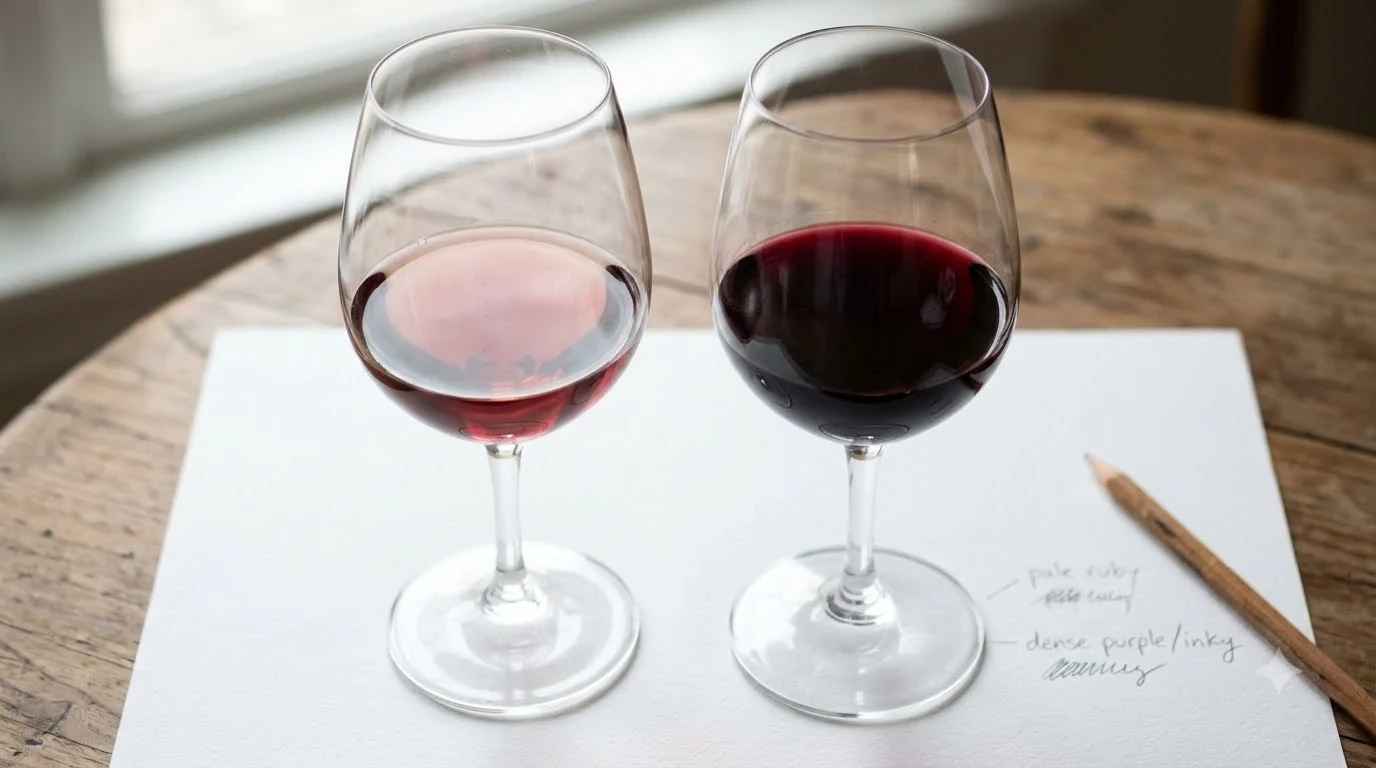

We may earn a commission when you buy through links on this page, at no extra cost to you. Learn more.
What does Pinot Noir taste like? Most often it tastes of red fruit such as cherry and raspberry, with earthy notes of forest floor and mushroom, a light-to-medium body and lively acidity. The exact flavors shift with the vineyard, the vintage and the winemaking, but those core traits show up across most bottles. The result is a red wine that feels silky and fresh rather than heavy or drying.
This guide explains the flavors you are likely to notice in Pinot Noir, how its structure compares with other red wines, and how the place it grows changes the glass. It also covers serving tips and food matches, so you can choose a bottle with more confidence. If you are new to red wine, the basics here will help you decide whether this style suits your palate.
What Pinot Noir Tastes Like
Pinot Noir is best described as fruit-forward but delicate. The fruit tends to be bright and red rather than dark and jammy, and the wine often has a soft, elegant character. Many people describe the first sip as fresh and juicy, followed by a gentle earthy finish that lingers after the fruit fades.
According to the Wine Folly Pinot Noir guide, the grape’s flavors come largely from aroma compounds called esters, which give it a complex range of notes. That complexity is why a single glass can seem to change as it opens up. Younger wines lean toward fresh fruit, while older bottles often show savory, leathery and mushroom notes.
Because the flavors are layered, Pinot Noir rewards slow sipping. Try a small taste, then wait a minute and smell the glass again. You will often find new aromas after the wine has been in the air for a few minutes.
Common Flavors in Pinot Noir
Red fruit is the most common flavor family in Pinot Noir. Expect cherry, raspberry and cranberry as the lead notes, with plum appearing in some bottles. Many wines also show a touch of spice, and some carry hints of tea leaves or clove.
Earthy notes are the second big family. These range from forest floor and damp soil to mushroom and dried herbs. Oak aging can add gentle vanilla, smoke or baking spice. The fruit and earth balance is one reason many beginners find Pinot Noir approachable, since the earthiness adds interest without overwhelming the fruit.
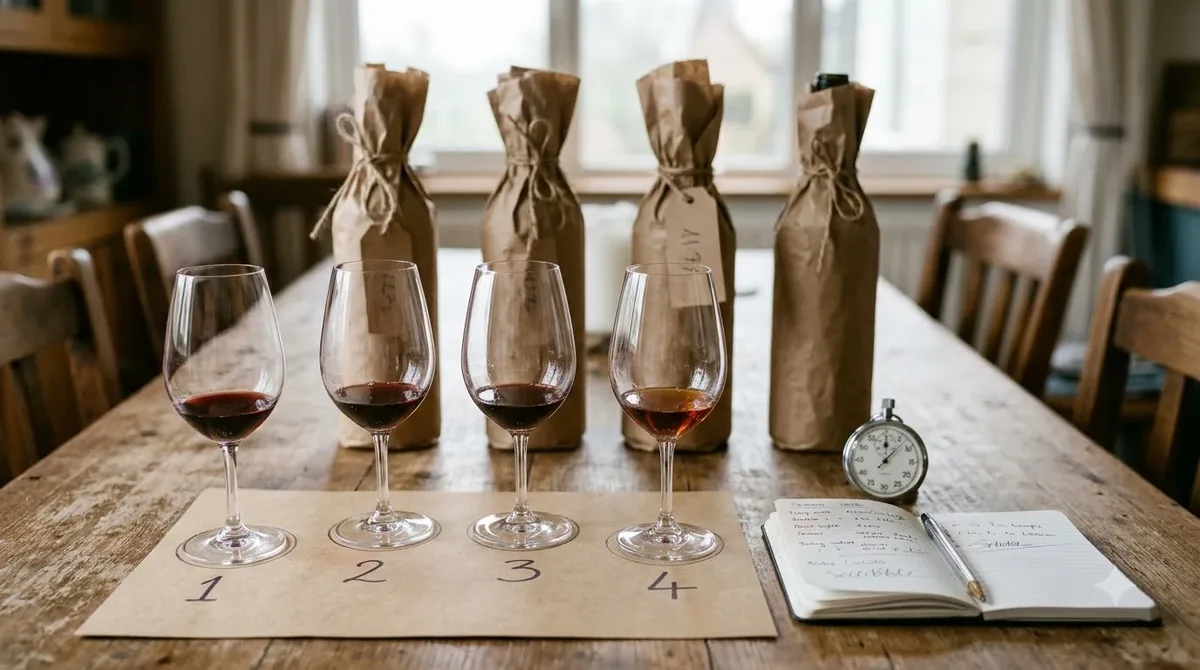
| Flavor group | Typical notes | Where you may notice it |
|---|---|---|
| Red fruit | Cherry, raspberry, cranberry | Fresh, young bottles |
| Dark fruit | Plum, black cherry | Riper or more intense bottles |
| Earth | Forest floor, mushroom, damp leaves | Mature bottles and Old World styles |
| Spice and oak | Clove, vanilla, smoke, cocoa | Wines aged in oak barrels |
Tip: If you pick up cranberry or tart red fruit, that is typical of cooler-climate Pinot. Richer black cherry usually points to a warmer growing area.
Body, Tannin, and Acidity
Body describes how the wine feels in your mouth. Pinot Noir is usually light to medium-bodied, which makes it feel less heavy than many red wines. Its weight is closer to a gentle, smooth texture than a thick, chewy one.
Tannin is the drying sensation that comes from grape skins and seeds. Pinot Noir has lower tannins than many red grapes, partly because its skins are thin. That lower tannin level is a big reason the wine feels soft and silky. If you prefer red wines that do not leave your mouth dry, Pinot Noir is often a comfortable choice.
Acidity gives wine its freshness and makes your mouth water. Pinot Noir typically has high acidity, which keeps the fruit bright and lifts the flavors. Some reviewers describe Oregon examples as tart, with a sense of red citrus. Alcohol is usually moderate, and the manufacturer or label will list the exact percentage for a given bottle.
How Pinot Noir Compares to Other Red Wines
Summary: Pinot Noir is lighter in body and tannin than many popular reds, but it has more acidity and a more delicate fruit profile than most. If you usually drink bold, dark red wines, Pinot Noir may taste surprisingly fresh and subtle. For a broader overview of the red family, see what does red wine taste like.
Compared with a full-bodied red, Pinot Noir shows less dark fruit, less grip and fewer drying tannins. Its fruit is brighter and its finish is usually cleaner. Compared with a light red such as Gamay, Pinot Noir often feels more structured and shows more earthy depth. The thin skins of the grape are a key reason for this middle position.
Pinot Noir can also feel like a bridge for drinkers who usually choose white wine. Its acidity and fruit may remind you of a crisp white, while its red color and earthy notes add something new. If you enjoy lighter whites, you may find a good match in what does pinot grigio taste like, which helps you compare crisp flavors with red-fruit styles.
How Regions Change the Taste
Summary: Where a Pinot Noir is grown changes its flavor more than almost any other factor. Cooler areas tend to produce tart, earthy wines, while warmer spots give riper, fruitier bottles. Learning a few regional patterns makes shopping much easier.
Pinot Noir is sensitive to climate, soil and weather, so the same grape can taste very different from one place to another. Wine Folly notes that the grape tends to prefer intermediate climates with long, cool growing seasons. Use the table below as a starting point, then check each producer’s tasting notes.
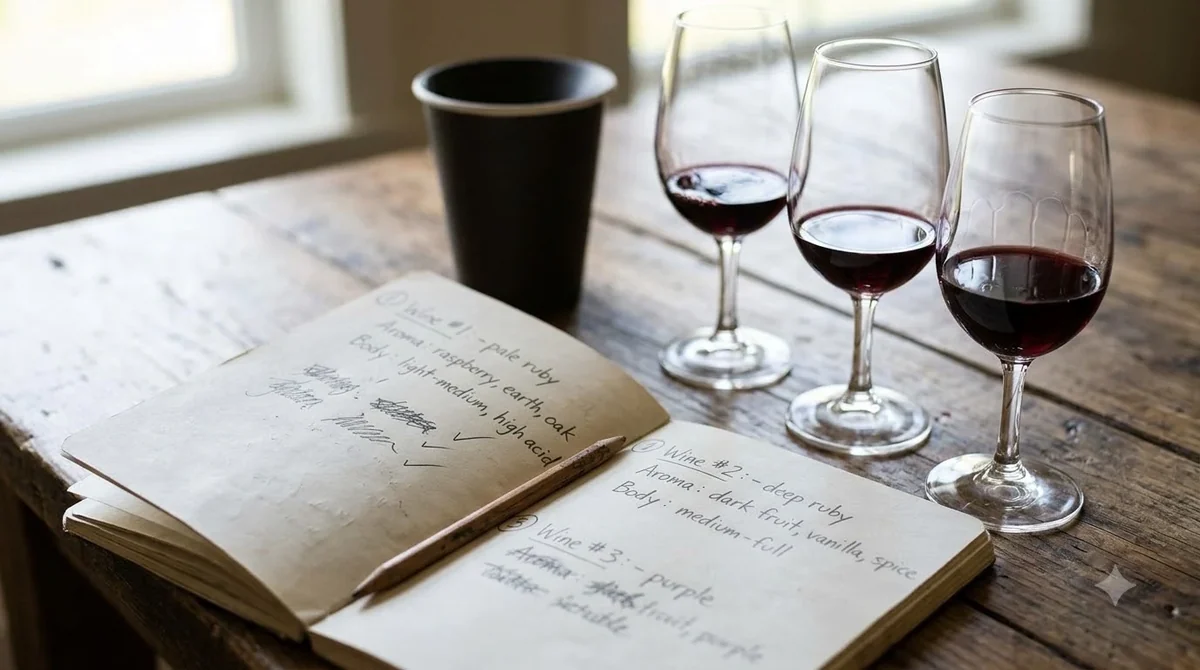
| Region | What to expect |
|---|---|
| Burgundy, France | Earthy, floral and more restrained, with cherry and savory notes |
| Oregon, USA | Lighter color, tart, with cranberry, Bing cherry and mushroom |
| California, USA | Bigger and more fruit-forward, with black cherry and vanilla from oak |
| Germany (Spatburgunder) | Fresh red cherry with savory notes and smooth tannins |
| New Zealand | Vibrant red and dark berries with earthiness and good structure |
The Wine Folly tasting challenge on Oregon Pinot Noir describes a style that is light but complex, with earthy notes that make it suitable for beginners. If you are unsure where to start, Oregon bottles often sit between the lush fruit of California and the earthier style of Burgundy.
How to Choose and Serve Pinot Noir
Summary: To choose a Pinot Noir that suits you, decide whether you prefer fresh red fruit or earthy depth, then pick a region to match. Serving the wine slightly cool and in the right glass will bring out its aromas.
Wine Folly suggests serving Pinot Noir slightly cooler than room temperature, around 55 to 60 degrees Fahrenheit. A chill for about 15 minutes in the fridge can help if the bottle has been sitting out. Many young bottles also benefit from roughly 30 minutes of decanting, and a wide-bowled glass helps the aromas reach your nose.
- Decide whether you want fresh red fruit or earthy depth.
- Pick a region that fits that style, such as Oregon for brighter fruit or Burgundy for earth.
- Check the label for the producer’s tasting notes and the vintage.
- Chill the bottle slightly and pour into a wide glass.
- Let the wine open for a few minutes, then smell and sip again.
Pinot Noir pairs well with many foods. Wine Folly points to salmon, duck and mushroom dishes as strong matches, since the acidity cuts through rich food and the earthy notes echo savory flavors. Roast chicken, grilled vegetables and soft cheeses also work nicely. Always drink responsibly and pace yourself, especially when sharing a bottle with friends.
Frequently Asked Questions
Is Pinot Noir sweet?
Most Pinot Noir is dry, which means it has little or no residual sugar. Its fruit can taste ripe and fresh, so it may seem slightly sweet to some drinkers. Check the producer’s tasting notes if you want a sense of how the fruit comes across.
Is Pinot Noir a light red wine?
Yes, Pinot Noir is usually considered a light to medium-bodied red. Its thin skins give it lower tannins, which makes it feel smoother than many bold reds. Bottles from warmer regions can feel fuller, so the weight varies.
What is the difference between Pinot Noir and Cabernet Sauvignon?
Pinot Noir is lighter, with higher acidity and softer tannins, and it leans toward red fruit and earth. Cabernet Sauvignon is typically fuller, with more tannin and darker fruit. The difference comes mainly from the grape and the thickness of its skins.
Should I decant Pinot Noir?
Many young Pinot Noir bottles benefit from about 30 minutes of decanting, according to Wine Folly. Letting the wine breathe can reveal more aroma. Older bottles may need less air, so pour gently and taste as you go.
Pinot Noir is a rewarding place to start if you want red wine that feels fresh and layered. Try a few bottles from different regions to see which fruit and earth balance you enjoy most. For a wider look at red styles, browse Wine by Type and build your tasting list from there.
More in Wine Types & Grapes
 Zinfandel Sugar Content: Dry Red vs. White Zinfandel GramsUpdated Nov 21, 2026
 Best Zinfandel Substitute Options for Sipping and CookingUpdated Nov 21, 2026
 Zweigelt Food Pairing: Best Dishes, Cheeses, and Serving TipsUpdated Nov 21, 2026
 Zinfandel Tannins Explained: How Structure Shapes Every BottleUpdated Nov 21, 2026
 Zinfandel Sweetness Level: Dry Red vs. Sweet White Zin ExplainedUpdated Nov 21, 2026
 Xinomavro Food Pairing: Best Dishes, Styles, and Serving TipsUpdated Nov 21, 2026