

We may earn a commission when you buy through links on this page, at no extra cost to you. Learn more.
What does red wine taste like? Most red wines taste dry, fruity and structured, with flavors that run from red berries to dark plum and spice. Tannin, acidity, fruit and oak work together to shape that flavor. Once you understand those four parts, you can make a reasonable guess about a bottle before you open it.
This guide explains the main building blocks of red wine flavor in plain language. It also shows how grape variety, oak aging and serving temperature change what you taste, so you can choose your next bottle with more confidence.
What Red Wine Tastes Like in General
Red wine generally tastes dry, with fruit flavors, a drying feel on the gums and cheeks, and a warm finish. The exact profile depends on the grape, the climate where it grew, the winemaking and the age of the bottle.
Most red wines are dry, meaning they keep very little leftover sugar after fermentation. A Virginia Tech blog on wine flavor analysis notes that wines with less than 10 grams of sugar per liter are generally considered dry. That is why a typical red does not taste sweet the way a dessert wine does.
Beyond sweetness, four basic traits shape the taste: alcohol, tannin, sweetness and acidity. Alcohol adds warmth, tannin adds bitterness and grip, and acidity adds freshness. Fruit and oak flavors sit on top of that structure. Serving temperature matters too, since cooler wine tends to taste more acidic and warmer wine can feel fuller.
The Main Flavor Components: Tannin, Acidity, and Body
Tannin, acidity and body are the three structural features that most affect how a red wine feels in your mouth. Learning to notice each one helps you predict a bottle’s character.
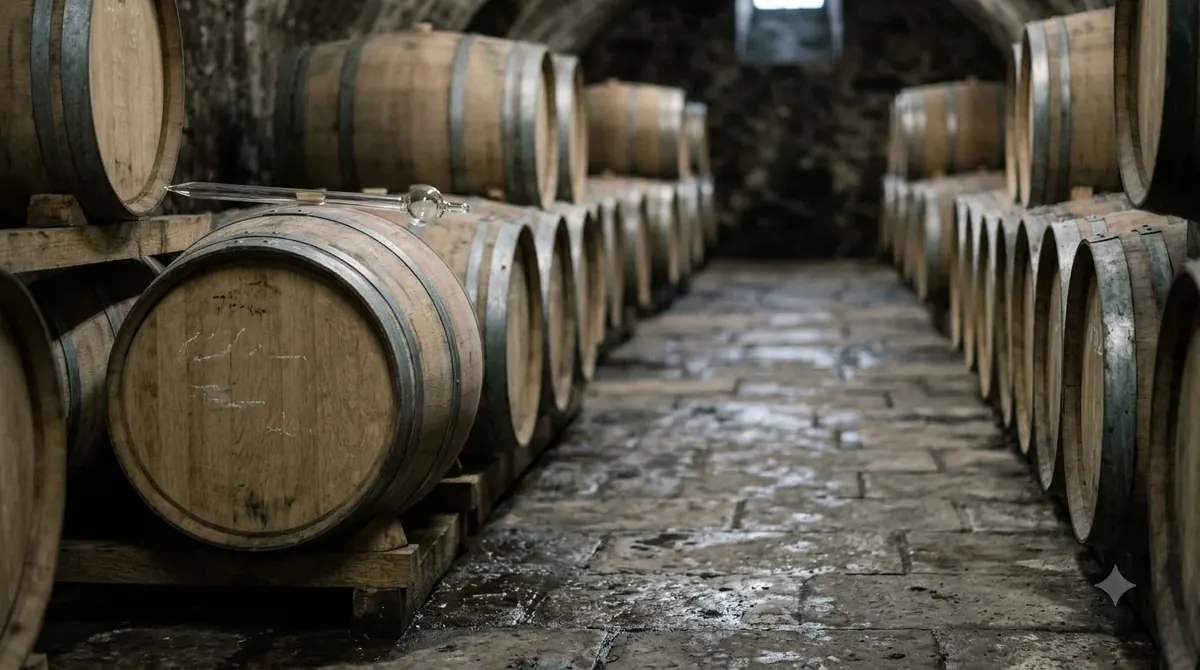
Tannin comes mainly from grape skins and seeds, and it can also come from oak barrels. Virginia Tech’s Enology Notes explain that lower molecular weight phenols tend to taste bitter, while higher molecular weight tannins feel astringent. Astringency is the puckering, drying sensation you feel on your gums and the inside of your cheeks.
Red wines usually carry more tannin than white wines, which is why they often taste drier. Young reds can feel firm and grippy, while older bottles tend to have softer, smoother tannins. Protein and fat in food soften that grip, which is why a steak and a firm red often feel balanced together.
Acidity makes red wine taste fresh and lively. Grape acids, mainly tartaric and malic, provide the sourness. A red with brighter acidity tends to feel more food friendly, while a low-acid red can taste soft or flat. Acid and tannin interact, so a juicy red can seem less drying than a heavily tannic one.
Body describes how heavy the wine feels, similar to the difference between skim milk and cream. Alcohol and extract drive body. Fuller reds feel rich and coating, while lighter reds feel slender and easy to drink. Higher alcohol can also add a warm, hot feeling in the throat.
| Component | What you notice | How it shapes the taste |
|---|---|---|
| Tannin | Drying, grippy, slightly bitter | Young reds feel firm; softer with age |
| Acidity | Sour, fresh, mouth-watering | Makes the wine feel lively and brighter |
| Body | Weight and texture on the palate | Ranges from slender to rich and coating |
| Alcohol | Warmth in the throat | Higher levels feel hotter and fuller |
Tip: Sip a red, then eat a bite of cheese or bread and taste the wine again. If it suddenly feels smoother, tannin is doing most of the work.
Fruit and Oak Flavors You Will Notice in Red Wine
Most red wines show fruit, usually red berries in lighter styles and dark berries or plum in fuller ones. Oak aging can add vanilla, toast, cedar, clove or smoke on top of that fruit. Together they set the first impression of the wine.
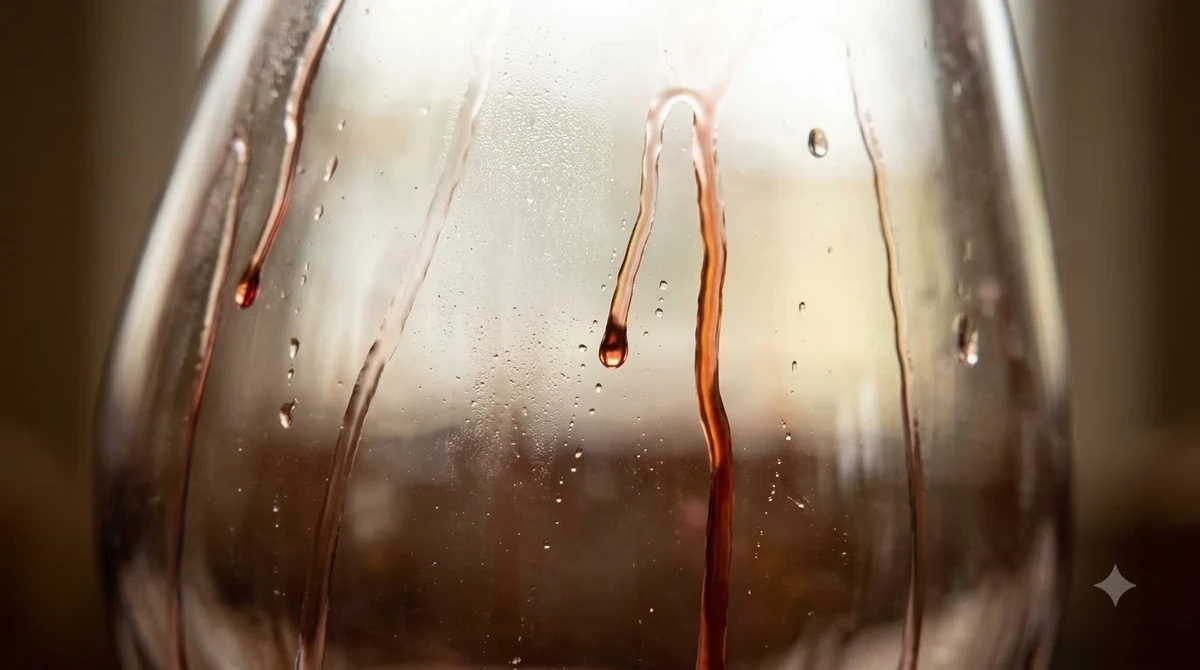
Lighter reds often show cherry, raspberry, strawberry or cranberry. Fuller reds more often show blackberry, black cherry, blueberry or plum. The character of the fruit also depends on ripeness, since riper grapes tend to taste jammy and cooler-climate grapes tend to taste fresh and tart. Some reds also show spice, pepper, herbs or earthy notes.
Oak adds flavor in two ways. Barrels release aromas such as vanilla and toast, and they contribute tannin as well. The Virginia Tech flavor blog points out that oak chips contain tannins, which is why oak-aged wines can taste drier. Newer barrels usually add stronger spice and vanilla than older ones.
Oak aging is a winemaking choice, so the amount you taste varies. Heavily oaked reds can mask the fruit, while lightly oaked reds keep the fruit in front. Over time, oak and tannin integrate, and the wine feels smoother. Check the winery’s tasting notes or technical sheet to learn how the wine was aged.
How Red Wine Flavor Differs by Grape
Grape variety sets the basic flavor template for red wine. Lighter, brighter grapes taste different from bold, tannic grapes, even when both are dry. Knowing a few general patterns helps you predict a bottle before you buy it.
Some common patterns to keep in mind:
- Pinot Noir often feels light to medium-bodied, with red fruit, soft tannin and bright acidity.
- Merlot often feels medium-bodied and smooth, with plum and dark cherry notes.
- Cabernet Sauvignon is usually fuller and firmer, with blackcurrant and cedar notes. Read more about what does cabernet sauvignon taste like for details.
- Syrah and Zinfandel can be rich and bold. Zinfandel from some regions is often high in alcohol, which adds body and warmth.
The Virginia Tech Enology Notes describe a similar pattern. High-alcohol wines, such as some California central coast Syrahs or Zinfandels, carry more body or volume. Those wines often feel rich, and their tannins can seem more noticeable against that weight.
Keep in mind that these are general tendencies. Winemaking, climate and vintage can shift a wine far from its grape’s usual profile. Use grape names as a starting point, then adjust based on the bottles you enjoy most.
Red Wine Taste Compared to White Wine
Red wine usually tastes drier, fuller and more tannic than most white wines. White wine tends to taste crisper and lighter, though both can be dry. The main difference is structure, not sweetness alone.
Red wines get their color and grip from skin contact during fermentation, which pulls tannin into the wine. Most white wines are fermented without skin contact, so they usually have less tannin. That leaves acidity and fruit to carry most of the structure in a white, which is why whites often feel bright and light.
A Virginia Tech food and wine pairing guide notes that white wine acidity and red wine tannins are the most important features for cleansing the palate and matching food. If you want a sense of a lighter white, read what does pinot grigio taste like. For a sparkling comparison, see what does prosecco taste like.
How to Describe What You Taste and Choose Your First Red
Describing red wine is easier when you follow a simple sequence and use a flavor wheel. Start with sight, then smell and taste, and focus on structure before fruit names.
Professional tasters often follow five steps: see, swirl, smell, sip and savor. Many tasters spit rather than swallow when they taste many samples, which helps them stay sharp. The flavor wheel divides descriptors into 12 categories in the inner ring, with more specific terms on the outer rings.
For a first bottle, look for a red with softer tannins and clear fruit. Lighter reds such as Pinot Noir-style wines are often a gentle starting point. Read the back label or the winery’s website for the grape, region and aging notes. For more ideas, browse Wine by Type.
Frequently Asked Questions
Is red wine sweet or dry?
Most red wines are dry, which means they contain very little leftover sugar. A Virginia Tech blog notes that wines with less than 10 grams of sugar per liter are generally considered dry. Some red wines can taste fruity, but fruit flavor is not the same as sweetness.
Why does red wine taste bitter?
Red wine often tastes bitter because of tannins from grape skins, seeds and sometimes oak barrels. Lower molecular weight phenols tend to taste bitter, while higher molecular weight tannins feel drying. Food with fat or protein can soften that effect.
Does red wine always taste like fruit?
Most red wines show some fruit, but the type varies by grape and climate. Lighter reds often taste of red berries, while fuller reds can show dark fruit. Oak, spice and earthy notes can also be strong in some bottles.
What red wine should a beginner try first?
A lighter red with softer tannins and clear fruit is often an easy starting point. Look for a bottle that lists its grape and region on the label. Reading a few tasting notes can help you learn which flavors you enjoy most.
Understanding tannin, acidity, fruit and oak gives you a reliable way to predict red wine flavor. Start with a few styles, take notes on what you like, and enjoy red wine in moderation. You can keep exploring with Wine by Type as you build your preferences.
More in Wine Types & Grapes
 Zinfandel Sugar Content: Dry Red vs. White Zinfandel GramsUpdated Nov 21, 2026
 Best Zinfandel Substitute Options for Sipping and CookingUpdated Nov 21, 2026
 Zweigelt Food Pairing: Best Dishes, Cheeses, and Serving TipsUpdated Nov 21, 2026
 Zinfandel Tannins Explained: How Structure Shapes Every BottleUpdated Nov 21, 2026
 Zinfandel Sweetness Level: Dry Red vs. Sweet White Zin ExplainedUpdated Nov 21, 2026
 Xinomavro Food Pairing: Best Dishes, Styles, and Serving TipsUpdated Nov 21, 2026