

We may earn a commission when you buy through links on this page, at no extra cost to you. Learn more.
Pinot noir alcohol content usually falls in a moderate range, and the exact figure appears on the bottle label as ABV. Cool growing regions such as Oregon often produce wines toward the lighter end of that range. Ripeness, climate and winemaking decisions all push the final number up or down.
This guide explains what a typical Pinot Noir alcohol level looks like, why the number changes between regions, and how to read the label with confidence. It also compares Pinot Noir with two other popular reds and whites so you can judge what you are pouring.
What Is the Typical Alcohol Content of Pinot Noir?
Most Pinot Noir sits in a moderate alcohol band rather than at the extremes. The range is not fixed, because each producer picks grapes at a different level of ripeness and makes different winemaking choices. Think of the typical range as a guide, not a promise for every bottle.
According to an Oregon State PACE blog post on Oregon Pinot Noir, cooler growing regions often produce wines between 12% and 14% ABV. The author links that range to a balance that supports aging in the bottle. That is a useful reference point when you compare a bottle from a cool climate with one from a warmer site.
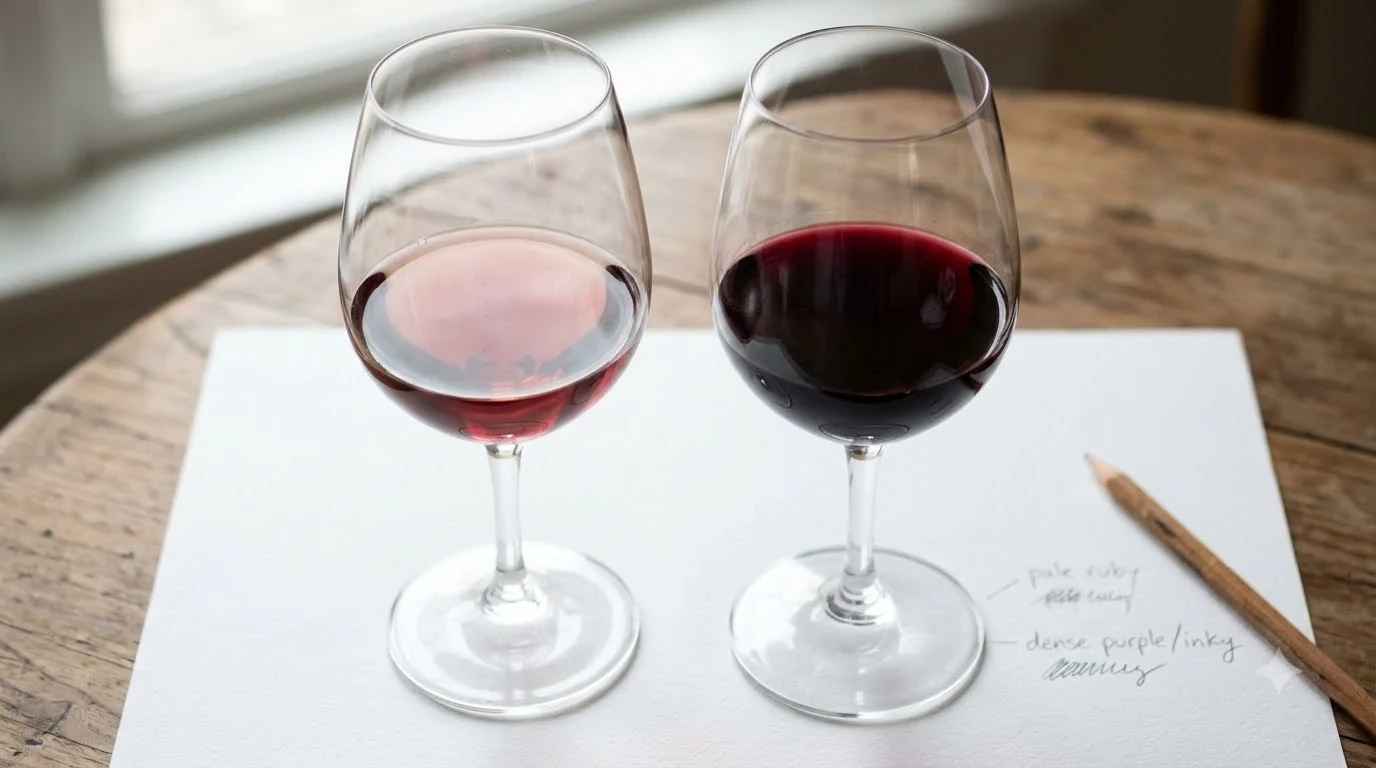
Alcohol level is also tied to how the wine feels in the mouth. A wine with higher alcohol can taste fuller and warmer, while a lower-alcohol wine often feels lighter and brighter. Neither style is better by default. Your preference depends on the food you plan to serve and the mood of the evening.
Why Pinot Noir Alcohol Content Varies by Region
Region matters because it shapes how quickly grapes ripen. Sugar in the grape turns into alcohol during fermentation, so a riper grape usually leads to a stronger wine. Cooler sites ripen grapes more slowly, which tends to keep sugar and alcohol more moderate.
Oregon is the example most often cited for cool-climate Pinot Noir. The same PACE post notes that the state’s cool climate keeps sugar levels in check even during warm vintages. For you as a buyer, that means an Oregon bottle is often a reasonable choice if you want a Pinot that is not heavy on the palate.
Burgundy-style Pinot Noir, meaning wines made in the spirit of the French region, is generally known for restraint and finesse. Producers in that style tend to aim for elegance rather than power, which usually points toward moderate alcohol. California Pinot Noir covers a wide span, since coastal sites are cooler and inland sites can be much warmer. A California label can therefore read higher or lower depending on where the grapes came from.
How Ripeness and Climate Affect ABV
Ripeness is the single biggest driver of the final alcohol number. Growers decide when to harvest based on sugar, acid, flavor and tannin development. Picking later usually means more sugar and more alcohol, but it can also bring jammy or cooked flavors if the fruit is overripe.
The MedlinePlus research pages on Pinot Noir and other wines point out how much flavor depends on the grape, but they do not set ABV targets. The Oregon State post offers a clearer picture. It says that in cooler climate growing regions, sugar levels stay relatively low even in the warmest years, which keeps alcohol in a moderate band.
A machine learning study of New Zealand Pinot Noir from the research team behind a PMC-hosted article adds useful context. The authors note that temperature is central to quality. Overly hot weather can overripen the fruit, while very cold weather can leave it sour and thin. That balance also influences how much sugar the grapes reach before harvest.
Reading Pinot Noir ABV on the Label
Every US wine label that lists alcohol shows it as a percentage of volume, usually written as alcohol by volume or ABV. Look for this statement on the back or front label. The number is the most direct way to compare the strength of two bottles.
- Find the alcohol statement, usually near the bottom of the label or on the back.
- Note the percentage and compare it with the typical range for Pinot Noir.
- Check the region on the label, since cool-climate appellations often produce moderate levels.
- Look at the vintage and producer notes if the label includes them, because a warm year can raise the number.
Keep in mind that a label may show a small tolerance around the stated figure, and the number reflects the finished bottle rather than the grapes. If you need precise information for a medical or dietary reason, check the label directly or contact the producer. For general drinking decisions, the ABV is a reliable guide to strength.
Pinot Noir vs. Sauvignon Blanc and Cabernet Sauvignon Alcohol
Pinot Noir is often compared with other popular varieties because many drinkers want a similar style. The fairest comparison looks at calories per serving, which the MedlinePlus calorie reference lists for a standard five-ounce pour. Calories track closely with alcohol, so the numbers give a useful sense of relative strength.
| Wine (5 fl oz serving) | Color | Calories listed | Typical alcohol note |
|---|---|---|---|
| Pinot Noir | Red | 121 | Moderate; cool regions often 12% to 14% ABV |
| Cabernet Sauvignon | Red | 122 | Often fuller and firmer; check the label |
| Sauvignon Blanc | White | 128 | Check the label; styles vary by producer |
The calorie figures sit close together, which suggests the three wines are similar in typical strength. Cabernet Sauvignon is generally described as a bolder, more structured wine, so many bottles run toward the fuller side. Sauvignon Blanc is a white, and its calorie count is slightly higher on the list, so check its label as well.
For a closer comparison, read each bottle’s own ABV rather than relying on a general category. Producers and regions shift the number more than the grape alone. Use the table as a starting point, then confirm with the label on the bottle in front of you.
How Winemaking Choices Change the Final Proof
Winemakers influence alcohol through decisions made after harvest. Choices about when to pick, how to press, how long to ferment and whether to add water or sugar all affect the final level. Rules on additions vary by country, so the label and producer notes are the best place to check.
Harvest timing is the most important of those choices. A winemaker who picks earlier may keep alcohol lower and acidity higher. A winemaker who waits for fuller ripeness may end up with a stronger wine, which is part of why one producer’s Pinot can differ from another’s even in the same region.
Fermentation also plays a role. Letting yeast work to dryness converts most of the sugar into alcohol, while stopping fermentation earlier leaves more sugar and less alcohol. Pinot Noir is normally made dry, so the main levers are the picking date and the grapes themselves. For a broader view of how drinks compare by serving, the MedlinePlus calorie list shows how serving size changes what you consume.
Oak and aging do not raise alcohol, but they change how the wine tastes at a given strength. Tannin and structure help a wine feel balanced, which can make a moderate alcohol level seem richer or lighter. That is why two Pinots with the same ABV can taste quite different in the glass.
Serving Tips for Lower and Higher Alcohol Pinot Noir
Serving temperature and glass shape can change how the alcohol feels. Slightly cool red wines often taste fresher and less hot, so a light chill before pouring is a common approach. Wider glasses let aromas open, which can make a fuller bottle feel more balanced.
When you pour a higher-alcohol Pinot, smaller pours often make more sense. Pairing it with food, especially dishes with some fat or protein, slows the pace of drinking and softens the impression of strength. Lower-alcohol bottles suit longer meals and casual gatherings.
Responsible drinking matters with any wine. Keep track of how many glasses you pour, drink water between glasses, and plan a safe way home. If you have questions about alcohol and your health, talk with your health care provider.
Tip: If two bottles of Pinot Noir look similar on the shelf, compare their ABV first. The number gives you a quick, reliable read on strength before you consider style or price.
Frequently Asked Questions
What is the typical pinot noir alcohol content?
Most Pinot Noir falls in a moderate range, and the exact figure is printed on the label as ABV. Cooler growing regions often produce wines between 12% and 14% ABV, according to an Oregon State PACE blog post. Always check the bottle, since producers differ.
Why does Pinot Noir alcohol vary between bottles?
Ripeness at harvest is the biggest factor, because sugar in the grapes becomes alcohol during fermentation. Climate, vineyard site and winemaking choices also matter. A cool region usually keeps sugar and alcohol more moderate than a warm one.
Is Pinot Noir lower in alcohol than Cabernet Sauvignon?
Not always, and the answer depends on the specific bottle. MedlinePlus lists similar calorie counts for a five-ounce pour of each wine, which suggests similar typical strength. Cabernet is often fuller in style, so compare the ABV on each label.
Where can I find the alcohol percentage on a bottle?
Look for the alcohol statement on the front or back label, usually written as alcohol by volume or ABV. That number is the most direct guide to strength. If you need precise information for a health reason, check the label or contact the producer.
Pinot Noir alcohol content is easiest to judge when you know the typical range and what drives it. Start with the ABV on the label, then consider region and style. To learn more about how the grape compares with other reds, read our guide to pinot noir color or browse Wine by Type.
More in Wine Types & Grapes
 Zinfandel Sugar Content: Dry Red vs. White Zinfandel GramsUpdated Nov 21, 2026
 Best Zinfandel Substitute Options for Sipping and CookingUpdated Nov 21, 2026
 Zweigelt Food Pairing: Best Dishes, Cheeses, and Serving TipsUpdated Nov 21, 2026
 Zinfandel Tannins Explained: How Structure Shapes Every BottleUpdated Nov 21, 2026
 Zinfandel Sweetness Level: Dry Red vs. Sweet White Zin ExplainedUpdated Nov 21, 2026
 Xinomavro Food Pairing: Best Dishes, Styles, and Serving TipsUpdated Nov 21, 2026