

We may earn a commission when you buy through links on this page, at no extra cost to you. Learn more.
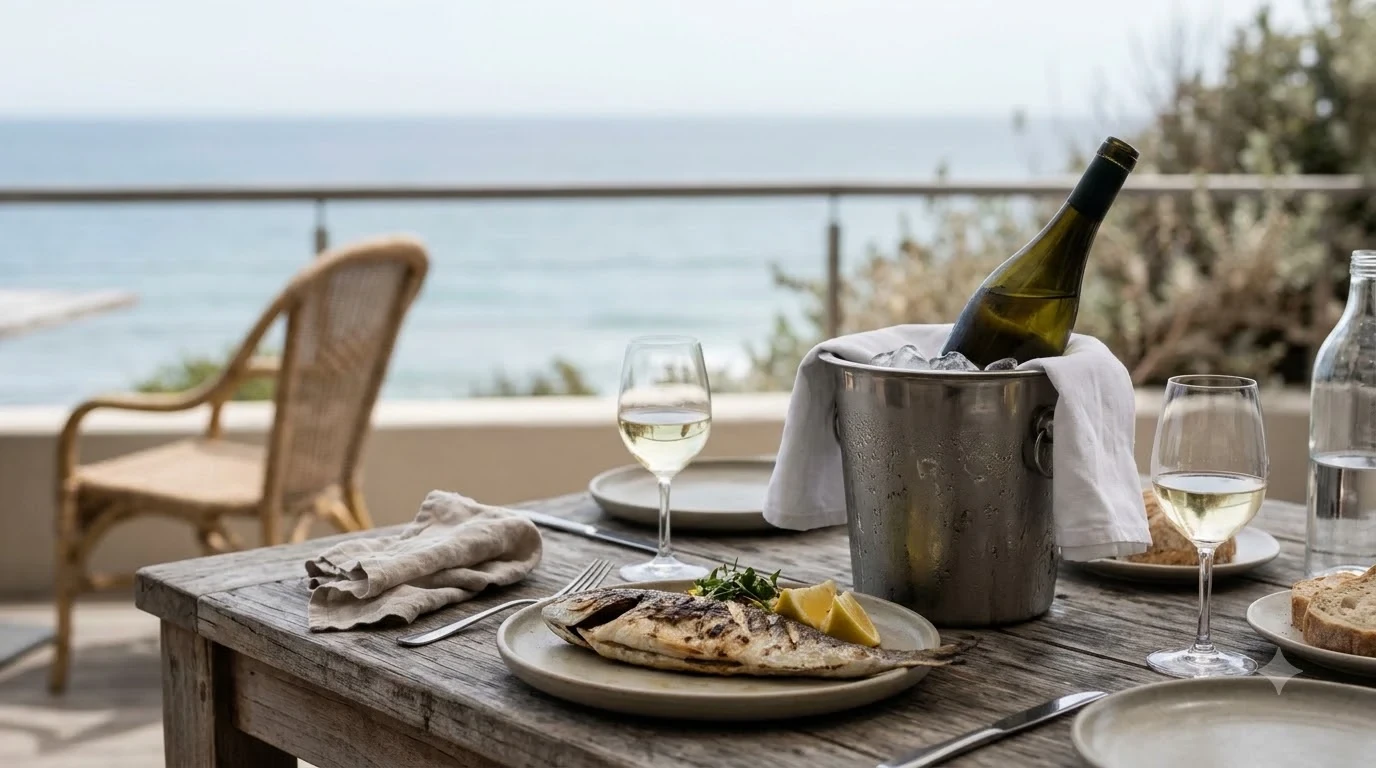
Hess Select wine review: Hess Select is a California wine collection worth considering if you want approachable Cabernet Sauvignon, Pinot Noir, Chardonnay, or Sauvignon Blanc with recognizable fruit flavors and versatile food-pairing options. Its range covers both structured reds and refreshing whites, making it easier to find a bottle for different meals without committing to just one grape variety. The Cabernet Sauvignon is the natural choice for fans of dark fruit and firm tannins, while Chardonnay and Sauvignon Blanc offer two distinct approaches to California white wine.
Hess Select belongs to the broader Hess wine portfolio and focuses on grapes sourced from growers throughout California. That statewide sourcing gives the collection room to explore different grape varieties and wine styles rather than concentrating on one vineyard or appellation. Understanding the differences between its bottles is the key to making a satisfying choice. This guide compares the principal styles, explains what to expect in the glass, and covers serving, pairing, and storage decisions.
Who This Is For
Hess Select is a sensible collection to explore if you enjoy recognizable California grape varieties and want a choice between richer reds and fruit-forward whites. Its Cabernet Sauvignon, Pinot Noir, Chardonnay, and Sauvignon Blanc cover different levels of body, acidity, and tannin, so the range can accommodate several dining situations.
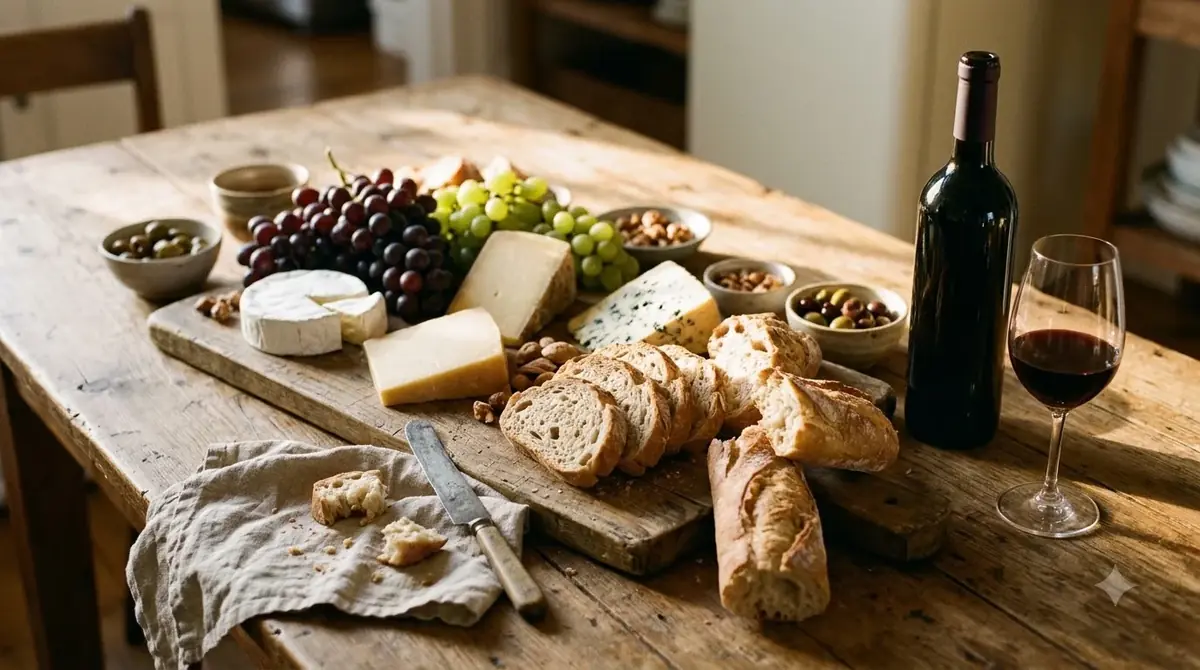
Cabernet Sauvignon drinkers are likely to find the most familiar structure in the collection’s flagship red style. The winery describes its 2023 bottling as full-bodied, with blackberry, black cherry, cassis, vanilla, and baking spice. Its blend also includes 8% Petite Sirah and 3% Malbec alongside 89% Cabernet Sauvignon. That small blending component gives the wine a different composition from a bottle made entirely from Cabernet Sauvignon, although Cabernet remains the dominant variety.
The collection is also worth considering if you prefer white wine but do not want every bottle to taste alike. Chardonnay offers a medium-bodied profile with peach, apple, pineapple, and subtle oak. Sauvignon Blanc takes a brighter direction, emphasizing grapefruit, citrus, nectarine, and lively acidity. Pinot Gris provides another white-wine option for drinkers interested in a lighter, fruit-driven alternative.
There are a few situations where another category might be more appropriate. Collectors looking specifically for single-vineyard Napa Valley Cabernet Sauvignon, long-term cellar investments, or highly distinctive small-production wines should investigate the producer’s other collections. Hess Select is better approached as a versatile California range than as a substitute for every premium wine in the Hess portfolio.
For readers comparing the broader producer lineup, the Hess wine overview helps explain where Hess Select fits among the winery’s other offerings. It is particularly useful if the difference between an everyday California bottling and a more site-specific Napa Valley wine is important to your buying decision.
Key Factors to Compare
The most useful way to compare Hess Select wines is to look at grape variety, body, acidity, tannin, alcohol, and winemaking choices. These details reveal more about how a bottle will taste at dinner than the collection name alone.
| Wine | Typical Style | Important Details | Good Pairings |
|---|---|---|---|
| Cabernet Sauvignon 2023 | Full-bodied, structured red | 89% Cabernet, 13.5% ABV, 18 months aging | Steak, lamb, roasted poultry |
| Pinot Noir 2023 | Fruit-forward, softer red | 100% Pinot Noir, 14.1% ABV | Roast chicken, mushrooms, salmon |
| Chardonnay 2024 | Medium-bodied white | 100% Chardonnay, 13.5% ABV | Grilled chicken, creamy pasta, seafood |
| Sauvignon Blanc 2025 | Light, crisp white | 100% Sauvignon Blanc, 13.5% ABV | Salads, shellfish, grilled vegetables |
| Pinot Gris 2024 | Fresh, fruit-driven white | 12% ABV in the reviewed vintage | Light seafood, salads, chicken |
| Treo Winemaker’s Red Blend | Blended California red | Multiple red varieties | Grilled meats, burgers, roasted vegetables |
The table uses documented producer and critic information for the named vintages. Alcohol levels and production details can change between releases, so comparisons should be made between specific vintages rather than assuming every bottle under the same label has identical specifications.
Grape variety and structure
Cabernet Sauvignon generally has high tannin, which creates a firm, drying sensation around the gums. This structure makes it a natural partner for red meat, especially steak with a browned crust or lamb with herbs. Hess Select’s Cabernet Sauvignon also contains Petite Sirah and Malbec, so it is technically a blend rather than a 100% Cabernet bottling.
Pinot Noir provides a noticeably different experience. Its tannins are generally lower to medium, and its acidity is relatively high. That combination makes it useful for meals involving mushrooms, roasted poultry, and salmon. The Hess Select version is documented as 100% Pinot Noir, which makes the grape variety especially straightforward for shoppers comparing it with the Cabernet blend.
Oak and freshness
Oak treatment is another important distinction. The 2023 Cabernet Sauvignon is aged for 18 months, with 27% new French and American oak used in its cooperage. The winery associates this approach with added depth, vanilla, and toasted oak character. Those details help explain why the Cabernet is a more structured choice than a light, uncomplicated red.
Chardonnay uses a different balance. The documented 2024 production details specify 70% stainless-steel aging and 30% French oak. This combination supports freshness while allowing some creamy and toasted characteristics to develop. Sauvignon Blanc, by contrast, uses stainless-steel cooperage in its documented 2025 production details, a choice that supports its crisp citrus-driven profile.
Alcohol and body
Alcohol content can affect the impression of weight and warmth. The documented Cabernet Sauvignon and Chardonnay vintages contain 13.5% ABV, while the 2023 Pinot Noir contains 14.1%. The reviewed 2024 Pinot Gris contains 12%. These figures are useful comparison points, but they do not independently determine whether a wine will taste rich, dry, or balanced.
Body also depends on grape variety, acidity, tannin, and winemaking. A medium-bodied Chardonnay can still feel creamy because of oak influence, while a Sauvignon Blanc at a similar alcohol level can taste considerably lighter because of its acidity and fruit profile.
Step-by-Step: How to Choose a Hess Select Bottle
Choosing the right Hess Select wine becomes easier when the decision starts with the meal and desired drinking style. Follow these steps to narrow the range before choosing a particular vintage.
-
Decide whether you want red or white wine.
Start with the main purpose of the bottle. Choose Cabernet Sauvignon for a fuller red, Pinot Noir for a more delicate red, Chardonnay for a rounded white, or Sauvignon Blanc for a crisp white. Pinot Gris is another useful option when a lighter white style is preferred.
-
Match the wine to the main dish.
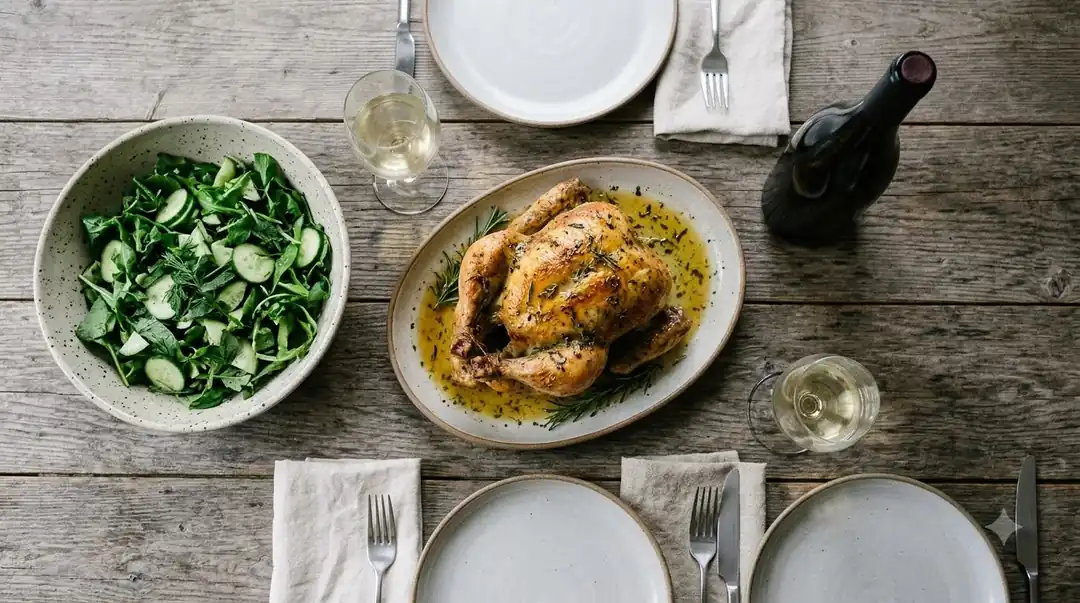
For grilled steak or lamb, Cabernet Sauvignon offers the tannin and body needed to complement protein and fat. For roast chicken, Pinot Noir can provide red-fruit character without the same degree of structure. Chardonnay suits grilled chicken and creamy dishes, while Sauvignon Blanc is particularly useful with salads and shellfish.
-
Think about the acidity of the food.
Acidic ingredients such as lemon juice, vinegar, and tomato sauce can make a low-acid wine seem flat. Sauvignon Blanc is often the safer option for dishes with citrus dressing or fresh herbs because its naturally high acidity can stand alongside those ingredients. Chardonnay works better with less aggressively acidic preparations.
-
Consider the amount of tannin you enjoy.
If you prefer a firm, structured red, choose Cabernet Sauvignon. If you find drying tannins uncomfortable or want a more delicate wine for dinner, Pinot Noir is generally the more approachable starting point. The difference is especially relevant when choosing between the two reds for a meal without a heavy sauce.
-
Compare specific vintages and production details.
Look at the alcohol level, blend composition, and oak treatment of the particular release. For example, the documented 2023 Cabernet Sauvignon has an 89% Cabernet blend and 18 months of aging. The 2024 Chardonnay uses a combination of stainless steel and French oak. These details explain meaningful differences between styles.
-
Choose a serving temperature.
Serve Cabernet Sauvignon at approximately 60–65°F and Pinot Noir at 55–60°F. For Chardonnay, aim for 50–55°F, while Sauvignon Blanc and Pinot Gris are generally most refreshing around 45–50°F. Very cold temperatures can hide aroma and texture, particularly in fuller-bodied whites.
-
Plan how much wine you need.
A standard 750 ml bottle provides approximately five servings when poured at 5 oz each. For a dinner with four adults who each want one glass, one bottle is normally enough, with a second bottle useful if guests expect another pour or prefer different wine styles.
These steps also help prevent a common buying mistake: choosing a wine based entirely on its grape name. Cabernet Sauvignon is not automatically the best option for every red-wine drinker, just as Chardonnay is not necessarily the right white for every meal. The balance between the wine and the occasion matters more than choosing the most familiar label.
Tip: If you are buying two bottles for a dinner, consider one Hess Select Cabernet Sauvignon and one Sauvignon Blanc. The red offers a fuller option for grilled meat, while the white provides a refreshing alternative for appetizers, salads, and seafood.
Types and Styles Explained
Hess Select includes several grape varieties, but the four most useful starting points are Cabernet Sauvignon, Pinot Noir, Chardonnay, and Sauvignon Blanc. Each offers a different combination of fruit, acidity, body, and tannin.
Cabernet Sauvignon: The fuller red
Cabernet Sauvignon is the collection’s natural starting point for drinkers who like rich California reds. The 2023 release is described by winemaker Stephanie Pope as having vanilla, warm baking spices, blackberry, black cherry, and cassis. The palate is full-bodied, with finely textured tannins and a lingering dark-fruit finish.
The documented blend is 89% Cabernet Sauvignon, 8% Petite Sirah, and 3% Malbec. It is aged for 18 months, and the winery specifies 27% new French and American oak in its cooperage. These details make the wine especially relevant to people who enjoy structured reds with noticeable oak influence.
Independent tasting commentary provides another useful reference point. Wine Enthusiast awarded the 2022 Cabernet Sauvignon 90 points and described a combination of blackberry, Bing cherry, fennel seed, red licorice, orange zest, and vanilla cream. The review also identifies hearty dry tannins and recommends aeration before serving. Read the Wine Enthusiast Hess Select Cabernet Sauvignon review for the complete tasting assessment.
For food, pair this style with grilled sirloin, roasted lamb, beef stew, or a mushroom-topped burger. Salt and fat help soften tannin, which is why a rich meat dish often works better than a delicate preparation. Serve it around 60–65°F rather than at an excessively warm room temperature.
Pinot Noir: The more delicate red
Pinot Noir is a better starting point if you prefer red fruit, relatively high acidity, and less aggressive tannin. The Hess Select 2023 Pinot Noir is documented as 100% Pinot Noir with 14.1% ABV. The winery describes ripe cherry and raspberry aromas, followed by plum and subtle floral notes.
Wine Enthusiast’s assessment of the 2023 vintage identifies youthful raspberry aromas, black tea, and bitter orange peel, with a soft finish. This gives a slightly different impression from the winery’s fruit-focused description and illustrates why individual tasting experiences can vary.
Pinot Noir’s versatility makes it particularly useful at meals where Cabernet Sauvignon might feel too powerful. Try it with roast chicken, pork tenderloin, mushroom risotto, or salmon prepared without a strongly sweet glaze. Oily fish can clash with heavily tannic reds, so the relatively softer structure of Pinot Noir is an advantage.
Serve Pinot Noir around 55–60°F. A brief period in the refrigerator can help bring a warm bottle into that range. Avoid serving it so cold that the aromas and fruit character become difficult to detect.
Chardonnay: Rounded fruit and subtle oak
Chardonnay is the most suitable choice for drinkers who want a fuller white wine without moving into an intensely sweet style. Hess Select’s documented 2024 Chardonnay contains 100% Chardonnay and has 13.5% ABV. Its tasting description includes grilled pineapple, lemon zest, sliced peaches, Golden Delicious apples, and a creamy finish.
The 70% stainless-steel and 30% French oak production split helps explain the balance between freshness and richness. The stainless-steel component supports the fruit and acidity, while the oak component contributes toasted and creamy impressions. It is therefore not best described as either a completely unoaked, sharp white or an extremely heavy, buttery Chardonnay.
Wine Enthusiast’s review of the 2024 bottling mentions Bosc pear, cinnamon, toasted oak, papaya, baked apple, caramel, citrus zest, and vanilla cream. The review describes a full-bodied palate and a lush finish. Those notes suggest a richer presentation than the simple citrus profile often associated with unoaked Chardonnay.
Pair it with roast chicken, grilled shrimp, baked fish, creamy pasta, or a mild cheese board. Serve around 50–55°F to preserve the balance between fruit, acidity, and oak. Chardonnay is also a practical choice for diners who want a white wine with enough body to stand alongside a substantial main course.
Sauvignon Blanc: Fresh and citrus-driven
Sauvignon Blanc is the most straightforward choice for someone who values freshness over oak richness. The Hess Select 2025 release is described by the winery as light and crisp, with grapefruit, nectarine, citrus, tropical fruit, and floral characteristics. It is made from 100% Sauvignon Blanc, contains 13.5% ABV, and uses stainless-steel cooperage.
The independent review of the 2023 vintage adds another useful perspective. Wine Enthusiast awarded that Sauvignon Blanc 92 points and identified yellow apple, citrus, dried bay leaf, pineapple, grapefruit, navel orange, and lime zest. This is a good example of a wine whose acidity and citrus character can make it especially useful at the table.
Try it with grilled fish, shrimp, goat cheese, green salads, or vegetables dressed with lemon. Its high acidity can stand up to acidic food more effectively than a softer, lower-acid white. It is also a practical aperitif when served properly chilled around 45–50°F.
Pinot Gris and Treo Red Blend
The remaining styles broaden the collection beyond the four familiar grape varieties. Pinot Gris provides a white option for those who want fresh fruit character without the stronger citrus emphasis of Sauvignon Blanc. Wine Enthusiast’s assessment of the 2024 Pinot Gris mentions peach, orange zest, papaya, white flowers, pear, fennel, and pink grapefruit. The wine has a dry finish and a documented alcohol level of 12%.
Treo Winemaker’s Red Blend offers a different route for red-wine drinkers who are interested in a combination of varieties rather than a single dominant grape. A blend can offer a different balance of fruit, structure, and texture depending on its composition. It is worth considering with burgers, grilled meats, and roasted vegetables, although the exact blend should be evaluated by its particular vintage rather than assumed from the Treo name alone.
For readers specifically interested in the collection’s red options, the Hess red wine overview provides a useful next step for comparing the red styles within the broader producer range.
Common Mistakes When Buying Hess Select
Most disappointing wine purchases come from mismatched expectations rather than an inherently unsuitable bottle. A few common assumptions about grape varieties, oak, and food pairing can lead shoppers toward the wrong Hess Select style.
Assuming every Cabernet tastes the same
Cabernet Sauvignon can vary considerably depending on its growing conditions, blending partners, and aging decisions. Hess Select’s 2023 version includes Petite Sirah and Malbec, and its 18-month aging program contributes another layer of distinction. Someone expecting a completely unblended Cabernet may therefore misunderstand what is in the bottle.
It is also a mistake to assume that a California Cabernet must taste extremely heavy or sweet. Dark fruit, vanilla, and ripe berry flavors do not necessarily mean that the wine contains significant residual sugar. Tannin, oak, and fruit ripeness all contribute to the perception of richness.
Choosing Chardonnay without considering oak
Some Chardonnay drinkers prefer a bright, lean style with citrus and green apple. Others want a rounder palate with vanilla, baked fruit, and creamy texture. Hess Select Chardonnay includes both stainless-steel and French oak components, so it is more appropriate for someone comfortable with some oak influence.
If a particularly crisp white is the priority, Sauvignon Blanc is generally a more dependable starting point. If a medium-bodied wine with tropical fruit and some creaminess sounds appealing, Chardonnay is the stronger candidate.
Serving reds too warm
Full-bodied red wines are frequently served at temperatures above their ideal range because people interpret room temperature as a universal wine-serving rule. Warm Cabernet can emphasize alcohol and make its tannins feel heavier. Aim for 60–65°F for Cabernet Sauvignon and 55–60°F for Pinot Noir.
The same principle applies to white wine in reverse. Serving Chardonnay or Sauvignon Blanc straight from an excessively cold refrigerator can suppress aroma and flavor. Allow the wine to warm slightly before serving if its fruit character seems muted.
Ignoring food acidity and tannin
Pairing a highly acidic tomato dish with a soft, low-acid wine can leave the wine tasting dull. For lemon-heavy seafood or vinegar-based salads, Sauvignon Blanc is often a better match because its acidity can keep pace with the food.
Another common mistake is pairing a heavily tannic red with delicate fish. Cabernet Sauvignon can overwhelm mild seafood, and tannin can clash with oily fish. Pinot Noir or a fresh white is generally a better choice for salmon and other fish preparations.
Buying by label rather than the meal
A familiar brand name does not guarantee that every bottle will suit the same occasion. Cabernet Sauvignon is a sensible choice for a grilled steak dinner, but it may be less suitable for a light lunch with citrus-dressed vegetables. Similarly, Chardonnay can work well with roast chicken but may overpower a delicate raw seafood appetizer.
Think about the dominant ingredient, sauce, and cooking method before choosing. A simple grilled fish preparation is different from fish served with a rich cream sauce. The latter may work better with Chardonnay, while the former can favor Sauvignon Blanc.
Care and Storage Tips
Correct storage and serving conditions preserve the character of Hess Select wines and help prevent avoidable flavor loss. The most important factors are stable temperature, protection from light, suitable serving temperatures, and sensible handling after opening.
Store unopened bottles consistently
A temperature near 55°F is a useful target for storing wine. Avoid locations with frequent temperature changes, direct sunlight, or strong vibration. A kitchen shelf beside an oven is generally less suitable than a cool, dark storage area because cooking creates repeated temperature fluctuations.
For bottles sealed with natural cork, horizontal storage helps keep the cork in contact with the wine. This reduces the risk of the cork drying out during extended storage. Screw-cap bottles do not require horizontal positioning for cork maintenance, although a consistent storage environment remains important.
Hess Select wines are generally best approached as bottles for relatively early enjoyment rather than purchases that require years of cellaring. The Cabernet Sauvignon has enough structure to benefit from some short-term development, but there is no need to hold every bottle for a special future occasion.
Serve each variety at the right temperature
Temperature has a direct effect on the way wine aromas and textures are perceived. Use the following ranges as practical serving targets:
- Cabernet Sauvignon: 60–65°F.
- Pinot Noir: 55–60°F.
- Chardonnay: 50–55°F.
- Sauvignon Blanc: 45–50°F.
- Pinot Gris: 45–50°F.
A refrigerator can cool a bottle of white wine below its ideal serving temperature if it stays inside too long. Take the bottle out briefly before pouring if it seems excessively cold. For a red that has been stored in a warm room, a short period in the refrigerator can help bring it closer to its serving range.
Decanting and aeration
Cabernet Sauvignon can benefit from 30–60 minutes of decanting, particularly when it is young and structurally firm. Exposure to air can help its aromas become more expressive and soften the initial impression of tannin. This is especially useful before serving a full-bodied red alongside steak or roasted meat.
Pinot Noir generally needs less aeration. Pouring it into a glass and allowing it a few minutes to open is often sufficient. Sauvignon Blanc and most Chardonnays are normally ready to serve directly from the bottle, although giving a fuller Chardonnay some time in the glass can reveal additional aroma.
Preserve opened bottles
Once a bottle is opened, limit exposure to air by replacing the closure securely and refrigerating the remaining wine. Even red wines should be refrigerated after opening. Allow them to warm toward their preferred serving temperature before the next pour.
As a general guide, opened still wines retain their best character for approximately three to five days in the refrigerator. The actual period depends on the wine, closure, storage conditions, and how much oxygen has entered the bottle. If a bottle has lost its fruit or developed noticeably stale aromas, it is past its best drinking condition.
A vacuum stopper or other suitable wine-preservation closure can help reduce oxygen exposure. These accessories are particularly useful when a household regularly opens wine without finishing the bottle on the same evening.
Frequently Asked Questions
Is Hess Select made in Napa Valley?
Hess Select is a California-wide collection sourced from grower families and vineyards throughout the state. The Hess winery has a historic home on Mount Veeder in Napa Valley, but the Select range should not be confused with wines carrying a specific Napa Valley appellation. The California designation represents a broader geographic sourcing area.
Is Hess Select Cabernet Sauvignon a single-variety wine?
The documented 2023 Cabernet Sauvignon contains 89% Cabernet Sauvignon, 8% Petite Sirah, and 3% Malbec. It is therefore a Cabernet-dominant blend rather than a wine made entirely from Cabernet Sauvignon. The additional varieties account for 11% of the blend.
Does Hess Select use screw caps on its wines?
Wine.com identifies a screw cap on the Hess Select Chardonnay 2023 product listing. Closure type can differ between individual wines and releases, so it should not automatically be assumed that every Hess Select bottle uses the same closure. A screw cap is a practical sealing option and does not by itself indicate lower wine quality.
Is Hess Select suitable for a wine tasting party?
Yes. Its range of recognizable grape varieties makes it suitable for a comparative tasting. Pouring Cabernet Sauvignon, Pinot Noir, Chardonnay, and Sauvignon Blanc in separate small servings allows guests to compare body, acidity, tannin, and oak influence. A standard 750 ml bottle provides approximately 25 servings of 1 oz each, making smaller tasting pours practical for a group.
Can Hess Select wines be used in cooking?
Yes. A dry Hess Select Chardonnay can be used in cream sauces, chicken dishes, and pan sauces, while Sauvignon Blanc works well in lighter seafood preparations. Cabernet Sauvignon can contribute depth to beef braises and red-wine reductions. Use a wine whose flavor profile complements the finished dish rather than relying on a sweet or heavily oxidized bottle.
Hess Select offers a useful selection of California wines for drinkers who value familiar grape varieties, approachable fruit, and different levels of body and structure. Cabernet Sauvignon is the strongest starting point for fuller reds, while Pinot Noir, Chardonnay, and Sauvignon Blanc provide alternatives for lighter meals and different preferences. Compare the specific vintage and production details before choosing, and serve each bottle at the right temperature to get the most from its style. For additional background, explore the Wine Brands section to compare Hess Select with other established wine producers.
More in Wine Brands
 Marchesi Di Barolo Wine Price: Compare Bottles and Find Your FitUpdated Nov 21, 2026
 Louis Martini Wine Review: Choose the Right Napa Valley BottleUpdated Nov 21, 2026
 Mark West Chardonnay Price: What to Expect Before BuyingUpdated Nov 21, 2026
 Louis M Martini Wine Review: Find the Right Napa Valley BottleUpdated Nov 21, 2026
 Lussory Wine Price: Compare Bottles, Styles and Buying OptionsUpdated Nov 21, 2026
 Laurent Perrier Rose Review: Taste, Quality and Buying TipsUpdated Nov 21, 2026