

We may earn a commission when you buy through links on this page, at no extra cost to you. Learn more.
When comparing malbec vs petite sirah, Malbec delivers a plush, medium-to-full-bodied red with soft, velvety tannins and juicy plum and blackberry fruit, while Petite Sirah is noticeably heavier, darker, and far more tannic with dense blueberry, black pepper, and dark chocolate flavors. Malbec is ready to drink immediately on release and suits everyday dinners, whereas Petite Sirah grips the palate firmly and demands rich, fatty meats or extended decanting.
Both grapes share French roots and pour an opaque purple-black color in the glass, which leads many shoppers to treat them as interchangeable bold reds. Tasting them side by side reveals two very different textures, structural profiles, and regional traditions that change how each bottle behaves at the dinner table.
Side-by-Side Comparison: Malbec vs Petite Sirah
Malbec and Petite Sirah both produce deeply pigmented dry red wines, yet Petite Sirah carries significantly higher tannin levels, thicker mouthfeel, and longer aging potential than typical Argentine Malbec. The table below outlines how their core traits align across key tasting and service categories.
| Attribute | Malbec | Petite Sirah |
|---|---|---|
| Primary Regions | Argentina (Mendoza, Uco Valley, Salta), France (Cahors) | California (Lodi, Paso Robles, Livermore, Sierra Foothills), Israel |
| Genetic Origin | Indigenous French grape (known as Côt in Cahors) | 1860s French cross of Syrah and Peloursin (known as Durif) |
| Body & Texture | Medium-full to full; plush and velvety | Full; dense, thick, and chewy |
| Tannin Level | Medium to medium-high; round and supple | Very high; firm and gripping |
| Acidity | Medium to medium-plus | Medium to medium-plus |
| Typical ABV | 13.5% to 14.5%+ | 13.5% to 15.0% |
| Core Flavors | Black plum, blackberry, black cherry, violet, cocoa | Blueberry, blackberry, dark chocolate, black pepper, licorice |
| Serving Temp | 60°F to 65°F | 60°F to 65°F |
| Decanting Time | 20 to 30 minutes for young bottles | 60 to 120 minutes for young bottles |
Notice how both wines occupy similar alcohol and serving temperature windows, which makes side-by-side tasting simple at home. Most bottles of Argentine Malbec and California Petite Sirah sit between 13.5% and 15% ABV, according to regional tasting data from Decanter and Wine Enthusiast. The deciding difference is structural grip rather than alcohol warmth.
That structural contrast shapes how each bottle fits into a meal or cellar plan. Shoppers exploring broader red matchups across the Wine vs Wine library will find that Malbec behaves closer to a lush Merlot or fruit-driven Cabernet blend, while Petite Sirah sits alongside powerhouse varieties like Tannat and Sagrantino.
Grape Origins and Where Each Variety Thrives
Although both grapes originated in France during or before the nineteenth century, Malbec found its modern identity in high-altitude Argentina while Petite Sirah became a signature California varietal. Understanding their vineyard history explains why the two wines taste so distinct today.
Malbec is native to southwest France, where growers call it Côt and rely on it as the backbone of Cahors. Under Cahors appellation rules, red wines must contain at least 70% Malbec, with Tannat or Merlot permitted for the remaining 30%. Malbec also serves as one of the authorized blending grapes in Bordeaux, though VinePair notes that it accounts for less than 2% of modern Bordeaux plantings after a devastating 1956 frost wiped out vast vineyard blocks.
In the mid-nineteenth century, French agronomist Michel Pouget brought Malbec cuttings to Argentina, where dry sunshine and high-elevation Andean slopes eliminated the rot and frost issues that plagued the vine in Bordeaux. Vineyards in Mendoza’s Uco Valley and Luján de Cuyo sit between 2,000 and 3,600 feet above sea level, producing smaller berries with concentrated color and ripe fruit.
Petite Sirah has an entirely different lineage. Botanist François Durif discovered the grape in southeastern France in the 1860s when a Syrah vine naturally cross-pollinated with Peloursin, an obscure Alpine variety. DNA fingerprinting at the University of California, Davis in the 1990s confirmed this parentage. In France, the grape is still called Durif and remains relatively rare.
Growers introduced Durif to California in the 1880s and adopted the name Petite Sirah because its small, tight berry clusters resembled Syrah. According to Wine Enthusiast, Petite Sirah ranks as the sixth most widely planted red wine grape in California with more than 11,000 acres under vine across Lodi, Paso Robles, Livermore Valley, Santa Barbara, and the Sierra Foothills. Concannon Vineyard in Livermore Valley bottled the first commercially labeled single-varietal Petite Sirah in 1961.
Flavor Profile: Juicy Plum vs Inky Blueberry
Malbec leans toward ripe red and black stone fruits layered with floral and cocoa accents, whereas Petite Sirah delivers concentrated blue-black berry jam wrapped in dark chocolate and cracked black pepper. Even blindfolded, the aromatic intensity separates the two within a single swirl.
Malbec Aromas and Palate
Argentine Malbec opens with expressive notes of black plum, blackberry, and black cherry. Vineyards planted at higher elevations in the Uco Valley also bring bright red raspberry tones and distinct violet aromatics that lift the nose. Oak aging adds subtle hints of milk chocolate, sweet vanilla, and baking spice without burying the fresh fruit.
French Malbec from Cahors shows a more savory, rustic spectrum. Expect tart red and black currants alongside cedar, dried tobacco leaf, damp earth, and espresso notes. Both styles share a clean, juicy mid-palate that feels generous rather than heavy.
Petite Sirah Aromas and Palate
Petite Sirah earned its reputation for tooth-staining color because its small berries carry an unusually high skin-to-juice ratio packed with anthocyanins. On the nose and palate, ripe blueberry, boysenberry, and blackberry jam dominate immediately. Secondary notes of bittersweet dark chocolate, black peppercorn, roasted coffee, and licorice follow close behind.
Where Malbec smells floral and plummy, Petite Sirah smells dark, spicy, and brooding. Winemakers often blend 5% to 15% Petite Sirah into Zinfandel or Merlot specifically to inject that saturated blueberry core and peppery spice.
Body, Tannins, and Acidity Compared
Petite Sirah packs dramatically higher tannins and a thicker, chewier body than Malbec, while both grapes maintain medium to medium-plus acidity that prevents them from tasting flat. This tactile gap is the single biggest reason drinkers strongly prefer one over the other.
Malbec sits in the medium-full to full-bodied range with round, supple tannins that coat the mouth smoothly. Because Argentine sunlight ripens grape skins thoroughly while cool mountain nights preserve natural acidity, standard Mendoza Malbec avoids harsh astringency. Drinkers who find young Cabernet Sauvignon too drying often gravitate toward Malbec for its plush texture.
Petite Sirah occupies the far end of the red wine structure spectrum. Its small berries and thick seeds release massive amounts of phenolic compounds during fermentation, creating firm, gripping tannins that dry out the gums when tasted young. Readers comparing petite sirah vs pinot noir will notice the starkest possible contrast in red wine weight, as Petite Sirah feels nearly opaque and chewy next to light-bodied reds.
Tip: If you enjoy the dark fruit of Petite Sirah but find young bottles too astringent, look for California producers that age the wine in American oak or blend in a small splash of Syrah or Zinfandel to soften the mid-palate grip.
Modern California winemakers increasingly use gentler extraction and micro-oxygenation to tame Petite Sirah’s raw tannins for earlier drinking. Even so, a typical bottle of Petite Sirah still delivers noticeably more grip and density than a bottle of Malbec from the same vintage.
Food Pairing: Matching Each Red to the Right Meal
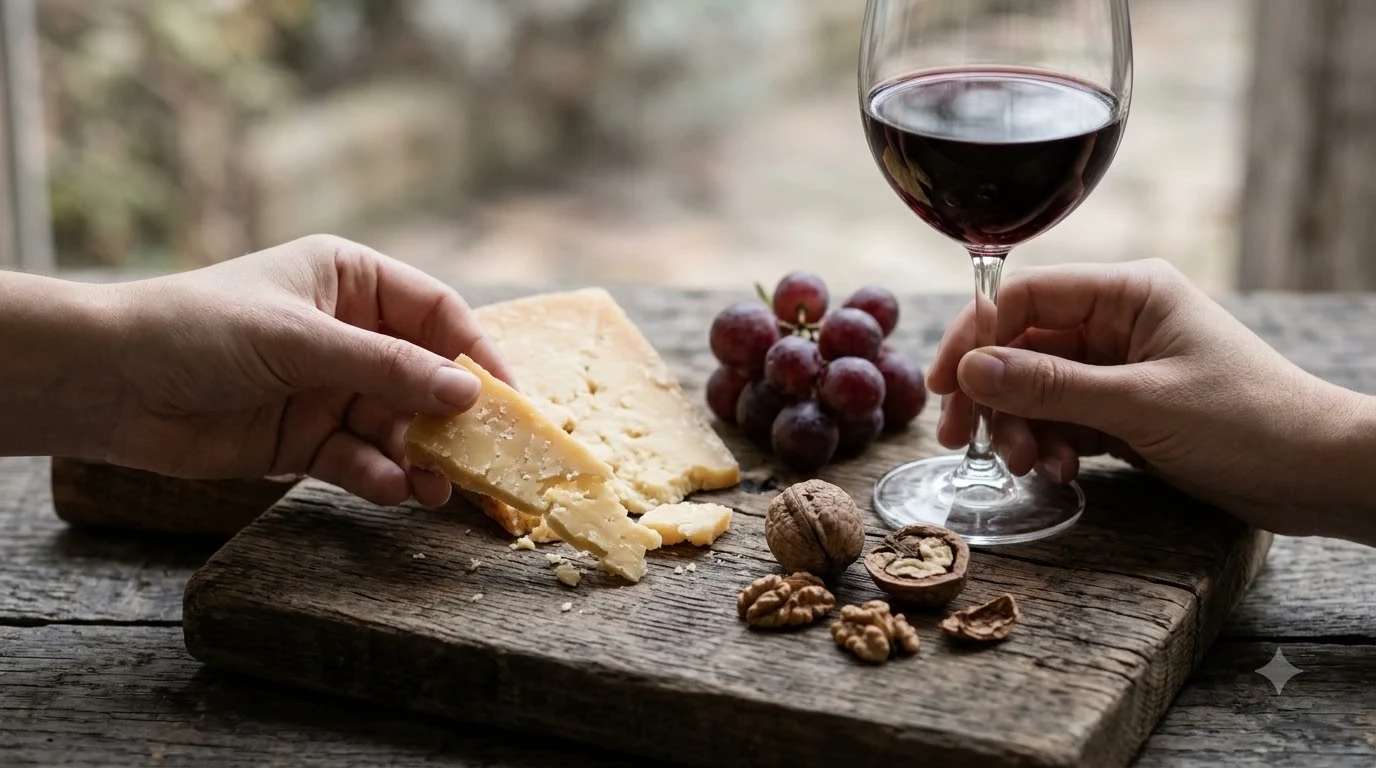
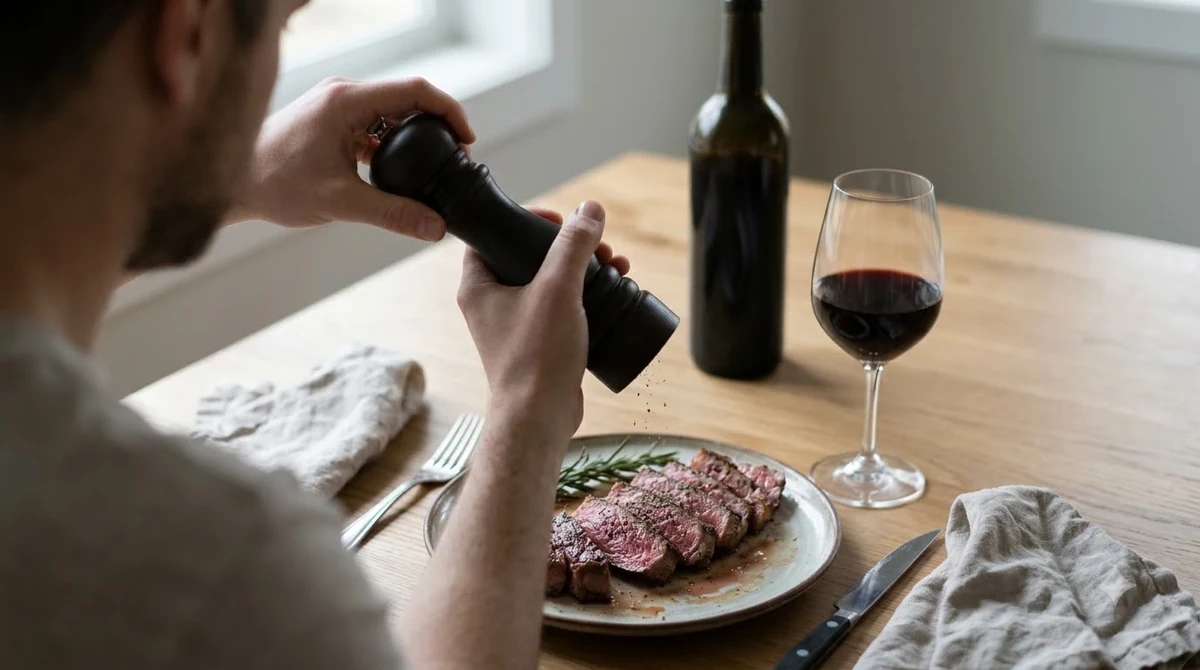
Malbec pairs easily with grilled steaks, roasted mushrooms, and semi-hard cheeses, while Petite Sirah requires high-fat, heavily spiced, or slow-braised meats to tame its massive tannin grip. Both wines follow the core culinary rule that salt and fat soften astringent tannins on the palate.
Argentine Malbec earned its global fame alongside traditional asado, where wood-fired ribeye, skirt steak, and chimichurri meet the wine’s juicy plum fruit and supple structure. Because Malbec’s tannins are round rather than sharp, it also works with leaner proteins like grilled pork tenderloin, herb-roasted chicken thighs, portobello burgers, and aged Manchego or sharp cheddar cheese.
Petite Sirah overwhelms delicate dishes, so pair it with bold, rich plates that stand up to its density. According to Wine Enthusiast, ideal matches include smoked barbecue brisket, crispy pork belly, braised beef short ribs, roast duck, and deeply spiced lamb or chickpea curries. Because chili heat amplifies both alcohol and tannin, keeping cayenne or habanero levels moderate helps balance a high-alcohol Petite Sirah.
Serving Temperature, Decanting, and Aging Potential
Serve both Malbec and Petite Sirah between 60°F and 65°F in large-bowled red wine glasses, but give young Petite Sirah at least twice as much air in a decanter before pouring. Proper temperature and aeration separate a harsh, closed pour from a layered, expressive glass.
Serving either wine at a warm 72°F room temperature makes the alcohol feel hot and sharp, so chill both bottles in a refrigerator for 20 to 30 minutes before opening to hit the 60°F to 65°F sweet spot. A standard 750 ml bottle yields five 5-ounce pours, and Wine Folly notes that recorked red wine generally stays fresh for 3 to 5 days when stored in a cool, dark place or refrigerator.
Wine Folly recommends decanting young Malbec for about 30 minutes to open its floral aromatics, whereas firmer Cahors Malbec benefits from closer to an hour. Young California Petite Sirah often benefits from 1 to 2 hours in a wide-bottomed decanter to soften its dense tannin wall. According to Wine Enthusiast, well-structured Petite Sirah can age for 10 to 20 years in a cool cellar held near 55°F with bottles stored on their sides, whereas everyday Mendoza Malbec is typically built for enjoyment within a few years of release.
How to Choose Between Malbec and Petite Sirah
Choose Malbec for weeknight grilled meats, mixed-crowd dinner parties, and immediate drinkability, and pick Petite Sirah when serving slow-smoked barbecue or stocking a cellar with age-worthy California reds. Your choice comes down to whether you want plush fruit or maximum structural grip.
Grab a bottle of Malbec if guests have varied red wine preferences or if the menu features medium-weight dishes like flank steak, empanadas, or mushroom risotto. Its approachable tannins and bright acidity please fans of Pinot Noir and Cabernet Sauvignon alike without overwhelming the food.
Reach for Petite Sirah when the menu centers on fatty, smoky, or heavily seasoned meats, or when you want a dark, full-throttle red that lingers for minutes after each sip. Shoppers weighing similar heavy-hitting dark grapes can also compare petit verdot vs petite sirah or inspect petite sirah vs shiraz to see how other high-extract reds stack up against California’s signature powerhouse.
Frequently Asked Questions
Is Petite Sirah the same grape as Syrah?
No, Petite Sirah and Syrah are two distinct grape varieties, though Syrah is one of Petite Sirah’s genetic parents. As VinePair explains, Petite Sirah is actually the French grape Durif, which formed when Syrah cross-pollinated with Peloursin, and California producers even founded the P.S. I Love You trade group to educate drinkers on the difference.
Why is French Malbec from Cahors darker and firmer than Argentine Malbec?
Cahors sits in a cooler, damper maritime-influenced climate in southwest France than high-altitude Mendoza, resulting in thicker-skinned berries with higher acidity and firmer tannins. Additionally, Cahors AOC rules allow winemakers to blend up to 30% Tannat into the wine, which adds substantial astringency and earthy structure compared to 100% Argentine bottlings.
Does Petite Sirah ever get used in white or sparkling wines?
Petite Sirah is almost exclusively fermented as a dry red wine, though a handful of California producers make deeply colored, full-bodied dry rosés from early-picked fruit. Its extreme concentration of skin pigments and tannins makes it unsuitable for traditional sparkling or white wine styles.
Which wine stains teeth and glasses more, Malbec or Petite Sirah?
Petite Sirah leaves noticeably darker purple staining on teeth, lips, and glassware than Malbec. Its tiny berries pack more anthocyanin pigments per ounce of juice than almost any other commercial red grape, creating an opaque, inky-black core even at the rim of the glass.
Can Malbec and Petite Sirah be blended together in the same bottle?
Yes, several California and South American winemakers blend Malbec and Petite Sirah together in red blends. Malbec contributes fragrant violet aromatics and juicy mid-palate plum fruit, while Petite Sirah supplies deep color, mid-palate weight, and a long, peppery finish.
Both Malbec and Petite Sirah reward fans of deeply colored, expressive red wines, yet each brings a distinct texture to the glass. Choose Malbec when you want velvety plum fruit and easy versatility, or uncork Petite Sirah when the occasion calls for inky blueberry intensity and serious tannic power.
More in Wine vs Wine
 Chenin Blanc vs Pinot Gris: Acidity, Body, and Pairing DifferencesUpdated Nov 20, 2026
 Chianti vs Lambrusco: How Tuscany and Emilia-Romagna Reds CompareUpdated Nov 20, 2026
 Chianti vs Primitivo: Key Differences in Taste, Body, and PairingUpdated Nov 20, 2026
 Chianti vs Rioja: Key Differences in Taste, Aging, and PairingUpdated Nov 20, 2026
 Chianti vs Shiraz: How Acidity, Body, and Food Pairings CompareUpdated Nov 20, 2026
 Chianti vs Syrah: Key Differences in Taste, Body, and Food PairingUpdated Nov 20, 2026