

We may earn a commission when you buy through links on this page, at no extra cost to you. Learn more.
Cabernet Sauvignon with lamb is an excellent pairing, particularly with roasted leg of lamb, grilled chops, and herb-crusted rack of lamb. Lamb’s rich meat and natural fat help soften Cabernet Sauvignon’s firm tannins, while the wine’s blackcurrant fruit, acidity, and savory oak notes complement the meat’s deep flavor. For the best result, match the wine’s intensity to the cut, cooking method, seasoning, and richness of the accompanying sauce.
Cabernet Sauvignon is often associated with steak, but lamb deserves an equally prominent place at the table. The combination works across several culinary traditions, from rosemary-seasoned Sunday roasts to charcoal-grilled chops and slow-braised Mediterranean dishes. The key is choosing a wine with enough structure for the lamb without allowing powerful tannins or alcohol to overpower its flavor.
Why Cabernet Sauvignon Pairs So Well With Lamb
Cabernet Sauvignon and lamb work because their main characteristics complement one another. The wine has the body, fruit concentration, acidity, and tannin structure to stand alongside flavorful meat, while lamb provides the richness needed to balance a structured red wine.
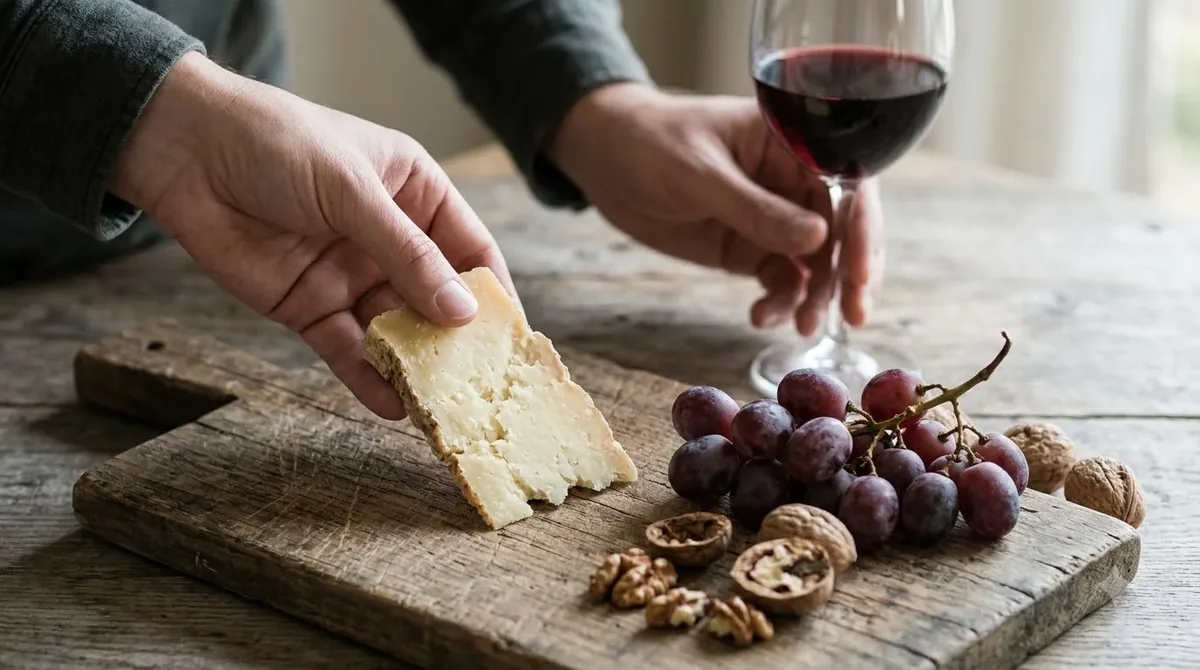
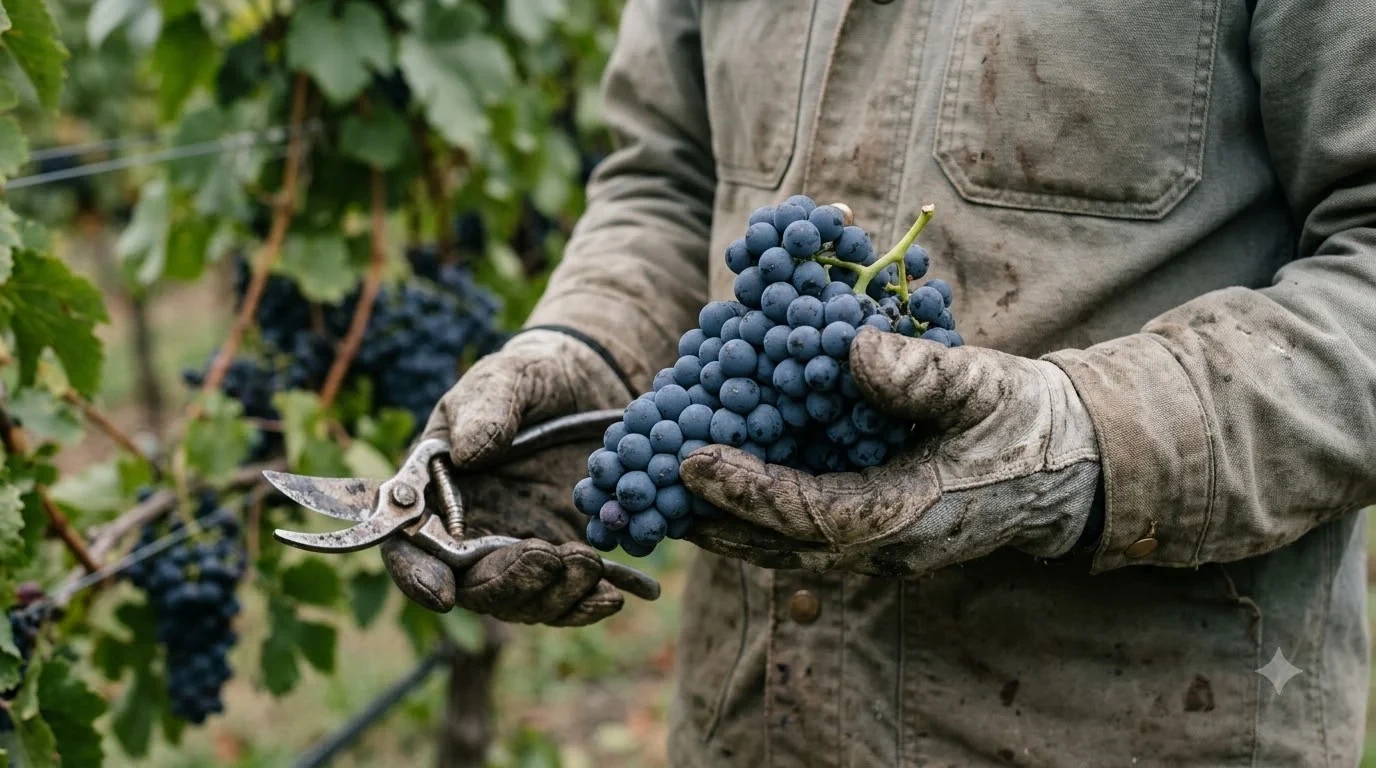
Cabernet Sauvignon typically delivers blackcurrant, blackberry, dark cherry, and plum flavors. Depending on its origin and production methods, it can also show cedar, tobacco, vanilla, mint, eucalyptus, and black pepper. These characteristics provide several natural connections with lamb, especially when the meat is roasted, grilled, or seasoned with aromatic herbs.
The most important factor is tannin. Cabernet Sauvignon is a high-tannin red wine, and young examples can create a drying sensation across the gums and tongue. Lamb contains protein and fat that help soften the perception of those tannins. Instead of making the wine seem excessively astringent, the meat gives its structure something substantial to balance.
Fat also carries flavor and creates a fuller sensation in the mouth. This makes lamb shoulder, rib chops, and other relatively rich cuts particularly suitable. A lean, delicately prepared piece of young lamb may not offer enough intensity for a powerful Cabernet, whereas a well-browned roast with a savory pan sauce can stand up to a more concentrated bottle.
There is also a useful relationship between the wine’s savory characteristics and lamb’s natural flavor. Cabernet Sauvignon aged in oak can develop cedar, tobacco, and spice notes that complement browned meat, roasted garlic, and caramelized vegetables. Blackcurrant fruit adds contrast to the savory elements rather than simply repeating them.
Decanter identifies Cabernet Sauvignon-driven wines as classic partners for medium or well-done roast lamb, noting their combination of cassis fruit, tannic structure, and acidity. Its wine and lamb pairing recommendations also explain why the cut and richness of the meat influence the ideal wine style.
The pairing is not automatic, however. A very delicate lamb preparation can be overwhelmed by an exceptionally concentrated wine, while a strongly sweet or spicy sauce can create an imbalance. The best approach is to consider the complete plate rather than the meat alone.
Choosing the Best Lamb Cuts for Cabernet Sauvignon
Roast leg of lamb, lamb chops, and slow-cooked shoulder are among the strongest matches for Cabernet Sauvignon. Each cut has a different texture, fat content, and intensity, so the best wine style depends on how the meat is prepared.
Roast leg of lamb is one of the most dependable choices. It has substantial meat flavor, develops attractive browned surfaces during roasting, and works particularly well with garlic, rosemary, and black pepper. A medium-bodied to full-bodied Cabernet Sauvignon provides enough structure for the roast without requiring an elaborate sauce.
Rack of lamb offers a more refined presentation and a concentrated flavor because of its location near the bone. Its relatively tender texture and flavorful exterior make it suitable for structured Cabernet Sauvignon, particularly when the rack is roasted with a herb crust. A Cabernet-based Pauillac from Bordeaux’s Left Bank is one established regional option for this style of dish.
Lamb chops are another excellent choice. Their combination of fat, browned edges, and concentrated meat flavor works especially well with Cabernet Sauvignon. Grilling or pan-searing the chops adds additional savory complexity. Individual rib chops can be served with roasted potatoes, sautéed mushrooms, or a simple red wine reduction.
Lamb shoulder is particularly satisfying when cooked slowly. Its connective tissue breaks down during prolonged cooking, producing tender meat and a rich sauce. A fruit-forward Cabernet with balanced acidity can work well, although very concentrated examples should be reserved for especially hearty preparations.
Lamb shanks also deserve consideration. Braising creates a deeply savory dish with concentrated cooking juices, aromatics, and soft meat. Cabernet Sauvignon can match this intensity, especially when the braising liquid includes beef stock, tomato, mushrooms, and modest amounts of red wine.
| Lamb cut | Cooking method | Best Cabernet style | Pairing character |
|---|---|---|---|
| Leg of lamb | Roasting, 325-375°F | Full-bodied, structured | Rich meat and savory fruit |
| Rack of lamb | Roasting, 375-425°F | Elegant, balanced Cabernet | Herbs, browned crust, dark fruit |
| Lamb chops | Grilling, 400-450°F | Fruit-forward, firm tannins | Char, fat, and black pepper |
| Lamb shoulder | Slow roasting, 275-325°F | Concentrated, mature Cabernet | Rich sauce and tender meat |
| Lamb shanks | Braising, 300-325°F | Full-bodied, savory Cabernet | Deep meat and reduced sauce |
The temperatures in the table are practical cooking ranges rather than required internal temperatures. Cooking time depends on the cut’s size, thickness, and preparation. For the wine, the more important distinction is the resulting texture and concentration of flavor.
For a useful comparison with other poultry and meat pairings, the principles behind Grape x Food pairing can help explain why wine structure matters as much as the main ingredient.
Matching Cabernet Sauvignon to Lamb Cooking Methods
Roasting, grilling, braising, and pan-searing each produce different flavors in lamb. Cabernet Sauvignon can accompany all four, but the cooking method determines whether a fruit-forward, tannic, or more mature wine is the better choice.
Roasted lamb is perhaps the most straightforward preparation. Dry heat creates browned surfaces and concentrated meat flavors that work with Cabernet’s dark fruit and oak characteristics. A traditional roast leg with rosemary, garlic, and pan juices is an especially reliable combination. Medium or well-done preparations generally provide enough flavor intensity for a structured red.
Grilled lamb introduces smoke and char. These flavors complement the cedar, spice, and dark-fruit characteristics found in many Cabernet Sauvignons. Lamb chops cooked over charcoal are particularly effective because their browned exterior contrasts with the wine’s fresh fruit. Avoid excessive charring, which can introduce unpleasant bitterness and make a highly tannic wine seem more aggressive.
Pan-seared lamb works well when the meat is finished with butter, garlic, and fresh herbs. The browned surface develops savory complexity, while butter contributes richness that helps soften the wine’s tannins. A Cabernet from Napa Valley or a well-balanced Chilean example can accompany this style comfortably.
Braised lamb requires a little more attention. Long cooking creates a concentrated sauce, and its intensity should be considered alongside the wine. Cabernet Sauvignon is a natural choice for a moderately acidic braising liquid featuring stock, onion, mushrooms, and herbs. A wine with mature tannins can be particularly attractive here.
Slow-roasted shoulder can also produce a rich sauce with concentrated gelatin and meat flavors. In this case, Cabernet Sauvignon should have enough freshness to keep the pairing from feeling heavy. A wine with balanced acidity and ripe fruit is preferable to one dominated by hard tannins or excessive oak.
Cooking temperature and wine balance
Cooking temperatures influence browning, texture, and moisture retention, but they should not be confused with the temperature at which the wine is served. A roast cooked at 350°F can be accompanied by a Cabernet served considerably cooler than typical room temperature.
As a general rule, browned and caramelized flavors are particularly helpful with Cabernet Sauvignon. They create a bridge between the meat and the wine’s oak-derived characteristics. Cooking with moderate heat, controlling the amount of added sugar, and allowing the lamb to rest before slicing can all contribute to a more balanced plate.
Tip: For a reliable dinner combination, roast a leg of lamb with rosemary, garlic, and black pepper, prepare a simple pan sauce, and serve a structured Cabernet Sauvignon at 60-65°F. The browned exterior and natural meat richness provide an excellent match for the wine’s tannins.
Herbs, Seasonings, and Sauces That Complement the Pairing
Rosemary, thyme, garlic, and black pepper are among the most dependable seasonings for Cabernet Sauvignon and lamb. Their aromatic and savory qualities complement the wine’s dark fruit, oak, and herbal characteristics without introducing excessive sweetness or heat.
Rosemary is a particularly natural choice. Its resinous aroma complements the cedar and herbal notes that can appear in Cabernet Sauvignon. A small amount rubbed into a leg of lamb before roasting creates a recognizable savory connection between the food and wine.
Thyme provides a subtler herbal flavor. It works particularly well with lamb chops, rack of lamb, and mushroom-based sauces. Fresh thyme can be incorporated into a butter baste or added to a roasting pan with shallots and garlic.
Garlic offers depth and savory intensity. Roasted garlic is especially suitable because its mellow sweetness complements dark fruit without making the pairing taste sugary. Raw garlic, on the other hand, can be quite aggressive, so it is generally better used in moderation.
Black pepper provides gentle heat and aromatic spice. It works with Cabernet’s natural peppery and herbal characteristics and is particularly effective on grilled chops. Cracked pepper can be used as a crust ingredient or added to a simple pan sauce.
Other useful ingredients include mushrooms, caramelized onions, parsley, sage, and modest quantities of balsamic vinegar. Mushrooms add earthy depth, while caramelized onions provide sweetness that can soften the impression of firm tannins. Balsamic vinegar should be used sparingly because its acidity and sweetness can change the wine’s balance.
Which sauces should you avoid?
Mint sauce is a traditional lamb accompaniment, but very sweet mint jelly can be difficult with a dry, tannic Cabernet Sauvignon. Its sweetness can make the wine seem more bitter and less fruity. Fresh mint used sparingly in a savory herb sauce is generally easier to accommodate than a heavily sweetened condiment.
Sweet barbecue sauces can create a similar problem. If a sauce contains substantial brown sugar, honey, or molasses, the wine may seem harsher beside it. Choose a less sweet preparation featuring black pepper, mustard, garlic, and savory herbs instead.
Very hot chili sauces are also challenging. Alcohol and tannin can amplify the sensation of chili heat, making a powerful Cabernet seem more aggressive. If the lamb is heavily spiced, a less tannic wine with moderate alcohol may be a more comfortable option.
For a classic preparation, combine olive oil, chopped rosemary, thyme, garlic, black pepper, and salt. Apply the mixture before roasting or grilling, then finish with a modest amount of pan juices. This seasoning approach preserves the meat’s character while providing several natural connections to Cabernet Sauvignon.
Choosing Cabernet Sauvignon by Region and Wine Style
The best Cabernet Sauvignon for lamb depends on its tannin level, fruit concentration, acidity, and oak influence. Bordeaux, Napa Valley, Chile, and Australia’s Coonawarra region offer different interpretations of the grape, giving cooks several ways to match a particular lamb dish.
Bordeaux Left Bank wines are classic choices for roast lamb. Cabernet Sauvignon is an important component of many blends from the Médoc, including wines from Pauillac and Margaux. These wines can show blackcurrant, cedar, tobacco, and firm structure. Their savory character is particularly suitable for roasted leg of lamb and herb-crusted rack.
Napa Valley Cabernet Sauvignon often offers concentrated dark fruit and a substantial palate. Depending on the producer and vineyard conditions, it may display blackberry, cassis, plum, vanilla, and oak spice. These characteristics make it suitable for grilled lamb chops, roast leg, and rich braised preparations.
Chile produces Cabernet Sauvignon in several distinctive styles. Wines from the Maipo Valley are frequently associated with dark fruit, freshness, and herbal or mint-like characteristics. Their combination of fruit and savory notes can work particularly well with rosemary-seasoned lamb and grilled meat.
Coonawarra in South Australia is another region to consider. Its Cabernet Sauvignon wines can display blackcurrant, herbal notes, and eucalyptus-like characteristics. These flavors are useful alongside lamb with green vegetables, roasted garlic, or herb-based sauces.
Margaret River, also in Western Australia, is known for Cabernet Sauvignon and Cabernet-based blends. The wines can offer a balance of dark fruit, freshness, structure, and savory complexity. This makes them versatile choices for both roast lamb and grilled chops.
Producer decisions also matter. Oak maturation, extraction, blending, and bottle age can change the wine’s texture considerably. A young, heavily structured Cabernet may require a richer lamb preparation than a more mature example with softer tannins and developed savory notes.
Cabernet Sauvignon’s blackcurrant character, assertive tannins, and affinity with oak are important elements in its pairing potential. Regional variation is one reason that two bottles made from the same grape can behave differently with an identical lamb recipe.
For a general comparison of other poultry pairings, Cabernet Sauvignon with duck offers another example of how rich meat and wine structure can work together. The same approach applies to Cabernet Sauvignon with chicken, although the cooking method and accompanying sauce become even more important because chicken is generally milder in flavor.
Serving Cabernet Sauvignon With Lamb
Serve Cabernet Sauvignon at 60-65°F to preserve its fruit while keeping alcohol and tannins balanced. Allowing a young, full-bodied wine to breathe for 30-60 minutes can also make its structure feel more integrated alongside a rich lamb dish.
Many people serve red wine too warm because they interpret room temperature as the ideal serving condition. In a warm dining room, the bottle can become noticeably warmer than intended. Excessive warmth makes alcohol more prominent and can make a powerful Cabernet seem heavier than it really is.
A simple wine thermometer can help maintain the correct temperature. If the bottle has been stored in a warm room, place it in the refrigerator briefly before serving. If it becomes too cold, allow it to warm gradually in the glass.
Should Cabernet Sauvignon be decanted?
Young, full-bodied Cabernet Sauvignon generally benefits from 30-60 minutes of decanting before serving. Exposure to air can help open up its aromas and make its tannins seem more approachable. This is especially useful with grilled chops, roast leg, and other preparations that emphasize the meat’s richness.
Older Cabernet Sauvignon requires more care. Bottle age can soften tannins and develop additional aromas of leather, tobacco, dried fruit, and earth. Some mature wines benefit from gentle decanting to separate sediment, but prolonged aeration may diminish delicate aromas. A short period of careful handling is preferable when the wine is particularly old.
Glassware and pouring
Use a large-bowled red wine glass that allows the Cabernet Sauvignon to release its aromas. A standard serving is approximately 5 ounces, and a 750 ml bottle provides about five glasses. This is a practical amount for a meal with multiple courses or a dinner shared by two people.
For a family meal, pour the wine shortly before serving the lamb rather than leaving every glass filled for an extended period. This keeps the wine at a more consistent temperature and allows guests to enjoy its changing aromas as the meal progresses.
Store unopened bottles on their sides in a cool, dark location near 55°F, particularly if they have natural cork closures. Keep them away from direct sunlight, strong temperature fluctuations, and sources of heat. After opening, reseal the bottle and refrigerate it; most still wines remain enjoyable for approximately 3-5 days, depending on the wine and storage conditions.
Best Side Dishes for Cabernet Sauvignon and Lamb
The best side dishes for Cabernet Sauvignon and lamb reinforce the meal’s savory character without introducing too much sweetness, acidity, or spice. Roasted potatoes, mushrooms, green vegetables, and earthy root vegetables are especially dependable choices.
Roasted potatoes are a classic accompaniment. Their crisp surfaces and soft interiors provide a satisfying contrast to lamb, while olive oil, garlic, and rosemary connect them to the wine’s savory characteristics. A potato gratin is another option, particularly with a more concentrated Cabernet Sauvignon.
Roasted mushrooms are particularly effective with Cabernet Sauvignon. Their earthy, savory flavor complements the wine’s cedar, tobacco, and dark-fruit notes. Cremini, portobello, and shiitake mushrooms can all work, especially when cooked with butter, garlic, and thyme.
Green vegetables add freshness and contrast. Green beans, asparagus, peas, and Brussels sprouts are useful choices, depending on the seasoning. Cabernet-based Bordeaux blends can work especially well with green vegetables because their herbal characteristics provide a complementary flavor connection.
Root vegetables such as carrots, parsnips, and turnips can be roasted alongside lamb. Their natural sweetness is generally more restrained than that of heavily glazed vegetables, making them easier to pair with dry red wine. Use moderate quantities of honey or brown sugar if glazing them.
Spinach and other leafy greens can provide a lighter element alongside a rich roast. Prepare them with olive oil, garlic, and a small amount of seasoning rather than a strongly acidic dressing. This keeps the vegetable course from competing with the wine.
Acidity deserves special attention when choosing sauces and vegetable preparations. A strongly acidic tomato or vinegar-based side needs a wine with sufficient acidity of its own. Cabernet Sauvignon generally has useful freshness, but a sharp vinaigrette or heavily pickled vegetable can still make its fruit seem less expressive.
Salt and fat are generally helpful with structured red wine because they soften the perception of tannin. This is one reason that roasted potatoes with butter, mushroom preparations, and savory lamb gravies can work so well.
When planning a larger holiday meal, the wine should also accommodate the other main dishes. Cabernet Sauvignon with turkey provides a useful comparison, since turkey generally needs a richer preparation, darker meat, or flavorful sauce to match a full-bodied Cabernet.
Frequently Asked Questions
Is Cabernet Sauvignon traditionally served with lamb in France?
Yes. Cabernet Sauvignon-based Bordeaux wines have a long-established association with roast lamb, particularly in the Médoc and other Left Bank appellations. The regional combination reflects the traditional relationship between local wines and the cuisine served alongside them.
Does Cabernet Sauvignon work with lamb kebabs?
Yes, especially when the kebabs feature grilled lamb, onion, and savory herbs. Skewered vegetables can provide additional flavor connections, while a yogurt-based sauce offers a cooling contrast. Avoid excessively hot chili marinades if the wine is particularly tannic or high in alcohol.
Can Cabernet Sauvignon accompany lamb burgers?
Cabernet Sauvignon can accompany lamb burgers with grilled onions, mushrooms, and aged cheddar. A burger cooked over direct heat develops a browned exterior that complements the wine’s dark fruit and structure. Brioche buns and sweet sauces should be used thoughtfully because excessive sweetness can make dry Cabernet seem less balanced.
Is Cabernet Sauvignon suitable for cold leftover lamb?
Yes, although the accompanying ingredients matter. Cold sliced lamb served with mustard, roasted peppers, or a savory grain salad can work with a mature Cabernet Sauvignon. Allow the lamb to lose some of its refrigerator chill before serving so its aroma and texture become more expressive.
Can Cabernet Sauvignon be used in a lamb marinade?
Yes. A small amount of dry Cabernet Sauvignon can be combined with olive oil, garlic, rosemary, and black pepper to create a savory marinade. Wine-based marinades are particularly useful for lamb shoulder and leg preparations, although excessive marinating time or strong acidity can affect the surface texture of the meat.
Cabernet Sauvignon with lamb is a dependable combination because the meat’s natural richness balances the wine’s tannins, dark fruit, and structure. Roast leg, grilled chops, and herb-crusted rack are excellent starting points, while slow-cooked shoulder offers a richer alternative. Choose a Cabernet that matches the intensity of the preparation, serve it at 60-65°F, and keep the seasoning focused on savory herbs, garlic, and pepper for a satisfying pairing.
More in Food & Wine Pairing
 Risotto With White Wine Recipe: Make a Creamy Dinner at HomeUpdated Nov 20, 2026
 Wassail With Wine Recipe for a Festive Spiced Holiday DrinkUpdated Nov 20, 2026
 Spritz Veneziano Recipe: Make a Classic Venetian Aperitivo at HomeUpdated Nov 20, 2026
 Summer Wine Punch Recipe for Easy Homemade EntertainingUpdated Nov 20, 2026
 Bishop Recipe: How to Make a Bright, Citrus-Forward Red Wine CocktailUpdated Nov 20, 2026
 Wine Cupcakes Recipe: Bake Rich Chocolate Cupcakes at HomeUpdated Nov 20, 2026