

We may earn a commission when you buy through links on this page, at no extra cost to you. Learn more.
cabernet sauvignon with chicken works best when the bird is roasted, grilled, or braised with savory flavors that can stand up to the wine’s full body and firm tannins. Crisp chicken skin, browned meat, mushrooms, herbs, and a concentrated pan sauce make particularly good partners. Plain poached chicken or a delicate lemon dressing can leave a powerful Cabernet feeling too heavy, so the preparation matters as much as the cut.
Chicken is often associated with white wine, but that is not the only useful approach. A deeply browned roast bird or a smoky grilled thigh has enough flavor to meet a structured red, especially when the meal includes savory vegetables and a rich sauce. Cabernet Sauvignon brings dark-fruit character, firm tannin, and a full-bodied texture, so the goal is to give it something substantial to work with without burying the chicken’s flavor.
Why Cabernet Sauvignon Can Work With Chicken
Cabernet Sauvignon is a more convincing match for richly prepared chicken than for delicate chicken dishes. Its full body and firm tannins need browned surfaces, savory seasoning, or a sauce with enough depth to keep the wine and food in balance.
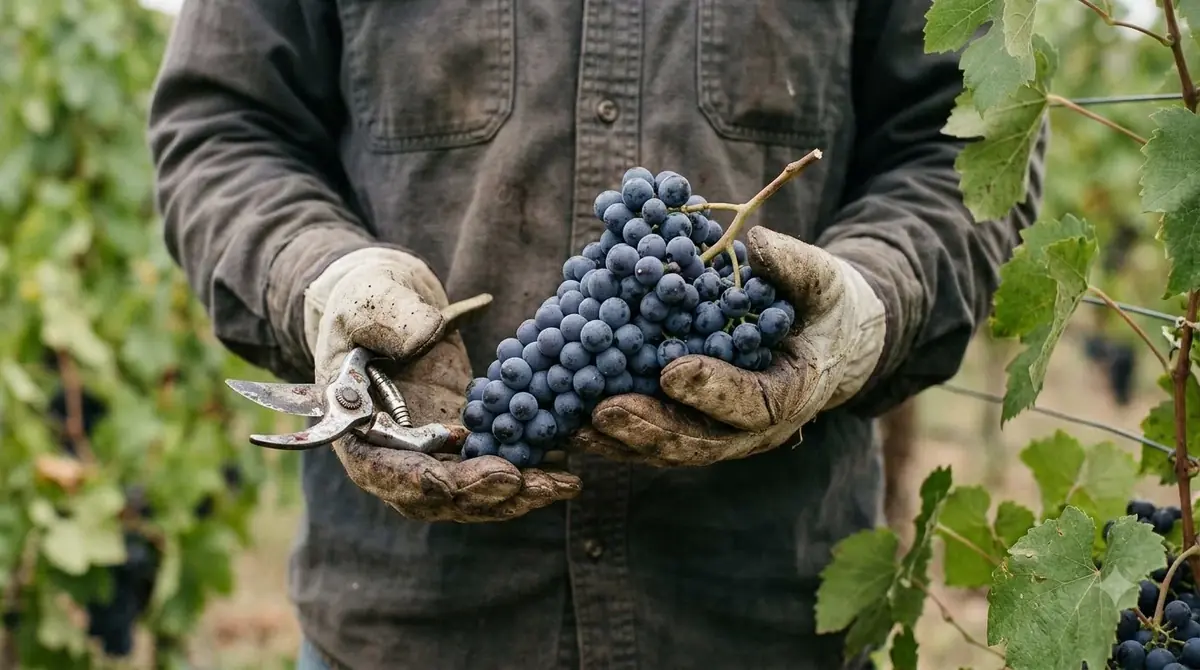
Cabernet Sauvignon is known for concentrated dark-fruit flavors and a firm, drying tannin structure. Common flavor notes include black cherry, dark plum, herbs, bell pepper, and tobacco. The wine can also show cedar, vanilla, or baking spice when oak aging plays a noticeable role. These characteristics make it a natural partner for substantial food, but they can overwhelm mild ingredients. A plain chicken breast cooked in water or lightly seasoned broth rarely has the flavor or richness to hold its own beside a powerful young Cabernet.
Chicken becomes a better partner as its preparation grows more substantial. Roasted skin contributes savory fat and browned flavor. Grilling adds char, while a mushroom sauce creates an earthy element that works with the wine’s dark fruit and oak-derived notes. Salt and fat also soften the impression of tannin, making a well-seasoned thigh or roast leg more accommodating than a lean, unseasoned piece of breast meat.
The character of the bottle matters. A young Cabernet from Napa Valley may be concentrated, fruit-forward, and firm, while a Bordeaux example may bring more herbal or savory character depending on its blend and origin. A mature bottle can show more integrated tannins and developed aromas, making it easier to pair with a simple roast bird. A younger, more assertive wine usually calls for stronger seasoning, crisp skin, or a richer sauce.
That does not mean Cabernet is the first choice for every chicken dinner. Decanter’s guide to pairing wines with chicken emphasizes that a wine should not overpower the meat or the dish. That is a useful principle here: choose Cabernet when the preparation has enough intensity, and choose a lighter wine when the chicken is the main source of flavor.
Choose the Chicken Cut and Cooking Method
Roast chicken, grilled thighs, and braised legs are among the strongest options for Cabernet Sauvignon. Each preparation creates a different kind of flavor, so match the bottle to the amount of browning, fat, and sauce on the plate.

Roast chicken
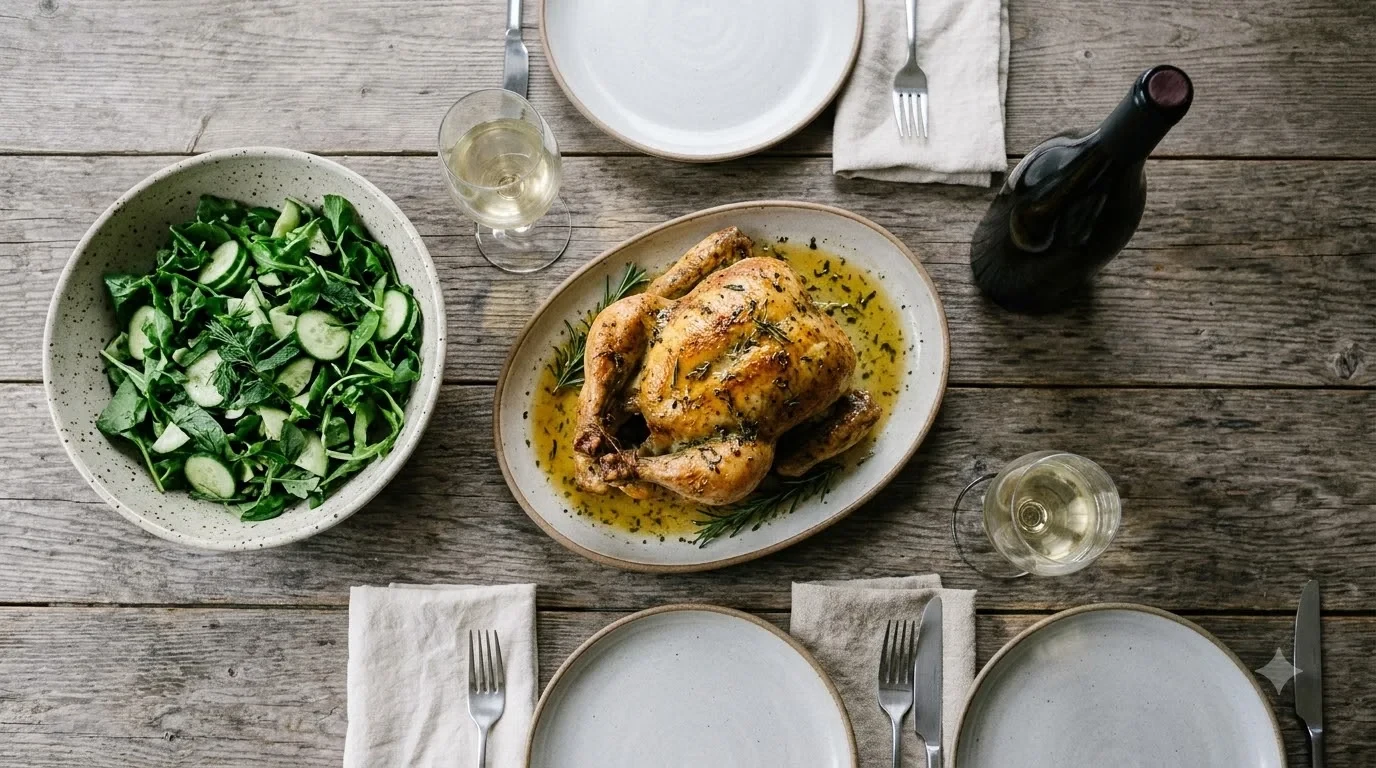
A whole roast chicken is a dependable starting point, especially when the skin is golden and crisp. Season the bird with rosemary, thyme, garlic, black pepper, and salt, then roast it until the skin has developed a deep brown color. Serve the breast with pan juices or gravy, and include the legs and thighs for guests who prefer darker, richer meat. Roasted carrots, onions, or potatoes can make the meal more substantial and help connect the wine to the rest of the plate.
Chicken breast is relatively lean, so avoid serving it alone with a very powerful Cabernet. Include the skin, a little gravy, or a mushroom accompaniment to add flavor and texture. A Cabernet with moderate oak influence and integrated tannins is often easier here than a very young, tightly structured bottle.
Grilled chicken
Grilling gives chicken a smoky, browned exterior that can work well with Cabernet’s dark fruit and toasted notes. Bone-in thighs, drumsticks, and skin-on pieces are especially useful because they retain more moisture and flavor than very lean cuts. A simple seasoning of salt, black pepper, smoked paprika, garlic, and thyme gives the meat enough character without introducing competing sweetness.
Barbecue chicken can work, but the sauce needs attention. A dry rub or lightly applied savory barbecue glaze is generally easier than a thick, sugary coating. Excessive sweetness can make a dry Cabernet taste harsher, while strong chili heat can make its alcohol and tannin seem more aggressive. Keep the heat moderate and favor smoke, pepper, garlic, and herbs.
Pan-roasted and braised chicken
Pan-roasted chicken breast can suit Cabernet when it develops a browned crust and is served with a savory sauce. Start skin-side down when using a skin-on breast, allowing the skin to render and color before finishing the meat. A sauce made with shallots, chicken stock, mushrooms, and a small amount of butter adds enough depth to support the wine without covering up the chicken.
Braised chicken legs are another good possibility. Cook them slowly with mushrooms, onions, thyme, and stock until tender, then reduce the cooking liquid to concentrate its flavor. The soft texture and savory sauce create a better setting for Cabernet than a thin broth. A little red wine in the braising liquid can also connect the dish to the glass, provided the sauce is reduced and balanced rather than sharp or overly acidic.
Match the Sauce and Seasoning to the Wine
Savory, earthy sauces give Cabernet Sauvignon a stronger connection to chicken than sharp citrus dressings or very sweet glazes. Mushrooms, shallots, rosemary, thyme, and reduced stock are useful ingredients because they add depth without making the dish taste excessively sweet or acidic.
Mushrooms are one of the most reliable choices. Cremini, shiitake, or porcini mushrooms bring an earthy flavor that complements Cabernet’s dark fruit and savory notes. Sauté them with shallots, garlic, thyme, and a little butter, then add chicken stock and reduce the liquid until it lightly coats the back of a spoon. The sauce should taste concentrated but not heavy. For roast chicken, spoon it over the meat just before serving so the crisp skin retains some texture.
Herbs can reinforce the pairing without overpowering either the food or wine. Rosemary and thyme are especially useful with roast chicken, while sage works well with a richer pan sauce. Black pepper adds warmth and savory character. Garlic is versatile, but it should be roasted or cooked gently rather than left raw in large quantities, which can dominate the other flavors.
Be careful with acidic ingredients. Lemon juice, vinegar, and sharp tomato sauces can make a wine seem less balanced if the dish is much more acidic than the Cabernet. A small squeeze of lemon may brighten the chicken, but a lemon-heavy marinade is harder to match with a full-bodied red. If the recipe depends on a pronounced citrus flavor, a high-acid Sauvignon Blanc or another fresh white may work better.
Sweetness and heat need similar care. Honey, maple syrup, and sweet barbecue sauce can make a dry red taste more bitter or austere when the glaze becomes the dominant flavor. Chili heat is also amplified by alcohol and tannin, so a very hot glaze is not a dependable partner for Cabernet. A restrained amount of smoked paprika, black pepper, or mild chili gives the chicken character without creating excessive heat.
Tip: Make the sauce first and taste it with a small sip of the Cabernet before finishing the chicken. Mushrooms, reduced stock, shallots, and herbs are good starting points; add lemon, vinegar, sugar, or chili cautiously.
Build Side Dishes That Complement Cabernet
The best side dishes add savory depth, gentle sweetness, or richness without introducing strong acidity. Roasted potatoes, mushrooms, root vegetables, and buttery polenta are more dependable choices than sharply dressed salads or lemon-heavy vegetables.
Roasted potatoes are an easy match for roast chicken and Cabernet. Their browned edges add a savory quality that echoes the skin of the bird, while their mild flavor helps connect the meat and wine. Prepare them with olive oil, salt, black pepper, and rosemary. Carrots, parsnips, onions, and beets are also useful because roasting concentrates their flavor and gives them browned edges. Keep sweet glazes modest so the vegetables do not make the dry wine seem bitter.
Mushroom risotto can give the pairing more depth, particularly with an older Cabernet that has developed savory aromas. The rice contributes a soft, creamy texture, while mushrooms add earthiness and flavor. Polenta, mashed potatoes, or a simple potato gratin are alternatives when the chicken is grilled or served with gravy. A modest amount of butter or olive oil adds richness that can soften the wine’s drying tannins.
Green vegetables can work when they have enough flavor of their own. Charred broccolini, roasted Brussels sprouts, and sautéed kale are more suitable than plain steamed greens because browning adds a savory element. Avoid dressing these vegetables with a large quantity of lemon juice or sharp vinaigrette. A lightly dressed salad can still appear on the table, but it should not dominate the bite taken with the Cabernet.
For a fuller meal, combine several of these elements instead of relying on one side dish. Roast chicken with mushroom gravy, potatoes, and carrots gives the wine multiple points of connection. Grilled thighs with charred broccolini and roasted onions provide a smoky, savory alternative. VinePair’s wine-and-food pairing guide also identifies mushrooms, grilled food, and dishes with red-wine sauces as useful partners for Cabernet Sauvignon’s firm tannins.
Serve Cabernet Sauvignon at the Right Temperature
Full-bodied Cabernet Sauvignon is best served slightly cool rather than warm. A temperature of 60–65°F helps preserve its fruit while keeping alcohol and tannin from feeling excessively heavy beside a rich chicken dish.
Temperature has a practical effect on the pairing. A bottle served too warm can seem alcoholic and broad, especially beside roast chicken with gravy. A bottle served too cold may have muted fruit and firmer-feeling tannins. If the room is warm, a brief period in the refrigerator can bring the wine closer to its target temperature. Avoid freezing the bottle or placing it beside a heat source to adjust it quickly.
| Wine style | Serving temperature | Chicken pairing |
|---|---|---|
| Full-bodied Cabernet Sauvignon | 60–65°F | Roast chicken, grilled thighs, mushroom sauce |
| Light-bodied red | 55–60°F | Simply roasted chicken, herb-seasoned breast |
| Full-bodied white | 50–55°F | Creamy chicken, roast chicken with butter |
| Light white or rosé | 45–50°F | Poached chicken, lemon-herb dishes, chicken salad |
| Sweet white | 43–50°F | Chicken with a sweet glaze when the wine is equally sweet |
A young, full-bodied Cabernet can benefit from 30–60 minutes of decanting before dinner. This gives the wine time to open and can make its aromas easier to appreciate alongside the food. A mature bottle may need less air, particularly if its aromas are already developed. Taste before deciding whether to decant for an extended period.
Use a standard 5-ounce pour. A 750-milliliter bottle provides about five glasses, which is useful when planning a meal for several guests. Store unopened bottles on their sides in a cool, stable place near 55°F, away from direct sunlight and temperature changes. After opening, re-cork the bottle and refrigerate it; still wines generally keep for 3–5 days under refrigeration. Let the remaining Cabernet return toward serving temperature before pouring another glass.
Know When to Choose a Different Wine
Cabernet Sauvignon is not the strongest choice for every chicken recipe. Pinot Noir, Merlot, Sauvignon Blanc, and Chardonnay can be more suitable when the meat is delicate, the dish is sharply seasoned, or the sauce has a lighter texture.
For poached chicken breast with lemon, parsley, and a light stock-based sauce, Sauvignon Blanc is often the more natural match. Its high acidity can meet the citrus in the dish, while its fresh character avoids overwhelming the chicken. Sauvignon Blanc also works well with chicken served with green herb sauces. The separate guide to Sauvignon Blanc with chicken is useful for recipes built around lemon, fresh herbs, or a lighter cooking method.
Pinot Noir is a useful red alternative for simply roasted chicken. Its low-to-medium tannin and high acidity make it less forceful than Cabernet Sauvignon, especially alongside lean breast meat. A bottle from Oregon or Burgundy can provide red-fruit character without the same weight and drying texture. Merlot is another option because it usually has medium tannins and a softer feel than Cabernet. It can work with roast chicken, herb seasoning, and a moderate amount of pan gravy.
Chardonnay is worth considering for chicken cooked with cream, butter, or a rich sauce. A fuller style has enough weight for a creamy preparation, while a lighter style may suit chicken with herbs and mild seasoning. Fried chicken is a different case: a sparkling wine with lively acidity can refresh the palate and balance the richness of the fried coating. A crisp rosé is another alternative for a casual meal with fried or chilled chicken.
Other poultry pairings can help clarify the choice. Turkey has lean breast meat and richer dark meat, so its seasoning and gravy influence the best wine; see Cabernet Sauvignon with turkey for a comparison. Duck has richer meat and more natural fat, which generally makes it easier to pair with a structured red; the discussion of Cabernet Sauvignon with duck covers that combination. For more grape-and-food combinations, the Grape x Food guide provides a broader framework.
Frequently Asked Questions
These answers cover Cabernet Sauvignon’s grape identity, growing regions, and wine styles, including details that can help explain why different bottles behave differently at the table.
Is Cabernet Sauvignon related to Cabernet Franc?
Yes. Genetic testing identifies Cabernet Sauvignon as the natural offspring of Cabernet Franc and Sauvignon Blanc. The crossing originated in Bordeaux, France, and produced a grape that is now grown in many major wine regions.
Is Cabernet Sauvignon always sold as a single-variety wine?
No. Cabernet Sauvignon is often bottled as a varietal wine, but it is also used in blends. Common blending partners include Merlot, Cabernet Franc, Malbec, and Petit Verdot, which can change the finished wine’s texture, aromas, and balance.
Does Cabernet Sauvignon grow outside Bordeaux and Napa Valley?
Yes. Cabernet Sauvignon is planted in Washington State, Australia, and Chile, among other regions. Differences in climate and growing conditions can influence whether the wine emphasizes ripe dark fruit, herbal character, or a firmer structure.
Can Cabernet Sauvignon be used to make rosé?
Yes. Although it is best known for dry red wines, Cabernet Sauvignon also appears in rosé, sparkling, and dessert wine styles. The finished wine’s color, sweetness, and structure depend on the production method and the style being made.
Is Cabernet Sauvignon a late-ripening grape?
Yes. Cabernet Sauvignon is a late-ripening variety with thick-skinned, blue-black berries that typically grow in loose clusters. Its growing season and the conditions at harvest help shape the wine’s balance of fruit, acidity, and tannin.
Cabernet Sauvignon with chicken is at its best when the recipe includes browned skin, savory seasoning, or a concentrated sauce. Match the wine to the preparation, serve it slightly cool, and choose a lighter red or white when the chicken is delicate or sharply dressed.
More in Food & Wine Pairing
 Risotto With White Wine Recipe: Make a Creamy Dinner at HomeUpdated Nov 20, 2026
 Wassail With Wine Recipe for a Festive Spiced Holiday DrinkUpdated Nov 20, 2026
 Spritz Veneziano Recipe: Make a Classic Venetian Aperitivo at HomeUpdated Nov 20, 2026
 Summer Wine Punch Recipe for Easy Homemade EntertainingUpdated Nov 20, 2026
 Bishop Recipe: How to Make a Bright, Citrus-Forward Red Wine CocktailUpdated Nov 20, 2026
 Wine Cupcakes Recipe: Bake Rich Chocolate Cupcakes at HomeUpdated Nov 20, 2026