
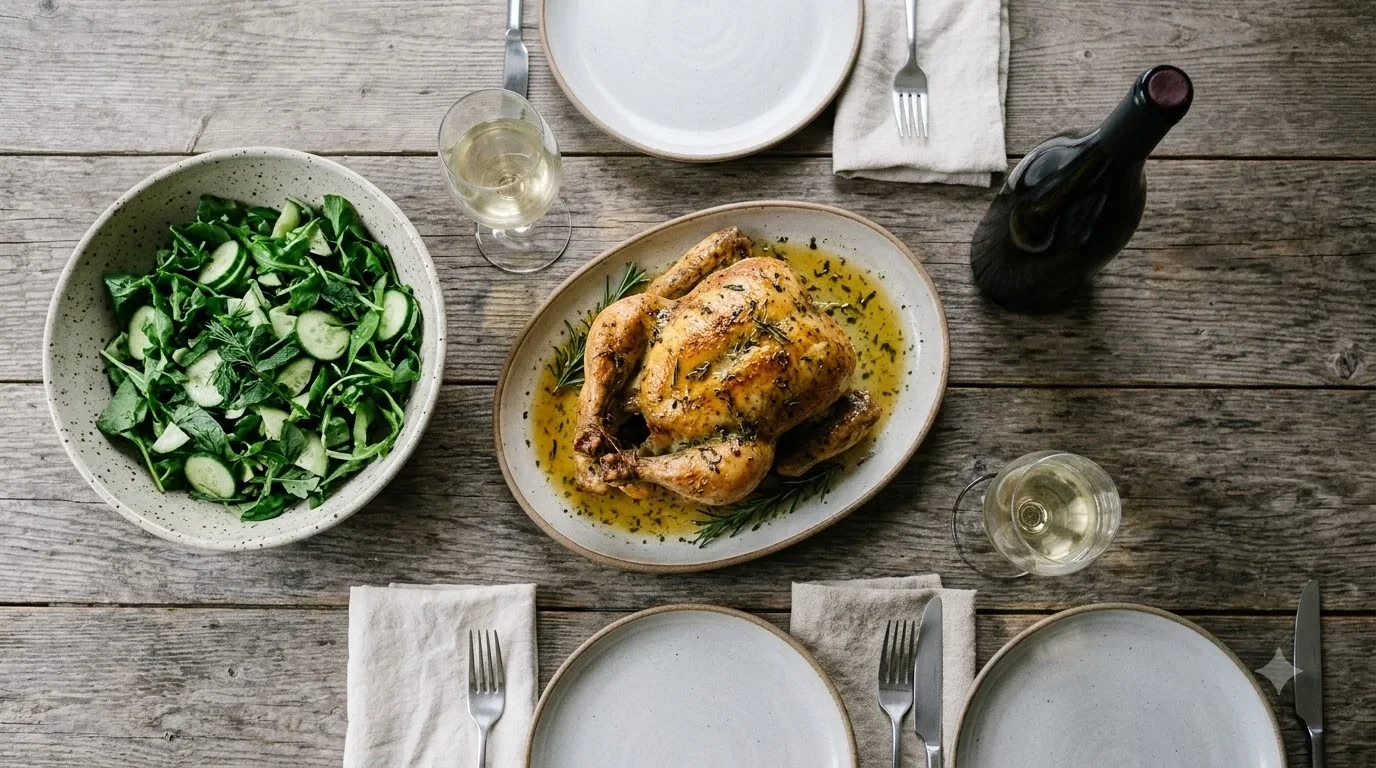

We may earn a commission when you buy through links on this page, at no extra cost to you. Learn more.
Sauvignon blanc with chicken is one of the most reliable white wine pairings, because its high acidity cuts through lean meat and matches the lemon, garlic, and fresh herbs that cooks commonly use. Most chicken preparations work with it, from roasted and grilled to braised and pan-seared, as long as the sauce is bright rather than heavy. Choose a dry, citrus-driven bottle and serve it at 45 to 50°F for the best result. When the dish is spicy or cream-heavy, a different style will serve you better.
Chicken is mild, lean, and endlessly adaptable, which is why people often overthink the wine. The sauce, the seasoning, and the cooking method do most of the work, so the wine has to fit those choices rather than dominate them. Sauvignon blanc is a practical starting point because it works across roasted breast, grilled thighs, and lemony pan sauces without overwhelming any of them. The sections below explain why it works, how to match it to different cooking methods, which sauces and sides suit it, how to serve it, and where it falls short.
Why Sauvignon Blanc Works With Chicken
The short answer is acidity. Sauvignon blanc is naturally high in acid, and that acidity lets a light white hold its own next to a neutral meat without disappearing.
Chicken breast is lean and mild, while thigh meat carries more fat, and both take on the flavor of whatever surrounds them. According to Wine Folly’s poultry pairing guide, white meat such as chicken or turkey breast generally pairs well with white wines like sauvignon blanc or chardonnay. The same guide offers a simple rule of thumb that fits this case: lighter meat, lighter wine. Sauvignon blanc is light bodied, so it adds brightness without adding weight.
Acidity does the heavy lifting. Kendall-Jackson describes the wine’s juicy acidity as a kind of reset that cuts through richness, which is exactly what a squeeze of lemon does for roast chicken. Without enough acid, a buttery pan sauce or a fried crust can make a glass of wine taste flat by comparison, but sauvignon blanc keeps the dish lively from the first bite to the last. The herbal side of the wine helps too, because its grassy and green notes echo the parsley, thyme, and tarragon that many cooks use on chicken. If you are also planning a shellfish course, the same logic applies to richer dishes in our sauvignon blanc with lobster guide, which covers how the wine handles more intense seafood.
How the Cooking Method Changes the Match
Cooking method decides how much weight the chicken carries, so check it before choosing a bottle. Lighter preparations suit sauvignon blanc best, while smoky or heavily fried dishes need a little more planning.
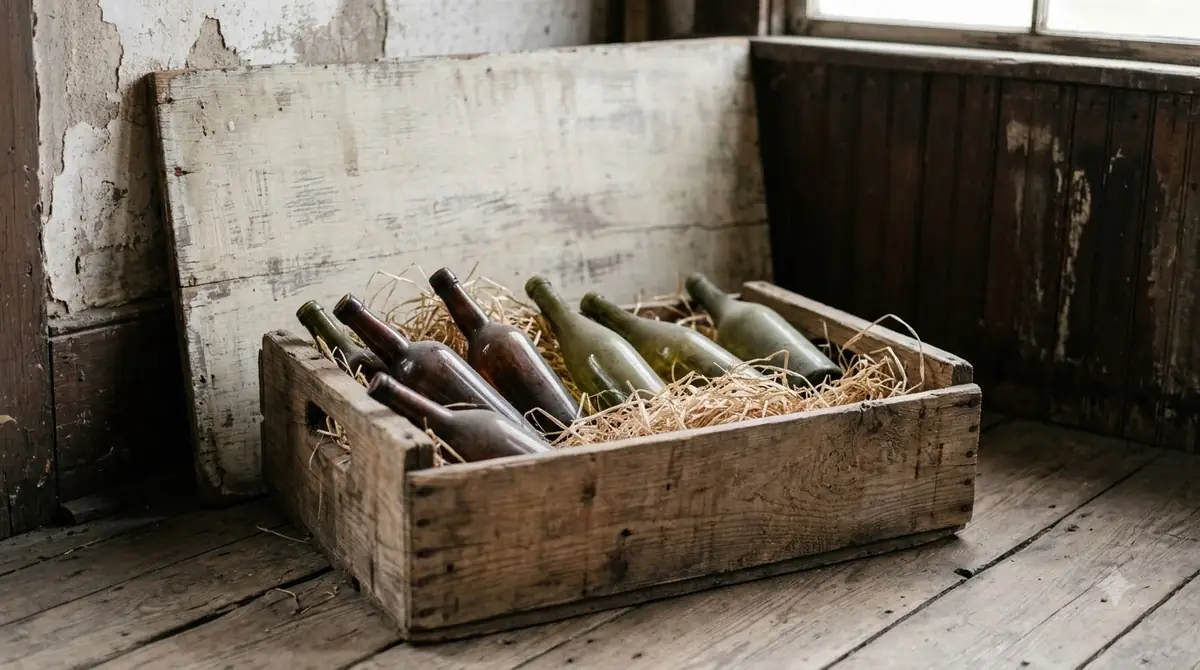
Roasted and lemon-herb chicken
Roast chicken seasoned with lemon, thyme, parsley, or tarragon is the classic sauvignon blanc match. Kendall-Jackson lists lemon chicken, roast turkey, and grilled chicken with herbs as dishes where the poultry’s weight suits the wine’s light body and the herbs echo its green notes. Total Wine goes a step further and suggests roasted chicken stuffed with lemons, where the citrus in the bird and the citrus in the glass reinforce each other instead of competing. Keep the seasoning bright and the sauce light, and the wine will stay in step with the plate.
Grilled chicken
Grilling adds char and smoke, and smoke needs a wine with bright acidity to stay balanced. Vivino describes sauvignon blanc as crisp, zesty, and citrus-driven, a bit like a squeeze of fresh lemon over the grill that lifts the smoky notes while adding a refreshing contrast. Marinades built on lemon, lime, garlic, and herbs are the easiest setup, because the marinade already speaks the same language as the glass. A simple grilled thigh with herbs and a squeeze of lemon at the table is hard to beat with this wine.
Braised chicken
Braising is the one case where the wine goes into the pot as well as the glass. Total Wine suggests braising chicken thighs in sauvignon blanc with onions, bacon, and potatoes for a cool-weather coq au vin blanc. The acidity keeps the richness of the bacon and potatoes from feeling heavy on the plate. Use a moderate amount of wine in the braise, then pour the same bottle at the table so the flavors connect.
Fried chicken
Fried chicken is where still whites have to work hardest. Total Wine says sauvignon blanc can cut through the richness of fried or creamy chicken while bringing out the savoriness in the meat, so it holds up better than many whites. Still, a crisp, greasy coating is a tough test, and the bubbles in a sparkling wine scrub the palate more thoroughly. Serve sauvignon blanc with fried chicken if that is what is open, and reach for something sparkling when you want the pairing to feel lighter from the first bite.
Sauces and Seasonings That Pair Best
The sauce usually matters more than the bird. Bright, herb-based, and citrus-driven sauces are the sweet spot, while heavy cream and sharp heat need a different plan.
Lemon and caper sauces are among the most reliable matches. Total Wine lists lemony chicken piccata with capers and garlic as a natural partner for sauvignon blanc, and the sauce’s acid and salt play with the wine rather than fighting it. In the cooking, reduce a splash of the wine in the pan before adding stock, then finish with lemon and parsley so the sauce and the glass taste like parts of the same meal.
Herb sauces are where the wine truly shines. Wine Folly points to chimichurri, a sauce built from parsley, olive oil, vinegar or lemon, cumin, garlic, and oregano, as a match for herbaceous, high-acid whites, and it names sauvignon blanc among them. Kendall-Jackson adds that bright green sauces such as basil pesto complement the wine’s own herbal profile. In its sauvignon blanc food pairing guide, Total Wine also suggests lemongrass chicken and basil pesto pasta, both of which lean on herbs the wine already expresses.
Cream sauces need more care. Kendall-Jackson says the wine’s acidity cuts through creamy sauces like Alfredo or lemon cream pasta, acting as a palate refresher between bites. Keep the cream on the lighter side, add lemon or herbs, and choose a wine with real acidity. Heavy, butter-laden sauces go past what a light white can carry, and a richer white is the safer choice there.
Vegetables, Sides, and Herbs That Fit the Glass
Side dishes often decide whether a sauvignon blanc pairing works. The wine handles green vegetables and herbs better than most whites, which makes it a practical partner for a full plate.
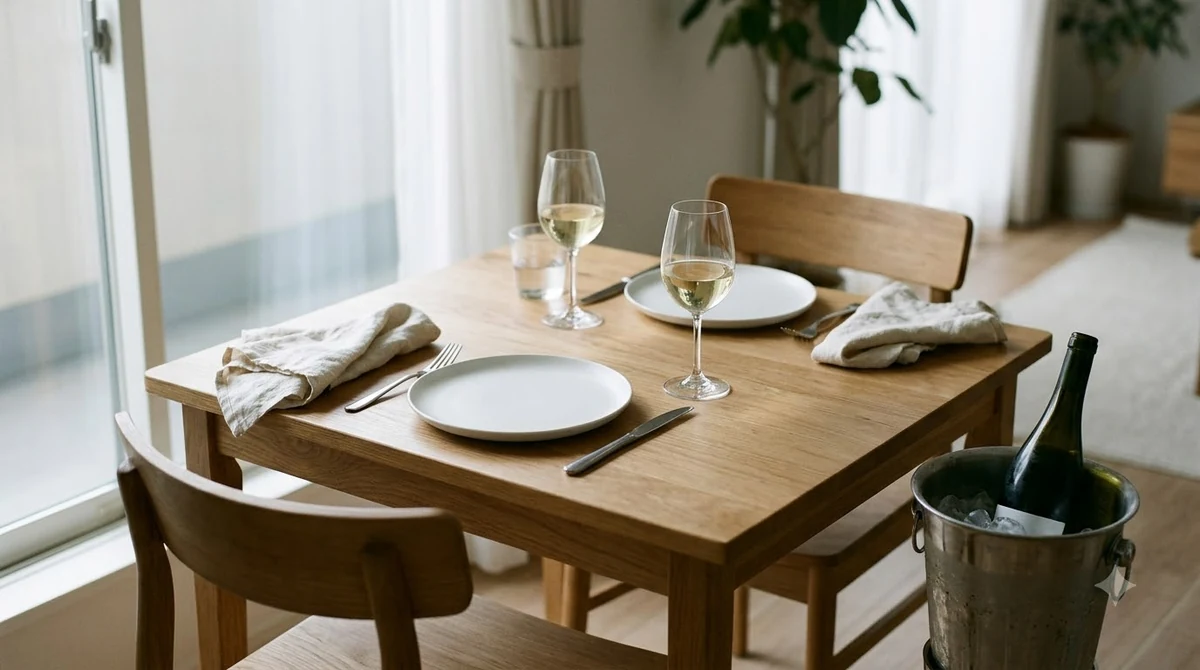
Total Wine says sauvignon blanc can stand up to asparagus, artichoke, and fennel, which tend to make other wines taste sweet or metallic. A roast chicken with lemon-butter asparagus, sautéed green beans, or artichoke hearts is an easy dinner to plan around one bottle. The same guide suggests roasted cauliflower with capers and garlic and kale Caesar salad as partners, so you can build most of the plate from the vegetable section without changing the glass.
Salads are another easy win. Vivino recommends a dry white such as sauvignon blanc or Pinot Grigio for chicken salad, noting that the wine’s acidity enhances the freshness of the dish, and a zippy sauvignon blanc brings out any citrus in the dressing. Herbs deserve the same attention. Basil, cilantro, and mint all sit comfortably beside the wine’s herbal character, which is why cilantro chicken soup and lemongrass chicken appear in so many pairing guides. If your table also includes fish, our guide to sauvignon blanc with salmon covers that match in detail.
Avoid heavy red sauces and dark, tomato-heavy braises with this wine. Kendall-Jackson advises passing on heavy red sauces that overpower the wine’s citrus and herbal notes. A light tomato sauce with fresh basil can still work, but a deep, slow-cooked red sauce will flatten the glass.
Serving Temperature, Pour Size, and Storage
How you serve the wine changes the pairing as much as what you cook. The usual guideline for a light white like sauvignon blanc is 45 to 50°F, and temperature is the easiest lever to control.
Warmer than that, and the wine loses the crisp acidity that makes it a good match for chicken. Colder, and the citrus and herbal notes get muted, so the wine tastes thin beside the food. Pour about 5 oz per glass, and expect roughly five pours from a 750 ml bottle, which is enough for a small table with one glass each. The table below summarizes the working numbers.
| Item | Typical guideline | Why it matters with chicken |
|---|---|---|
| Serving temperature | 45 to 50°F | Keeps the acidity crisp against lean or citrus-based chicken |
| Pour size | 5 oz | Lets the wine carry across several courses without overpowering a light dish |
| Glasses per bottle | About 5 from a 750 ml bottle | Covers a small table with one glass each |
| Open bottle in the fridge | 3 to 5 days | Keeps leftover chicken dinners pairing well with the wine |
Tip: If the bottle has been in the fridge for days, let it sit for a few minutes before pouring so it reaches the 45 to 50°F range. A bottle served too cold will mute the citrus and herbal notes that make it work with chicken.
Storage follows the same logic. Keep unopened bottles on their side in a cool spot near 55°F, where the temperature stays steady and the acidity holds. Once opened, a still white usually keeps well for 3 to 5 days in the fridge, which covers leftover chicken and a second glass the next night. Reseal the bottle tightly so the wine does not pick up fridge odors.
When Sauvignon Blanc Is the Wrong Call
Sauvignon blanc is versatile, but it has clear limits. Spicy heat, heavy red sauces, and very rich braises are the main cases where another wine will serve you better.
Spice is the biggest problem. Kendall-Jackson notes that sauvignon blanc thrives with citrus and herbs rather than fiery chili heat, which can overpower its finesse. Vivino makes a related point, because alcohol and heat do not mix well and the heat can amplify the burn. For chili-heavy chicken, an off-dry Riesling handles the sweetness and heat better, and Vivino also names Pinot Noir as a good option for spicy dishes.
Heavy red sauces and very rich dishes are the second category. Kendall-Jackson advises passing on heavy red sauces, and the same logic applies to dishes that need more body than sauvignon blanc has. When the chicken is cooked in a slow, dark sauce, choose a light red such as Pinot Noir. Vivino recommends Pinot Noir for roasted or herb-marinated chicken because its light body and bright acidity suit savory herbs without overwhelming them.
If the chicken arrives in a heavy breading with fried sides, consider bubbles instead. The sparkling options are covered in the frequently asked questions below, and they are the most reliable answer for a crisp, greasy crust.
Frequently Asked Questions
Is chardonnay a better choice than sauvignon blanc for roast chicken?
Vivino’s guide points to a rich, oaked Chardonnay with ripe fruit, vanilla notes, and a hint of oak for roast chicken, since that style mirrors the caramelized skin and herb-infused juices. Sauvignon blanc is the crisper choice and suits a roast seasoned with lemon or fresh herbs. Pick Chardonnay for a buttery, savory roast and sauvignon blanc for a brighter one.
What sparkling wine works best with fried chicken?
Vivino recommends Champagne or Cava for fried chicken, since the bubbles cut through the oiliness of the crust. Wine Folly’s list for the same dish includes rosé Champagne, sparkling wine, and Lambrusco. Pick whichever style suits the table, because each one gives a greasy coating a refreshing contrast.
Is there a red wine that works with barbecue chicken?
Vivino says a fruitier Pinot Noir, such as a bottling from California or Oregon, is an even better match when a barbecue glaze is involved. Its cherry, raspberry, and cranberry notes complement the smoky char without overpowering the meat.
What wine suits poached chicken or chicken in soup?
Vivino pairs poached or boiled chicken with Pinot Grigio for a fresh, clean match. Grüner Veltliner is its second suggestion, bringing a hint of white pepper and citrus. Both work because they add interest without overpowering a mild broth.
Does a warm-climate sauvignon blanc change the chicken pairing?
Wine Folly notes that the warmer the climate, the roastier and meatier a dish can be when paired with sauvignon blanc. Kendall-Jackson says cool-climate bottles lean zesty, citrus-forward, and minerally, while warm-climate bottlings show riper tropical fruit. For lemon-herb chicken, a cooler-climate bottle is usually the sharper choice, and for roasted or barbecued chicken a warmer-climate bottle can hold up well.
Sauvignon blanc with chicken is a dependable choice when the sauce is bright, the herbs are fresh, and the wine is served cool. For a broader view of how grape styles match different foods, see our Grape x Food guide. Start with a lemon-herb dish, and you will rarely need to second-guess the bottle.
More in Food & Wine Pairing
 Risotto With White Wine Recipe: Make a Creamy Dinner at HomeUpdated Nov 20, 2026
 Wassail With Wine Recipe for a Festive Spiced Holiday DrinkUpdated Nov 20, 2026
 Spritz Veneziano Recipe: Make a Classic Venetian Aperitivo at HomeUpdated Nov 20, 2026
 Summer Wine Punch Recipe for Easy Homemade EntertainingUpdated Nov 20, 2026
 Bishop Recipe: How to Make a Bright, Citrus-Forward Red Wine CocktailUpdated Nov 20, 2026
 Wine Cupcakes Recipe: Bake Rich Chocolate Cupcakes at HomeUpdated Nov 20, 2026