

We may earn a commission when you buy through links on this page, at no extra cost to you. Learn more.
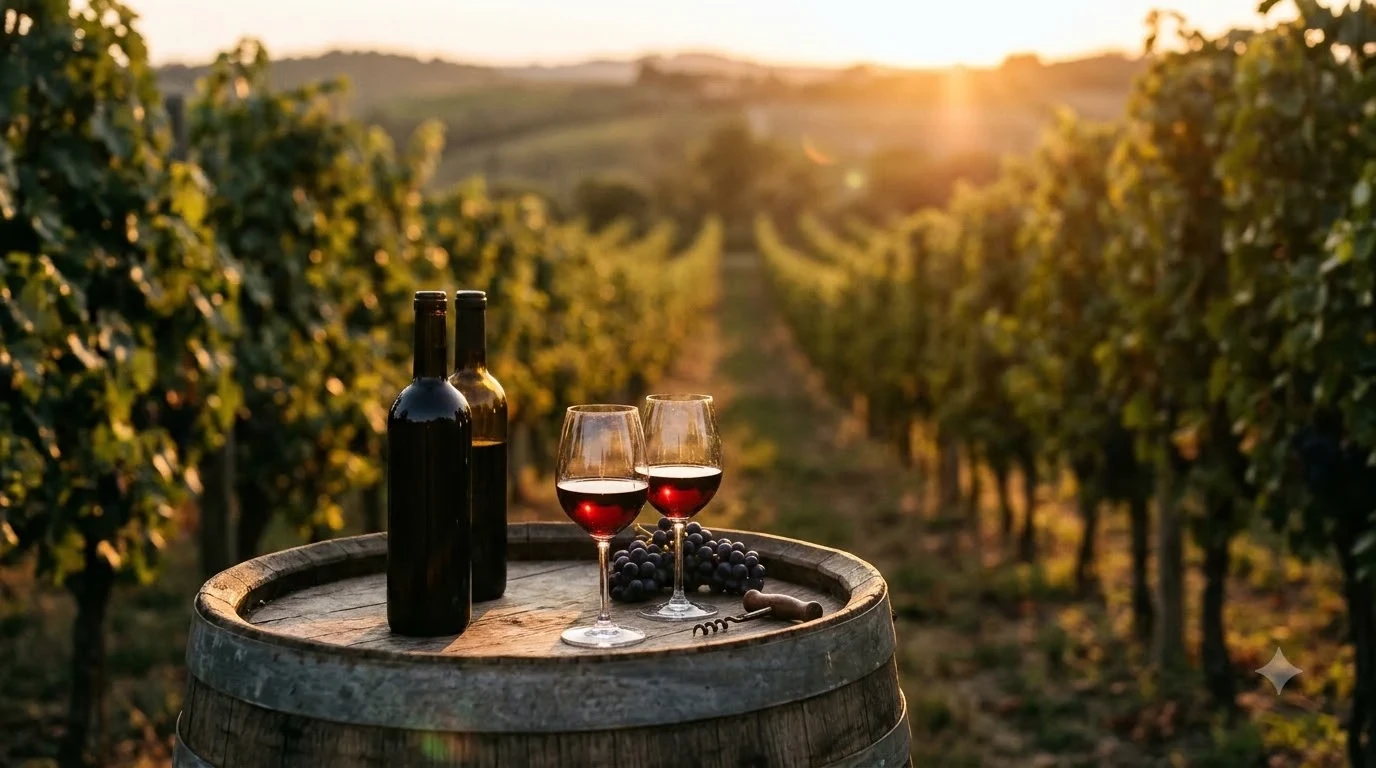
This louis m martini wine review finds a Napa Valley producer worth considering for structured Cabernet Sauvignon, distinctive vineyard wines, and food-friendly California reds. The winery’s portfolio ranges from approachable varietal selections to concentrated mountain Cabernet Sauvignon and reserve-style blends. The right bottle depends on your preference for fruit intensity, tannin, oak influence, and aging potential rather than the producer’s reputation alone.
Louis M. Martini is a historic Napa Valley winery with a particularly strong association with Cabernet Sauvignon. Its wines reflect several generations of winemaking, while its current collection includes Cabernet Franc, Merlot, Zinfandel, and vineyard-designated Cabernet Sauvignon. Understanding the differences between these offerings makes it easier to select a bottle for a weeknight dinner, a special meal, or a longer-term cellar collection.
Who Louis M. Martini Wines Are For
Louis M. Martini is particularly suitable for drinkers who appreciate California Cabernet Sauvignon with recognizable dark-fruit flavors, substantial structure, and a connection to Napa Valley vineyard sites. Its collection also accommodates people who prefer alternatives such as Merlot and Zinfandel rather than exclusively powerful Cabernet.
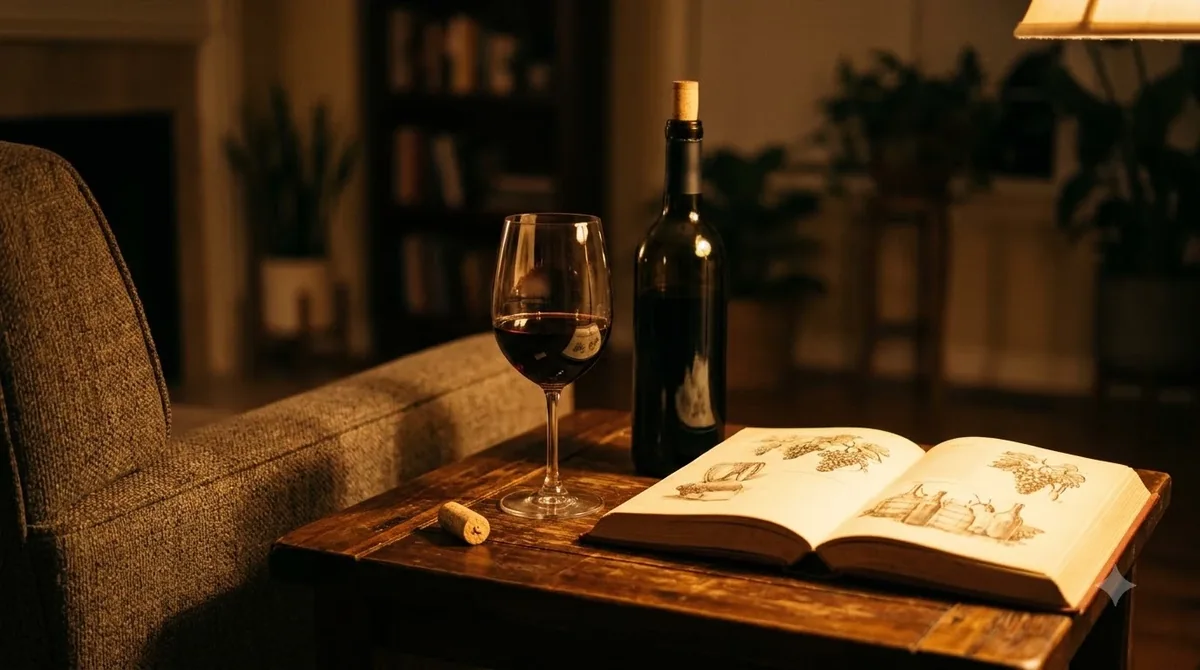
The winery’s history begins in 1933, when founder Louis M. Martini established his winery in St. Helena after Prohibition. He recognized Napa Valley’s potential for quality grape growing and concentrated much of his attention on Cabernet Sauvignon. His son, Louis P. Martini, subsequently contributed technical innovations to grape growing and winemaking, including frost-protection wind machines and grape-clone development.
This background helps explain why Cabernet Sauvignon remains central to the producer’s identity. However, the wines should not all be treated as interchangeable expressions of the same grape. A Napa Valley Cabernet offers a broader regional perspective, while a vineyard-designated wine communicates characteristics associated with a more specific growing site.
For someone purchasing a bottle for the first time, the standard Napa Valley Cabernet Sauvignon is a sensible starting point. It offers a way to understand the winery’s general style before moving toward individual vineyard bottlings or more elaborate blends. A drinker who already enjoys powerful Napa reds may prefer exploring Monte Rosso or Lot No. 1 instead.
The collection also makes sense for people who enjoy pairing wine with substantial meals. Cabernet Sauvignon’s tannin and body work particularly well with grilled beef, lamb, and dishes featuring rich sauces. Zinfandel provides another direction, with ripe fruit and peppery seasoning that can complement barbecued meats and tomato-based dishes.
Buyers seeking delicate, light-bodied reds should approach the winery’s Cabernet selections with different expectations. Cabernet Sauvignon generally has considerably more tannin than Pinot Noir, and the more concentrated vineyard bottlings can feel particularly substantial. A preference for lighter textures may point toward a different grape variety or a softer Merlot-based selection.
Readers comparing different producers can also use our broader Wine Brands resource to understand how regional identity, grape selection, and production style influence a wine’s character.
Key Factors to Compare Before Buying
The most useful comparison involves grape variety, vineyard origin, tannin, oak influence, and intended drinking time. Louis M. Martini’s portfolio includes distinct expressions, so choosing by the name on the front label alone can overlook meaningful differences.
Cabernet Sauvignon should be the first consideration for buyers seeking structure and dark-fruit intensity. The winery’s 2023 The Gryphon Cabernet Sauvignon emphasizes boysenberry, dark cherry, graphite, and firm tannins. Its more vineyard-specific selections offer additional differences in concentration and site character.
Zinfandel provides a different experience. The 2023 Monte Rosso Gnarly Vine Zinfandel is described by the winery with blackberry, cracked pepper, and baking spice. Those characteristics make it a useful alternative for someone who enjoys ripe red wines but wants something less centered on Cabernet’s familiar cassis and firm tannin profile.
| Wine or category | Primary characteristics | Best suited to | Buying consideration |
|---|---|---|---|
| Napa Valley Cabernet Sauvignon | Dark fruit, oak, structured tannins | Beef dinners and general Napa Cabernet fans | Good starting category |
| 2023 The Gryphon Cabernet Sauvignon | Boysenberry, dark cherry, graphite | Drinkers seeking table-focused Napa Cabernet | Allow approximately 20 minutes of decanting |
| 2022 Monte Rosso Vineyard Cabernet Sauvignon | Currant, blackberry, pencil shavings | Collectors and mountain Cabernet enthusiasts | Consider its structured, ageworthy character |
| 2021 Lot No. 1 Cabernet Sauvignon | Dark fruit, espresso, dark chocolate | Special meals and reserve-style wine enthusiasts | Includes 30% Stagecoach Vineyard fruit |
| 2023 Monte Rosso Gnarly Vine Zinfandel | Blackberry, cracked pepper, baking spice | Barbecue and ripe-fruit wine enthusiasts | Choose for a different varietal expression |
| Napa Valley Merlot | Red cherry, plum, softer tannin | Drinkers preferring a rounder red | Consider when Cabernet feels too firm |
Vineyard origin is another important distinction. The winery’s Monte Rosso property has historic plantings of Zinfandel, Sémillon, and Cabernet Sauvignon. Its red volcanic soil and mountain location provide an identity that differs from a wine assembled from multiple Napa Valley growing sites.
Oak influence also deserves attention. The winery identifies 88% new French oak in its description of the 2021 Lot No. 1 Cabernet Sauvignon. This is a substantial proportion, making the wine a more relevant choice for someone who appreciates the relationship between dark fruit, baking spice, espresso, and oak-derived flavors.
Alcohol content can influence the impression of weight and warmth. For example, Wine Enthusiast lists the 2022 Stagecoach Cabernet Sauvignon at 15.2% ABV in a standard 750 ml bottle. Its 2022 Stagecoach Cabernet Sauvignon review describes concentrated blackberry, cinnamon, cracked pepper, and sage, along with substantial tannic structure. That is a useful reference when comparing different Cabernet styles, although individual vintages and bottlings should be evaluated separately.
For a broader understanding of the producer’s Cabernet selection, see our dedicated Louis M. Martini red wine overview.
Step-by-Step: How to Choose the Right Bottle
A straightforward selection process starts with the occasion and your preferred grape variety. From there, compare the bottling, vineyard origin, structure, and intended serving time before making a decision.
-
Decide what style you want.
Choose Cabernet Sauvignon if you enjoy firm tannins, dark fruit, and a fuller-bodied red. Select Merlot if you prefer softer tannins and a rounder texture. Consider Zinfandel if blackberry, pepper, and baking spice appeal more than traditional Cabernet characteristics.
-
Establish your drinking occasion.
A straightforward dinner with grilled burgers may call for a general Napa Valley Cabernet or Zinfandel. A more formal beef dinner could justify a vineyard-designated Cabernet or Lot No. 1. The wine should complement the meal rather than compete with it.
-
Compare the vineyard designation.
Look at whether the bottle represents Napa Valley broadly or identifies a particular vineyard. Monte Rosso, Stagecoach, and Mount Veeder are examples of named growing sites associated with the winery’s portfolio. These designations can help distinguish a site-focused wine from a broader regional blend.
-
Consider tannin and concentration.
Cabernet Sauvignon is naturally high in tannin. A concentrated mountain Cabernet may therefore feel more structured than a softer Merlot. If you are new to the producer, start with a more accessible expression before purchasing a particularly powerful bottle intended for extended aging.
-
Evaluate the oak profile.
Consider whether you enjoy vanilla, toast, baking spice, espresso, and dark chocolate alongside fruit. The 2021 Lot No. 1, with its stated 88% new French oak, is an example of a bottling for drinkers comfortable with a noticeable oak contribution.
-
Check the vintage and bottle format.
Different vintages can show different alcohol levels, fruit concentration, and tannin development. Standard 750 ml bottles are convenient for sharing, with approximately five standard 5 oz servings per bottle. For a dinner involving several people, plan the number of bottles around the number of guests and other beverages being served.
-
Match the wine to your drinking timeline.
If you intend to open the bottle soon, favor a wine that already has an approachable structure. If you are building a collection, look for a bottling with enough acidity, fruit concentration, and tannin to develop over time. Wine Enthusiast’s recommendation of a 2030–2045 drinking window for the 2022 Stagecoach Cabernet illustrates how different this timeline can be for a powerful vineyard wine.
This process avoids a common purchasing mistake: assuming that the most prestigious or concentrated bottle will necessarily be the most enjoyable choice. A balanced regional Cabernet can be more suitable for an ordinary dinner than a highly structured single-vineyard wine that benefits from years of development.
Tip: If you are choosing your first bottle, begin with the standard Napa Valley Cabernet Sauvignon or The Gryphon. Move toward Monte Rosso and Lot No. 1 when you know that you enjoy firmer tannins, concentrated dark fruit, and a more pronounced oak profile.
Louis M. Martini Wine Types and Styles Explained
The portfolio is broader than Cabernet Sauvignon alone, although Cabernet remains its defining grape. Understanding the main categories helps buyers identify whether they want a regional expression, a vineyard-focused wine, or a different red variety altogether.
Napa Valley Cabernet Sauvignon
Napa Valley Cabernet Sauvignon is the logical entry point for understanding the winery. Cabernet Sauvignon commonly displays blackcurrant, blackberry, dark cherry, cedar, and sometimes tobacco or herbal notes. Its naturally high tannin contributes grip and structure, especially in concentrated examples.
The winery’s regional Cabernet category is suited to drinkers who want a recognizable California Cabernet experience without necessarily moving directly into a vineyard-designated release. Its appeal is the combination of ripe fruit, substantial body, and food-friendly structure.
Professional reviews also provide useful context for understanding the style across different vintages. For example, reviews of earlier Louis M. Martini Napa Valley Cabernet bottlings describe dark fruit, chocolate, spice, and structured tannins. Such reviews are useful historical comparisons, but they should not be treated as tasting descriptions for every subsequent vintage.
The Gryphon Cabernet Sauvignon
The Gryphon represents a distinct expression of the winery’s current direction. The 2023 bottling is described with boysenberry, dark cherry, graphite, and firm tannins. Its stated emphasis is on producing a Cabernet intended for the dining table rather than simply maximizing concentration.
The winery recommends approximately 20 minutes in a decanter for this particular bottling. That is a practical starting point for allowing the wine to open, particularly if it initially seems tight or reserved. It can be paired with grilled steak, roast beef, or lamb with rosemary and black pepper.
This is a sensible selection for someone who wants a more focused Cabernet experience while retaining enough freshness to accompany a meal. It also provides a useful comparison point before moving toward the winery’s more specialized mountain wines.
Monte Rosso Vineyard Wines
Monte Rosso is particularly important to the producer’s identity. The vineyard was acquired in 1937 and renamed from Goldstein Ranch in reference to its distinctive brick-red soil. Its historic plantings include Cabernet Sauvignon and Zinfandel, among other varieties.
The 2022 Monte Rosso Vineyard Cabernet Sauvignon is described with currant, blackberry, and pencil-shaving notes. The winery presents it as a structured wine with aging potential. This makes it a natural choice for drinkers who enjoy concentrated Cabernet and want to explore a particular Napa growing site.
The 2023 Monte Rosso Gnarly Vine Zinfandel offers a different interpretation of the same historic vineyard. Blackberry, cracked pepper, and baking spice give it a ripe, savory personality. It is particularly interesting for people who enjoy the fruit intensity of California Zinfandel and want a more site-specific expression.
Lot No. 1 Cabernet Sauvignon
Lot No. 1 occupies a premium position in the winery’s collection. The 2021 bottling is described as a reserve-style Cabernet blend assembled from notable Napa Valley sites, including 30% Stagecoach Vineyard fruit. The winery identifies dark fruit, espresso, dark chocolate, and 88% new French oak in its description.
This combination makes it a stronger candidate for someone seeking a substantial red with considerable oak influence. Its character is likely to appeal to drinkers who appreciate concentrated fruit and a long, structured finish rather than a lighter, immediately accessible Cabernet.
Lot No. 1 should not be confused with a single-vineyard wine. Its appeal comes from the blending of selected vineyard sources, whereas Monte Rosso and Stagecoach bottlings provide a more focused connection to a named growing site.
Merlot, Cabernet Franc, and Other Varieties
The winery’s broader range includes Merlot and Cabernet Franc, along with other varieties identified in its portfolio. Merlot typically has softer, medium tannins and can provide a rounder experience than Cabernet Sauvignon. This makes it useful for people who enjoy California red wine but do not always want a highly structured glass.
Cabernet Franc offers another interesting direction. Depending on the growing conditions and winemaking, it can combine dark fruit with herbal, floral, and peppery characteristics. It is a useful choice for someone looking for complexity without necessarily choosing another Cabernet Sauvignon.
For a more focused overview of the different labels and bottlings, our Louis Martini wine resource provides another starting point for comparing the collection.
Common Mistakes When Buying and Drinking These Wines
The biggest mistakes involve assuming every Cabernet has the same structure, serving powerful reds too warm, and overlooking the importance of food pairing. A few adjustments can make a substantial difference to how the wine performs at the table.
Assuming every bottle is equally powerful
Not all Louis M. Martini wines should be expected to deliver the same degree of tannin or concentration. A Merlot and a mountain Cabernet are fundamentally different drinking experiences. The former generally offers softer tannins, while Cabernet Sauvignon is naturally more structured.
The same distinction applies within the Cabernet category. A broader Napa Valley bottling and a vineyard-designated release may differ considerably in fruit concentration, oak treatment, and aging potential. Choosing based only on the grape name ignores those important differences.
Serving Cabernet too warm
Full-bodied red wines are often served at room temperature, but modern indoor temperatures can be considerably warmer than ideal cellar conditions. Excessive warmth can make alcohol feel more prominent and reduce the impression of freshness.
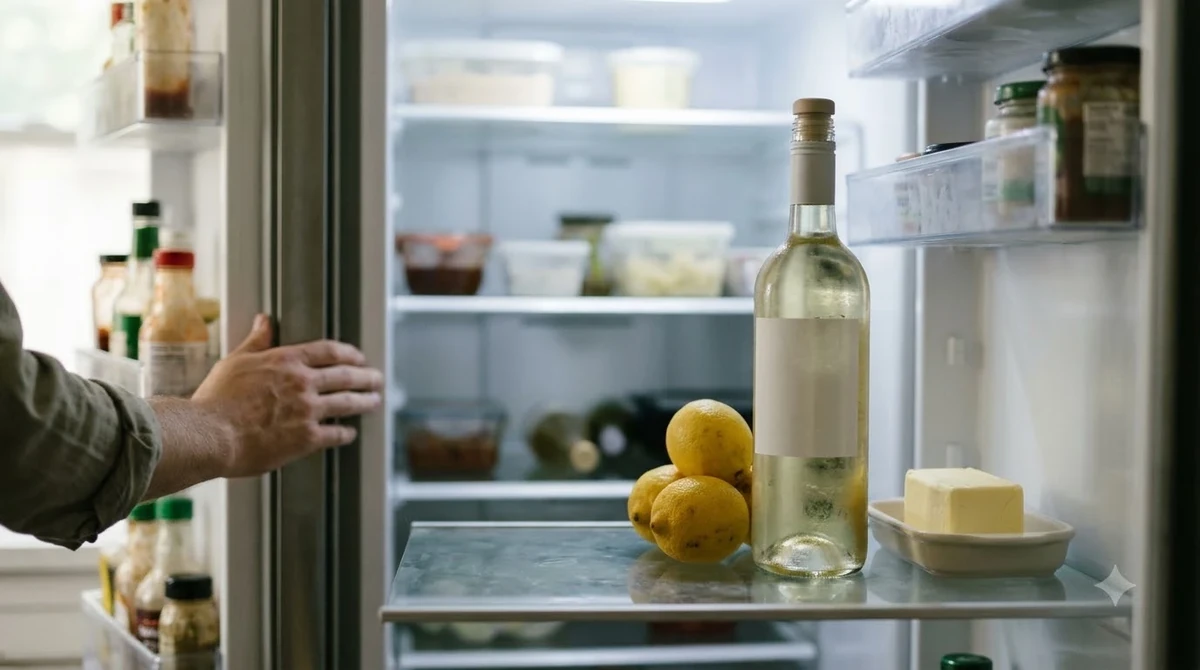
A practical serving range for full-bodied red wines is 60–65 F. If a bottle has been stored in a warm room, placing it in the refrigerator briefly before serving can help bring it closer to this range.
Ignoring decanting
Decanting is particularly useful for structured young Cabernet Sauvignon. It can help expose the wine to oxygen and release aromas that initially seem restrained. The winery specifically suggests approximately 20 minutes for the 2023 The Gryphon.
For younger, fuller-bodied red wines generally, 30–60 minutes can be a useful starting range. However, not every wine requires an extended decant. Start with a small pour, assess the aromas and texture, and adjust the amount of air exposure accordingly.
Choosing food that fights the tannins
Cabernet Sauvignon is naturally high in tannin, making it particularly compatible with dishes containing protein and fat. Grilled beef, lamb chops, short ribs, and aged hard cheeses are dependable pairings. Salt and fat can soften the perception of tannin, creating a more balanced combination.
Very spicy dishes can be more challenging because alcohol and tannin can intensify the sensation of chili heat. Delicate oily fish can also clash with tannic red wine. For those dishes, a fresh white wine or a lighter red with less tannin is often a better choice.
Expecting every vintage to taste identical
Vintage variation is important in Napa Valley. Weather conditions influence grape ripeness, acidity, concentration, and alcohol levels. A review of an older vintage should therefore be treated as evidence of that particular bottling rather than a guarantee about a newer release.
Professional reviews are most useful when they identify the vintage and vineyard designation clearly. Wine Enthusiast’s 2022 Stagecoach review, for instance, describes a powerful Cabernet with dark plum, blackcurrant, sage, and substantial tannins. Those observations are more informative than a general statement that the producer makes good Cabernet.
Serving, Pairing, and Storage Tips
Louis M. Martini Cabernet Sauvignon is generally best served slightly cooler than a typical warm room, with enough time in the glass or decanter to reveal its aromas. Proper storage is equally important if you intend to keep a bottle for a future occasion.
Recommended serving temperature
For full-bodied Cabernet Sauvignon, aim for approximately 60–65 F. This temperature helps maintain freshness while allowing dark fruit, oak, and savory aromas to emerge. A wine served substantially warmer may seem heavier and more alcoholic than intended.
Merlot can also be served in the 60–65 F range when it has a full-bodied structure. For Zinfandel, a similar approach works well, particularly when the wine is concentrated and intended to accompany barbecue or roasted meat.
Food pairing recommendations
Grilled ribeye is a classic match for Cabernet Sauvignon because the protein and fat help balance the grape’s firm tannins. Roast lamb with rosemary, braised short ribs, and beef tenderloin are also suitable options. Dishes featuring mushrooms, roasted vegetables, or savory reductions can complement the wine’s earthy and herbal characteristics.
For Monte Rosso Zinfandel, consider smoked brisket, grilled sausages, barbecue ribs, or a richly seasoned tomato-based pasta. Blackberry and pepper characteristics can work particularly well with smoky and savory flavors.
Merlot is versatile with roast chicken, pork tenderloin, mushroom risotto, and moderately rich pasta dishes. Its softer tannins can make it a more flexible choice for meals that do not have the intensity required by a powerful Cabernet.
Decanting and glassware
A large-bowled red wine glass is a practical choice for Cabernet Sauvignon. The additional space allows aromas to collect while giving the wine room to move around the glass. Pour approximately 5 oz per serving, which provides about five standard glasses from a 750 ml bottle.
Decant younger, structured Cabernet for approximately 30–60 minutes as a general starting point, adjusting according to its development. For The Gryphon, the producer’s more specific recommendation is approximately 20 minutes. Older bottles should be handled more carefully because excessive oxygen exposure can diminish their remaining freshness.
Storage conditions
Unopened wine intended for aging should be kept in a cool, dark location with a stable temperature near 55 F. Bottles sealed with traditional corks are generally stored horizontally to help maintain contact between the cork and wine. Avoid direct sunlight, vibration, and frequent temperature changes.
After opening, reseal the bottle and refrigerate it. Most opened still wines retain reasonable quality for approximately 3–5 days, although delicate aromas and flavors can gradually fade. Allow refrigerated red wine to warm slightly before serving again.
Not every Louis M. Martini bottle needs long-term cellaring. A more accessible regional Cabernet may be enjoyed earlier, while a concentrated vineyard-designated Cabernet can benefit from additional bottle development. Follow the individual wine’s structure and vintage rather than assuming that every bottle will improve indefinitely.
Frequently Asked Questions
Is Louis M. Martini an Italian or American wine producer?
Louis M. Martini is an American winery based in St. Helena, Napa Valley, California. Its founder, Louis M. Martini, was born in Genoa, Italy, before establishing his winery in California in 1933. The family’s Italian background is part of the producer’s history, but the wines discussed here are California wines.
Does Louis M. Martini produce white wine?
Yes, the winery’s broader portfolio includes Sauvignon Blanc and other white-wine varieties. The historic Monte Rosso property also has Sémillon plantings. These offerings provide alternatives for customers who do not exclusively drink Cabernet Sauvignon and other red wines.
What does the gryphon symbol on Louis M. Martini wine represent?
The winery explains that the gryphon is a traditional symbol associated with Genoa, Italy, the birthplace of its founder. It represents qualities including wisdom, courage, and leadership. The symbol connects the winery’s visual identity with its founder’s Italian origins.
Can visitors taste Louis M. Martini wines at the winery?
Yes. The winery welcomes visitors for tasting experiences at its St. Helena location. The Napa Valley Vintners directory describes a tasting room with a view into the oak barrel room. Reservations should be arranged before visiting.
Who currently guides Louis M. Martini’s winemaking?
Zach Watkins is identified by the winery as its winemaker. The winery’s current direction emphasizes varietal character, lifted aromatics, higher acidity, and moderate alcohol. This approach draws inspiration from earlier generations while maintaining an interest in the future development of Napa Valley wines.
Louis M. Martini is a compelling producer for people who appreciate Napa Valley Cabernet Sauvignon, distinctive vineyard expressions, and traditional food-friendly red wines. Start with the regional Cabernet or The Gryphon for a useful introduction, then explore Monte Rosso and Lot No. 1 if you prefer more concentrated, structured wines. Comparing grape variety, vineyard origin, and intended drinking time will help you find the bottle that best suits your table.
More in Wine Brands
 Zenato Wine Price: Compare Styles and Choose the Right BottleUpdated Nov 21, 2026
 Zuccardi Wine Price: Compare Bottles and Find the Right RangeUpdated Nov 21, 2026
 Yellow Tail Moscato Review: Taste, Sweetness and Serving TipsUpdated Nov 21, 2026
 Wolf Blass Yellow Label Review: Choose Your Best StyleUpdated Nov 21, 2026
 Wolffer Estate Rose Review: Choose the Right Bottle for Your TableUpdated Nov 21, 2026
 Wolf Blass Yellow Label Price: What to Expect for Each BottleUpdated Nov 21, 2026