

We may earn a commission when you buy through links on this page, at no extra cost to you. Learn more.
Louis M Martini red wine is mostly Cabernet Sauvignon from a St. Helena, California winery founded in 1933, and it is best served at 60 to 65 degrees Fahrenheit with rich, fatty, or salty food. The core bottling is a Napa Valley Cabernet with dark fruit, firm tannin, and enough structure to stand up to a grilled steak. The range also includes a Sonoma-sourced flagship, a top-tier Cabernet, and a rare old-vine Zinfandel, so the right bottle depends on whether you want a dependable dinner red or a wine with more depth.
Many American wine drinkers first meet this label on a grocery shelf, but the story behind the bottle starts before Prohibition ended, when a family bet on dry wine at a time when many California producers were still making sacramental and bulk wine. That background helps explain why the reds taste the way they do. Below you will find the winery’s history, the main red bottlings, how the blends change from one vintage to the next, the alcohol and tannin to expect, and the practical details of serving, storing, and pairing.
A Napa Valley Winery Built Right After Prohibition
Louis M. Martini bought land south of St. Helena and built his winery in 1933, and the family owned it until 2002. That long run explains why the house style still reflects the original focus on structured reds.
According to the Napa Wine Project, Louis M. Martini purchased property south of St. Helena on June 14, 1933, and the winery is considered the first built in Napa Valley after Prohibition. He had spent years in the grape and wine business before that. He arrived in San Francisco as a 12-year-old, worked with his father on home and commercial winemaking, and ran a grape products business in Kingsburg during the dry years. When he chose Napa Valley, he was betting that dry table wines, especially Cabernet Sauvignon, would become the future of the industry, a view Wine Spectator attributes to him in its obituary of his grandson Michael Martini.
The family’s influence reached beyond its own cellar. Louis P. Martini, the founder’s son, had taken over winemaking responsibilities by 1954, and the Napa Wine Project notes that he was among the first in California to produce a single-varietal Merlot. A profile of the producer’s history in Decanter’s feature on the Martini family and its vertical tastings explains that the family labeled many wines “California Mountain” so they could blend Sonoma and Napa fruit as needed. That flexibility shaped the way the winery built its later bottlings.
The family sold the winery to E. & J. Gallo in 2002. Michael Martini, Louis P.’s son, stayed on as winemaker after taking over the role from his father in 1977 and retired in 2015 after about 40 years in the cellar. Mark Williams became winemaker in 2021, succeeding Mike Eddy. Knowing this chain of winemakers helps explain why the style has changed gradually over the decades instead of shifting with each new owner.
The Main Red Wines in the Louis M Martini Lineup
Most bottles are Napa Valley Cabernet Sauvignon, with Lot No. 1 and the Monte Rosso Cabernet at the top, plus a limited old-vine Zinfandel that stands apart from the rest of the range.
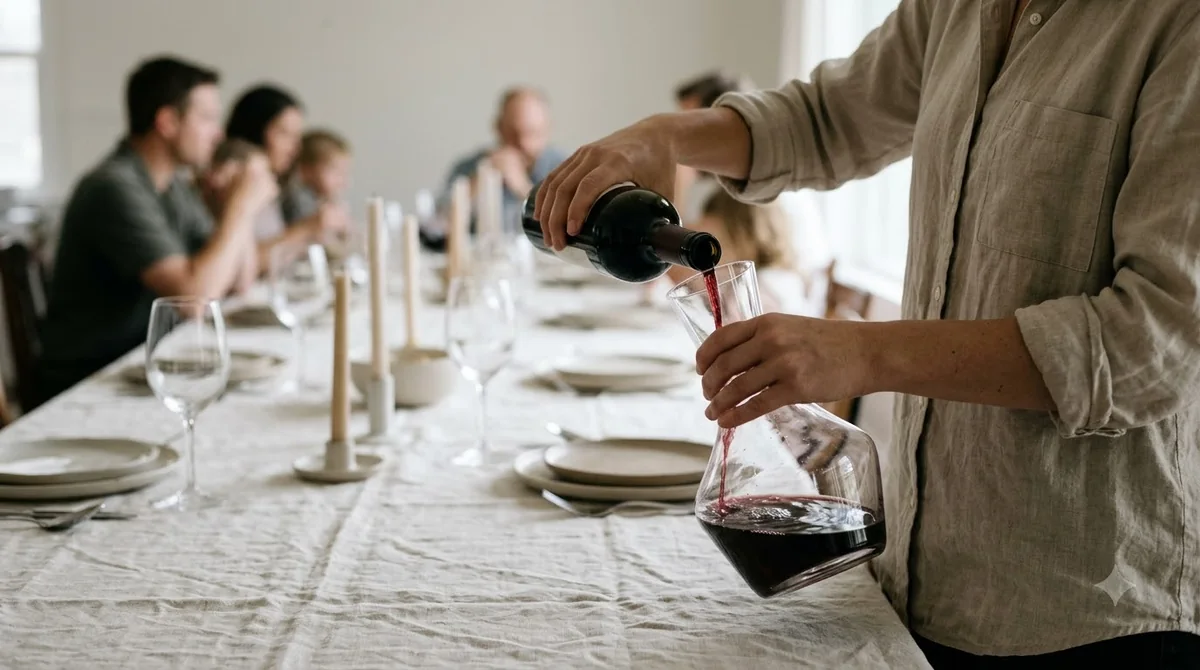
The everyday Napa Valley Cabernet Sauvignon is the bottle most shoppers see first. A 2016 listing on wine.com describes it with ripe dark plum, black currant, and sage notes, a rich and full-bodied texture, and a long finish. It is built to be a reliable dinner wine rather than a long cellar project. For a broader look at how this producer sits among other labels, browse our Wine Brands guides before you buy.
Lot No. 1 sits at the top of the everyday line in terms of concentration. A retailer listing describes it as made from top blocks of esteemed Napa Valley vineyards and as 100 percent Cabernet Sauvignon, with a plush, full-bodied texture. It is the bottle to choose when you want the Napa style at its most intense, and it is also the one most likely to need food to balance its alcohol and tannin.
The Monte Rosso Cabernet is the most distinctive wine in the portfolio. Monte Rosso covers about 575 acres in Sonoma County, with roughly 250 acres planted to vine across 64 blocks, and the Napa Wine Project calls it the winery’s flagship property. The Monte Rosso Cabernet typically spends more than two years in barrel and a full year in bottle before release, and most of it is sold only at the winery. Anyone curious about old vines should also look at the Gnarly Vine Zinfandel, made from old head-trained vines in the same vineyard, which the Napa Wine Project describes as fruit-forward, with cherry liqueur and clove notes.
How the Blend Changes From One Vintage to the Next
The Napa Valley Cabernet is rarely a single-grape wine, and the supporting varieties shift enough from year to year to change the texture and fruit profile. The listings below show how much the mix can vary.
Wine.com listings for several Napa Valley Cabernet vintages show the Cabernet Sauvignon share ranging from 78 percent to 91 percent. The remainder usually comes from Merlot, Petite Sirah, Syrah, Petit Verdot, and Cabernet Franc, and the mix changes with each harvest. The table summarizes four vintages with published breakdowns.
| Vintage | Cabernet Sauvignon | Other varieties listed |
|---|---|---|
| 2003 | 78% | Merlot 18%, with small amounts of Cabernet Franc, Sangiovese, Syrah, Petit Verdot, and Petite Sirah |
| 2006 | 87% | Merlot 9%, Syrah 2%, Petit Verdot 1% |
| 2008 | 87% | Cabernet Franc 4%, Petite Sirah 3%, other 4% |
| 2011 | 91% | Petite Sirah 5%, Petit Verdot 2%, other 2% |
The 2003 bottling is the outlier, with 18 percent Merlot, while the 2011 release is the most Cabernet-heavy of the four at 91 percent. Those differences matter because Merlot adds softness and Petite Sirah adds color and grip, so a higher Cabernet share usually means a firmer, more structured wine. The 2003 bottle should read softer in the mouth than the 2011 release. The practical takeaway is that a Louis M Martini bottle is a house-style blend rather than a single-site wine, and the small changes between vintages are noticeable when you compare two bottles side by side.
Alcohol, Tannin, and Body in Louis M Martini Reds
These reds run full-bodied, with alcohol from about 14 percent to more than 16 percent depending on the bottling and vintage, and tannins that need food to soften them.
| Wine | Listed or reviewed alcohol | Source type |
|---|---|---|
| Napa Valley Reserve Cabernet, 2003 | 14.2% | Napa Wine Project |
| Lot No. 1 Cabernet Sauvignon | 15.7% | Retailer listing |
| Lot No. 1 Cabernet Sauvignon, 2018 | More than 16% | Decanter review |
| Louis M. Martini wines from the 1960s and early 1970s | Labeled 12.5% | Decanter |
The Lot No. 1 figure most readers see first is 15.7 percent on a retailer listing, while Decanter describes a 2018 Lot No. 1 as more than 16 percent. The Napa Wine Project lists the 2003 Reserve Cabernet at 14.2 percent, a reminder that the number moves with vintage and bottling. Decanter also points out that US labeling rules allow a tolerance of plus or minus 1.5 percent for wines under 14 percent, so the figure on the label is an approximation. For a quick comparison with another popular bottle, see our black box pinot grigio alcohol content guide.
Cabernet Sauvignon is naturally high in tannin, and these wines follow that pattern. The 2022 Napa Valley Winemaker’s Selection has moderately gripping tannins with a dusty, chalky finish that keeps the fruit and texture in balance, according to the Napa Wine Project. Older bottles soften with time, but not always evenly. The 2003 Reserve still showed grainy, gravelly tannin 23 years after its vintage, while keeping bright acidity and cherry-pie fruit. Full body and high alcohol together give these wines weight, which is why they feel more balanced with food than on their own.
Tip: If a bottle tastes hot or heavy, chill it slightly toward 60 degrees Fahrenheit and pour it with a meal. Cooler serving and food both help alcohol and tannin feel less sharp.
Serving, Decanting, and Storing the Bottle
Serve these full reds at 60 to 65 degrees Fahrenheit, decant younger bottles for 30 to 60 minutes, and keep opened bottles in the fridge for three to five days.
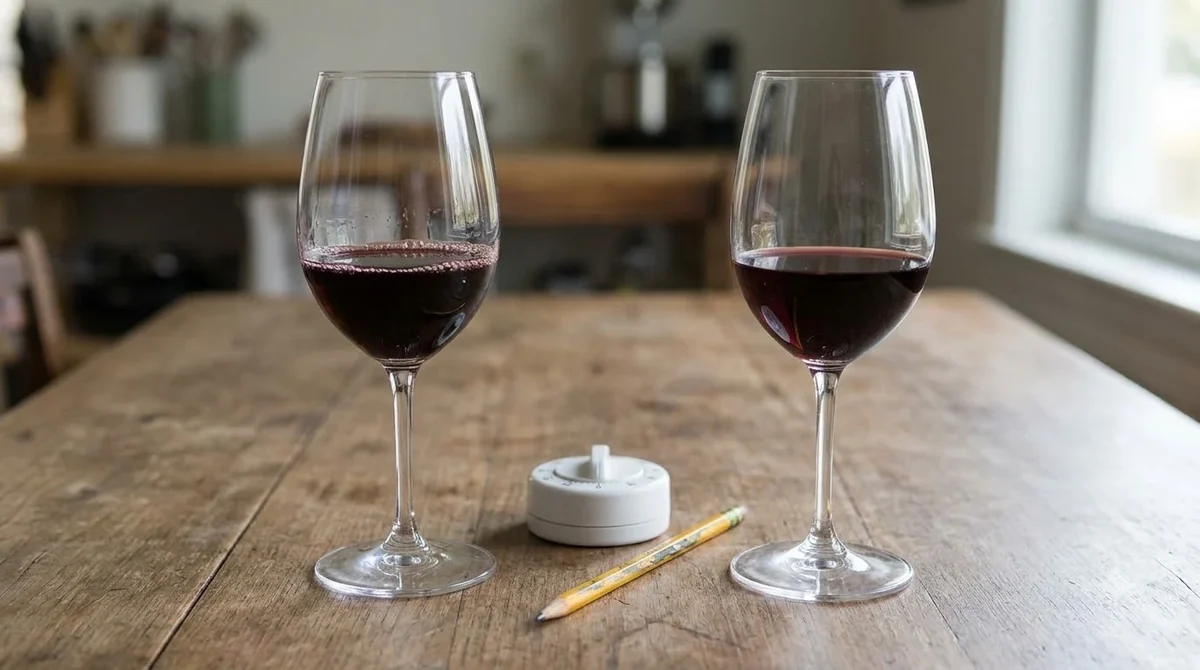
Full reds like these show best at 60 to 65 degrees Fahrenheit. Many homes run warmer than that, so if the bottle has been sitting in a warm kitchen, move it to the fridge for 15 to 20 minutes before pouring. A bottle served too warm makes the alcohol stand out and blurs the fruit. Young full reds also benefit from decanting for 30 to 60 minutes in a decanter or wide glass, which lets the wine open and softens the grip of the tannin. This matters most for Lot No. 1 and the Monte Rosso Cabernet, the most structured bottles in the range.
A standard 750 ml bottle yields about five 5-ounce pours, so plan on roughly five glasses per bottle. Once opened, still wines keep for three to five days in the fridge, which is enough time to finish a dinner’s worth of leftovers but not a week of nightly pours. Store unopened bottles on their sides in a cool, dark place near 55 degrees Fahrenheit, which keeps the cork moist and the wine stable.
Age is where storage matters most. The Napa Wine Project reports that older 1960s and 1970s Cabernets from the winery had either cork taint or had otherwise gone bad, so a very old bottle is a gamble. The same review of older wines included a 1965 Barbera that still showed red cherry and currant, which shows the winery’s older reds can last when storage has been kind. Treat anything from the 1960s or 1970s as a special-occasion bottle rather than a reliable dinner wine.
What to Eat With Louis M Martini Red Wine
Pair these full reds with fatty, salty, grilled foods such as steak, pork chops, and aged cheese, and steer clear of oily fish and very spicy dishes.
Salt and fat soften tannin, which makes grilled steak, roast lamb, and aged cheddar natural partners for the Napa Cabernet. The Napa Wine Project suggests the 2022 Winemaker’s Selection with barbecue pork chops covered in dry rub spices and herbs, and its moderately gripping tannins hold up well to smoky char. A rich burger with sharp cheese works for the same reason: the fat cuts the grip while the fruit keeps pace.
Two combinations to avoid are oily fish and very spicy dishes. Oily fish clashes with tannic reds, so a salmon fillet next to a big Cabernet will taste harsher than either would alone. Chili heat is amplified by alcohol and tannin, which means a Lot No. 1 at around 15.7 percent alcohol can feel hot and sharp next to a fiery curry. For spicy dinners, a lower-alcohol red or a chilled off-dry white will serve you better. Dessert is where this style runs into trouble too. The wine should be at least as sweet as the dessert, and a dry Cabernet will taste thin beside chocolate cake or a fruit tart. For another producer’s approach to similar plates, see our baron philippe de rothschild wine guide.
Frequently Asked Questions
Does the winery offer tastings or tours?
The Napa Wine Project says the hospitality center opened in 2019 after a renovation by architect Howard Backen. The Crown Bar tasting does not require an appointment, while regular tours run by appointment and include the original underground cellar and an old wine vault.
How long is the Napa Cabernet aged in oak?
A wine.com listing for the 2003 Napa Valley Cabernet says 85 percent of the wine was aged in French and European oak barrels for 11 months. That detail shows barrel aging is part of the house style, but other bottlings may follow a different oak regime.
How long can the everyday Napa Cabernet be cellared?
A producer note on wine.com for the 2005 Napa Valley Cabernet says the wine is ready to enjoy now or can be aged three to five years. A window of three to five years is a sensible plan for everyday bottles, and the Monte Rosso bottlings should be planned on their own timeline.
Does the winery grow all of its own grapes?
No. The Napa Wine Project notes that Thomann Station Vineyard surrounds the winery, with 9 of its 28 acres planted entirely to Petite Sirah. Other sources include Stagecoach Vineyard on Atlas Peak and several vineyards in Pope Valley.
Is a very old Louis M Martini Cabernet worth opening?
Decanter’s Charles Curtis MW calls a 1961 Louis M. Martini Special Selection Cabernet, ordered from a Florida steakhouse wine list, a watershed experience. Those older bottles can be remarkable, but they are exceptions, so treat very old wines as special-occasion finds rather than dependable purchases.
Louis M Martini red wine rewards people who plan around its structure: serve it between 60 and 65 degrees Fahrenheit, pair it with rich food, and pay attention to vintage and alcohol. Start with the Napa Valley Cabernet for a dependable dinner bottle, then move up to Lot No. 1 or the Monte Rosso Cabernet when you want more depth and more time on the table.
More in Wine Brands
 Louis Latour Wine Price: Compare Bottles by Style and TierUpdated Nov 20, 2026
 Yellow Tail Moscato Price: What to Expect Before You BuyUpdated Nov 20, 2026
 Sutter Home Sweet Red Review: Find the Right Food PairingsUpdated Nov 20, 2026
 Franzia Chillable Red Review: Find the Right Serving StyleUpdated Nov 20, 2026
 Veuve Clicquot Rose Review: Flavor, Food Pairings and Buying AdviceUpdated Nov 20, 2026
 Rombauer Wine Price: Compare Bottles Before You BuyUpdated Nov 20, 2026