

We may earn a commission when you buy through links on this page, at no extra cost to you. Learn more.
The main difference in chianti vs lambrusco comes down to carbonation, grape variety, and region: Chianti is a still, dry Tuscan red built on Sangiovese, while Lambrusco is a sparkling red from Emilia-Romagna made from a family of Lambrusco grapes in styles ranging from bone-dry to sweet. Chianti delivers firmer tannins, higher alcohol, and savory cherry-and-herb flavors suited to cellar temperature service. Lambrusco offers lively bubbles, lower alcohol, bright berry fruit, and refreshing acidity meant to be served chilled.
Both wines rank among Italy’s most recognizable exports, yet putting them side by side reveals two completely different dining experiences. While Tuscany’s rolling hills produce structured, earthy reds meant for slow-simmered ragu and grilled steak, the fertile plains of Emilia-Romagna just to the north turn out frothy, palate-cleansing reds designed for cured meats and rich cheeses. Understanding how these two Italian classics differ in origin, winemaking, flavor, and table manners makes choosing the right bottle straightforward.
Chianti vs Lambrusco at a Glance
Comparing these two Italian reds starts with recognizing that one is a classic still table wine and the other is a sparkling wine with centuries of culinary history behind its bubbles. Although both share mouthwatering natural acidity that makes them stars at the dinner table, almost every structural trait—from fermentation method to serving temperature—pulls them in opposite directions.
Chianti originates in central Tuscany, anchored by the Sangiovese grape, which must make up at least 70 percent of Chianti DOCG and at least 80 percent of Chianti Classico DOCG, according to the Consorzio Vino Chianti Classico. The resulting wine is completely still, dry, transparent ruby in color, and structured with moderate to firm tannins. Typical bottles sit between 12.5 percent and 14.5 percent ABV, and aged tiers spend one to two-and-a-half years maturing before release.
Lambrusco hails from Emilia-Romagna, specifically the provinces around Modena, Reggio Emilia, and Parma. Instead of a single grape, it relies on a family of more than 10 distinct Lambrusco varieties, fermented with a secondary sparkle—most often in pressurized tanks via the Charmat method—to trap carbon dioxide. Alcohol usually lands lower, around 8 percent to 12 percent ABV, and dryness spans from crisp, bone-dry secco bottlings to semi-sweet amabile styles.
| Feature | Chianti (DOCG & Classico) | Lambrusco (DOC & Emilia IGT) |
|---|---|---|
| Region of Origin | Tuscany, central Italy | Emilia-Romagna, northern-central Italy |
| Primary Grapes | Sangiovese (min. 70%–80%), plus Canaiolo, Colorino, or international reds | Lambrusco varieties (Sorbara, Salamino, Grasparossa, Maestri, Marani) |
| Effervescence | Still (no carbonation) | Sparkling (frizzante light fizz or spumante full sparkle) |
| Sweetness Level | Dry (under 4 g/L residual sugar) | Dry (secco), off-dry (semisecco), or semi-sweet (amabile) |
| Tannin & Body | Medium body, moderate to firm tannins | Light to medium-plus body, low to moderate tannins |
| Acidity | High | High |
| Typical ABV | 12.5%–14.5% | 8%–12% |
| Serving Temperature | 55°F–65°F (light to full styles) | 40°F–50°F (chilled) |
Regions and Terroir: Tuscan Hills vs Emilian Plains
Geography shapes why Tuscany produces still, structured red wines while Emilia-Romagna specializes in bubbly reds built for rich, savory fare. Separated by the Apennine Mountains, these neighboring regions sit barely an hour apart by train yet possess markedly different soils, elevations, and agricultural traditions.
Chianti spans the hilly terrain between Florence, Siena, Arezzo, and Pisa, where vineyards climb to elevations between 800 and nearly 2,000 feet. According to Wine Enthusiast, Grand Duke Cosimo III de’ Medici first demarcated the original Chianti zone in 1716, creating boundaries that now define Chianti Classico DOCG across nine communes. Well-drained soils rich in crumbly marl (galestro) and limestone (alberese), paired with warm Mediterranean days and cool mountain nights, force Sangiovese vines to struggle, yielding concentrated fruit, brisk acidity, and firm skin tannins.
Just north across the Apennine ridge, Emilia-Romagna flattens into broad alluvial plains fed by rivers descending toward the Po Valley, alongside gentle foothills south of Modena. As noted by the regional wine board Enoteca Emilia Romagna, the name Lambrusco traces back to wild Bronze-Age vines called labrusca that grew uncultivated along field borders. When Lombard settlers popularized lard-based cooking and cured pork across Emilia after the fall of Rome, local winemakers embraced frothy, high-acid red wines specifically to scrub rich animal fats from the palate—a culinary partnership that still defines the region’s vineyards today.
Grapes and Winemaking: Sangiovese vs the Lambrusco Family
The contrast between these two wines begins in the vineyard with two genetically unrelated grape traditions and widens inside the cellar through completely different fermentation techniques. One relies on oxygen-tolerant aging in wood, while the other focuses on preserving fresh fruit and natural carbonation under pressure.
Sangiovese is the undisputed backbone of Chianti, prized for thin to medium skins that produce a translucent garnet-ruby hue alongside high natural acidity and grippy tannins. In Chianti DOCG, winemakers must use at least 70 percent Sangiovese and may blend up to 10 percent white Malvasia or Trebbiano alongside red grapes like Canaiolo Nero, Colorino, Cabernet Sauvignon, or Merlot. Chianti Classico DOCG enforces stricter rules: white grapes have been prohibited since 2006, and bottles must contain at least 80 percent Sangiovese—though many estates bottle 100 percent Sangiovese—and carry the Black Rooster (gallo nero) emblem on the neck or back label. Aging takes place in large Slavonian oak casks or smaller French barrels to soften tannins without burying the grape’s savory character.
Lambrusco is not a single grape variety but a family of more than 10 distinct indigenous vines, each bringing different color, perfume, and structure to the bottle. Winemakers typically ferment the base wine dry in stainless steel, then induce a second fermentation in pressurized tanks—known as the Charmat or Martinotti method, the same process used for Prosecco—before bottling under pressure to lock in lively bubbles. A smaller circle of artisan producers also uses the traditional bottle-fermented method or ancestral col fondo techniques, leaving fine lees in the bottle for added texture and dry complexity.
Tip: Do not assume every Lambrusco tastes like sweet soda. While mass-market exports from the 1970s and 1980s popularized sugary amabile bottles, traditional DOC Lambruscos labeled secco are completely dry, crisp, and savory enough to rival dry red table wines at dinner.
Flavor Profile, Sweetness, and Structure
Pouring a glass of each side by side highlights dramatic differences in aroma, texture, mouthfeel, and finish. Even when both bottles are fermented completely dry, their sensory profiles occupy opposite ends of the red wine spectrum.
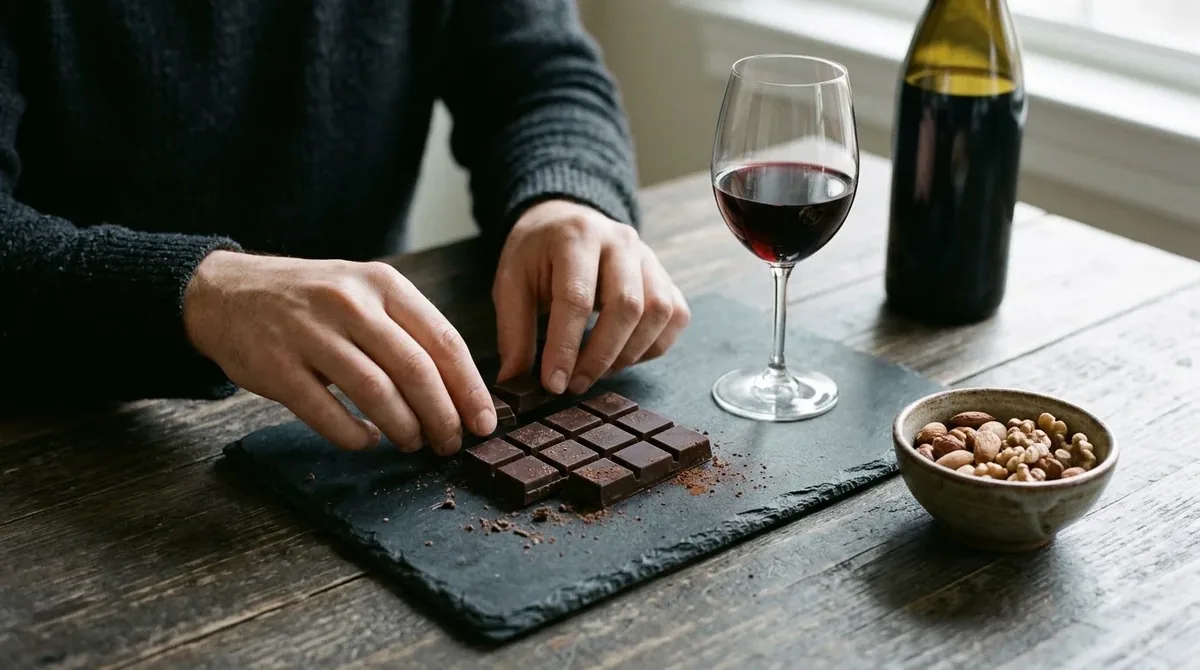
A classic Chianti smells unmistakably savory and bright, leading with tart red cherry, wild strawberry, dried violet, crushed tomato leaf, and Mediterranean herbs like oregano and thyme. Young Chianti DOCG and Chianti Classico Annata taste brisk, lively, and medium-bodied, with a mouthwatering acid line and fine, chalky tannins that tighten slightly across the gums. Aged Riserva and Gran Selezione bottlings deepen into dried fig, leather, tobacco, cedar, and iron-rich earth, mirroring the structured complexity explored in comparisons like barolo vs chianti.
Lambrusco greets the nose with an explosion of fresh-crushed red and black berries, hibiscus, violet, and blood orange peel, lifted by a fine, foamy mousse. On the palate, carbonation dances across the tongue, making the wine feel lighter, juicier, and more thirst-quenching than still Sangiovese. Tannin levels depend heavily on the specific sub-variety: pale, rosy Lambrusco di Sorbara has almost no tannin and razor-high acidity, whereas dark, inky Lambrusco Grasparossa di Castelvetro delivers noticeable berry-skin grip that balances any hint of residual fruit sweetness.
Sweetness remains the most misunderstood distinction between the two styles. Chianti is virtually always fermented bone-dry, with residual sugar well below 4 grams per liter. Lambrusco is bottled across an official sweetness spectrum printed right on the label: secco (dry, up to 15 grams per liter, though many artisan versions sit under 5 grams), semisecco (off-dry), and amabile (semi-sweet, roughly 30 to 50 grams per liter). Comparing lambrusco vs prosecco shows a similar range of dryness tiers, though Lambrusco pairs its sparkle with red-berry skins and gentle tannin rather than white-fleshed orchard fruit.
Key Appellations and Styles Within Each Wine
Neither Chianti nor Lambrusco is a single monolithic bottle, and knowing the main subzones and style tiers helps match a specific label to the occasion. Both regions organize their vineyards into distinct Denominazione di Origine Controllata (DOC) or Garantita (DOCG) zones with clear rules on grapes, aging, and flavor weight.
Chianti Tiers and Subzones
Chianti splits into two separate DOCGs: the broader Chianti DOCG and the historic heartland of Chianti Classico DOCG. Within Chianti DOCG, seven named subzones—including cooler, high-elevation Rufina east of Florence and broader Colli Senesi around Siena—produce wines ranging from bright, everyday table reds to structured Riservas aged at least two years. Chianti Classico DOCG tightens quality standards across three ascending tiers: Annata (aged at least 12 months before release), Riserva (aged at least 24 months), and Gran Selezione (introduced in 2014, aged at least 30 months exclusively from estate-grown fruit), as detailed by the Consorzio Vino Chianti Classico.
Major Lambrusco Appellations
Lambrusco divides primarily by grape sub-variety and province around Modena and Reggio Emilia, according to VinePair’s guide to the style. Lambrusco di Sorbara DOC, grown along the sandy banks of the Secchia River north of Modena, yields the lightest, palest ruby or pink-tinged wines with soaring acidity and delicate aromas of wild strawberry and orange blossom. Lambrusco Salamino di Santa Croce DOC produces deeper ruby wines scented with violets and tart cherry, while Lambrusco Grasparossa di Castelvetro DOC—from the rolling hills south of Modena—creates the darkest, richest, most tannic style with bold blackberry fruit. Neighboring Reggiano DOC permits blending up to 15 percent Ancellotta grapes for deep purple color and plush fruit, and serves as the home of Cantine Riunite, which began exporting semi-sweet Lambrusco to the United States in the late 1960s.
Food Pairing: Matching Each Wine to the Menu
Both wines rank among the world’s most food-friendly reds because high natural acidity keeps the palate refreshed between bites, yet each excels with a distinct set of dishes. Selecting between them comes down to fat texture, tomato acidity, cooking method, and spice level.
Chianti’s brisk acidity and firm Sangiovese tannins make it a benchmark partner for tomato-driven Italian cooking and grilled meats. Acidic foods generally call for a wine with equal or higher acidity so the wine stays vibrant on the palate, which explains why Chianti pairs easily with classic Neapolitan pizza, pasta al pomodoro, eggplant Parmesan, and slow-simmered Bolognese ragu. Salt and fat soften tannin on the palate, allowing Chianti Classico Riserva or Gran Selezione to shine alongside bistecca alla Fiorentina, roasted lamb chops, wild boar stew, and aged Pecorino Toscano. Readers comparing central Italian reds for hearty meat dishes can also check chianti vs montepulciano to see how softer Abruzzo tannins compare against Sangiovese’s firm grip.
Lambrusco works like a culinary scrub brush for rich, fatty, salty, and fried foods thanks to the double punch of tart acidity and prickly carbonation. In Emilia-Romagna, dry secco Sorbara or Salamino is poured next to thin-sliced prosciutto di Parma, mortadella, salame Felino, fried dough (gnocco fritto), and wedges of aged Parmigiano Reggiano. Fuller-bodied Grasparossa di Castelvetro handles heavier winter dishes such as boiled pork sausage (cotechino), braised short ribs, and mushroom risotto, as noted by Enoteca Emilia Romagna. Because chili heat is amplified by high alcohol and firm tannin, a chilled, lower-ABV off-dry semisecco or amabile Lambrusco also cools down spicy pepperoni pizza, Nashville hot chicken, or tangy barbecue ribs far better than a high-alcohol Chianti.
Serving Temperature, Glassware, and Storage
Serving either wine at the wrong temperature or storing an open bottle improperly can mute its best qualities within minutes. Because one is a still structured red and the other is a pressurized sparkling red, each requires its own temperature window and handling routine.
Serve Chianti slightly below room temperature so its bright cherry fruit stays crisp rather than soupy. Lighter, young Chianti DOCG tastes best around 55°F to 60°F, while fuller-bodied Chianti Classico Riserva and Gran Selezione open up at 60°F to 65°F. Decanting young, tannic Chianti Classico for 30 to 60 minutes softens its chalky grip and releases floral and herbal aromatics into a standard medium-to-large Bordeaux or universal red wine glass. Once opened, recorked Chianti keeps well in the refrigerator for 3 to 5 days.
Treat Lambrusco like any sparkling wine and chill it thoroughly to 40°F to 50°F before popping the cork or crown cap—cooler around 40°F to 45°F for crisp Sorbara and closer to 45°F to 50°F for richer Grasparossa. Skip narrow champagne flutes, which trap foam and choke off Lambrusco’s expressive berry and floral nose, and pour instead into a tulip-shaped white wine glass or universal stemware. Unopened bottles of both wines belong on their sides in a dark spot near 55°F, though once opened, sparkling Lambrusco loses its fizz quickly and tastes best within 1 to 3 days when sealed with a sparkling wine stopper in the fridge. For more side-by-side style breakdowns across global regions, explore the full Wine vs Wine guide collection.
Frequently Asked Questions
Is Lambrusco always sparkling, or are there still versions?
Nearly all Lambrusco sold commercially is sparkling, bottled either at gentle frizzante pressure (around 1 to 2.5 atmospheres) or fuller spumante pressure (over 3 atmospheres). A tiny number of experimental producers in Emilia-Romagna craft still red wines from Lambrusco grapes, usually labeled under Emilia IGT rather than the traditional sparkling DOC appellations.
Which wine has more calories and alcohol per glass: Chianti or Lambrusco?
A standard 5-ounce pour of Chianti typically contains more alcohol and calories than dry Lambrusco because Chianti generally ranges from 12.5 percent to 14.5 percent ABV compared with roughly 8.5 percent to 11.5 percent ABV for most dry Lambruscos, according to Wine Folly. Sweet amabile Lambrusco typically has lower alcohol (often around 8 percent to 9 percent ABV, per VinePair) while retaining extra calories from residual grape sugar.
Can you age Chianti and Lambrusco in a wine cellar?
Chianti Classico Riserva and Gran Selezione contain high acidity and firm tannins that allow top bottles to age gracefully for 10 to 20 years in a 55°F cellar. Most Lambrusco is crafted for immediate freshness and should be drunk within 1 to 2 years of release, though select bottle-fermented traditional-method examples can evolve for 3 to 5 years.
Why do some Lambrusco bottles have a crown cap instead of a cork?
Many artisan Lambrusco producers seal their bottles with a metal beer-style crown cap or a lightly wired mushroom cork because gentle frizzante pressure does not require heavy Champagne hardware. Crown caps create an airtight seal that prevents oxidation and preserves delicate fresh fruit aromas without risking cork taint.
Is Chianti always 100 percent Sangiovese?
No, while many top Chianti Classico estates bottle 100 percent Sangiovese, blending remains legal and common across both appellations. According to Italian DOCG production rules, Chianti DOCG requires at least 70 percent Sangiovese and Chianti Classico DOCG requires at least 80 percent, allowing winemakers to blend in native grapes like Canaiolo and Colorino or international varieties such as Merlot and Cabernet Sauvignon for extra color and plushness.
Choosing between Chianti and Lambrusco comes down to the mood and menu at the table. Pour still, savory Chianti when hearty tomato pastas, grilled steaks, and slow-roasted meats call for structure and depth, and reach for chilled, sparkling Lambrusco whenever cured meats, aged cheeses, fried snacks, or spicy dishes call for bright bubbles and easy refreshment.
More in Wine vs Wine
 Nero d’Avola vs Pinot Noir: Taste, Body, and Pairing DifferencesUpdated Nov 21, 2026
 Chenin Blanc vs Pinot Blanc: Key Differences in Taste, Acidity, and PairingsUpdated Nov 21, 2026
 Chardonnay vs Shiraz: Key Differences in Taste, Serving, and PairingUpdated Nov 21, 2026
 Chardonnay vs Verdejo: How Spain’s Crisp White Compares to the World’s ChameleonUpdated Nov 21, 2026
 Chardonnay vs Sancerre: Key Differences in Taste, Grapes, and PairingUpdated Nov 21, 2026
 Chardonnay vs Malbec: Key Differences in Taste, Body, and PairingUpdated Nov 21, 2026