

We may earn a commission when you buy through links on this page, at no extra cost to you. Learn more.
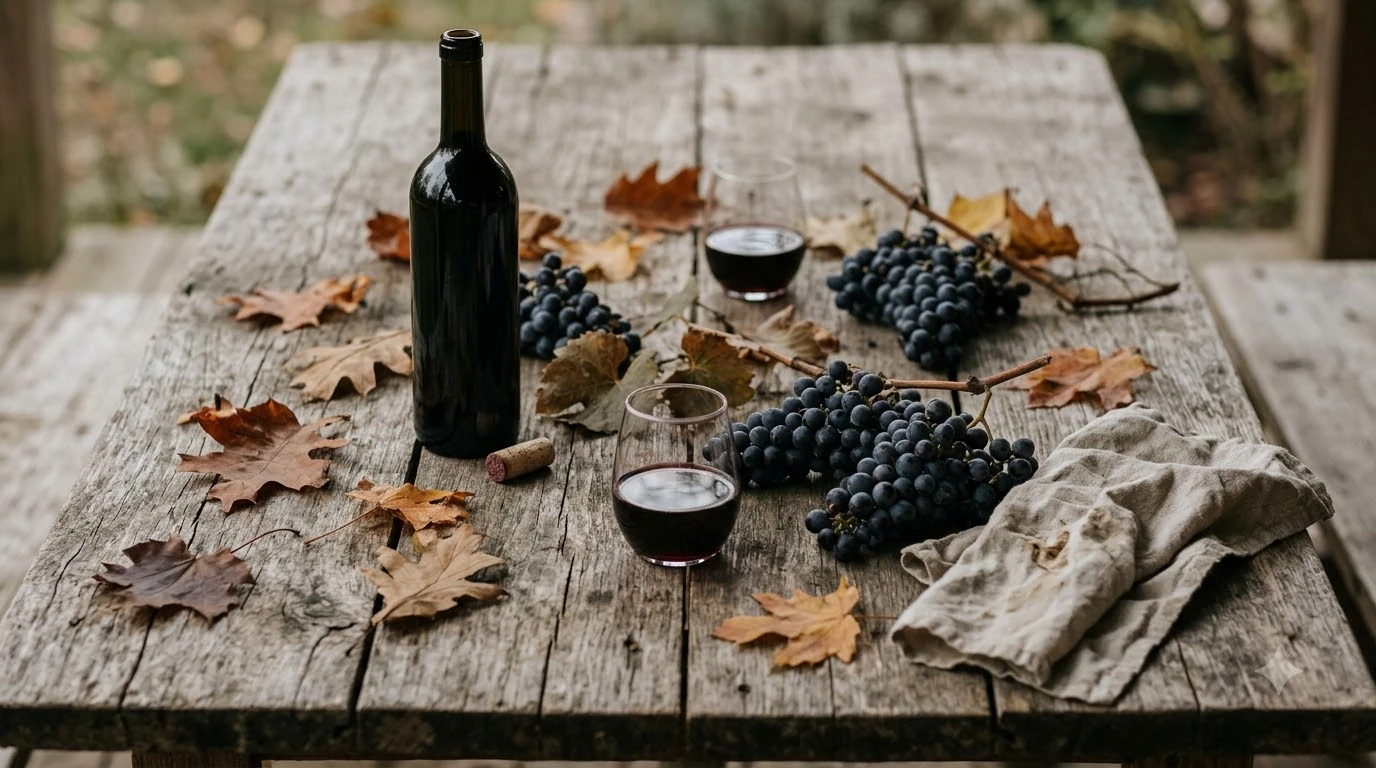
What does lambrusco taste like? Lambrusco tastes fruity, refreshing, and lightly sparkling, with flavors of cherry, strawberry, raspberry, blackberry, and violet, balanced by lively acidity and sometimes noticeable tannins. Depending on the grape variety and winemaking style, it can be bone-dry and crisp, gently off-dry, or distinctly sweet. Most examples are red or rosé, and their bubbles give them a refreshing character that distinguishes them from ordinary still red wine.
Lambrusco comes from northern Italy, particularly Emilia-Romagna, a region known for rich food traditions and several distinctive wine-growing areas. Although American drinkers may remember inexpensive, sweet Lambrusco from earlier decades, the category includes sophisticated dry sparkling reds, delicate rosé wines, and fruit-forward sweeter styles. Understanding the grape varieties, sweetness levels, and regional differences makes it much easier to find a bottle that matches your preferences.
The Main Flavor Profile of Lambrusco
Lambrusco generally tastes like fresh red and dark berries combined with crisp acidity, gentle bitterness, and lively bubbles. The exact balance depends on the grape variety, but cherry, raspberry, blackberry, violet, and sometimes almond are recurring characteristics.
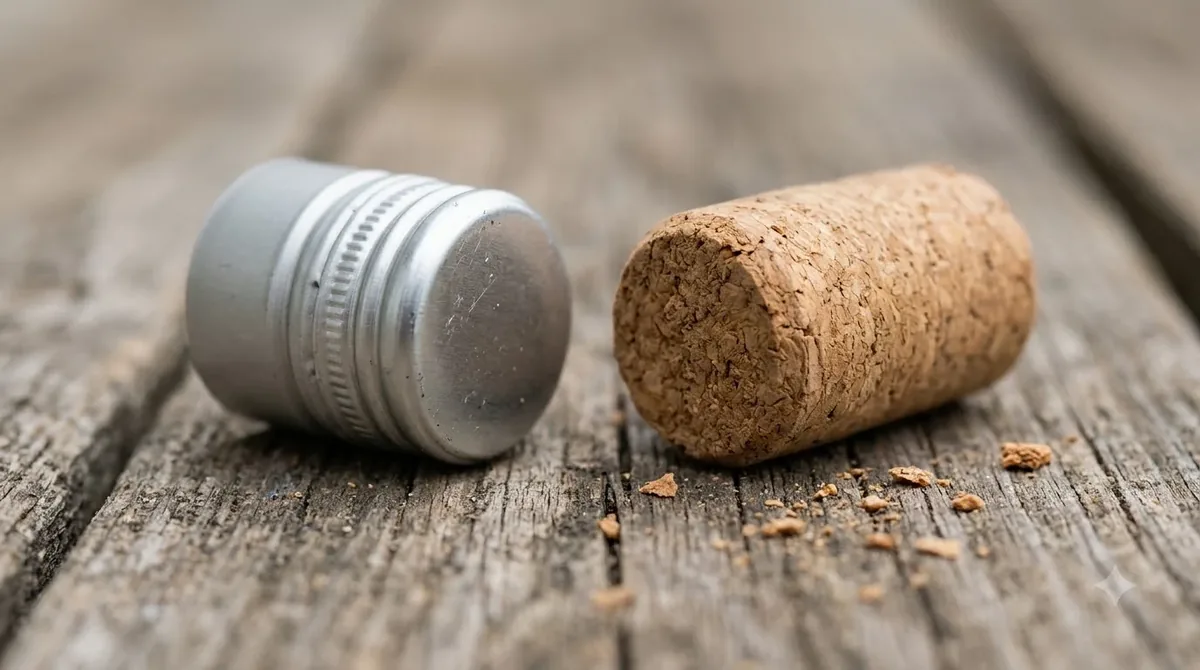
Red-fruited Lambrusco often opens with aromas of fresh strawberries, tart cherries, raspberries, and floral notes. These aromas can make the wine seem sweet before you take a sip, even when the actual wine is completely dry. This distinction matters because fruitiness and sweetness are separate characteristics. A dry Lambrusco can smell like ripe berries while tasting crisp and refreshing rather than sugary.
Dark-fruited versions offer a different experience. Blackberry, black cherry, plum, and earthy notes become more noticeable in fuller-bodied examples, particularly those made from Lambrusco Grasparossa. Some wines also have herbal, mineral, or slightly savory characteristics. Depending on the producer and fermentation method, the finish may suggest fresh almonds or a pleasant bitter edge.
Acidity is another defining feature. Lambrusco usually has enough freshness to balance its fruit flavors and prevent the wine from feeling heavy. The bubbles add another refreshing sensation, making each sip feel lively. Rather than presenting the concentrated structure of a powerful still red, many Lambruscos combine moderate body, bright fruit, and a clean finish.
Tannins also vary. Lighter examples generally feel soft and delicate, while darker Grasparossa wines can have a more noticeable drying sensation along the gums. This difference explains why two bottles carrying the same Lambrusco name can deliver noticeably different experiences.
For a quick comparison, consider these common characteristics:
- Fruit: Red cherry, strawberry, raspberry, blackberry, and plum.
- Floral notes: Violet and rose, especially in lighter styles.
- Secondary flavors: Fresh almond, herbs, earth, and occasionally mineral or savory notes.
- Acidity: Generally refreshing and lively.
- Texture: Light to medium-bodied, with noticeable effervescence.
- Finish: Crisp, fruity, sometimes slightly bitter or tannic.
The Lambrusco consortium describes different regional wines through characteristics ranging from delicate red berries and violets to darker fruit and more substantial structure. Its official descriptions of Lambrusco denominations provide a useful starting point for understanding these differences.
How the Three Main Lambrusco Varieties Taste
Lambrusco is a family of related grape varieties rather than one uniform grape with a single flavor profile. Three particularly important varieties are Sorbara, Grasparossa, and Salamino, each producing wines with a recognizable combination of fruit, acidity, color, and body.
Lambrusco di Sorbara is generally the lightest and most delicate of the three. Its wines often have pale ruby or rosé coloring, aromas of violets, and flavors of tart cherry, raspberry, and fresh red berries. High acidity gives Sorbara a crisp character, while its relatively light body makes it especially refreshing. Some examples have an almost delicate, silky texture and a clean, dry finish.
Lambrusco Grasparossa offers a considerably darker and more structured experience. The grapes have thicker skins, contributing deeper ruby or purple color and more noticeable tannins. Blackberry, black cherry, plum, violet, and fresh almond are characteristic flavors. Compared with Sorbara, Grasparossa often feels fuller and more substantial, making it a natural choice for people who enjoy red wine but want the freshness of sparkling wine.
Lambrusco Salamino sits between these two styles in several respects. Its wines commonly show ruby coloring, raspberry, cherry, blackberry, and floral aromas. The palate is fruity and fresh, with moderate tannins and sometimes a subtle savory or salty impression. It generally has enough structure to accompany a meal without feeling as powerful as a full-bodied Grasparossa.
The following comparison summarizes the typical differences. Individual producers can create wines that fall outside these general descriptions.
| Variety | Typical fruit flavors | Body | Acidity and tannin | General character |
|---|---|---|---|---|
| Sorbara | Cherry, raspberry, strawberry | Light | High acidity, delicate tannin | Floral and crisp |
| Grasparossa | Blackberry, black cherry, plum | Medium to full | Fresh acidity, firmer tannin | Dark and structured |
| Salamino | Raspberry, cherry, blackberry | Light to medium | Fresh acidity, moderate tannin | Fruity and balanced |
Geography helps explain these differences. Sorbara is closely associated with the area north of Modena, while Grasparossa is particularly associated with the hills around Castelvetro. Salamino di Santa Croce comes from another designated growing area in the province of Modena. These distinctions are not simply marketing descriptions: grape composition, vineyard conditions, and winemaking decisions all contribute to the resulting wine.
For a first bottle, Sorbara is a good starting point if you prefer bright acidity and delicate red fruit. Choose Grasparossa if you enjoy deeper flavors and firmer tannins. Salamino is a useful middle ground if you want generous fruit without the lighter structure of Sorbara or the greater weight of Grasparossa.
Is Lambrusco Sweet, Dry, or Somewhere in Between?
Lambrusco can be dry, semidry, semisweet, or sweet, so there is no single sweetness level that applies to every bottle. Dry examples are widely available, while sweeter versions remain an important part of the category. The most useful way to identify the style is to understand the Italian sweetness terminology.
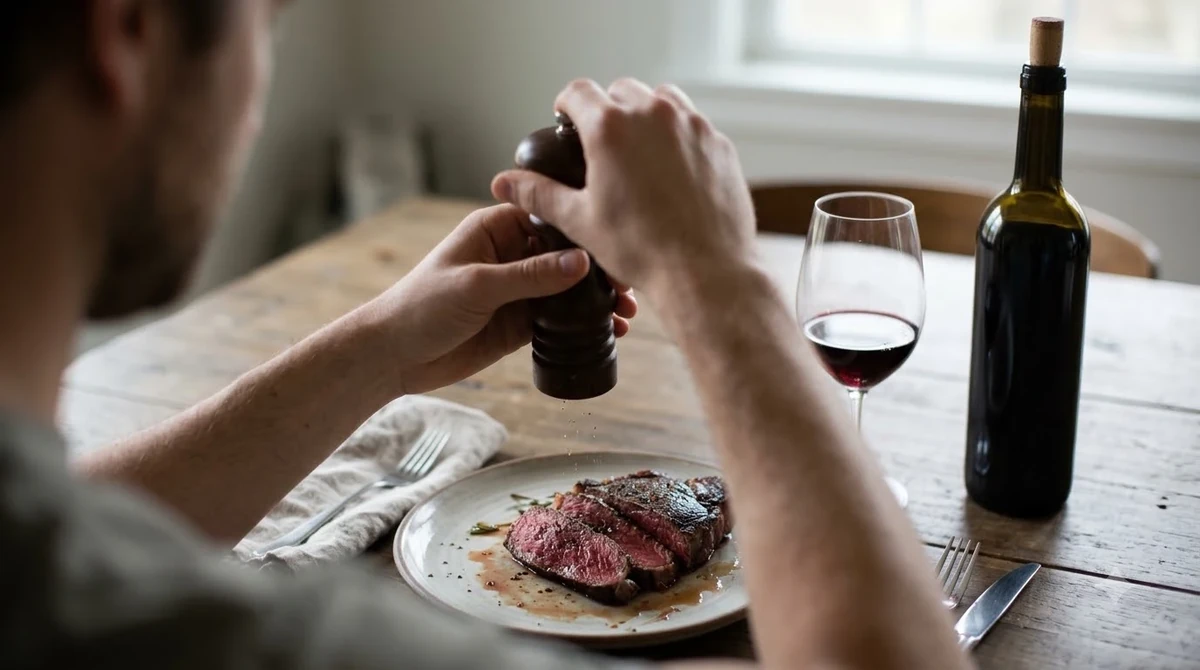
Secco means dry. A secco Lambrusco generally emphasizes acidity, fruit, and refreshing bubbles rather than obvious sugar. You may still notice ripe cherry or blackberry aromas, but the finish should feel relatively crisp. Some wines contain a small amount of residual sugar to balance their natural acidity and tannins without tasting distinctly sweet.
Semisecco indicates an off-dry or semidry style. These wines have a little more noticeable sweetness, often giving strawberry, cherry, and raspberry flavors a rounder impression. They can be appealing to people who find bone-dry sparkling reds too sharp but do not want a dessert-style wine.
Amabile means semisweet. These Lambruscos have more obvious sweetness, which can soften acidity and make the fruit taste riper and more generous. They are particularly enjoyable when served with salty foods or dishes containing some sweetness of their own.
Dolce means sweet. Dolce Lambrusco has a noticeably sugary character, often emphasizing ripe red fruit and a softer, sweeter finish. It can work as a dessert wine, particularly with fruit-based desserts or chocolate preparations that are not excessively bitter.
Residual sugar provides a more precise way to understand sweetness. Decanter describes Grasparossa secco wines that can contain approximately 12–15 grams of residual sugar per liter, while amabile examples can reach approximately 40–50 grams per liter. These figures demonstrate why the word dry does not necessarily mean that every bottle contains absolutely no residual sugar.
For practical shopping decisions, use this guide:
- Secco: Choose it for crisp, dry drinking and savory meals.
- Semisecco: Choose it for gentle sweetness and balanced fruit.
- Amabile: Choose it if you enjoy noticeable sweetness without going fully dessert-like.
- Dolce: Choose it for a clearly sweet, fruit-forward experience.
Sweetness also affects food pairing. A dry Lambrusco can be excellent with rich pasta, cured meats, and salty cheese, while a sweeter example can work with barbecue sauces, spicy dishes, and desserts. Matching the wine’s sweetness to the dish is often more important than choosing a particular grape variety.
Tip: If you want your first Lambrusco to taste like a crisp sparkling red rather than sweet grape juice, start with a bottle labeled secco. For a softer introduction, try semisecco or amabile.
Why Lambrusco Is Fizzy and How Production Changes Its Taste
Lambrusco’s bubbles come from fermentation that produces carbon dioxide, giving the wine its characteristic effervescence. Some examples are lightly sparkling, while others have a more pronounced mousse. The production method influences the size and persistence of the bubbles as well as the wine’s fruit, aroma, and texture.
The term frizzante describes lightly sparkling wine. These Lambruscos have a gentle fizz rather than the vigorous bubbles associated with many traditional sparkling wines. Their softer carbonation allows the fruit and savory characteristics to remain prominent, making them particularly versatile with food.
Spumante describes a fully sparkling style. These wines generally have stronger effervescence and a more pronounced sensation of bubbles. They can feel especially refreshing as an aperitif, particularly when served chilled. The difference between frizzante and spumante is primarily the level of carbonation, not whether the wine is sweet or dry.
One widely used production technique is the Charmat method, also known as the tank method. In this process, the second fermentation takes place in a sealed, pressurized tank. The wine retains the carbon dioxide produced during fermentation, and the finished product is bottled under pressure.
This technique is well suited to preserving fresh fruit character. Depending on fermentation duration and cellar decisions, tank-produced Lambrusco can show bright raspberry, cherry, floral aromas, and lively bubbles. A longer fermentation period can contribute additional aromatic complexity compared with very short production cycles.
Other producers use bottle fermentation. In this approach, the wine undergoes its second fermentation inside the bottle. Some versions are made without removing the resulting sediment, leaving a fine deposit that can contribute a more rustic or textured impression. Depending on the producer’s approach, these wines may show additional yeasty, earthy, or savory qualities alongside their fruit.
Production method does not automatically determine quality. Both tank-fermented and bottle-fermented Lambrusco can be excellent. The grape variety, fruit quality, fermentation decisions, and desired sweetness all matter. A well-made tank-fermented wine can be aromatic and complex, while a bottle-fermented example can be delicate, fresh, and expressive rather than necessarily heavy or yeasty.
When comparing two bottles, consider their carbonation and flavor together. A lightly sparkling Sorbara can feel delicate and elegant, whereas a fuller Grasparossa with more substantial bubbles may feel closer to a traditional red wine with an energetic finish.
What Foods Pair Best With Lambrusco?
Lambrusco is particularly good with food because its acidity and bubbles refresh the palate, while its fruit and tannins provide enough character to complement savory dishes. It is especially successful with the rich, salty foods associated with Emilia-Romagna, including cured meats, stuffed pasta, and aged cheese.
One classic pairing is Lambrusco with salumi, the region’s traditional cured meats. Prosciutto, salami, and mortadella all work well with the wine’s refreshing acidity. The salt and fat in these foods soften tannins and make a structured Grasparossa feel more approachable. Meanwhile, the carbonation helps clear the palate between bites.
Parmigiano-Reggiano is another natural partner. Its concentrated savory flavor and salty character complement the fresh fruit of Lambrusco, particularly dry Salamino and Grasparossa. Try serving the wine with aged cheese, bread, and a selection of cured meats for a straightforward appetizer spread.
Pasta dishes are equally suitable. Lambrusco di Sorbara pairs particularly well with tortellini in broth, where its delicate fruit and high acidity complement the richness of the filling without overwhelming the dish. For heartier preparations, consider Lambrusco Grasparossa with lasagna, sausage pasta, meat ragù, or baked pasta with tomato sauce.
Pizza is another dependable option. A dry, fruity Lambrusco works well with pepperoni, sausage, mushrooms, and mozzarella. Its acidity provides contrast to melted cheese, while the bubbles help refresh the palate. Salamino is a particularly versatile choice because its medium structure can accommodate several toppings.
Barbecue dishes can work especially well with slightly sweeter versions. Amabile Lambrusco can complement ribs with brown sugar, honey, or fruit-based barbecue sauce. A darker Grasparossa can also stand up to grilled meats, provided the sauce does not overwhelm the wine.
For Asian-inspired meals, consider the interaction between sweetness, acidity, and spice. An off-dry Lambrusco can complement salty, sweet, and savory flavors in dishes with soy-based sauces, while a fresh Sorbara can work with lighter preparations and some vegetarian dishes. However, very hot chili dishes can make alcohol and tannins feel more pronounced, so a softer, lower-tannin style is generally a safer choice.
Use these combinations as a starting point:
- Dry Sorbara: Prosciutto, tortellini in broth, sushi, and delicate appetizers.
- Dry Salamino: Pizza, salami, roasted vegetables, and tomato-based pasta.
- Grasparossa: Sausage, lasagna, grilled meats, and aged cheeses.
- Amabile: Barbecue ribs, spicy Asian-inspired dishes, and sweet-savory sauces.
- Dolce: Fruit desserts, berry tarts, and suitable chocolate desserts.
The central principle is to match the intensity of the food to the intensity of the wine. Delicate dishes need a lighter Lambrusco, while heavily seasoned or fatty foods can benefit from the darker, more structured varieties. For additional pairing inspiration, explore what does Chenin Blanc taste like to understand how a different combination of fruit and acidity works with food.
How to Serve Lambrusco for the Best Flavor
Lambrusco generally tastes best chilled, with a serving temperature of approximately 45–50 degrees Fahrenheit for lighter, refreshing styles. Cooler temperatures help preserve the wine’s lively bubbles and make its acidity feel crisp rather than sharp. Fuller-bodied versions can benefit from slightly warmer serving temperatures so their fruit and savory characteristics remain expressive.
For light Sorbara and delicate rosé Lambrusco, aim for approximately 45–50 F. This range keeps the wine refreshing while allowing its violet, strawberry, and cherry aromas to remain noticeable. If the wine becomes too cold, some of its more delicate aromatic characteristics may be difficult to detect.
For fuller-bodied Grasparossa, try approximately 50–55 F. This slightly warmer range helps reveal blackberry, plum, and earthy notes while keeping the wine lively. A bottle that is too warm can make the alcohol seem more prominent and reduce the refreshing effect of its carbonation.
A regular white wine glass or universal wine glass is suitable for most Lambrusco. A wider opening can help reveal the aroma of a fuller-bodied red, while a narrower glass can preserve the bubbles of a more delicate sparkling example. You do not need special glassware to enjoy it.
Pouring also makes a difference. Open the bottle carefully, particularly when the wine is fully sparkling, and pour slowly to avoid excessive foaming. A standard 5-ounce serving is a useful reference for a typical glass of wine. A 750-milliliter bottle provides approximately five such servings.
Lambrusco is generally intended to be enjoyed relatively young, when its fresh fruit and lively effervescence are at their best. Most everyday bottles do not need extended cellaring or decanting. Unlike a young, highly tannic Cabernet Sauvignon, which may benefit from 30–60 minutes of aeration, Lambrusco is usually ready to drink after chilling.
Once opened, preserve the remaining wine in the refrigerator. Use an appropriate sparkling-wine stopper to help retain carbonation. As a general guideline, opened sparkling wines are best consumed within approximately 1–3 days, although the actual freshness depends on the wine, stopper, and storage conditions.
Temperature is particularly important if you want to compare different styles. Serving both a Sorbara and a Grasparossa at suitable temperatures helps reveal their contrasting fruit, structure, and aromas without allowing excessive warmth or chilling to obscure their character.
How to Choose a Lambrusco You Will Enjoy
The easiest way to choose Lambrusco is to start with your preferred sweetness level and body, then narrow the options by grape variety and denomination. A label mentioning Sorbara, Grasparossa, or Salamino gives you a useful indication of the wine’s likely personality.
If you normally drink Pinot Noir, start with Lambrusco di Sorbara. Its bright acidity, red fruit, delicate tannins, and relatively light body offer a familiar combination for people who enjoy fresh, aromatic red wines. The bubbles make it different, but the overall weight and fruit profile can feel approachable.
If you prefer Cabernet Sauvignon, Syrah, or other more structured reds, try Grasparossa. It generally has more body and firmer tannins than Sorbara, with darker berry flavors and a more substantial finish. It can be particularly appealing alongside roasted meats and rich pasta.
For Merlot drinkers, Salamino is a useful option. Its ripe cherry and blackberry flavors, moderate tannins, and balanced body offer fruit without excessive structure. It is also a practical choice for serving with a range of foods at a casual dinner.
Next, consider the sweetness designation. Secco is the clearest starting point for someone who prefers dry wine. Semisecco and amabile are better choices if you enjoy a gentle sweetness. Dolce is appropriate when you specifically want a sweet sparkling red.
The denomination also helps identify regional characteristics. Some of the main names to recognize include:
- Lambrusco di Sorbara DOC: Known for delicate color, floral aromas, red fruit, and high acidity.
- Lambrusco Grasparossa di Castelvetro DOC: Associated with darker wines, greater body, and more noticeable tannins.
- Lambrusco Salamino di Santa Croce DOC: Known for ruby color, red and dark berry flavors, and moderate structure.
- Modena DOC: A designation covering several Lambrusco-based wine styles and permitted varieties.
- Reggiano DOC: A regional designation that allows different Lambrusco varieties and blends.
These denominations are governed by production rules that specify permitted grape varieties and growing areas. For example, Lambrusco di Sorbara DOC requires at least 60% Sorbara grapes, while Grasparossa di Castelvetro DOC requires at least 85% Grasparossa. These requirements help explain why the names on the bottle can tell you something meaningful about the wine’s expected character.
It is also useful to distinguish Lambrusco from other Italian red wines. What does Corvina taste like is a useful comparison if you enjoy Italian red-fruit profiles but want to understand a typically still wine rather than a sparkling red. Similarly, Wine by Type offers a broader way to compare sparkling, still, white, rosé, and red wine categories.
Finally, do not assume that every Lambrusco tastes like the sweet, uncomplicated versions that became popular decades ago. Modern examples range from delicate, dry sparkling wines to fuller, more structured reds and balanced sweeter bottles. Choosing by grape variety, sweetness designation, and regional name will give you a much clearer idea of what to expect.
Frequently Asked Questions
Does Lambrusco contain grapes other than the Lambrusco family?
Some protected Lambrusco designations permit small proportions of other grape varieties. For example, Lambrusco Grasparossa di Castelvetro DOC permits contributions from Malbo Gentile and other Lambrusco varieties. The precise permitted composition depends on the denomination’s production regulations.
Can Lambrusco be white wine?
Yes. White Lambrusco, sometimes called Lambrusco Bianco, can be made from the red grapes by pressing them and separating the juice from the skins. This limits color extraction and produces a white wine rather than the familiar red or rosé appearance.
Is Lambrusco always made from one grape variety?
No. Lambrusco has a long tradition of blending different related varieties. Some bottles are made predominantly from a single grape, while others combine permitted varieties to create a particular balance of color, acidity, aroma, and body. The denomination determines which combinations are allowed.
Does Lambrusco have a bitter finish?
Some examples have a pleasant bitter or almond-like finish, particularly darker styles with more noticeable tannins. This character can provide contrast to the wine’s berry fruit and acidity. The intensity varies considerably between producers and grape varieties.
What is the difference between Lambrusco and Brachetto?
Brachetto is another Italian aromatic red grape used for sparkling wine, particularly Brachetto d’Acqui from Piedmont. It commonly emphasizes rose, strawberry, and aromatic sweetness, while Lambrusco covers a broader range of dry, semidry, and sweet styles with greater variation in tannin and body.
Lambrusco offers much more than the sweet, fizzy reputation that some drinkers associate with its name. From floral, high-acid Sorbara to dark, structured Grasparossa, there is a style for different preferences and meals. Start with a chilled secco bottle if you enjoy dry wine, or choose amabile if you prefer a sweeter finish, and explore the variety that best suits your palate.
More in Wine Types & Grapes
 Zinfandel Sugar Content: Dry Red vs. White Zinfandel GramsUpdated Nov 21, 2026
 Best Zinfandel Substitute Options for Sipping and CookingUpdated Nov 21, 2026
 Zweigelt Food Pairing: Best Dishes, Cheeses, and Serving TipsUpdated Nov 21, 2026
 Zinfandel Tannins Explained: How Structure Shapes Every BottleUpdated Nov 21, 2026
 Zinfandel Sweetness Level: Dry Red vs. Sweet White Zin ExplainedUpdated Nov 21, 2026
 Xinomavro Food Pairing: Best Dishes, Styles, and Serving TipsUpdated Nov 21, 2026