

We may earn a commission when you buy through links on this page, at no extra cost to you. Learn more.
Comparing chianti vs shiraz comes down to a bright, high-acid Italian red built for tomato sauces against a full-bodied, dark-fruited red built for grilled meats. Chianti relies on Tuscany’s Sangiovese grape for tart red cherry flavor, savory dried herbs, and mouth-watering acidity. Shiraz—the New World name for Syrah—delivers ripe blackberry, black pepper, plush tannins, and higher alcohol, especially from warm regions like South Australia’s Barossa Valley.
Walking down the red wine aisle, both bottles sit among classic dry dinner reds, yet pouring them side by side reveals two opposite philosophies of winemaking. One is a strict, place-bound Italian appellation governed by centuries-old blending and aging rules, while the other is a grape-driven powerhouse celebrated across Australia and beyond. Understanding how their grapes, climates, oak regimens, and structural profiles differ makes choosing the right bottle for dinner straightforward.
Chianti vs Shiraz: Core Differences at a Glance
Chianti is a medium-bodied, high-acid Tuscan red wine anchored by the Sangiovese grape, whereas Shiraz is a full-bodied, medium-plus tannin red made from Syrah that emphasizes ripe dark fruit and warm spice. While both ferment dry with virtually zero residual sugar, they sit on opposite ends of the freshness-versus-richness spectrum.
Because Chianti is named after a protected region in central Italy rather than a single grape, every bottle reflects strict legal rules set by Italian wine authorities. By contrast, Shiraz takes its name directly from the grape variety—known as Syrah in France’s Rhône Valley—and showcases how warm sunshine and winemaker oak choices shape ripe fruit intensity. Exploring other Wine vs Wine matchups highlights similar Old World versus New World contrasts, though few pairings divide the dinner table as clearly as Sangiovese and Shiraz.
| Attribute | Chianti (DOCG & Classico) | Shiraz (Typical New World Style) |
|---|---|---|
| Primary Grape | Sangiovese (70%–100% by law) | Syrah / Shiraz (usually 85%–100%) |
| Core Regions | Tuscany, Italy (Chianti & Chianti Classico) | Barossa Valley, McLaren Vale, Clare Valley (Australia) |
| Body | Medium | Full |
| Acidity | High (min. 4.5 g/L in Chianti Classico) | Medium |
| Tannin Level | Medium to firm, grippy | Medium-plus to high, plush and velvety |
| Typical ABV | 12%–14.5% | 14%–15.5% |
| Primary Flavors | Sour cherry, red plum, cranberry, tomato leaf, dried oregano | Blackberry, ripe plum, dark chocolate, black pepper, licorice |
| Oak Profile | Subtle; large neutral Slavonian casks or seasoned barrels | Prominent; new or seasoned American and French oak |
| Serving Temperature | 55°F–60°F (light-to-medium red range) | 60°F–65°F (full-bodied red range) |
Reading the table from top to bottom shows why these wines rarely substitute for one another in a recipe or at a dinner party. Chianti’s lower typical alcohol and brisk acidity keep the palate refreshed between bites of rich, acidic food. Shiraz carries noticeably more weight, extract, and oak spice, allowing it to stand up to heavy smoke, char, and caramelized fats without disappearing.
Grape Origins and Wine Regions
Chianti comes exclusively from designated hills in Tuscany, Italy, where Sangiovese must make up at least 70% to 80% of the blend depending on the appellation. Shiraz is the Australian and South African name for Syrah, a dark-skinned grape originally from France’s northern Rhône Valley that has grown in South Australia’s Barossa for more than 175 years.
Tuscany’s Sangiovese Appellations
According to the Consorzio Vino Chianti, standard Chianti DOCG requires a compulsory minimum of 70% Sangiovese and permits up to 30% other Tuscan-approved varieties, including up to 15% Cabernet Sauvignon or Cabernet Franc combined and up to 10% white grapes. This wider appellation spans roughly 15,500 hectares across around 3,000 producers, encompassing seven distinct subzones such as Chianti Rufina and Colli Senesi. In the historic heartland between Florence and Siena, the separate Chianti Classico DOCG—covering approximately 6,800 hectares and 350 producers—raises the minimum Sangiovese requirement to 80% and bans white grapes altogether.
Elevation and soil explain why Tuscan Sangiovese tastes so distinctive. In Chianti Classico, vineyards typically sit between 250 and 600 meters above sea level on well-drained Galestro (brittle, rocky limestone) and Alberese (compact, clay-rich soil), experiencing wide day-to-night temperature swings that lock in natural grape acidity. While chianti vs montepulciano comparisons often focus on neighboring central Italian reds, Chianti’s high-altitude limestone soils give Sangiovese an unmistakable tart cherry snap and savory herbal edge.
Australia’s Shiraz Heartland and Global Roots
According to Barossa Australia, Shiraz is Australia’s most widely planted grape variety, with dry-grown Barossa vineyards dating back to the 1840s and surviving the phylloxera louse that devastated European vines. Warm, dry Mediterranean summers ripen the thick-skinned berries to high sugar levels, yielding deeply pigmented wines with concentrated dark fruit and supple, coating tannins. Beyond Barossa Valley and cooler, higher-elevation Eden Valley, celebrated Shiraz regions include McLaren Vale, Clare Valley, and Victoria.
Winemakers also craft Shiraz in South Africa, California, and Washington State, though labels in France and cool coastal regions usually use the name Syrah. In cooler sites such as France’s Côte-Rôtie or Victoria’s raised hills, the grape produces leaner, more peppery wines with lower alcohol and sharper acidity. Across most US wine shops, however, a bottle labeled Shiraz signals the ripe, generous, sun-drenched New World expression.
Flavor Profile, Acidity, and Tannin Structure
Chianti tastes tart, savory, and herbal with bright red fruit and mouth-watering acidity, while Shiraz tastes lush, spicy, and dark-fruited with softer acidity and fuller body. Both wines finish dry, yet their balance of acid, tannin, and alcohol creates completely different textures on the tongue.
In a glass of Chianti, aromas lead with sour red cherry, cranberry, red plum, dried oregano, and tomato leaf, accented by violet petals in young bottles. As Chianti Classico Riserva or Gran Selezione matures, those primary fruit notes evolve into dried leather, cured tobacco, and earthy forest floor. Sangiovese naturally retains high acidity—Chianti Classico rules mandate at least 4.5 grams per liter of total acidity—paired with medium to firm tannins that feel slightly chalky or grippy until food softens them.
Shiraz pours an opaque violet-to-inky black color compared to Chianti’s translucent ruby hue. The nose opens with ripe blackberry, blueberry compote, black plum, cracked black pepper, licorice, and dark chocolate. Its acidity sits in the medium range, making the wine feel rounder, softer, and heavier across the mid-palate, while its medium-plus to high tannins feel plush and velvety rather than sharp. Warm-climate Shiraz also routinely reaches 14% to 15.5% alcohol by volume, adding noticeable warmth on the finish.
Tip: Look at the color against a white napkin before tasting—if you can easily read print through the ruby liquid, you are looking at Sangiovese-driven Chianti; if the purple-black core blocks light completely, it is almost certainly Shiraz.
Oak Aging, Blending, and Winemaking Styles
Traditional Chianti relies on large, neutral oak casks and extended bottle rest to preserve Sangiovese’s tart fruit and acidity, whereas Shiraz frequently matures in smaller new or seasoned oak barrels that add vanilla, mocha, and toast. Winemakers in both regions also use blending differently to fine-tune texture and aroma.
Chianti Classification Tiers and Aging Rules
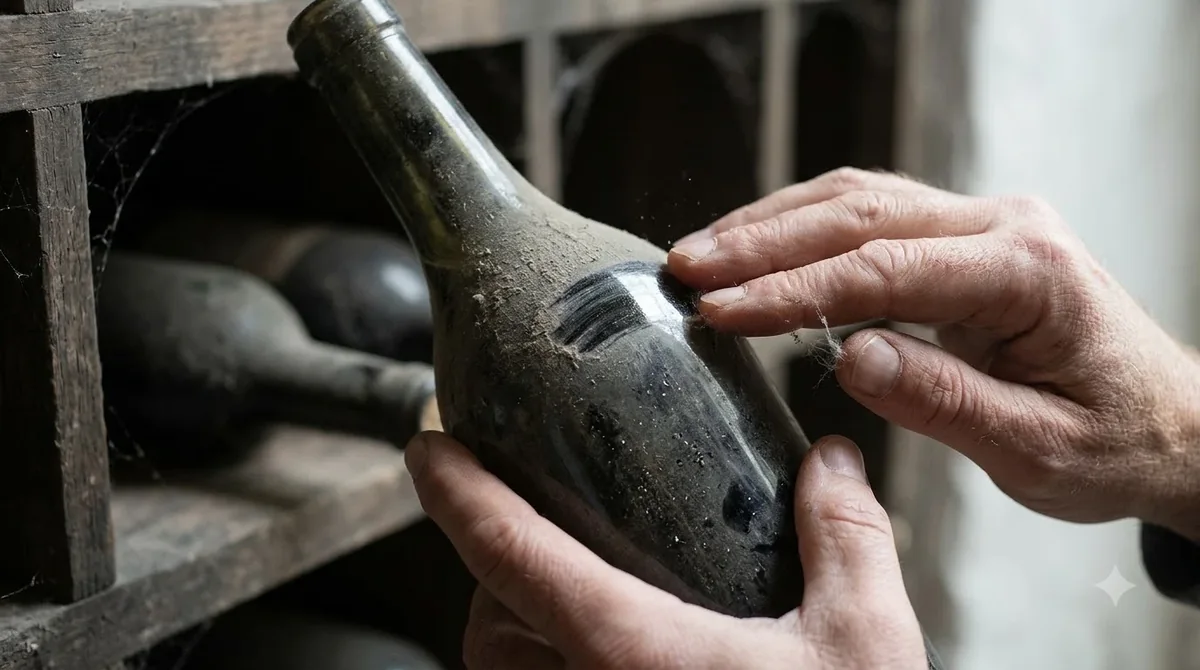
Understanding Chianti aging tiers prevents surprises when opening a bottle at home. Under Italian DOCG regulations, basic Chianti can be released as early as March 1 following the autumn harvest, capturing fresh, lively cherry fruit meant for immediate drinking within two to five years. Stepping up to Chianti Classico enforces stricter minimums: Annata requires at least 12 months of aging and 12% minimum alcohol, Riserva requires 24 months of aging (including 3 months in bottle) and 12.5% minimum alcohol, and Gran Selezione requires 30 months of aging (including 3 months in bottle), 13% minimum alcohol, and at least 90% estate-grown Sangiovese.
Historically, Tuscan cellars aged Chianti in large, neutral Slavonian oak botti holding thousands of liters, which softened tannins through slow micro-oxygenation without masking the grape’s savory herb character with heavy wood flavors. While some modern producers incorporate smaller French oak barriques—especially when blending small amounts of Cabernet Sauvignon, Merlot, or indigenous Canaiolo and Colorino—oak remains a supporting frame rather than the main flavor driver.
Shiraz Oak Regimens and Co-Fermentation
Food Pairing: What Each Wine Loves on the Plate
Chianti excels alongside tomato-based Italian dishes, cured meats, and hard aged cheeses because its high acidity cuts through tangy sauces and rich fats, while Shiraz thrives with smoky barbecued meats, peppered steaks, and braised dishes that match its plush tannins and dark fruit. Pairing either bottle successfully comes down to matching structural intensity and acid levels.
Because acidic food requires a wine with equal or higher acidity to avoid tasting flat or flabby, Chianti is the natural partner for marinara, Bolognese, Neapolitan pizza, lasagna, and eggplant parmesan. Sangiovese’s tart cherry fruit and herbal oregano notes echo the bright acidity of cooked tomatoes, while salt and fat in Pecorino Toscano, Parmigiano-Reggiano, and Tuscan prosciutto soften the grape’s grippy tannins. Grilled bistecca alla fiorentina, herb-roasted pork loin, and wild mushroom risotto also highlight Chianti’s savory depth.
Shiraz needs bold, deeply caramelized flavors so the wine does not overpower the meal. Slow-smoked beef brisket, chargrilled ribeye steak, lamb chops crusted with rosemary and black pepper, and venison stew provide enough protein and fat to tame Shiraz’s medium-plus to high tannins. Noticeably sweet or smoky barbecue glazes also harmonize with warm-climate Shiraz’s ripe blackberry core and vanilla oak spice, whereas sharp vinegar-heavy or citrus-driven dishes clash with its lower acidity and higher alcohol. Dishes with intense chili heat should be avoided with both bottles, since alcohol and tannin amplify capsaicin burn.
Serving Temperature, Decanting, and Storage
Serve medium-bodied Chianti slightly cooler at 55°F to 60°F (or up to 60°F to 65°F for richer Riserva and Gran Selezione bottlings) to keep its bright red fruit crisp, and pour full-bodied Shiraz at 60°F to 65°F so its dense tannins open smoothly. Both benefit from proper glassware and storage, though their decanting needs vary by age and tier.
Pouring a 5-ounce glass—roughly one-fifth of a standard 750-milliliter bottle—into a large-bowled red wine glass gives both Sangiovese and Shiraz room to release their volatile aromas. Young Chianti Annata rarely needs more than 15 to 20 minutes of air in the glass, whereas structured Chianti Classico Riserva, Gran Selezione, and young full-bodied Australian Shiraz benefit from 30 to 60 minutes in a decanter before dinner to soften firm tannins and blow off any tight reduction. If a bottle is served too warm above 68°F, full-bodied Shiraz—which typically sits between 14% and 15.5% ABV—can smell hot and sharp, while Chianti loses its refreshing snap.
For multi-day enjoyment, recork opened bottles tightly and place them in a standard kitchen refrigerator, where both still reds stay fresh for 3 to 5 days before oxidation flattens the fruit; simply pull the bottle out 30 minutes before pouring to take off the deep chill. Unopened bottles should be stored on their side in a dark, vibration-free space near 55°F and 50% to 70% humidity so corks remain moist and sealed. While entry-level Chianti is built for enjoyment within two to five years of harvest, top Chianti Classico Gran Selezione and dry-grown Barossa Shiraz can age gracefully for 10 to 20 years.
How to Choose Between Chianti and Shiraz
Choose Chianti when the menu features tomato sauces, olive oil, poultry, pork, or lighter herb-seasoned dishes that call for a zesty, medium-bodied red, and reach for Shiraz when serving heavy grilled red meats, smoky barbecue, or when guests prefer a rich, velvety glass on its own. Checking the regional label cues helps narrow down the exact style on the shelf.
When shopping for Chianti, look for the black rooster (Gallo Nero) neck seal on Chianti Classico bottles for guaranteed hillside Tuscan provenance and at least 80% Sangiovese. Selecting a basic Chianti DOCG or Chianti Superiore—which requires 9 months of aging including 3 months in bottle under the Consorzio Vino Chianti disciplinare—delivers juicy, everyday versatility, while Riserva and Gran Selezione offer deeper concentration for special dinners. Readers who prefer lighter, silkier reds with even gentler tannin might also compare pinot noir vs shiraz before committing to a full-bodied bottle.
When shopping for Shiraz, pay close attention to regional climate cues on the label. South Australia’s Barossa Valley and McLaren Vale reliably deliver classic, full-throttled dark fruit, chocolate, and sweet oak, while cooler regions like Victoria’s Yarra Valley, Eden Valley, or bottles labeled Syrah signal higher acidity, cracked pepper, and leaner structure. If big, jammy fruit and high alcohol are the main appeal, comparing shiraz vs zinfandel reveals another bold alternative with similar warmth and spice.
Frequently Asked Questions
Are Shiraz and Syrah the exact same grape variety?
Yes, Shiraz and Syrah are genetically identical dark-skinned grape varieties, confirmed by DNA profiling conducted at the University of California, Davis in the late 1990s. Producers in France, Italy, and cool-climate regions of California and Washington typically label the wine Syrah to signal a leaner, peppery style, whereas winemakers in Australia and South Africa use Shiraz to denote a riper, fuller-bodied expression.
Why does Chianti Classico have a black rooster symbol on the bottle?
The Gallo Nero (black rooster) emblem on Chianti Classico bottles traces back to a medieval territorial dispute between Florence and Siena, which was settled by a dawn horseback race triggered by a hungry black rooster’s early crow. Today, the Consorzio Vino Chianti Classico uses the trademarked emblem exclusively on bottles from the historic 1716 delimited zone that pass strict chemical and sensory tasting panels.
Which wine has more tannins and feels drier in the mouth?
Both wines ferment dry—generally under 4 grams per liter of residual sugar under European Union and Australian dry-wine standards—though Shiraz typically carries higher total polyphenol and tannin concentration due to Syrah’s thick skins and small berries. However, Chianti often feels sharper or more astringent on an empty palate because Sangiovese’s high acidity amplifies the drying sensation of its medium-firm tannins.
Can you cook with Chianti or Shiraz in savory sauces?
Chianti is one of the best red wines for deglazing pans and simmering tomato-based ragùs, braised chicken cacciatore, and mushroom sauces because its high acidity brightens heavy dishes without turning overly sweet as the liquid reduces. Heavy, heavily oaked Shiraz is less versatile in delicate reductions because concentrating its high alcohol and strong vanilla barrel notes can make a pan sauce taste bitter or woody.
How do older vintages of Chianti and Shiraz change in the cellar?
As Chianti Classico Riserva ages past eight to ten years in cellar conditions, its translucent ruby color shifts toward brick orange at the rim and its tart cherry notes soften into dried fig, sweet tobacco, and underbrush. Mature Barossa Shiraz sheds its opaque purple edge for deep garnet over ten to twenty years, trading primary blackberry jam for savory notes of leather, roasted meat, dark cocoa, and cedar.
Both Chianti and Shiraz showcase how regional tradition and climate shape classic dry red wine, offering distinct strengths at the table rather than competing for the same role. Letting the menu lead—bright Tuscan Sangiovese for tangy, herb-driven dishes and plush Shiraz for smoky, savory roasts—ensures every bottle pours at its best.
More in Wine vs Wine
 Nero d’Avola vs Pinot Noir: Taste, Body, and Pairing DifferencesUpdated Nov 21, 2026
 Chenin Blanc vs Pinot Blanc: Key Differences in Taste, Acidity, and PairingsUpdated Nov 21, 2026
 Chardonnay vs Shiraz: Key Differences in Taste, Serving, and PairingUpdated Nov 21, 2026
 Chardonnay vs Verdejo: How Spain’s Crisp White Compares to the World’s ChameleonUpdated Nov 21, 2026
 Chardonnay vs Sancerre: Key Differences in Taste, Grapes, and PairingUpdated Nov 21, 2026
 Chardonnay vs Malbec: Key Differences in Taste, Body, and PairingUpdated Nov 21, 2026