

We may earn a commission when you buy through links on this page, at no extra cost to you. Learn more.
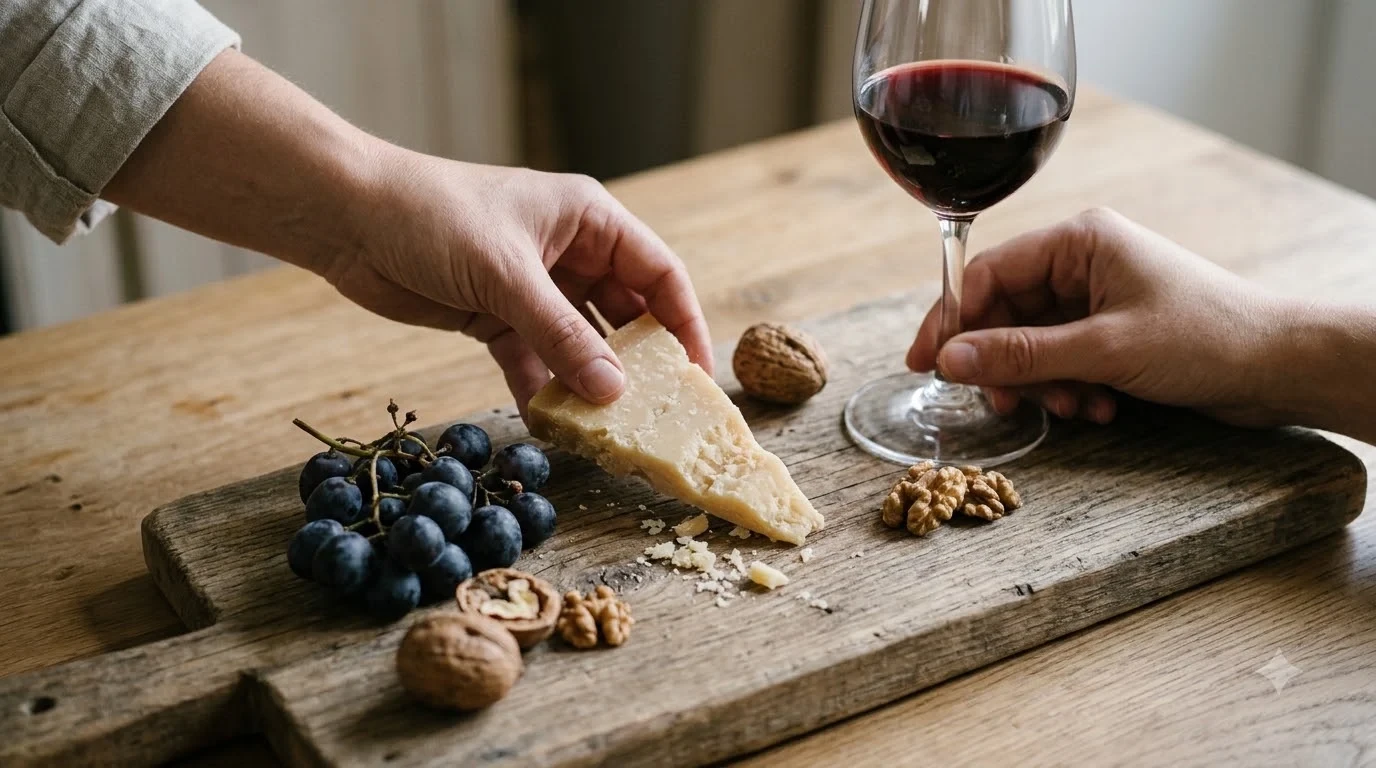
The core difference in chianti vs tempranillo comes down to tart, high-acid red cherry brightness versus plush, oak-aged dark fruit and savory spice. Chianti is an Italian wine region built on Sangiovese, while Tempranillo is Spain’s signature red grape behind Rioja and Ribera del Duero. Reach for Chianti when dinner features acidic tomato sauces or rich cured meats, and pour Tempranillo alongside smoky grilled lamb, roast pork, or aged sheep’s milk cheese.
Standing in the wine aisle between Italy and Spain can feel tricky because both bottles often show similar ruby-garnet color and moderate-to-full weight. One label names a Tuscan region, while the other names a Spanish grape variety that usually hides behind regional titles like Rioja on the front of the bottle. Comparing their grapes, aging laws, flavor profiles, and table behavior makes choosing the right bottle straightforward.
Region Versus Grape: How Each Wine Gets Its Name
The first point of confusion between Chianti and Tempranillo is that one is a place and the other is a grape. Chianti refers to a regulated wine zone in Tuscany, Italy, where Sangiovese must make up the vast majority of the blend, whereas Tempranillo is a red grape variety grown across Spain and Portugal.
In central Tuscany, Chianti DOCG and the historic inner zone of Chianti Classico DOCG anchor their blends on Sangiovese. According to the Consorzio Vino Chianti Classico, standard Chianti Classico Annata and Riserva must contain at least 80 percent Sangiovese, with up to 20 percent of other authorized red grapes such as Canaiolo, Colorino, Merlot, or Cabernet Sauvignon. At the top tier, Chianti Classico Gran Selezione raises the minimum to 90 percent Sangiovese and restricts the remaining 10 percent strictly to native Tuscan red varieties.
Tempranillo works in the opposite direction on a wine label. Shoppers sometimes see the grape name printed in large letters on everyday bottles from Castilla-La Mancha or Navarra, yet Spain’s most celebrated Tempranillo wines lead with their region of origin. In DOCa Rioja, which stretches 62 miles along the Ebro River across La Rioja, País Vasco, and Navarra, Tempranillo forms the backbone of red blends alongside Garnacha, Mazuelo, and Graciano, as outlined in VinePair’s Rioja wine guide. Farther west on Spain’s high northern plateau, Ribera del Duero bottles the same grape under the local names Tinto Fino or Tinta del País.
Travelers and shoppers also encounter Tempranillo under several other regional aliases across the Iberian Peninsula. Winemakers in Toro call it Tinta de Toro, producers in Catalonia label it Ull de Llebre, growers in central Spain know it as Cencibel, and Portuguese estates in the Douro Valley and Alentejo refer to it as Tinta Roriz or Aragonês. Regardless of the regional alias, every bottle shares the same early-ripening parent grape—its Spanish name derives from temprano, meaning early.
Chianti vs Tempranillo at a Glance
Side-by-side numbers show why Chianti feels brisk and mouthwatering while Tempranillo leans rounder, earthier, and more oak-driven. The comparison below reflects standard dry table expressions from Chianti Classico and Spanish Tempranillo regions such as Rioja and Ribera del Duero.
| Attribute | Chianti (Sangiovese) | Tempranillo (Rioja / Ribera del Duero) |
|---|---|---|
| Primary Identity | Italian DOCG wine region in Tuscany | Spanish red grape variety |
| Main Grape Share | 80% to 100% Sangiovese in Chianti Classico | Typically 75% to 100% Tempranillo |
| Acidity Level | High (minimum 4.5 g/L total acidity in Chianti Classico) | Medium to medium-plus |
| Tannin Profile | Medium-plus to high, firm and grippy | Medium to high, velvety when oak-aged |
| Core Fruit Flavors | Tart red cherry, cranberry, red plum | Strawberry, black cherry, dark plum, fig |
| Savory & Oak Notes | Dried oregano, tomato leaf, leather, subtle cedar | Vanilla, coconut, dill, tobacco leaf, leather |
| Typical Alcohol (ABV) | 12.0% to 14.0% (12.0% legal minimum for Annata) | 13.0% to 14.5% |
| Serving Temperature | 60–65°F (15–18°C) | 60–65°F (15–18°C) |
These structural differences explain why neither wine acts as an exact clone of the other at dinner. Chianti relies on brisk natural acidity to cut through rich sauces, while Tempranillo relies on extended barrel and bottle maturation to smooth its tannins and layer sweet spice over ripe berry fruit.
Acidity, Tannins, and Flavor Profile
Sangiovese and Tempranillo share a famous affinity for savory, earthy aromas, yet their mouthfeel diverges immediately on the first sip. Chianti delivers bright, snappy acidity and firm grip, whereas Tempranillo offers broader mid-palate weight and softer, wood-polished edges.
Tart Red Fruit Versus Ripe Berry and Fig
In the glass, a classic Chianti pours translucent ruby with a brick-orange rim as it matures. Its primary aromas center on sour Montmorency cherry, wild strawberry, and cranberry, backed by herbal hints of dried oregano, crushed tomato leaf, and violet. Because Sangiovese retains high natural acid even in warm Tuscan summers—regulated at a minimum of 4.5 grams per liter in Chianti Classico—the finish feels crisp and salivating rather than heavy.
Tempranillo presents a deeper ruby-to-garnet hue, especially in high-altitude vineyards where thick grape skins pack extra pigment. Younger, unoaked bottles burst with fresh strawberry and red plum, while riper examples from Ribera del Duero—where vines grow between 2,360 and 3,608 feet above sea level with diurnal temperature swings exceeding 40°F—show concentrated black cherry, blackberry bramble, and dried fig. Both grapes develop distinct leather and dried tobacco notes after several years in bottle, though Tempranillo rarely tastes as tart as Tuscan Sangiovese.
Firm Sangiovese Grip Versus Barrel-Smoothed Tannin
Tannin texture separates these two reds just as clearly as acidity. Sangiovese possesses naturally assertive, fine-grained tannins that tighten across the gums, giving Chianti a distinctly structural, food-hungry bite similar in firmness to Barolo vs Chianti comparisons, though lighter in body than Nebbiolo. Without protein, fat, or salt on the plate, young Chianti can feel austere.
Tempranillo also carries moderate-to-high skin tannins, particularly in old-vine Ribera del Duero bottlings where over one-third of vines exceed 45 years of age. However, traditional Spanish cellar aging rounds those tannins into a plush, velvety texture before the wine ever reaches a store shelf. Drinking a mature Rioja Reserva feels smoother and broader on the palate than a brisk Chianti Classico of the same age.
Tip: If a bottle of Spanish Tempranillo tastes noticeably softer and rounder than Chianti, check the back label for the words Crianza, Reserva, or Gran Reserva—those designations guarantee years of barrel and bottle aging completed at the winery before release.
Aging Classifications and Oak Influence
Both Tuscany and Spain classify their top reds by mandatory aging time, yet their barrel traditions leave completely different flavor fingerprints. Spanish bodegas historically embraced small American oak barrels that impart sweet spice, while Tuscan producers favor large neutral oak casks or restrained French oak that let Sangiovese’s tart fruit lead.
Italian Tiers: Annata, Riserva, and Gran Selezione
Within Chianti Classico DOCG, three legal quality tiers govern minimum aging and alcohol levels:
- Chianti Classico Annata: Ages for a minimum of 12 months before release (no earlier than October 1 of the year following harvest) with at least 12.0 percent alcohol, keeping fresh cherry fruit front and center.
- Chianti Classico Riserva: Requires at least 24 months of total aging, including a minimum of 3 months in bottle, and at least 12.5 percent alcohol for deeper spice and integrated oak support.
- Chianti Classico Gran Selezione: Introduced in 2014 for estate-grown fruit only, requiring at least 30 months of aging (including 3 months in bottle) and a 13.0 percent alcohol minimum.
Traditional Tuscan cellars frequently mature Sangiovese in large Slavonian oak botti holding thousands of liters. Because large casks expose less wine to new wood surface area, Chianti rarely smells strongly of vanilla or coconut, preserving its herbal, savory character.
Spanish Tiers: Genérico, Crianza, Reserva, and Gran Reserva
Spanish Denominación de Origen rules in Rioja and Ribera del Duero regulate both total aging and exact time spent inside oak barrels:
- Genérico (or Joven): Has no mandatory oak aging requirement, accounts for roughly 40 percent of Rioja production, and hits shelves within one to two years of harvest as a juicy, fruit-forward red.
- Crianza: Must spend at least 12 months in oak barrels followed by additional bottle maturation (reaching two years total from harvest in Rioja), blending red berry fruit with subtle toast and vanilla.
- DOCa Rioja: Divided into three sub-zones—Rioja Alta, Rioja Alavesa, and the warmer Rioja Oriental—Rioja blends Tempranillo primarily with Garnacha, Mazuelo, and Graciano for balanced red fruit, silkier tannins, and classic barrel spice.
- DO Ribera del Duero: Located along the Duero River plateau at 2,360 to 3,608 feet above sea level, Ribera del Duero produces darker, denser Tempranillo (labeled Tinto Fino or Tinta del País) that may blend small amounts of Cabernet Sauvignon, Merlot, Malbec, Garnacha Tinta, or the white grape Albillo Mayor.
- DO Toro and Castilla-La Mancha: Toro delivers muscular, full-bodied Tinta de Toro from warm continental vineyards, while everyday varietal Tempranillo bottles from Castilla-La Mancha offer soft, approachable berry fruit for casual weeknight meals.
Food Pairing: Tomato Acidity Versus Smoky Grilled Meats
Because acidic dishes require a wine with equal or higher acidity, Chianti dominates tomato-driven Italian cooking, while oak-aged Tempranillo shines alongside roasted, smoked, or char-grilled meats. Matching the core structure of the wine to the dominant element on the plate prevents either bottle from tasting sharp or flat.
Chianti’s high natural acidity—set at a minimum of 4.5 grams per liter in Chianti Classico according to the Consorzio Vino Chianti Classico—cuts straight through rich olive oil, melted mozzarella, and bright San Marzano tomato sauces without losing its fruit core. Pair a brisk Chianti Classico Annata with spaghetti alla Bolognese, Margherita pizza, eggplant Parmigiana, or Tuscan white beans drizzled with peppery olive oil. When serving aged Chianti Classico Riserva or Gran Selezione, step up to richer proteins like grilled bistecca alla fiorentina, wild boar ragù, or aged Pecorino Toscano, where salt and fat soften Sangiovese’s firm tannins.
Tempranillo’s moderate-plus acidity and savory oak spice suit dry-heat cooking methods, cured pork, and nutty sheep’s milk cheeses. According to VinePair’s Rioja pairing guidance, Rioja Crianza and Reserva pair naturally with Jamón Serrano, aged Manchego cheese, briny green olives, hearty lentil or bean stews, and grilled or braised lamb chops. Fuller-bodied Tempranillo from Ribera del Duero—where small thick-skinned berries from vines over 45 years old bring concentrated dark fruit—handles smoky barbecue ribs, herb-crusted roast pork loin, and ribeye steak with ease. Avoid pairing high-tannin Riserva or Gran Reserva bottles with fiery chili dishes or oily fish, as alcohol and wood tannin amplify capsaicin heat and create metallic clashes with fish oils.
Key Regions and How to Shop the Label
Knowing where each wine grows and how regional sub-zones shape flavor prevents surprises when buying a bottle for dinner. Both Tuscany and northern Spain divide their vineyards by altitude, soil, and blending traditions that noticeably change weight and ripeness in the glass.
In Tuscany, seven Chianti sub-zones surround the historic heartland of Chianti Classico DOCG, which sits between Florence and Siena and wears the black rooster (Gallo Nero) emblem on its bottle neck. Standard Chianti DOCG from broader Tuscan hillsides generally tastes lighter, brighter, and ready for immediate drinking, whereas Chianti Classico and high-elevation sub-zones like Chianti Rufina deliver firmer structure and longer aging potential. Shoppers comparing Tuscan reds alongside neighboring central Italian grapes can also explore chianti vs montepulciano or look at northern Italian acidity in barbera vs chianti to pinpoint the exact fruit-to-tannin balance they prefer.
For Spanish Tempranillo, look first at the region printed across the front label:
Serving, Decanting, and Storage
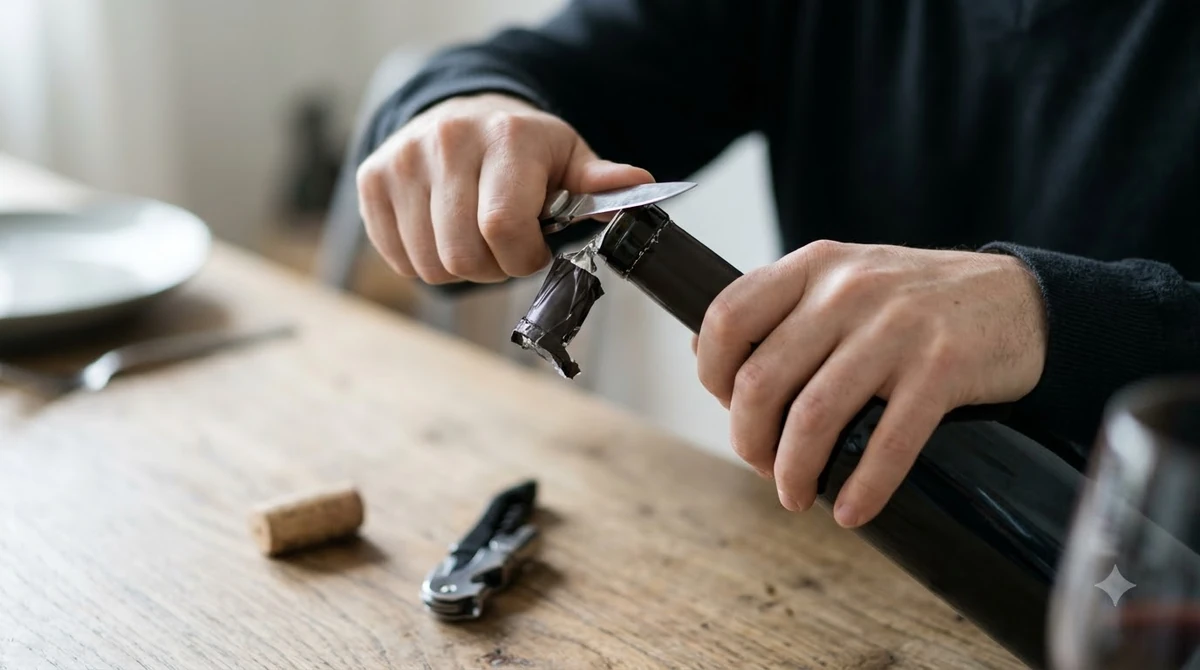
Both Chianti and Tempranillo perform best at cool cellar temperatures rather than warm room temperature, and young bottles benefit noticeably from brief aeration before pouring. Proper serving temperature keeps alcohol balanced and preserves delicate floral and herbal aromatics.
Serve both wines between 60°F and 65°F (15°C to 18°C), which usually means chilling a warm room-temperature bottle briefly in the refrigerator prior to opening. Pour standard 5-ounce servings—roughly five glasses per 750-milliliter bottle—into wide-bowled red wine glasses so oxygen can open up the aromatics. Young Chianti Classico Riserva, Gran Selezione, and structured Ribera del Duero Crianza or Reserva bottles benefit from 30 to 60 minutes in a decanter to soften tight tannins, while mature Gran Reserva bottles need only gentle pouring to avoid disturbing natural sediment.
Store unopened bottles horizontally on their sides near 55°F with 50 to 70 percent humidity so natural corks stay moist and airtight. Once opened, re-cork unfinished bottles and place them in the refrigerator, where still red wines stay fresh for 3 to 5 days before fruit flavors fade.
Frequently Asked Questions
Is Chianti or Tempranillo sweeter?
Both Chianti and traditional Spanish Tempranillo wines from Rioja and Ribera del Duero are vinified completely dry, typically containing less than 2 to 4 grams of residual sugar per liter. Tempranillo can occasionally feel perceived as slightly sweeter on the mid-palate because American oak aging imparts vanilla and coconut lactones alongside lower total acidity than Sangiovese.
Can Tempranillo be blended with white grapes in Spain?
Yes, Spanish wine laws allow small additions of white grapes in certain red Tempranillo blends to lift aromatics and stabilize color. In Ribera del Duero, regulations permit blending the native white variety Albillo Mayor alongside Tempranillo, while traditional Rioja producers occasionally co-ferment small percentages of Viura with red grapes.
What is the difference between Chianti and Super Tuscan wines?
Chianti and Chianti Classico must follow strict DOCG rules requiring at least 70 to 80 percent Sangiovese depending on the zone. Super Tuscans are bottled under the broader Toscana IGT designation, allowing winemakers to use 100 percent Cabernet Sauvignon, Merlot, Syrah, or non-traditional blends without DOCG grape restrictions.
Which wine ages longer in a home cellar, Chianti Classico or Rioja?
Top examples of both wines easily age 10 to 20 years or more in a cool 55°F cellar, though their aging curves differ. High-acid Chianti Classico Riserva and Gran Selezione rely on brisk acidity and firm Sangiovese tannin to evolve savory leather and dried cherry notes, whereas Rioja Gran Reserva already completes at least 60 months (five years) of winery aging—including 24 months in oak—before release under Consejo Regulador DOCa Rioja rules.
How do Chianti and Tempranillo compare to other classic red wine matchups?
Chianti sits on the high-acid, medium-bodied end of Italian reds, while oak-aged Tempranillo bridges the gap between medium-bodied red blends and full-bodied Cabernet Sauvignon. Comparing head-to-head style breakdowns across Wine vs Wine guides helps match any dinner menu to the exact tannin, acid, and oak profile needed.
Choosing between Chianti and Tempranillo comes down to whether tonight’s meal calls for bright, food-cutting acidity or smooth, oak-spiced depth. Pick Sangiovese-driven Chianti for tomato sauces, cured salumi, and rich Tuscan dishes, and reach for Spanish Tempranillo when grilled meats, smoky spices, and aged cheeses anchor the table.
More in Wine vs Wine
 Nero d’Avola vs Pinot Noir: Taste, Body, and Pairing DifferencesUpdated Nov 21, 2026
 Chenin Blanc vs Pinot Blanc: Key Differences in Taste, Acidity, and PairingsUpdated Nov 21, 2026
 Chardonnay vs Shiraz: Key Differences in Taste, Serving, and PairingUpdated Nov 21, 2026
 Chardonnay vs Verdejo: How Spain’s Crisp White Compares to the World’s ChameleonUpdated Nov 21, 2026
 Chardonnay vs Sancerre: Key Differences in Taste, Grapes, and PairingUpdated Nov 21, 2026
 Chardonnay vs Malbec: Key Differences in Taste, Body, and PairingUpdated Nov 21, 2026