

We may earn a commission when you buy through links on this page, at no extra cost to you. Learn more.
Sangiovese tannins sit in the medium-high to high range, creating a firm, dry, mouth-coating grip that feels similar to steeped black tea or fine clay. Paired with naturally high acidity, these polyphenols give Tuscan reds like Chianti Classico and Brunello di Montalcino their structural backbone and multi-decade aging potential. While young bottles can feel brisk and chewy on the gums, oak aging and fat-rich foods quickly soften the astringency.
Because Sangiovese pours with a translucent ruby-brick color rather than an opaque purple hue, many drinkers assume it will feel light and silky on the palate. In reality, Italy’s most widely planted red grape packs serious structural muscle beneath its bright red-cherry exterior, making an understanding of its phenolic profile essential for choosing, serving, and pairing bottles properly.
What Sangiovese Tannins Are and How They Feel
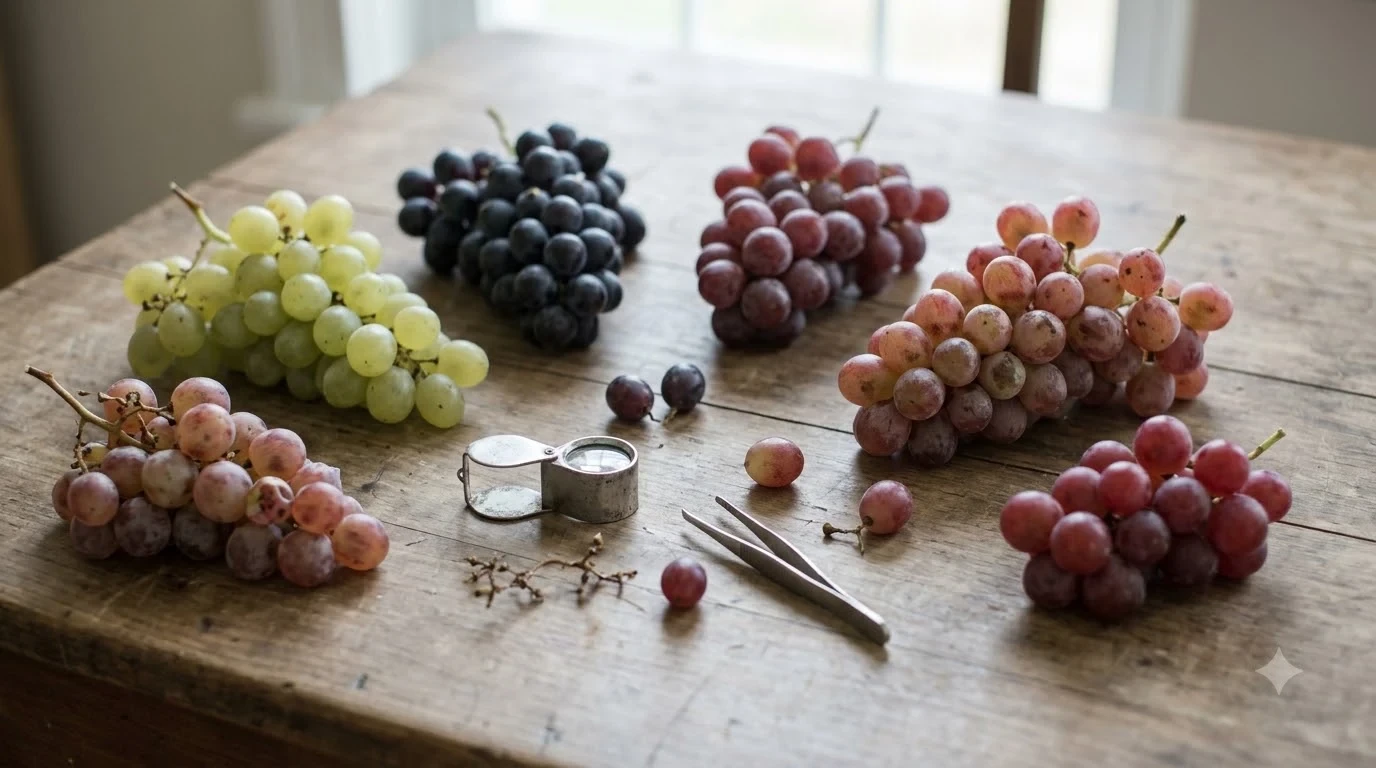
Tannins in Sangiovese are naturally occurring polyphenols extracted from the grape’s skins, seeds, and stems during red wine fermentation, reinforced by compounds drawn from oak barrels during maturation.
On the palate, these compounds bind to proteins in your saliva, temporarily reducing lubrication and leaving a drying, tactile sensation across your tongue, inner cheeks, and upper gums. Reviewers at Wine Folly compare the grip of traditional Sangiovese to holding a steeped black tea bag in your mouth or feeling fine, sticky clay. Unlike the plush, velvety weight of Merlot or the chalky, cocoa-dusted density of Napa Cabernet Sauvignon, Sangiovese delivers a linear, savory astringency that stays lifted by brisk, mouthwatering acidity.
A major driver of this profile is intra-varietal variability, a trait that causes Sangiovese vines to mutate easily and adapt to local soils and microclimates. For instance, the thick-skinned Sangiovese Grosso clone cultivated around Montalcino produces noticeably denser phenolic extraction than the smaller-berried clones found in everyday central Italian blends. Vineyard management also shapes intensity: because Sangiovese vines are naturally vigorous and tend to produce large crops, growers plant them on poor, rocky, or sandy soils to restrict foliage and concentrate polyphenols in each berry.
You can explore how these structural elements interact with the grape’s red fruit and herbal notes in our guide to sangiovese tasting notes, or compare this brisk Italian grip with lighter-bodied reds in our breakdown of pinot noir tannins.
How Tannin Levels Shift Across Sangiovese Styles
Although the grape inherently leans firm, winemaking choices, aging laws, and regional climate shift Sangiovese tannins from supple and approachable to dense and cellar-worthy.
In entry-level bottlings such as basic Chianti, Rosso di Montalcino, and Rosso di Montepulciano, producers typically harvest from younger vines and ferment in stainless steel or age briefly in neutral casks. The resulting wines emphasize bright violet aromatics, tart red berries, and lively acidity, keeping the phenolic grip moderate enough for immediate enjoyment without long aeration. Moving up the classification ladder changes the texture dramatically, as extended wood maturation polymerizes harsh short-chain tannins into smoother, longer chains.
Geography also plays a decisive role in how firm the finish feels. According to Wine Enthusiast, Sangiovese di Romagna from Emilia-Romagna yields chewier fruit, lower acidity, and noticeably rounder tannins than its higher-elevation Tuscan counterparts. Meanwhile, Super Tuscan blends that incorporate Cabernet Sauvignon or Merlot gain darker pigment and mid-palate cushion, rounding out Sangiovese’s leaner structural edges.
| Wine Style | Minimum Sangiovese | Aging Regimen | Tannin and Texture Profile | Drinking Window |
|---|---|---|---|---|
| Chianti Classico Annata | 80% (often 100%) | 12 months before release | Medium-high, brisk, red-fruited, immediately accessible | Release to 7 years |
| Chianti Classico Riserva | 80% (often 100%) | 24 months minimum | Firm, structured, integrated oak spice and savory grip | 4 to 12 years |
| Chianti Classico Gran Selezione | 80% (often 100%) | 30 months minimum | High, concentrated, dense and age-worthy | 6 to 15+ years |
| Brunello di Montalcino | 100% | 2 years minimum in oak; released year 5 | High, grippy, powerful structure with long longevity | 10 to 18+ years |
| Sangiovese di Romagna | 85% to 100% | Varies by tier (often brief wood or steel) | Medium to medium-high, rounder, softer acidity | Release to 6 years |
Where Sangiovese Grows and How Terroir Shapes Structure
Italy accounts for roughly 155,000 of the world’s 175,000 planted acres of Sangiovese, with central Italy’s rolling hills producing the most structurally defined expressions.
Within Tuscany, altitude and soil composition govern how ripe and supple the grape’s skins become before harvest. High-elevation vineyards in Chianti Classico—such as hillsides above Panzano sitting between 400 and 550 meters—experience cool night temperatures that preserve sharp acidity while encouraging thick skins, yielding dense fruit framed by firm, clay-like tannins. Further south in warmer Montalcino, longer sunshine hours ripen the Sangiovese Grosso clone more fully, creating massive phenolic power that requires mandatory multi-year barrel and bottle aging before commercial release.
Outside central Italy, smaller pockets of cultivation offer distinct textural variations. In Corsica’s Patrimonio AOC, where the grape is known locally as Nielluccio, maritime breezes and limestone soils yield firm, rustic, herb-scented reds. New World plantings in California, Washington, and Argentina’s Mendoza region—roughly 2,000 acres each—benefit from generous sunshine that ripens the skins thoroughly, producing fruit-forward bottles where the tannins feel plusher and sweeter on the mid-palate.
How to Serve Sangiovese to Soften Firm Tannins
Serving temperature and proper oxygen exposure directly control whether Sangiovese tannins taste harsh and bitter or balanced and silky.
Temperature acts as an immediate volume dial for astringency. Serving a young, grippy Tuscan red too cold—below 55°F—clamps down on aromatics and makes the tannins taste sharp and metallic. Conversely, serving it at warm room temperature above 70°F emphasizes the alcohol (typically 13.5% to 15% ABV) and leaves the finish feeling hot and clumsy. Aim for a cellar-cool serving range of 60°F to 68°F (15°C to 20°C) in a standard universal red wine glass with a moderately wide bowl to channel aromatics while smoothing the mid-palate.
Aeration strategy depends heavily on the bottle’s age. For youthful Chianti Classico, Rosso di Montalcino, or Super Tuscans, pouring the wine into a decanter for 30 to 60 minutes introduces enough oxygen to soften angular phenolics and open up suppressed cherry and herbal notes. For mature Brunello di Montalcino or Riserva bottles aged five or more years past release, skip vigorous decanting, which can strip away delicate secondary aromas of dried rose, leather, and tobacco; instead, pull the cork two to three hours before dinner so the wine opens gently in the bottle.
Tip: If a newly opened bottle of Sangiovese feels overly dry and astringent on your first sip, place the open bottle in the refrigerator for 15 minutes to bring it closer to 62°F and let it breathe in your glass while you prep dinner.
Food Pairing: Using Lipids and Acidity to Tame Grip
Sangiovese’s firm tannins and vibrant acidity make it one of the most reliable dinner-table reds in the world, provided your dish includes fat, protein, or savory richness.
From a sensory standpoint, dietary fats and proteins bind to wine tannins in your mouth before those polyphenols can latch onto your saliva proteins. Rich, marbled meats such as grilled ribeye, bistecca alla fiorentina, braised lamb shanks, and cured pork sausages coat the palate with lipids that immediately neutralize Sangiovese’s drying bite, allowing sweet cherry and plum flavors to shine through. Aged hard cheeses like Parmigiano-Reggiano and Pecorino Toscano achieve the same smoothing effect through concentrated milk fats and umami.
Acidity matching is equally important when planning a meal. Because Sangiovese carries naturally high acidity, pairing it with acidic ingredients like slow-simmered tomato sauce, roasted red peppers, or balsamic glaze keeps the wine tasting vibrant rather than sour. For vegetarian menus, build dishes around olive oil, butter, mushrooms, or roasted eggplant to supply the necessary lipid cushion, and avoid heavily sweetened glazes, as excess sugar makes dry tannins taste bitter and hollow. For more flavor combinations, browse our complete overview of what does sangiovese taste like.
How to Choose a Bottle Based on Your Tannin Tolerance
Reading regional designations and oak-aging cues on the label lets you predict a bottle’s phenolic grip before you pull the cork.
If you prefer a lighter, juicier red with gentle grip, look for young, unoaked or neutral-cask styles labeled Chianti (without the Classico designation), Rosso di Montalcino, Morellino di Scansano, or Sangiovese di Romagna. These bottles highlight fresh red plum, strawberry, and dried oregano notes with moderate astringency that works well on a weeknight. Drinkers who enjoy structured, full-bodied reds similar to Cabernet Sauvignon should seek out Chianti Classico Riserva, Gran Selezione, or Brunello di Montalcino from reputable vintages, where extended oak aging builds layers of espresso, leather, and firm, cellar-worthy structure.
If you are still calibrating your palate across different red varieties, comparing Italian denominations side by side in our Wine by Type hub can help you pinpoint the exact balance of acidity and grip you enjoy most.
Frequently Asked Questions
Does Sangiovese have more tannins than Pinot Noir or Cabernet Sauvignon?
Sangiovese sits right between Pinot Noir and Cabernet Sauvignon in overall tannin intensity. It has noticeably firmer, drier grip than thin-skinned Pinot Noir, yet feels less heavy and dense than thick-skinned Cabernet Sauvignon because Sangiovese pairs its tannins with higher, brisker acidity.
Why does Sangiovese taste dry even though its color looks light?
Color and tannin are governed by different phenolic compounds in grape skins. Sangiovese has relatively low levels of anthocyanins (pigment compounds), giving it a translucent ruby-garnet appearance, while still containing high concentrations of skin and seed tannins that create a firm, mouth-drying finish.
Do tannins in Sangiovese cause red wine headaches?
According to wine educators at Wine Folly, there is no clinical evidence showing that grape tannins cause wine headaches. Headaches after drinking red wine are more commonly linked to dehydration or individual sensitivity to biogenic amines like tyramine and histamines, so alternating each glass of wine with water usually prevents discomfort.
How long should you decant a bottle of Sangiovese?
Young, structured bottles such as Chianti Classico Annata, Rosso di Montalcino, or Super Tuscans benefit from 30 to 60 minutes in a decanter to soften their firm grip. For older Riserva or Brunello di Montalcino bottles aged five or more years, avoid decanting and simply uncork the bottle two to three hours before serving.
Understanding Sangiovese tannins takes the guesswork out of buying and serving Italian red wine. By matching the bottle’s aging tier to the right serving temperature and a fat- or tomato-rich meal, you turn that signature tea-like grip into one of the most rewarding textures at the dinner table.
More in Wine Types & Grapes
 What Does Mourvèdre Taste Like? Flavor Profile, Regions, and PairingsUpdated Nov 20, 2026
 What Does Marsanne Taste Like? Flavors, Styles, and Food PairingsUpdated Nov 20, 2026
 What Does Malvasia Taste Like? Styles, Flavors, and Food PairingsUpdated Nov 20, 2026
 What Does Grenache Blanc Taste Like? Flavor Profile, Styles, and PairingsUpdated Nov 20, 2026
 What Does Garnacha Taste Like? Key Flavors, Styles, and Pairing TipsUpdated Nov 20, 2026
 What Does Fruit Wine Taste Like? A Complete Flavor and Style BreakdownUpdated Nov 20, 2026