

We may earn a commission when you buy through links on this page, at no extra cost to you. Learn more.
Barbera color is typically deep ruby red, often showing purple or violet reflections in young wines and developing garnet tones as the wine ages. This Italian red grape produces intensely colored wines despite having relatively low tannin levels. Its appearance can range from bright ruby to nearly black-red, depending on grape ripeness, growing conditions, winemaking techniques, and bottle age. Understanding these visual differences helps you recognize Barbera and anticipate the style of wine in your glass.
Barbera is one of Piedmont’s defining red grape varieties, particularly associated with the growing areas around Asti, Alba, and Monferrato. Its naturally dark berries contribute substantial color to the finished wine, while its characteristic acidity keeps the palate lively. Whether you are choosing a young Barbera d’Asti for a weeknight dinner or an oak-aged Barbera d’Alba for a special meal, its color provides useful clues about the wine’s development and style. The following guide explains its characteristic shades, the science behind its pigmentation, and how to interpret its appearance when serving and comparing Italian reds.
What Color Is Barbera Wine?
Barbera is generally a deep ruby-red wine with a vivid purple or violet cast in its youth. Its strong pigmentation makes it visually darker than many lighter-bodied red wines, although the actual intensity varies between producers and bottlings.
A young Barbera often displays a saturated ruby center when viewed in a glass, with purple highlights around the edges. Some examples have a distinctly blue-red appearance, particularly when made from ripe grapes and bottled relatively soon after fermentation. Others lean toward bright cherry red, especially when the winemaking approach emphasizes fresh fruit rather than extraction and oak aging. These variations are normal and do not necessarily indicate differences in quality.
The wine’s color is particularly noticeable when the glass is tilted against a white background. A youthful example may retain a purple rim, while the center appears dark ruby or crimson. In a concentrated bottling, the wine can look almost opaque at its deepest point. This appearance may suggest considerable weight, but Barbera’s relatively low tannin levels mean that visual intensity should not be confused with a heavily structured mouthfeel.
As a useful comparison, Barbera usually appears darker than Pinot Noir, whose color commonly ranges from translucent ruby to garnet. It can also look more intensely pigmented than some lighter Italian reds. However, it does not always appear darker than every Cabernet Sauvignon, Syrah, or other deeply colored red wine. Growing conditions, grape maturity, and cellar techniques influence the final result.
The regional designations provide additional clues. Barbera d’Alba is officially described by the Piedmont regional agricultural authority as intense ruby red, with a tendency toward garnet after aging. Barbera d’Asti is similarly characterized by a brilliant, deep ruby appearance, particularly in its more concentrated Superiore expression.
Why Barbera Grapes Produce Such Deep Color
Barbera’s strong red pigmentation comes from anthocyanins concentrated in the skins of its dark blue-black grapes. These natural pigments enter the fermenting juice during skin contact, helping produce a wine with considerable color intensity even when its tannin levels remain relatively low.
According to the Consorzio Barbera d’Asti e Vini del Monferrato, ripe Barbera berries are medium-sized and blue-black. The organization also identifies high levels of fixed acidity and anthocyanins as defining characteristics of the variety. Anthocyanins are responsible for much of the red, purple, and blue coloration found in grape skins and red wines.
During red winemaking, grape skins remain in contact with the juice during fermentation. This process, called maceration, extracts pigments and other compounds that influence the wine’s appearance, aroma, and structure. Longer skin contact and careful extraction can contribute to greater color intensity, although the precise outcome depends on grape condition, fermentation temperature, and cellar decisions.
Barbera’s naturally high acidity is another important part of its identity. Its combination of pronounced freshness and deep color is distinctive because dark-looking wines are sometimes assumed to have equally high tannin levels. In reality, pigment concentration and tannin concentration are separate characteristics. Barbera can look almost black-red while remaining comparatively smooth on the palate.
According to the University of California, Davis Foundation Plant Services grape reference, Barbera berries produce juice with good color and relatively high acidity at maturity. Its anthocyanin content contributes to its deep pigmentation, while its naturally lower tannin levels help explain why the grape can produce richly colored wines without the firm astringency associated with some other red varieties. The university’s Barbera grape reference provides additional information about the variety’s berries, cultivation, and wine characteristics.
This distinction is useful when comparing Barbera with Nebbiolo, another important Piedmont grape. Nebbiolo is known for substantial tannin and a relatively pale garnet appearance, while Barbera generally offers darker pigmentation and less aggressive tannin. The two varieties demonstrate that color intensity does not provide a reliable measurement of structural strength.
Different Shades of Barbera by Region and Style
Barbera’s appearance changes according to its growing location, grape concentration, and winemaking approach. Barbera d’Asti and Barbera d’Alba commonly show deep ruby shades, while differences in aging and extraction can produce anything from bright purple-red to concentrated garnet.
Barbera d’Asti comes from the provinces of Asti and Alessandria in Piedmont. Its traditional expression is bright, deep ruby red, often accompanied by vivid cherry and blackberry aromas. The regional consortium identifies a particularly intense ruby appearance in the Superiore style. This version receives additional aging, including time in wooden barrels, and can develop a more complex appearance and flavor profile.
Barbera d’Alba comes from the hills around Alba in the Province of Cuneo. The regional agricultural authority describes its color as intense ruby red, gradually tending toward garnet with age. The designation permits 85% to 100% Barbera, with Nebbiolo accounting for up to 15% of the permitted blend. Its final appearance can therefore vary according to the composition and production choices of individual wines.
Barbera del Monferrato provides another regional expression. The grape has a long association with this part of Piedmont, where the Consorzio Barbera d’Asti e Vini del Monferrato identifies it as an important variety. The area’s wines can range from youthful, fruit-forward reds to more substantial examples intended for extended aging. Some expressions are also made with slight natural effervescence, giving them a different visual character.
Winemaking methods also create visible differences within the same designation. Stainless-steel fermentation and relatively straightforward production can preserve vivid purple-ruby color and fresh fruit characteristics. Oak-aged versions may develop greater complexity and a more mature ruby appearance as the wine spends additional time in the cellar and bottle.
| Barbera style | Typical color | Key characteristics |
|---|---|---|
| Young Barbera | Purple-ruby | Fresh, vivid fruit character |
| Barbera d’Asti | Deep ruby red | Bright acidity and cherry fruit |
| Barbera d’Asti Superiore | Intense ruby red | Greater concentration and oak influence |
| Barbera d’Alba | Intense ruby red | Dry, structured, fruity style |
| Mature Barbera | Garnet red | Developed aromas and softened fruit |
These descriptions represent typical visual profiles rather than strict color classifications. Two wines carrying the same regional designation can look noticeably different because of vineyard conditions, harvest decisions, extraction, blending, and aging. A bright purple Barbera d’Asti and a darker Barbera d’Alba can both be authentic examples of their respective styles.
For a broader understanding of how different grape varieties affect the appearance of wine, explore Wine by Type. Looking at the grape variety alongside its regional designation provides a more useful starting point than judging a bottle by color alone.
How Barbera Color Changes With Age
Barbera generally moves from vivid purple-ruby shades toward garnet as it matures. This change occurs gradually through chemical reactions involving anthocyanins, tannins, oxygen, and other wine compounds during bottle and barrel aging.
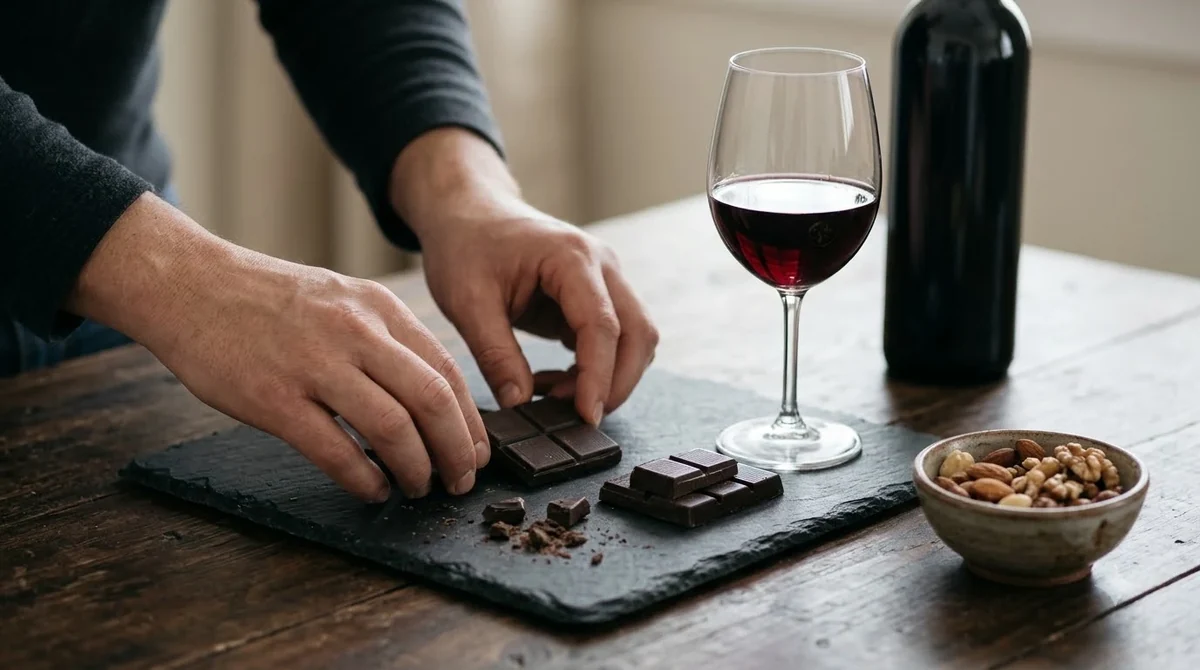
In a young bottle, the wine often displays bright red and purple pigments. The color may appear especially vivid around the rim, with a concentrated ruby center. Its fruit aromas commonly include fresh cherries, raspberries, blackberries, and plums. These characteristics are particularly noticeable in wines made primarily to preserve freshness rather than develop extensive oak-derived complexity.
As Barbera ages, its initial purple tones generally become less prominent. The wine can develop a more uniform ruby appearance, followed by garnet or brick-red reflections as it matures further. This progression is common among red wines because anthocyanins gradually undergo reactions that alter their color and stability.
Barbera d’Asti Superiore offers a useful example of how aging affects appearance. According to its regional consortium, this designation requires at least 14 months of aging from November 1 following harvest, including at least six months in wooden barrels and six months in the bottle. Its sensory description identifies ruby red as the typical color, with garnet developing over time.
Barbera d’Alba also has specific aging requirements. The regional agricultural authority states that the wine must undergo at least one year of aging. Its description identifies an intense ruby color that tends toward garnet as the wine matures. These production rules help explain why certain regional examples may show more developed color characteristics before reaching the consumer.
Oak aging influences more than appearance. Barrels can introduce oxygen gradually and contribute compounds that affect aroma, flavor, and mouthfeel. In Barbera d’Asti Superiore, the consortium identifies cinnamon, cocoa, and licorice among the aromas that may emerge through wood aging. These characteristics often accompany a more mature overall wine profile.
However, a garnet edge does not automatically mean that a bottle is past its best. It can be a normal sign of development, especially in a wine intended for aging. Likewise, a purple rim does not guarantee exceptional freshness if the bottle has been stored poorly. Color is one observation among several, and aroma, flavor, and storage history also matter.
Tip: Examine Barbera in a clear glass against a white background under natural or neutral lighting. Tilt the glass slightly and compare the center with the rim. A purple edge often indicates a younger appearance, while garnet or brick-red reflections can suggest greater maturity.
Barbera Compared With Other Red and White Wines
Barbera is generally darker than Pinot Noir and many light-bodied red wines, but its relatively low tannin levels distinguish it from some equally dark reds. Comparing color, acidity, and grape characteristics together gives a more accurate picture of its style.
Pinot Noir commonly displays translucent ruby or lighter garnet shades. It is known for low-to-medium tannin and high acidity, with red cherry, raspberry, and earthy characteristics in many expressions. Barbera typically has more concentrated pigmentation and a stronger dark-fruit profile, although both wines can be refreshing and food-friendly.
Cabernet Sauvignon usually produces deep ruby or garnet wines with high tannin. Its color can be comparable to Barbera, but its structural profile is different. Cabernet often has firmer tannins and more pronounced astringency, whereas Barbera generally relies more heavily on natural acidity for freshness.
Syrah also frequently displays deep purple or dark ruby color. Its tannin level is generally medium-plus to high, depending on the wine. Barbera can appear similarly dark while offering a softer tannin impression and a brighter, more pronounced acidic character.
White wines provide another useful contrast. Pinot Grigio typically ranges from pale straw to light yellow, while Moscato can show pale yellow or golden tones depending on the style. These wines have very different pigmentation because they are produced from grapes with different skin characteristics and often use winemaking methods that limit skin contact.
For additional comparisons, see our guides to pinot grigio color, moscato color, and cava color. Cava is especially interesting because its traditional bottle-fermented sparkling styles can range from pale straw to deeper golden shades, rather than the ruby and garnet tones associated with Barbera.
The following comparison summarizes the typical differences:
| Wine | Typical color | Tannin | Acidity |
|---|---|---|---|
| Barbera | Deep ruby to purple | Low | High |
| Pinot Noir | Light ruby to garnet | Low-medium | High |
| Cabernet Sauvignon | Deep ruby to garnet | High | Medium-high |
| Syrah | Deep purple to ruby | Medium-plus to high | Medium-high |
| Pinot Grigio | Pale straw to yellow | Very low | Medium-high |
These are typical varietal profiles, not universal rules. Climate, ripeness, extraction, blending, and aging can influence the appearance and structure of individual bottles. A concentrated Pinot Noir can look darker than a lighter Barbera, just as a particularly extracted Cabernet can appear almost opaque.
Serving Barbera and Pairing It With Food
Barbera’s deep ruby appearance accompanies a lively, fruit-forward red wine that works particularly well with tomato-based dishes, roasted meats, and savory Italian cooking. Its high acidity and relatively low tannin make it a versatile choice at the dinner table.
A practical serving temperature for Barbera is approximately 60–65°F, especially for fuller-bodied examples. This range allows its cherry, blackberry, and plum characteristics to remain expressive without making the alcohol seem overly prominent. A slightly cooler serving temperature can suit lighter, fresher versions, particularly during warmer weather.
Use a standard red wine glass with enough room to swirl the wine gently. A 5-ounce pour in a 750-milliliter bottle provides approximately five glasses. The glass should allow you to observe the wine’s ruby center and purple or garnet rim while giving its aromas room to develop.
Barbera’s acidity makes it a natural partner for tomato-based Italian dishes. Tomato sauce has substantial acidity of its own, so a fresh, high-acid wine is generally more successful than a soft, low-acid red. Barbera can complement pasta with tomato sauce, pizza, lasagna, and dishes featuring roasted peppers.
Its low tannin also makes it suitable for dishes involving savory meats and moderate amounts of fat. Salt and fat soften the perception of tannin, while Barbera’s acidity helps refresh the palate. Try it with grilled sausages, roast chicken, pork, beef ragù, or aged cheeses. The regional consortium specifically recommends aged and blue cheeses for Barbera d’Asti Superiore.
Traditional Piedmontese dishes offer particularly good combinations. Mushroom agnolotti, meat-filled ravioli, and slow-cooked beef preparations can complement the wine’s fruit and acidity. A more concentrated oak-aged Barbera can handle richer preparations, while a younger stainless-steel version often suits simpler pasta and pizza dishes.
Chili heat requires a little more care. Alcohol and tannin can amplify the sensation of spice, so heavily spiced dishes may overwhelm a concentrated Barbera. Choose a milder preparation or a less alcoholic, fruit-forward expression if the meal includes hot peppers. For oily fish, a crisp high-acid white wine is generally a safer choice because even relatively low-tannin reds can be difficult partners for strongly oily fish.
Storage also matters if you want to preserve the wine’s color and fruit character. Keep unopened bottles on their sides in a cool, dark place near 55°F, with relatively stable conditions. Excessive heat and repeated temperature fluctuations can accelerate unwanted aging and damage the wine’s aromas.
Once opened, reseal the bottle and refrigerate it. Most still red wines remain enjoyable for approximately three to five days, depending on their age, structure, and exposure to oxygen. Allow a refrigerated bottle to warm toward its recommended serving temperature before pouring another glass.
Frequently Asked Questions
Is Barbera always a dry red wine?
Most traditional Barbera wines are dry, although the grape can also be used for lightly sparkling expressions. Some Barbera del Monferrato styles are made with gentle natural effervescence, creating a different texture from conventional still reds. The designation and producer’s style provide useful clues about the finished wine.
Can Barbera wine look almost black in the glass?
Yes. Particularly concentrated examples can appear nearly opaque at the center of the glass under certain lighting conditions. This visual impression is especially common in wines made from ripe grapes with substantial color extraction. It does not necessarily indicate excessive tannin or an unusually heavy mouthfeel.
Does Barbera have the same color as Barbaresco?
No. Barbera is a grape variety, while Barbaresco is a Piedmontese wine designation made from Nebbiolo. Barbaresco is generally more garnet or brick-red in appearance, while Barbera commonly displays deeper ruby and purple shades. The two wines also differ considerably in their typical tannin structure.
Can Barbera be used to make rosé wine?
Yes. Barbera’s dark skins contain pigments that can be extracted to produce rosé when skin contact is limited. The resulting wine can display pink, salmon, or deeper cherry-pink tones depending on maceration and production decisions. Its naturally high acidity can also make it suitable for refreshing rosé styles.
Does the color of Barbera change after opening the bottle?
Yes. Exposure to oxygen can gradually change the wine’s appearance, sometimes producing less vivid red tones and more brownish or brick-like reflections. These changes are usually gradual, but excessive oxygen exposure can accelerate deterioration. A tightly resealed bottle stored in the refrigerator generally retains its character better than one left open at room temperature.
Barbera color is one of the grape’s most recognizable characteristics, combining deep ruby and purple shades in youth with garnet tones as the wine matures. Its naturally abundant anthocyanins explain the intense pigmentation, while high acidity and relatively low tannin create a style that is different from many other dark red wines. Whether you choose Barbera d’Asti, Barbera d’Alba, or an oak-aged Superiore, its appearance offers a useful introduction to one of Piedmont’s most distinctive grapes.
More in Wine Types & Grapes
 What Is Alicante Bouschet: The Rare Red-Fleshed Grape Behind Bold RedsUpdated Nov 21, 2026
 What Glass for Sparkling Wine Brings Out the Best Bubbles and AromaUpdated Nov 21, 2026
 What Glass for Sangria Works Best for Easy, Chilled ServingUpdated Nov 21, 2026
 What Does Vin Santo Taste Like? Flavor Profile, Styles, and Pairing GuideUpdated Nov 21, 2026
 What Glass for Sake Works Best to Unlock Every AromaUpdated Nov 21, 2026
 What Glass for Mulled Wine Keeps It Warm and Safe to HoldUpdated Nov 21, 2026