

We may earn a commission when you buy through links on this page, at no extra cost to you. Learn more.
If you are wondering what glass for sparkling wine works best overall, a tulip-shaped glass or a standard white wine glass is the top choice for capturing both aromas and bubbles. While tall flutes preserve effervescence well for casual toasts, their narrow rims trap delicate scents that give vintage Champagne, Crémant, and Franciacorta their complexity. A wider bowl with a gently tapered rim lets the wine open up while still keeping the fizz lively throughout the pour.
Walking into a wine bar or browsing a home bar cabinet, you will typically encounter three main silhouettes for bubbly: the tall flute, the vintage saucer-style coupe, and the curved tulip or universal white wine glass. Each shape alters how carbon dioxide escapes, how aromas gather near your nose, and where the liquid first lands on your tongue.
The Four Main Sparkling Wine Glass Shapes
Every sparkling wine glass balances two competing priorities: keeping bubbles active in the liquid and giving aromatic compounds enough surface area to evaporate toward your nose. Understanding how each bowl shape handles physics makes choosing the right stemware straightforward.
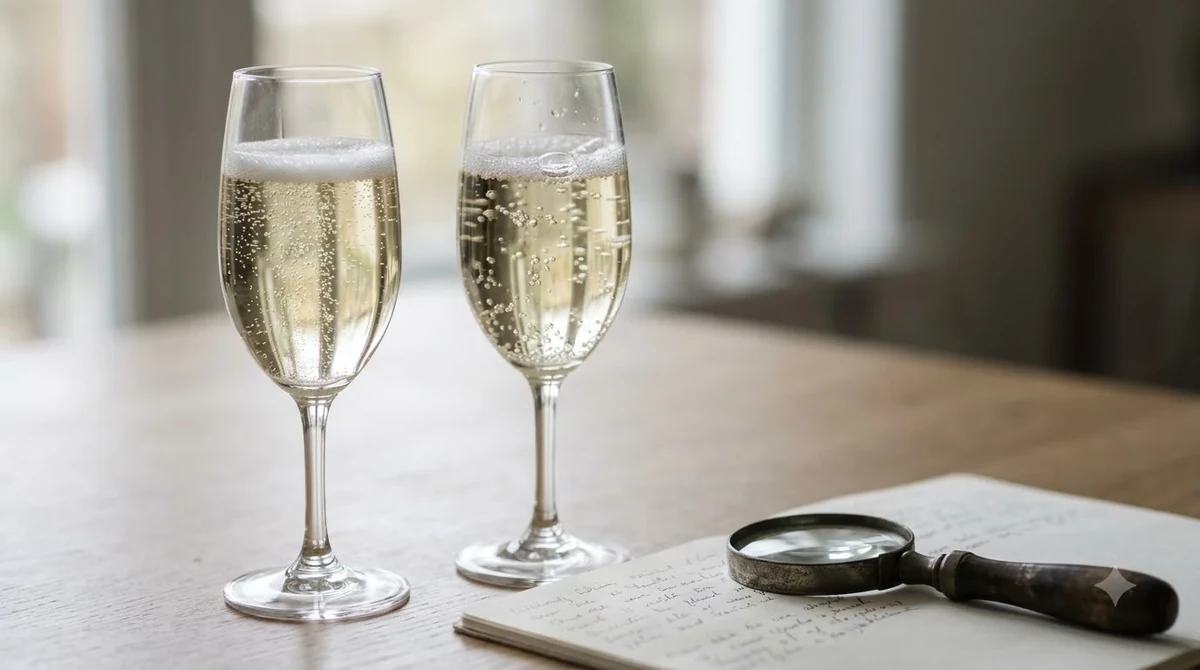
The tulip glass features a slender base that widens considerably in the middle before tapering inward at the rim. According to wine educators and sommeliers featured in Wine Enthusiast’s guide to Champagne glassware, this silhouette is widely preferred by professionals because the wider belly allows brioche, orchard fruit, and floral notes to develop while the narrower opening concentrates those scents and slows down bubble loss.
The standard white wine glass or universal tasting glass behaves very similarly to a tulip and is actually the vessel most Champagne producers use in their cellars when blending and evaluating base wines. Reviewers at Wine Folly note that high-end sparkling wines aged for years on their lees benefit enormously from a white wine bowl, which softens sharp acidity and reveals layered nuances that a skinny glass hides. If you already own well-proportioned universal stems, you do not need to buy dedicated bubbly glassware to drink great sparkling wine.
The classic flute is tall, cylindrical, and narrow from base to rim. Because it minimizes the surface area exposed to air, a flute keeps carbonation brisk and showcases steady streams of rising bubbles—making it popular for outdoor weddings, standing receptions, and fruit-forward bottles like Prosecco. However, the tight opening leaves almost no room for your nose when you tilt the glass to sip, muting the aromatic profile and directing sharp fizz straight to the tip of your tongue.
The coupe is a shallow, broad-rimmed saucer famous for vintage aesthetic appeal and cascading Champagne towers. Because the wide surface exposes nearly the entire pour to oxygen at once, bubbles dissipate rapidly and delicate aromas scatter into the room before you take a sip. Coupes are also notoriously easy to spill if you try to swirl the wine, though they remain fun for sparkling cocktails or purely celebratory retro parties.
Comparing Sparkling Wine Glass Styles at a Glance
Different occasions and bottle styles call for different glassware traits. The table below compares how the four primary shapes perform across bubble retention, aroma delivery, swirlability, and ideal wine pairings.
| Glass Shape | Bubble Retention | Aroma Expression | Best Wine Styles | Practicality |
|---|---|---|---|---|
| Tulip Glass | High | High | Vintage Champagne, Crémant, Cava Reserva, Franciacorta | Balanced stability, easy to swirl gently |
| White Wine / Universal | Moderate to High | Very High | Aged sparkling wines, Blanc de Noirs, sparkling rosé | Versatile across still and sparkling bottles |
| Traditional Flute | Very High | Low | Prosecco, Asti, crisp non-vintage Brut for toasts | Top-heavy and prone to tipping; hard to hand-wash |
| Vintage Coupe | Low | Low to Moderate | Sparkling wine cocktails, sweet sparkling wines, towers | Spills easily when walking or swirling |
Notice how the trade-off almost always comes down to visual sparkle versus aromatic depth. A narrow column preserves gas longer because fewer bubbles reach the surface simultaneously, whereas a curved bowl invites air contact that unlocks nutty, yeasty, and toasted aromas.
For home hosts who prefer keeping cabinet clutter low, a single set of crystal universal glasses covers red, white, rosé, and sparkling wines effortlessly. You gain superior tasting performance without needing to store tall, fragile stems that rarely fit on standard dishwasher racks.
Matching the Glass to the Style of Sparkling Wine
Not every bottle of bubbly benefits from a wide bowl, and not every bottle suffers in a flute. Matching your stemware to how the wine was made brings out the strongest qualities in the bottle.
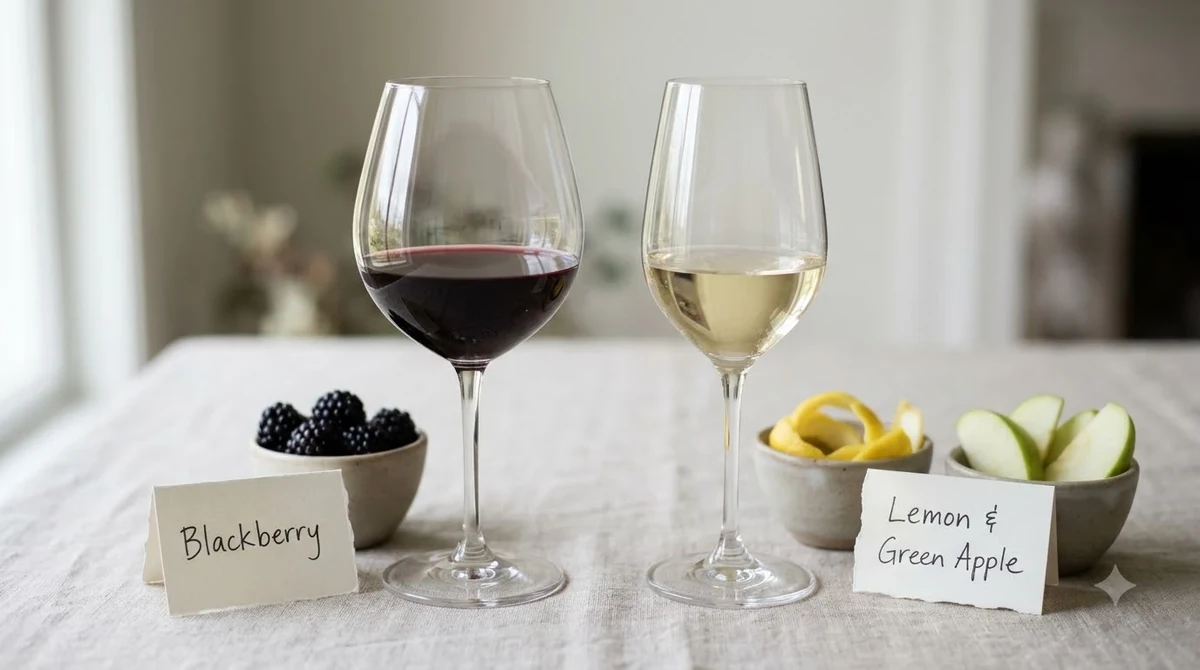
Traditional-method sparkling wines—such as Champagne, Cava, Crémant, Franciacorta, and American sparkling wines fermented inside the bottle—spend months or years resting on spent yeast cells (lees). That extended aging creates complex aromas of toasted brioche, roasted hazelnuts, baked apple, and chalky minerality. Serving these bottles in a tulip or white wine glass gives those secondary aromas room to unfurl rather than trapping them beneath a wall of carbonation.
Tank-method sparkling wines like Prosecco and Lambrusco are fermented in pressurized stainless-steel tanks to preserve bright, fresh primary fruit flavors such as green pear, white peach, melon, and citrus blossom. Because these wines rely on youthful freshness and lively spritz rather than aged yeast complexity, a slender flute or a narrow tulip keeps the bubbles energetic and highlights their crisp, refreshing finish.
Rosé and fuller-bodied sparkling wines, including Blanc de Noirs made predominantly from Pinot Noir or Pinot Meunier, carry extra texture, berry fruit, and subtle phenolic structure. If you are exploring what sparkling rosé offers in terms of body and red-fruit aromatics, pouring it into a tulip glass or even a slightly broader white wine glass lets those strawberry, blood orange, and spice notes shine alongside the mousse.
How Glass Material, Rim Thickness, and Nucleation Affect Your Pour
Beyond the silhouette of the bowl, subtle manufacturing details change how sparkling wine feels on your palate and looks in the glass. Paying attention to glass thickness and internal etching explains why two similarly shaped glasses can perform very differently.
Lead-free crystal versus standard soda-lime glass comes down to wall thinness and durability. Standard glass requires thicker walls to resist chipping, which creates a heavier rolled lip at the rim that interrupts the smooth flow of wine onto your tongue. Modern lead-free crystal uses titanium or magnesium reinforcement so glassmakers can pull ultra-thin rims that deliver wine cleanly while staying durable enough for regular home care.
Laser-etched nucleation points are tiny, barely visible scratches placed intentionally at the very bottom interior of quality sparkling wine glasses. Dissolved carbon dioxide needs microscopic imperfections to form bubbles; without a nucleation site, gas escapes erratically or clings to stray lint particles. A laser-etched point produces a steady, pinpoint stream of fine bubbles rising straight up the center of the glass, preserving visual elegance even inside a wider white wine bowl.
Tip: Avoid using rinse aids or heavily scented dish detergents on sparkling wine glasses, because microscopic surfactant residue coats the interior glass and immediately flattens the foam and bubble stream.
Proper Pouring, Temperature, and Handling Habits
Even the finest crystal tulip cannot rescue a pour that is served too warm or handled incorrectly. A few simple serving habits protect both the carbonation and the aromatic profile from the moment you pop the cork.
Temperature plays a decisive role in how bubbles behave in any glass shape. Understanding whether sparkling wine should be chilled helps prevent foaming over: cold liquid holds dissolved carbon dioxide far better than warm liquid, so chilling bottles to roughly 40 to 45 degrees Fahrenheit keeps the mousse fine and controlled, while richer vintage bottles can warm slightly in a tulip glass to around 48 to 50 degrees Fahrenheit to release deeper aromas.
When pouring, hold the glass at a slight 45-degree angle and pour slowly down the inside wall rather than straight into the center of the bowl. Pouring in two gentle stages—letting the initial foam subside before topping up to about one-third or one-half full—prevents overflow and leaves ample headspace above the liquid for aromas to collect. Always hold the glass by the stem or base so the warmth of your palm never heats the bowl.
If you are hosting a mixed tasting alongside still bottles from a broader guide to wine by type, rinse your glasses with plain warm water and polish them dry with a lint-free microfiber cloth before pouring bubbly. Any lingering dust or detergent film disrupts bubble formation the second the wine hits the glass.
Frequently Asked Questions
Can I drink Champagne out of a regular white wine glass?
Yes, a standard white wine glass is actually preferred by many sommeliers and Champagne winemakers for tasting fine sparkling wine. The wider bowl allows complex aromas of toast, citrus, and orchard fruit to open up, while the tapered rim still concentrates scents toward your nose.
Why are Champagne flutes falling out of favor with wine experts?
Traditional flutes are too narrow to let aromas develop or allow your nose inside the rim when you sip. While they keep bubbles visible for a long time, they tend to mute subtle flavors and direct sharp carbonation straight to the front of your palate.
Are stemless sparkling wine glasses a good option?
Stemless tulip glasses are sturdy, dishwasher-friendly, and great for casual gatherings where tall stems might tip over. Their main drawback is that holding the bowl transfers heat from your hand into the wine, which warms the pour faster and causes bubbles to dissipate sooner.
How full should you fill a sparkling wine glass?
Fill a tulip or white wine glass between one-third and one-half full, which typically equals a standard four- to five-ounce pour. Leaving plenty of empty space at the top traps aromatic compounds inside the bowl and keeps the wine cold before you finish the glass.
Choosing the right glass comes down to matching the vessel to the bottle in front of you and the mood of the occasion. Reach for a tulip or white wine glass whenever you want to savor every layer of aroma and texture, and save tall flutes or vintage coupes for brisk, celebratory toasts.
More in Wine Types & Grapes
 Zinfandel Sugar Content: Dry Red vs. White Zinfandel GramsUpdated Nov 21, 2026
 Best Zinfandel Substitute Options for Sipping and CookingUpdated Nov 21, 2026
 Zweigelt Food Pairing: Best Dishes, Cheeses, and Serving TipsUpdated Nov 21, 2026
 Zinfandel Tannins Explained: How Structure Shapes Every BottleUpdated Nov 21, 2026
 Zinfandel Sweetness Level: Dry Red vs. Sweet White Zin ExplainedUpdated Nov 21, 2026
 Xinomavro Food Pairing: Best Dishes, Styles, and Serving TipsUpdated Nov 21, 2026