

We may earn a commission when you buy through links on this page, at no extra cost to you. Learn more.
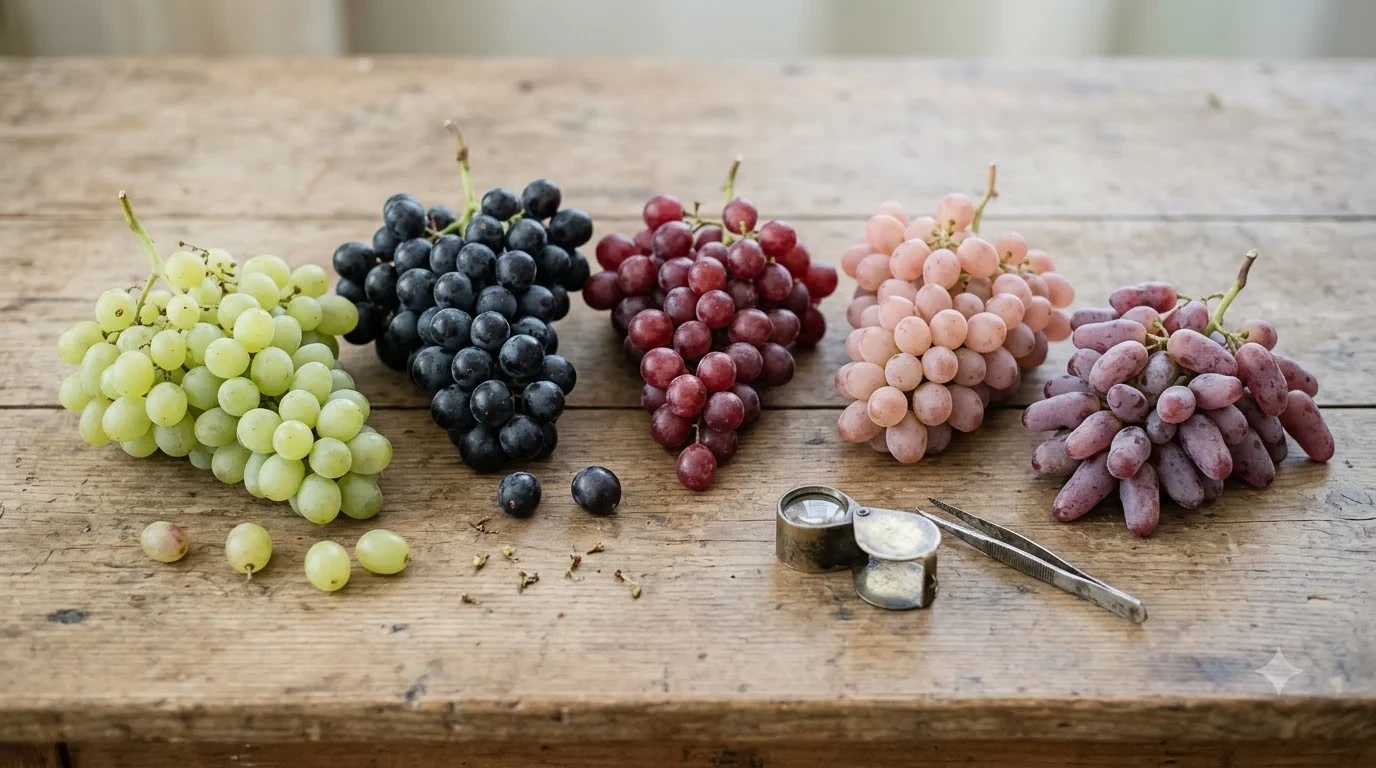
If you are wondering what is alicante bouschet, it is a rare red-fleshed wine grape—known in viticulture as a teinturier variety—that produces deeply pigmented, full-bodied red wines with bold dark fruit and firm tannins. Created in southern France in the mid-19th century by crossing Grenache with Petit Bouschet, this thick-skinned grape contains anthocyanin color pigments in both its pulp and its skin. Today, it is prized for single-varietal bottlings in Portugal’s Alentejo region, vibrant blends in Spain under the name Garnacha Tintorera, and heritage old-vine bottlings in California.
Most red wines get their ruby or garnet hue entirely from prolonged contact with grape skins during fermentation, because the juice inside nearly all red wine grapes is actually clear. Alicante Bouschet breaks that rule by bleeding deep purple juice the moment a berry is crushed, giving winemakers extraordinary color density and concentration even before skin maceration begins.
What it is
Alicante Bouschet is a teinturier wine grape—a French term derived from the word for dye—meaning its flesh and juice are naturally pigmented red alongside its dark skins. Originally bred in southern France by botanist Henri Bouschet by crossing Grenache with Petit Bouschet (a variety his father, Louis Bouschet, had created earlier), the grape was engineered specifically to deliver intense color and high vineyard yields.
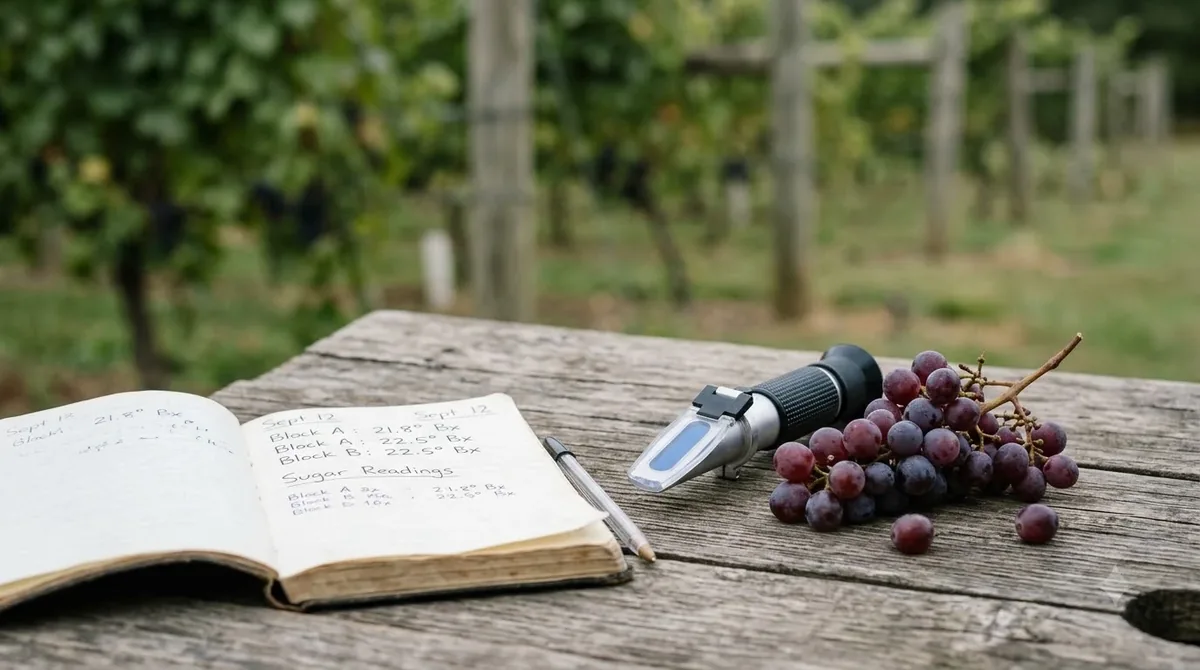
Following the devastating phylloxera louse epidemic in the late 19th century, European growers planted Alicante Bouschet widely to rebuild depleted vineyards quickly. Because its berries produced dark juice effortlessly and ripened reliably in warm climates, winemakers relied on it as a blending workhorse to add color and body to lighter red wines across France and the Iberian Peninsula.
In the United States, Alicante Bouschet played a central role during Prohibition in the 1920s. Its remarkably thick skins allowed fresh fruit to survive cross-country rail journeys from California’s Central Valley to East Coast markets without spoiling, while its pigmented pulp yielded dark liquid even after multiple pressings or dehydration into commercial grape bricks.
For decades afterward, that mass-market history left the grape with a reputation for rustic bulk wine rather than fine bottling. Modern viticulture has reversed that perception: when growers aggressively prune the vigorous vines to restrict yields, the resulting concentrated fruit produces structured, age-worthy wines that stand comfortably alongside Syrah, Zinfandel, and Cabernet Sauvignon.
Flavor and styles
On the palate, dry red wines made from Alicante Bouschet deliver full body, medium-high tannins, medium acidity, and alcohol levels typically ranging from 13.5 to 15 percent ABV. According to Wine Folly, primary flavor notes center on black cherry, blackberry bramble, black plum, cracked black pepper, and sweet tobacco.
Climate and oak aging heavily influence how those core flavors express themselves in the glass. In warmer, sun-drenched growing zones, the grape produces plush, fruit-forward reds bursting with jammy dark berries, cocoa, and baking spice that feel generous and approachable in their youth.
When grown at higher elevations or on cooler, rocky soils, the grape retains sharper natural acidity and firmer structural grip. Winemakers frequently age these structured lots in French or American oak barrels, which softens the assertive tannins while layering notes of vanilla, toasted cedar, and subtle smoke over the dense purple fruit.
Beyond dry single-varietal reds, producers also incorporate Alicante Bouschet into different styles of wine, including structured regional red blends, deeply colored dry rosés, and occasional sweet fortified bottlings. With five to ten years or more of bottle age, top examples shed their youthful primary fruit in favor of dried fig, leather, forest floor, and savory herbal complexity.
Where it grows
Alicante Bouschet thrives in warm, dry, sun-drenched Mediterranean climates where its late-ripening clusters can reach full phenolic maturity without losing natural freshness. While its acreage has shrunk in its native southern France, the variety flourishes across Portugal, Spain, and select pockets of California and South America.
Portugal’s warm, inland Alentejo region has emerged as the grape’s spiritual home for fine, single-varietal winemaking. As Wine Enthusiast reports, pioneering estates in Alentejo planted the variety in the late 1800s, and contemporary producers prize how schist and granite soils give the wine imposing structure alongside balanced acidity.
Across the border in Spain, the grape is widely cultivated under the synonym Garnacha Tintorera, particularly in the high-altitude vineyards of Almansa within Castilla-La Mancha. Spanish winemakers bottle Garnacha Tintorera both on its own and alongside Monastrell and Tempranillo, producing juicy, dark-fruited reds that mirror the approachable warmth of central Spanish wine regions.
In France, Alicante Bouschet remains mostly a supporting player in Languedoc-Roussillon, Provence, and Corsica, adding color and midpalate weight to traditional southern blends. Meanwhile, California retains just under 1,000 acres—many of them gnarled, dry-farmed old vines in Lodi, Madera, and the Sierra Foothills—and Chilean producers increasingly bottle concentrated expressions from Maule and Colchagua.
| Growing Region | Local Name | Typical Style | Key Flavor Notes |
|---|---|---|---|
| Alentejo, Portugal | Alicante Bouschet | Full-bodied, structured varietal reds and flagship blends | Black plum, blackberry, cocoa, dried herbs, firm mineral finish |
| Almansa, Spain | Garnacha Tintorera | Plush, fruit-forward single-varietal wines and Monastrell blends | Ripe black cherry, bramble fruit, sweet spice, licorice |
| Languedoc-Roussillon, France | Alicante Henri Bouschet | Earthy regional red blends | Dark berries, garrigue herbs, black pepper, rustic earth |
| Lodi and Sierra Foothills, California | Alicante Bouschet | Rich, juicy old-vine bottlings | Blackberry jam, sweet tobacco, vanilla bean, dark chocolate |
How to serve
Serve Alicante Bouschet slightly below room temperature at 60 to 68 degrees Fahrenheit (15 to 20 degrees Celsius) in a large, oversized red wine glass. Giving the wine brief aeration before pouring allows its dense tannins to relax and opens up its layered dark-fruit aromatics.
Because the grape naturally carries high alcohol and substantial phenolic extraction, serving it too warm can make the finish feel heavy or overly alcoholic. Placing the bottle in the refrigerator for 20 to 30 minutes prior to opening brings it right into the ideal cellar temperature range, keeping the black fruit crisp and the natural acidity lively.
Younger, heavily structured bottles—especially barrel-aged reservas from Portugal or old-vine California bottlings—benefit noticeably from 30 to 60 minutes in a wide-bottomed decanter. Exposure to oxygen softens the firm tannic grip on the midpalate and reveals savory secondary notes of tobacco leaf, sage, and dark cocoa.
Tip: Because Alicante Bouschet contains dense anthocyanin pigments in both its skin and pulp, it will stain teeth, lips, and natural fabrics faster than almost any other red wine—keep sparkling water handy at the table and decant carefully over a dark towel.
Food pairing
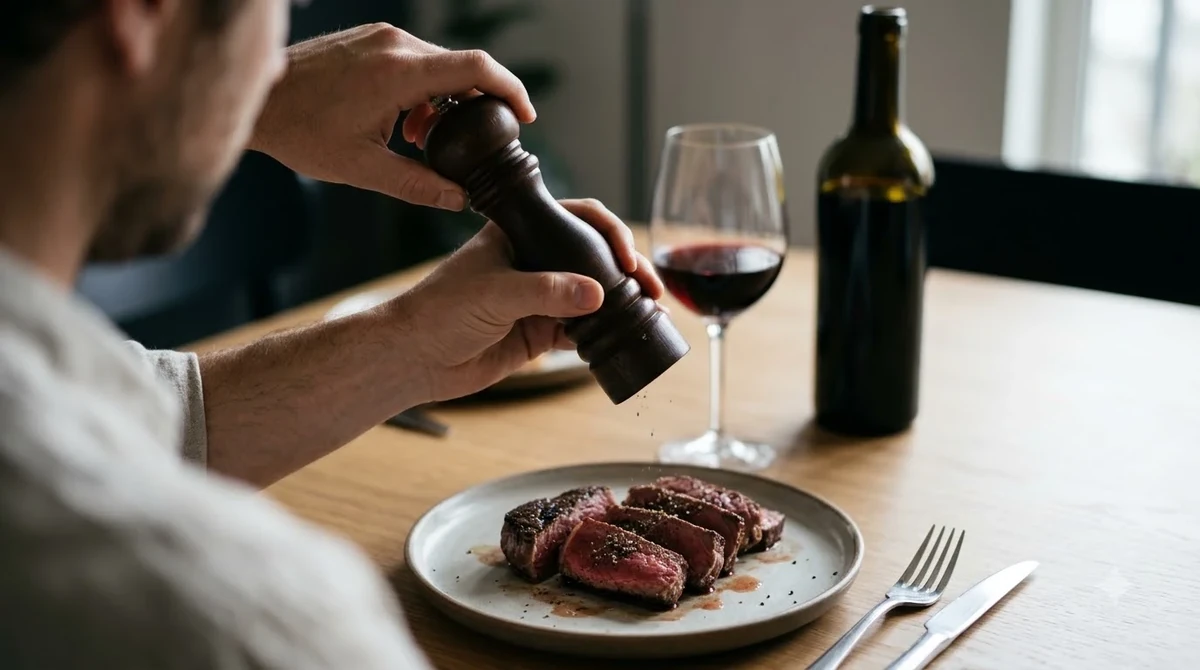
Alicante Bouschet pairs best with rich, savory, and smoky dishes whose fat, salt, and char balance the wine’s firm tannins and concentrated dark fruit. Grilled meats, slow-braised stews, and aged hard cheeses match its full-bodied weight without letting the wine overpower the plate.
Barbecue and open-fire cooking are natural companions for this grape. The smoky-sweet glaze on ribs, brisket, or carne asada mirrors the wine’s notes of sweet tobacco and black plum, while the rendered fat coats the palate and smooths out medium-high tannins.
Traditional Iberian comfort foods highlight the wine’s regional roots just as effectively. Slow-roasted lamb seasoned with rosemary, pork alentejana cooked with clams and paprika, or hearty beef ragù tossed with wide pappardelle pasta all stand up to its dense structure. For more specific menu combinations across different bottle styles, explore our complete guide to alicante bouschet food pairing.
Vegetarian cooks can lean on earthy, umami-rich ingredients to achieve the same structural harmony. Charred portobello mushrooms, roasted eggplant, black bean dishes, and wedges of aged Manchego or sharp cheddar provide plenty of savory depth alongside a glass of dry Alicante Bouschet.
How to choose a bottle
When shopping for Alicante Bouschet, look at the region of origin, vine age, and label terminology to match the bottle to your palate. Because the grape can produce thin wine when over-cropped, choosing producers known for low-yield viticulture makes a dramatic difference in quality.
Start with Portugal’s Alentejo or Alentejano denominations if you want a flagship, cellar-worthy expression. Bottles labeled “Reserva” or sourced from old vineyards typically spend time in oak barrels, offering polished tannins, concentrated blackberry fruit, and aging potential spanning a decade or more. If you enjoy building a mixed case of Portuguese wines, pairing a bold Alentejo red alongside a crisp, mineral-driven white like arinto wine gives you versatile options for every course.
For an approachable weeknight pour with generous fruit and supple texture, look toward Spanish bottles labeled Garnacha Tintorera from Almansa or California bottlings citing old-vine Lodi or Sierra Foothills fruit. Checking the back label for alcohol levels around 14 to 14.5 percent ABV and notes of French or American oak aging will reliably point you toward rich, balanced examples rather than overly rustic table blends.
Frequently Asked Questions
Is Alicante Bouschet sweet or dry?
The vast majority of Alicante Bouschet wines are fermented completely dry, containing very little residual sugar. However, its ripe black cherry, blackberry, and vanilla oak notes can create an impression of rich fruit sweetness on the midpalate. Occasional sweet fortified versions exist in southern Europe, so check the label for terms like “doux” or “fortified” if you want a dessert style.
Why does Alicante Bouschet have red flesh?
Alicante Bouschet belongs to a small botanical group of grapes called teinturiers, which carry red anthocyanin pigments inside their pulp as well as their skins. French botanist Henri Bouschet deliberately bred this trait into the grape in the 1800s by crossing Grenache with Petit Bouschet, another red-fleshed variety created by his father.
What does Alicante Bouschet taste like compared to Cabernet Sauvignon?
Both grapes produce full-bodied, deeply colored dry red wines with firm tannins, making Alicante Bouschet an easy transition for Cabernet Sauvignon fans. Compared to Cabernet’s signature notes of cassis, bell pepper, and graphite, Alicante Bouschet leans toward riper black plum, blackberry bramble, sweet tobacco, and cracked black pepper with slightly softer acidity.
Is Alicante Bouschet the same grape as Garnacha Tintorera?
Yes, Garnacha Tintorera is the official Spanish name for Alicante Bouschet. While both names refer to the exact same grape variety, Spanish bottlings labeled Garnacha Tintorera from regions like Almansa often emphasize plush, juicy dark fruit, whereas Portuguese Alicante Bouschet tends to highlight denser structure and mineral grip.
Whether poured from an old-vine California cellar or an Alentejo estate, Alicante Bouschet offers red wine drinkers an unmistakable combination of inky color, generous dark fruit, and savory structure. Pick up a bottle from Portugal or Spain for your next grilled dinner to experience firsthand what sets this rare red-fleshed variety apart.
More in Wine Types & Grapes
 Zinfandel Sugar Content: Dry Red vs. White Zinfandel GramsUpdated Nov 21, 2026
 Best Zinfandel Substitute Options for Sipping and CookingUpdated Nov 21, 2026
 Zweigelt Food Pairing: Best Dishes, Cheeses, and Serving TipsUpdated Nov 21, 2026
 Zinfandel Tannins Explained: How Structure Shapes Every BottleUpdated Nov 21, 2026
 Zinfandel Sweetness Level: Dry Red vs. Sweet White Zin ExplainedUpdated Nov 21, 2026
 Xinomavro Food Pairing: Best Dishes, Styles, and Serving TipsUpdated Nov 21, 2026