


We may earn a commission when you buy through links on this page, at no extra cost to you. Learn more.
Alicante Bouschet food pairing works best with grilled beef, lamb, slow-cooked pork, barbecue, hearty stews, and aged cheeses. This full-bodied red grape produces deeply colored wines with dark-fruit flavors, medium acidity, and medium-high tannins. Rich, savory dishes complement its structure, while smoky seasonings, herbs, and roasted ingredients bring out its complex flavors. For the best results, match the intensity of the food to the weight of the wine.
Alicante Bouschet deserves more attention at the dinner table than its reputation as a blending grape might suggest. Particularly associated with Portugal’s Alentejo region, it produces substantial reds that can offer black cherry, blackberry, plum, pepper, and tobacco notes. Its combination of body, fruit concentration, and firm tannins makes it especially useful with substantial meals. Whether you are preparing grilled steak, a traditional Portuguese pork dish, or a vegetarian bean stew, understanding the grape’s structure will help you find satisfying combinations.
Understanding Alicante Bouschet’s Flavor and Structure
Alicante Bouschet is a dry, full-bodied red wine grape with medium-high tannins and medium acidity in its typical expression. Its dark fruit character and substantial texture make it a natural companion for foods with rich flavors, protein, fat, and roasted or smoky elements.
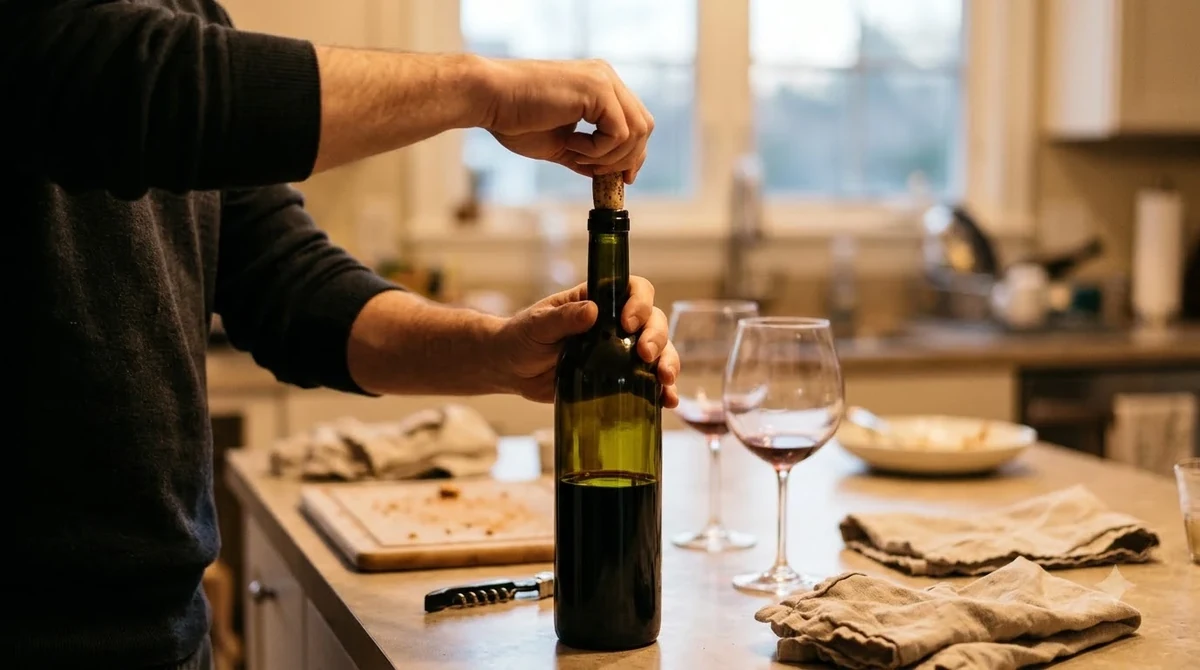
The grape has an unusual characteristic: it is a teinturier variety, meaning its flesh is red as well as its skin. French grower Henri Bouschet developed it in 1855 by crossing Grenache with Petit Bouschet. Although it originated in southern France, Alicante Bouschet has become particularly important in Portugal, especially in Alentejo. Spanish producers also grow it under the name Garnacha Tintorera.
Typical flavor descriptions include black cherry, blackberry, black plum, black pepper, and sweet tobacco. Depending on the growing conditions and winemaking, the wine can also show earthy, herbal, smoky, and cocoa-like characteristics. Oak maturation may introduce additional notes of vanilla, toast, and spice. These flavors help explain why the grape works particularly well with charred meat, slow-cooked dishes, and savory sauces.
The wine’s structure matters just as much as its aromas. Medium-high tannins create a drying sensation that becomes more noticeable when the wine is consumed without food. Protein and fat in meat and cheese soften the perception of tannin, making rich dishes especially effective partners. Its medium acidity provides freshness, although it generally does not have the sharp, citrus-driven character of Sauvignon Blanc or Riesling.
Alcohol is another consideration. Wine Folly gives a typical range of 13.5–15% ABV, although individual bottles can fall outside it. That concentration can make particularly hot chili dishes taste hotter and can overwhelm delicate ingredients. Moderate seasoning, roasted aromatics, and rich textures generally create more comfortable combinations.
There are also meaningful differences between bottles. A young, concentrated Alentejo Alicante Bouschet may have firmer tannins than a softer, fruit-forward example from another region. A wine matured in oak can show additional smoky and sweet-spice notes, while a fresher style may emphasize fruit and acidity. For broader comparisons with other grapes, the Wine by Type resource provides a useful starting point.
Grilled Beef, Steak, and Barbecue
Grilled beef is one of the strongest matches for Alicante Bouschet because protein and fat soften its medium-high tannins while charred flavors complement its dark fruit and pepper characteristics. Ribeye, strip steak, brisket, and smoked barbecue are particularly good choices.
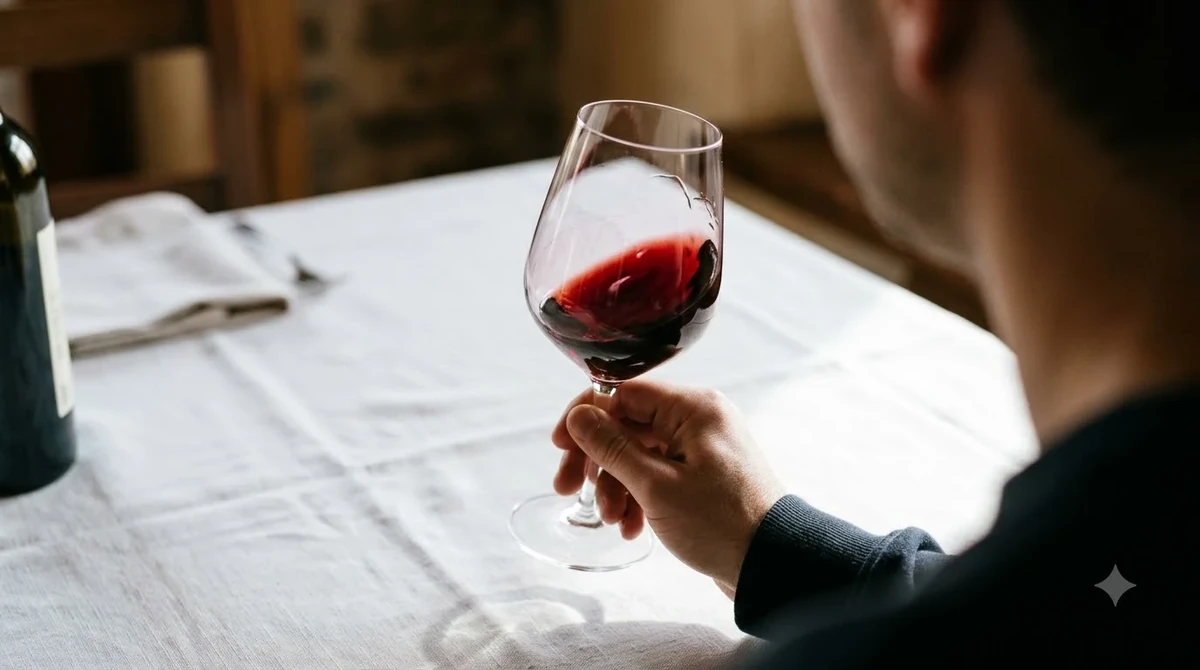
Ribeye is especially suitable because its generous marbling provides richness that balances the wine’s drying structure. Season the steak with salt, black pepper, garlic, and rosemary, then grill it until a flavorful crust develops. The caramelized exterior adds savory depth, while the fat helps make the tannins feel smoother. A medium-bodied Cabernet Sauvignon can also work, but Alicante Bouschet brings a distinctive dark-fruit and earthy profile to the combination.
New York strip steak is another reliable option. Its combination of moderate marbling and firm texture stands up well to a concentrated red. A simple preparation with coarse salt, cracked pepper, and a little olive oil allows the wine’s black cherry and blackberry flavors to remain noticeable. Serve it with roasted potatoes or grilled mushrooms for additional savory character.
Smoked meats and barbecue sauces
Smoked brisket, beef short ribs, and slow-cooked beef cheeks offer excellent alternatives to steak. Their long cooking times create tender textures and concentrated flavors that suit the wine’s substantial body. Hickory or oak smoke can also connect with the spicy and tobacco-like aromas found in some Alicante Bouschet wines.
Barbecue sauce requires a little more attention. A moderately sweet tomato-based sauce with vinegar, mustard, and smoked paprika can work well, particularly when the wine has ripe fruit. However, an extremely sugary sauce may make a dry red taste more bitter and astringent. Keep the sweetness restrained and let the smoky, savory ingredients do most of the work.
Carne asada is another natural partner. The combination of grilled beef, cumin, garlic, lime, and cilantro offers enough intensity for a concentrated red. Use lime sparingly because highly acidic ingredients can make a wine with lower acidity seem less fresh. A small amount of citrus alongside grilled onions and peppers provides a more balanced result.
Lamb, Pork, and Traditional Portuguese Dishes
Lamb and pork are excellent partners for Alicante Bouschet because their rich textures, roasted flavors, and savory seasonings complement the wine’s tannins and dark fruit. Roasted lamb shoulder, pork ribs, grilled sausages, and traditional Alentejo preparations are particularly suitable.
Roasted lamb shoulder is a classic choice. Cook it slowly with garlic, rosemary, thyme, black pepper, and olive oil until the meat becomes tender. The herbs highlight the wine’s savory character, while the meat’s natural fat softens its tannins. A concentrated bottle from Alentejo can stand up to the richness without disappearing behind the food.
Lamb chops provide a quicker alternative. Grill them over medium-high heat until the outside develops a browned crust, then rest the meat before serving. Garlic, rosemary, and a restrained amount of black pepper are sufficient seasonings. Avoid excessively hot chili rubs, particularly with higher-alcohol bottles, because alcohol and tannin can intensify the sensation of heat.
Pork preparations worth trying
Pork belly, grilled pork ribs, and slow-roasted pork shoulder are all suitable choices. Their fat content helps soften tannin, while caramelized edges create a complementary roasted flavor. A marinade with garlic, smoked paprika, olive oil, and oregano gives the meat a savory profile without making the combination too sweet.
Portuguese cuisine offers particularly useful inspiration. Decanter identifies porco preto, Portugal’s black pork, as a good partner for Alentejo reds. The publication also highlights carne de porco à alentejana, a regional pork and clam preparation, and cozido, a substantial simmered dish containing meats and chickpeas. These combinations demonstrate how the grape’s regional food culture can guide everyday pairing decisions. See Decanter’s Alentejo red wine tasting and food recommendations for further regional pairing ideas.
For a more traditional meal, try ensopado de borrego, a Portuguese lamb stew. Its tender lamb, broth, and aromatic seasonings suit a structured red particularly well. The wine can complement the savory depth of the dish without requiring elaborate sauces or strong spices.
Grilled sausages are another practical choice for informal dinners. Pork sausage with fennel, garlic, or smoked paprika offers enough seasoning to complement Alicante Bouschet. Serve with white beans, roasted peppers, or crusty bread to complete the meal.
Cheese, Mushrooms, and Vegetarian Pairings
Alicante Bouschet can pair successfully with vegetarian food when the dish has substantial texture and savory depth. Aged cheese, mushrooms, roasted eggplant, lentils, and hearty beans provide the intensity needed to match a full-bodied red with firm tannins.
Aged sheep’s milk cheese is an especially appealing option. Portuguese sheep’s milk cheeses, including firm and mature styles, offer concentrated savory flavors that complement dark-fruit reds. Aged Manchego is another useful choice, with its firm texture, nutty notes, and lingering finish. The salt and fat in mature cheese help soften the wine’s tannins.
Hard cheeses such as aged cheddar and Parmesan can also work well. Choose versions with developed savory flavors rather than very mild, fresh cheeses. Strong blue cheese is less predictable: its saltiness can be appealing, but its pungency may dominate a fruit-forward Alicante Bouschet. Start with a small serving if you want to experiment.
Mushrooms and roasted vegetables
Portobello mushrooms are excellent meat-free partners. Their substantial texture and earthy flavor make them suitable for grilling or roasting. Brush them with olive oil, garlic, thyme, and black pepper, then cook until tender and browned. Their savory character provides a satisfying bridge between the wine’s fruit and its earthy notes.
Roasted eggplant is another strong candidate. Cut it into thick slices, season with olive oil, garlic, rosemary, and salt, and roast until the surface becomes golden. The soft interior and browned edges create a rich texture that works particularly well with concentrated red wines. Grilled zucchini, charred red peppers, and caramelized onions can complete the plate.
Beans and lentils provide an even heartier option. A white bean casserole with tomatoes, smoked paprika, garlic, and herbs has enough flavor to stand up to Alicante Bouschet. Lentil stew with mushrooms and roasted carrots offers a similar result, especially when prepared with vegetable stock and a modest amount of olive oil.
For a complete vegetarian dinner, combine roasted eggplant, white beans, mushrooms, and tomatoes in a baking dish. Add rosemary, thyme, garlic, and a little olive oil, then bake until the ingredients are tender and the top develops a browned surface. The dish offers richness, earthy flavors, and sufficient intensity for the wine.
Tip: Build vegetarian pairings around mushrooms, beans, roasted vegetables, and aged cheese rather than delicate leafy salads. These ingredients provide the texture and savory concentration needed to balance Alicante Bouschet’s tannins and full body.
Spicy Food, Sauces, and Seasoning Choices
Alicante Bouschet works best with moderately seasoned food rather than extremely hot dishes. Black pepper, smoked paprika, garlic, cumin, rosemary, and thyme complement its flavor profile, while excessive chili heat can make its alcohol and tannins seem more aggressive.
Smoked paprika is one of the most useful seasonings for this wine. It creates a connection between the wine’s dark fruit and its potential smoky characteristics without requiring a heavily sweet sauce. Use it with grilled beef, pork shoulder, roasted potatoes, or baked beans.
Black pepper and garlic also provide reliable results. A pepper-crusted steak, garlic-roasted lamb, or pork tenderloin with rosemary offers sufficient intensity without overwhelming the wine. Fresh herbs such as oregano and thyme can add aromatic freshness to the plate.
Teriyaki and sweet-savory flavors
Teriyaki beef can work with Alicante Bouschet when the sauce is balanced rather than excessively sweet. Soy sauce, ginger, garlic, and a restrained amount of sugar create savory depth that complements the grape’s fruit. Grilled beef skewers with teriyaki glaze are a convenient option for casual meals.
Sweetness should remain controlled. A heavily sweet glaze can make a dry wine taste harder and less fruity. If the sauce is already sweet, add savory elements such as sesame, garlic, black pepper, or grilled scallions to create a better balance.
Managing chili heat
Moderately spicy barbecue, paprika-seasoned sausage, and mildly spicy grilled beef can work. However, dishes dominated by habanero, ghost pepper, or large quantities of hot chili are less suitable. Higher alcohol and tannin can amplify perceived heat, making the meal uncomfortable rather than complementary.
For a spicy dinner, reduce the chili and increase the richness of the preparation. Yogurt-based accompaniments, beans, olive oil, and roasted vegetables can soften the overall impression of the dish. A fruit-forward Alicante Bouschet is generally a more forgiving choice than a particularly firm, oak-heavy example.
Tomato-based sauces deserve similar consideration. Their acidity can make a wine with moderate acidity seem softer, so avoid extremely sour preparations. A slow-cooked tomato and beef sauce with olive oil, herbs, and garlic provides a better balance than a sharp, vinegar-heavy sauce.
Serving Temperature, Decanting, and Meal Planning
Serve Alicante Bouschet at approximately 60–65°F for a balanced experience, and consider decanting young, concentrated examples for 30–60 minutes. These steps help reveal the wine’s fruit, soften its initial impression, and make it more comfortable alongside substantial food.
Temperature has a noticeable effect on the wine. Serving it too warm can emphasize alcohol and make the finish seem heavy. Serving it too cold can make tannins feel firmer and reduce the expression of dark fruit. A slightly cool room-temperature serving is generally a sensible starting point.
Wine Folly gives a broader serving recommendation of 60–68°F and suggests approximately 30 minutes of decanting. Individual bottles vary, so a younger, concentrated example may benefit from additional aeration, while a mature wine may need less. For most full-bodied examples, a large red-wine glass gives the aromas sufficient room to develop. Its Alicante Bouschet grape profile also outlines the variety’s typical flavor and food-pairing characteristics.
Practical serving guidelines
| Serving detail | Recommendation | Why it matters |
|---|---|---|
| Serving temperature | 60–65°F | Balances fruit, alcohol, and tannin |
| Decanting | 30–60 minutes for young full reds | Allows aromas to open |
| Glassware | Large red-wine glass | Provides room for aromatic development |
| Pour size | 5 oz | Leaves room for swirling |
| Bottle size | 750 ml | Approximately five standard glasses |
| Storage temperature | Near 55°F | Helps maintain wine quality |
| Opened bottle | Refrigerate for 3–5 days | Slows oxidation in still wine |
Meal planning should follow the same principle of matching intensity. For a dinner party, start with mature cheese and grilled bread, serve roasted lamb or beef as the main course, and finish with a savory mushroom or bean dish if you want an additional course. Avoid making every dish heavily seasoned, because the wine needs enough space to show its fruit and aromatic complexity.
For an informal barbecue, prepare ribeye, smoked pork ribs, grilled peppers, and roasted potatoes. One bottle of 750 ml provides approximately five standard 5 oz servings, making it straightforward to plan portions. If the meal includes several guests, calculate the number of bottles according to the number of people drinking wine and the number of servings required.
Leftover wine should be recorked or sealed and stored in the refrigerator. Most opened still wines remain suitable for approximately 3–5 days, depending on their condition and exposure to air. Allow a refrigerated bottle to warm slightly before serving it again.
Choosing between different Alicante Bouschet styles
A young, fruit-forward bottle is generally a good choice for barbecue, grilled sausages, and tomato-based meat dishes. A more structured example with oak maturation can work especially well with slow-cooked beef, lamb shoulder, and mature cheese.
Regional examples illustrate the range. Alentejo bottles can offer concentrated fruit, structure, and freshness, while a Tejo example such as Casal da Coelheira Private Collection Alicante Bouschet demonstrates how a wine can combine ripe fruit, oak influence, and delicate tannins. Its producer recommends serving it at 63°F with red meat, barbecue, and spicy dishes.
Not every Alicante Bouschet needs prolonged decanting or extensive aging. A younger wine intended for everyday meals can be opened shortly before dinner, while more concentrated bottles may benefit from additional air. The best approach is to taste a small pour after opening and observe how the aromas and texture develop.
If you enjoy other structured red grapes, exploring Blaufränkisch food pairing can introduce a different balance of acidity, fruit, and tannin. Another useful comparison is Carignan food pairing, particularly for readers who enjoy savory red wines with grilled food and Mediterranean ingredients.
Frequently Asked Questions
Is Alicante Bouschet a sweet or dry wine?
Alicante Bouschet is generally made as a dry red wine, with little residual sugar in typical table-wine examples. Its ripe blackberry and plum flavors can create an impression of sweetness even when the wine contains very little actual sugar. The grape’s naturally deep color also does not indicate sweetness.
Does Alicante Bouschet need to age before drinking?
Not necessarily. Many accessible examples are enjoyable when young, while structured wines from producers such as Mouchão can develop additional complexity with several years of aging. Wine Folly lists a potential cellar range of 5–10 years for suitable examples, although aging potential depends on the individual wine’s structure, production, and storage conditions.
What is Alicante Bouschet called in Spain?
In Spain, Alicante Bouschet is commonly known as Garnacha Tintorera. The name refers to its colored flesh, which distinguishes it from most red grape varieties. It is used in both varietal wines and blends, where its intense pigmentation can contribute a deep color to the finished wine.
Can Alicante Bouschet be blended with other grapes?
Yes. Alicante Bouschet is frequently blended with other red varieties, including Syrah and Trincadeira. In blends, it can contribute color, structure, and concentration. Portuguese producers also bottle it as a single-variety wine, allowing its distinctive fruit and tannin profile to take center stage.
Is Alicante Bouschet suitable for a wine gift?
Yes, particularly for someone who enjoys full-bodied reds and substantial meals. Its unusual red-fleshed grape characteristic also makes it an interesting conversation starter for wine enthusiasts. A bottle from Alentejo is a particularly relevant choice for someone interested in Portuguese wines and regional food traditions.
Alicante Bouschet is at its best alongside food with enough richness, texture, and flavor to match its full body and firm tannins. Start with grilled beef, roasted lamb, pork, aged cheese, or hearty vegetable dishes, and use herbs, garlic, and moderate smoke to bring out its character. With the right serving temperature and a well-matched meal, this distinctive Portuguese-associated red can become a rewarding choice for everything from weeknight dinners to weekend barbecues.
More in Wine Types & Grapes
 Zinfandel Sugar Content: Dry Red vs. White Zinfandel GramsUpdated Nov 21, 2026
 Best Zinfandel Substitute Options for Sipping and CookingUpdated Nov 21, 2026
 Zweigelt Food Pairing: Best Dishes, Cheeses, and Serving TipsUpdated Nov 21, 2026
 Zinfandel Tannins Explained: How Structure Shapes Every BottleUpdated Nov 21, 2026
 Zinfandel Sweetness Level: Dry Red vs. Sweet White Zin ExplainedUpdated Nov 21, 2026
 Xinomavro Food Pairing: Best Dishes, Styles, and Serving TipsUpdated Nov 21, 2026