

We may earn a commission when you buy through links on this page, at no extra cost to you. Learn more.
If you are wondering what does vin santo taste like, expect a rich, viscous Italian dessert wine defined by roasted hazelnuts, toffee, dried figs, raisins, and warm honey balanced by brisk natural acidity. Made primarily in Tuscany from white grapes dried on straw mats before a multi-year barrel fermentation, its flavor leans deeply nutty and caramelized rather than fresh or fruity. While most bottles are sweet and velvety, certain dry styles deliver a savory, sherry-like profile with higher alcohol and no residual sugar.
Walking into an Italian wine shop or reading a Tuscan restaurant menu can make Vin Santo feel mysterious, especially when bottles range from pale gold to deep mahogany. Its name translates literally to “holy wine,” a nod to its historical role in Catholic Mass or the theory that dried grapes were traditionally pressed around Easter week. Today, it sits among Italy’s most distinctive traditional styles within the broader spectrum of wine by type, offering layers of dried fruit, toasted nuts, and bright citrus peel that reward slow sipping at the end of a meal.
What It Is
Vin Santo is a traditional Italian passito wine produced predominantly in Tuscany, crafted by air-drying harvested grapes to concentrate their natural sugars and acidity before slow fermentation in small sealed casks. Unlike Port or Sherry, authentic Vin Santo is not fortified with distilled grape spirits; all of its alcohol and sweetness come naturally from the dehydrated fruit.
According to Wine Folly, producers spread freshly picked bunches—most often local white varieties Trebbiano Toscano and Malvasia Bianca—onto woven straw mats or hang them from rafters in ventilated attic rooms called vinsantaie. Over several weeks to several months, water evaporates from the berries while sugars, acids, and aromatic compounds intensify. Because the grapes are rarely moved once laid out, they avoid bruising and develop concentrated flavors of dried apricot, raisin, and beeswax.
Once pressed, the syrupy juice goes into small wooden barrels called caratelli, typically made of oak or chestnut and sealed with wax or cement so they are never topped up during aging. Producers traditionally seed the barrels with a splash of aged yeast sediment from previous vintages, known as the madre, which drives an extraordinarily slow fermentation lasting three to four years or longer. Seasonal temperature swings in the attic cause the wine to expand, contract, and slowly oxidize, building the signature toffee, walnut, and caramel complexity that defines the style.
Flavor and Styles
On the palate, classic sweet Vin Santo combines full-bodied, honeyed richness with mouthwatering acidity and zero astringent tannins. Primary tasting notes center on dried fig, golden raisin, roasted almond, hazelnut, caramel, and candied orange peel, often lifted by subtle floral or herbal accents.
Because Trebbiano is naturally high in malic and tartaric acid, drying the grapes concentrates brightness right alongside sugar. That built-in tension keeps a well-made bottle from tasting cloying or heavy, leaving a clean, lingering finish that coats the palate without feeling sticky. As the wine ages in barrel, its color deepens from luminous amber to burnished auburn, shifting the aroma profile away from stone fruit and toward roasted coffee bean, maple, and toasted walnut.
Not every bottle shares the exact same sweetness or grape base, as Tuscan appellations allow several distinct expressions:
| Vin Santo Style | Key Grapes | Sweetness & Body | Signature Tasting Notes |
|---|---|---|---|
| Classic Dolce / Amabile | Trebbiano Toscano, Malvasia | Moderately sweet to syrupy, full body | Toffee, roasted hazelnut, dried fig, raisin, honey, candied citrus |
| Occhio di Pernice | Sangiovese (often with Malvasia Nera) | Sweet, velvety, rich body | Dried cherry, plum jam, cocoa, toasted almond, warm baking spice |
| Secco (Dry Style) | Trebbiano Toscano, Malvasia | Bone dry to off-dry, medium-full body | Walnut skin, dried apricot, saline minerality, roasted herbs |
| Vin Santo Liquoroso | Trebbiano, Malvasia (fortified) | Sweet, warming, heavy body | Caramelized sugar, spirit warmth, stewed raisin, molasses |
Reviewers at Wine Enthusiast highlight Occhio di Pernice—translated as “eye of the partridge”—as one of Tuscany’s rarest treasures. Made primarily from red Sangiovese grapes dried in the same manner, it pours a burnished rose-amber hue and swaps white-grape honey notes for dried sour cherry, fig paste, and dark chocolate.
At the opposite end of the spectrum sits dry Vin Santo, which ferments nearly all of its concentrated sugar into alcohol, sometimes reaching up to eighteen or nineteen percent ABV with a savory, walnut-driven profile reminiscent of aged Amontillado Sherry. Shoppers should also watch out for bottles labeled Vin Santo Liquoroso, which are fortified with added grape spirit and generally lack the nuanced oxidative depth of traditional unfortified versions.
Where It Grows
Tuscany is the undisputed heartland of Vin Santo, where nearly every major red-wine appellation maintains a dedicated DOC for its dried-grape dessert wine. Outside Tuscany, smaller pockets of Italy produce regional variations using local white varieties and slightly different aging traditions.
Within Tuscany, the most celebrated denominations include Vin Santo del Chianti Classico DOC, Vin Santo del Chianti DOC, and Vin Santo di Montepulciano DOC. In Chianti and Chianti Classico, blends rely heavily on Trebbiano Toscano and Malvasia del Chianti, yielding amber wines prized for their balance of bright acidity and toasted almond character. Around Montepulciano, local regulations incorporate a native white grape called Grechetto—known locally as Pulcinculo—which adds extra floral perfume and a plush, honeyed texture.
Neighboring regions also craft noteworthy cousins using indigenous grapes suited to air-drying. In Umbria and Marche, producers bottle Vin Santo di Offida using Passerina, a crisp white grape that contributes Meyer lemon and sweet fennel aromatics to the dried-fruit core. Further north in Trentino, Vino Santo Trentino is made exclusively from Nosiola grapes grown near Lake Garda, resulting in a lighter, more intensely apricot- and honey-scented wine that often ages for even longer periods before release.
How to Serve
Serve sweet Vin Santo cellar-cool at 55 to 60 degrees Fahrenheit in a small tulip-shaped dessert wine glass, pouring roughly three ounces per guest. Chilling the bottle slightly reins in the alcohol warmth while keeping the volatile aromas of toasted nuts, dried fig, and caramel focused toward the nose.
Avoid serving Vin Santo straight from the refrigerator, as temperatures below 50 degrees mute its intricate oxidative aromatics and make the texture feel overly thick. Conversely, serving it at warm room temperature allows the alcohol—typically between 13.5 and 16 percent ABV for traditional sweet styles—to dominate the finish. If you are pouring a bone-dry secco style, chilling it toward the cooler end of the 50-to-55-degree range accentuates its crisp acidity and nutty, savory grip.
Decanting is unnecessary because the wine has already spent years slowly interacting with oxygen inside small wooden casks. Once opened, a bottle of Vin Santo holds up remarkably well compared to dry table wines; simply reinsert the cork tightly and store it upright in the refrigerator, where its high sugar, acidity, and oxidative stability will keep it fresh for several weeks.
Food Pairing
Vin Santo pairs best with crunchy almond biscuits, roasted nuts, dried fruits, and aged salty cheeses that mirror its toasted character without overwhelming its sweetness. When matching food to any dessert wine, the dish should never be sweeter than the liquid in the glass, or the wine will taste thin and overly tart.
The iconic Tuscan pairing is cantucci—twice-baked, crisp almond biscotti flavored lightly with anise or orange zest. Dunking a firm cantuccio briefly into the glass softens the cookie while releasing toasted almond oils that echo the barrel-aged hazelnut and caramel notes in the wine. Because the biscuit itself is only mildly sweet, each sip after a bite tastes richer, nuttier, and better balanced.
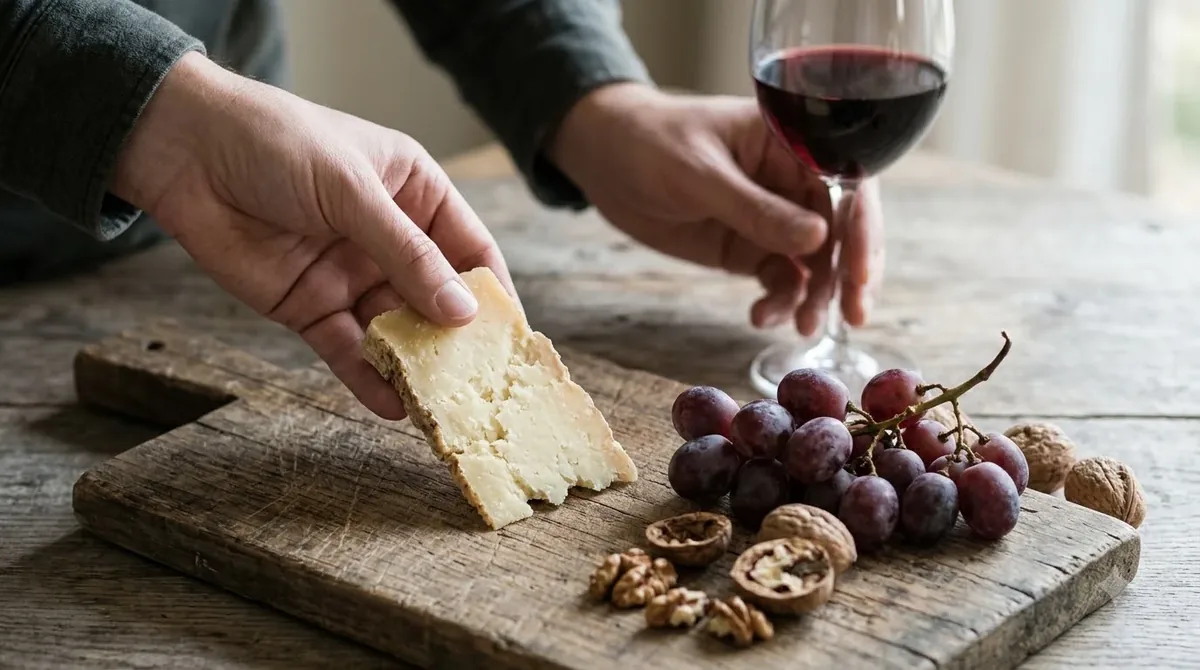
Beyond pastries, Vin Santo shines alongside savory-sweet cheese boards featuring aged Pecorino Toscano, Parmigiano-Reggiano, or creamy blue cheeses like Gorgonzola Dolce. The sharp, crystalline saltiness of aged sheep’s milk cheese cuts right through the wine’s viscous honeyed texture, much like the interplay of bright acidity and concentrated fruit you might find when exploring what Chenin Blanc tastes like in late-harvest styles. Avoid pairing Vin Santo with heavy chocolate fudge cakes or ultra-sweet buttercream frostings, which clash with its delicate dried-apricot and walnut nuances.
Tip: Look for the words “dolce” or “amabile” on the front or back label before buying—if a bottle omits sweetness terms or lists an ABV above 17 percent, it may be a dry style meant for salted almonds and aged cheese rather than dessert.
How to Choose a Bottle
Start by checking the label for the regional DOC designation, the sweetness level, and the aging tier to make sure the bottle matches your occasion. Because traditional air-drying drastically reduces juice yield—often leaving less than a third of the original grape weight—authentic bottles typically come in half-bottles of 375 milliliters or 500 milliliters.
Look for terms that signal traditional production rather than industrial shortcuts. Bottles labeled Riserva have undergone extended aging—typically at least four years in barrel—resulting in darker amber color, deeper toffee complexity, and smoother integration of alcohol. Checking the grape breakdown on the back label also helps: higher proportions of Malvasia bring expressive floral and dried-apricot perfume, whereas Trebbiano-dominant blends lean brisker and more focused on roasted nuts and citrus peel.
If you enjoy dried-grape red wines and want to explore how air-drying shapes flavor across Italy, comparing Vin Santo against what Corvina tastes like in Amarone or Recioto della Valpolicella shows how the same passito technique transforms red berries into dark fig and cocoa. Similarly, those who appreciate the warm baking-spice comfort of winter wines—much like what mulled wine tastes like—will find that an aged Riserva Vin Santo delivers comparable clove, caramel, and dried-fruit warmth naturally through barrel aging alone.
Frequently Asked Questions
Is Vin Santo always sweet?
No, while most exported bottles are medium-sweet (amabile) or very sweet (dolce), some Tuscan producers ferment the dried grapes until almost no residual sugar remains. These dry versions, sometimes labeled secco, taste savory, nutty, and briskly acidic with higher alcohol, resembling an aged dry Sherry rather than a dessert wine.
Is Vin Santo fortified like Port or Sherry?
Traditional Vin Santo is not fortified with distilled spirits. Its elevated alcohol content—usually between 13.5 and 16 percent ABV—and high residual sugar come entirely from dehydrating the grapes on straw mats before fermentation so the natural sugars become highly concentrated.
Why is Vin Santo traditionally served with cantucci?
Crunchy Tuscan almond biscotti are baked twice so they stay firm enough to dip into wine without falling apart. The mildly sweet, toasted almond flavor of the cookie complements the wine’s oxidative hazelnut and caramel notes while scrubbing the palate between rich sips.
How long does an opened bottle of Vin Santo last?
An opened bottle of Vin Santo typically stays fresh for three to four weeks when tightly recorked and stored upright in the refrigerator. Because the wine has already spent years oxidizing in small wooden barrels and contains high sugar and acidity, it resists spoilage far longer than standard table wine.
Whether poured alongside crisp almond biscotti after dinner or paired with a wedge of aged Pecorino, Vin Santo offers one of Italy’s most memorable tasting experiences. Paying attention to sweetness cues on the label and serving it slightly chilled in a small glass lets its layered flavors of roasted hazelnut, toffee, and dried fig shine in every sip.
More in Wine Types & Grapes
 What Is Aglianico? A Guide to Italy’s Bold Southern Red WineUpdated Nov 21, 2026
 What Is Alicante Bouschet: The Rare Red-Fleshed Grape Behind Bold RedsUpdated Nov 21, 2026
 What Glass for Sparkling Wine Brings Out the Best Bubbles and AromaUpdated Nov 21, 2026
 What Glass for Sangria Works Best for Easy, Chilled ServingUpdated Nov 21, 2026
 What Glass for Sake Works Best to Unlock Every AromaUpdated Nov 21, 2026
 What Glass for Mulled Wine Keeps It Warm and Safe to HoldUpdated Nov 21, 2026