


We may earn a commission when you buy through links on this page, at no extra cost to you. Learn more.
When deciding what glass for mulled wine to use, reach for a tempered glass mug with a handle or a traditional Irish coffee glass. These heat-safe vessels hold between 6 and 10 ounces of warm spiced wine without cracking from thermal shock, while their handles protect your hands from burns. Clear glass also showcases the ruby hue and festive garnishes like cinnamon sticks, star anise, and orange wheels.
Serving hot wine in the wrong vessel can quickly turn a cozy winter gathering into a messy cleanup. Standard stemmed wine glasses are crafted from thin crystal or soda-lime glass designed for chilled or room-temperature pours, making them prone to shattering when filled with steaming liquid. Choosing the right heat-resistant glassware preserves the temperature, concentrates the warming aromatics, and keeps every guest comfortable while sipping.
The Best Glassware Choices for Mulled Wine
The ideal mulled wine vessel combines thermal durability, a comfortable handle, and a clear bowl that highlights the drink’s deep color. Tempered glass mugs, Irish coffee glasses, and double-walled borosilicate tumblers are the top options for home entertaining.
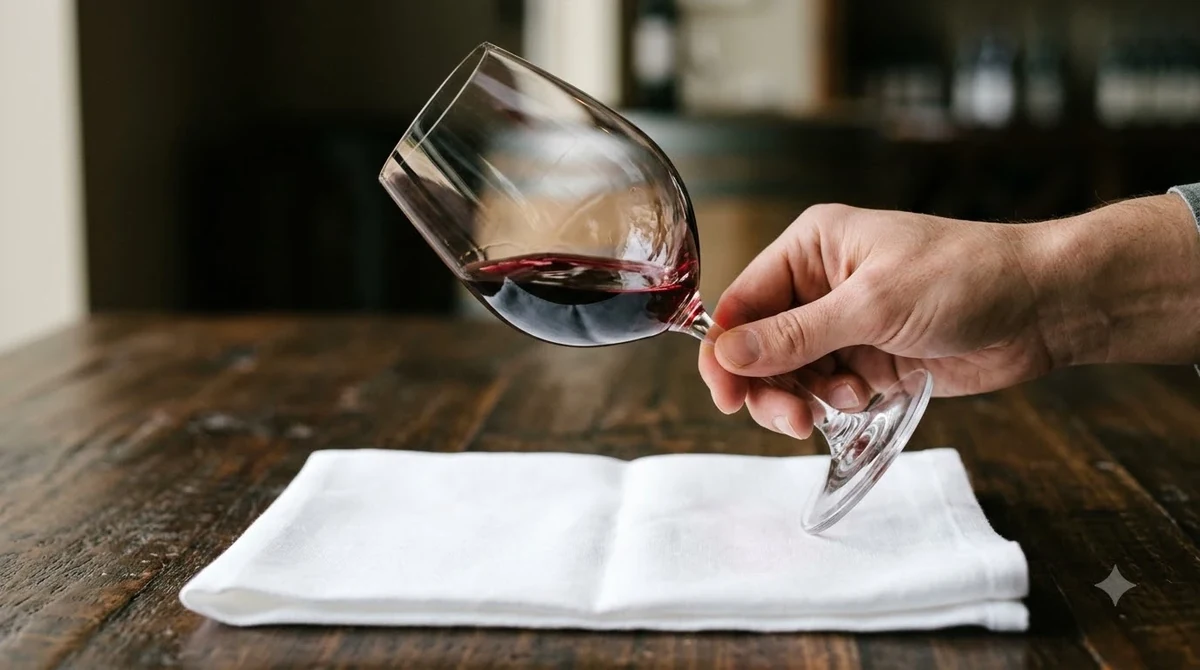
An Irish coffee glass is widely favored by bartenders and hosts because its footed base and flared tulip rim mimic the elegance of traditional stemware while offering sturdy, heat-resistant construction. Usually holding around 8 to 10 ounces, this glass features a thick side handle that keeps fingers safely away from hot glass. Its slightly tapered opening also channels the steam of cloves, cinnamon, and citrus straight toward your nose with every sip.
Tempered glass mugs—often sold as glass coffee mugs or dedicated glühwein mugs—provide a slightly heartier, more casual feel that suits rustic holiday parties and outdoor gatherings. Tempered glass undergoes controlled thermal or chemical treatments to increase its strength compared to standard glass, allowing it to withstand sudden temperature shifts without fracturing. A standard 8-to-12-ounce tempered mug leaves plenty of headspace for a ladle of warm wine plus whole garnishes.
Double-walled borosilicate glass mugs represent a modern alternative for hosts who prioritize heat retention. Built with two layers of laboratory-grade borosilicate glass separated by a vacuum-sealed air pocket, these vessels keep mulled wine steaming hot much longer than single-walled glass while remaining cool to the touch on the exterior. Whether equipped with a handle or designed as a sleek tumbler, double-walled glass eliminates condensation rings on wooden tables.
Glassware Comparison for Hot Spiced Wine
Different vessels affect heat retention, safety, and visual presentation in distinct ways. Comparing capacity, thermal safety, and practical handling helps you match the glassware to your gathering.
| Vessel Type | Typical Capacity | Heat Safety | Best Occasion |
|---|---|---|---|
| Irish Coffee Glass | 8 to 10 oz | High (tempered/thick glass with handle) | Sit-down holiday dinners and cocktail parties |
| Tempered Glass Mug | 8 to 12 oz | High (thermal-shock resistant with handle) | Casual gatherings, tree trimming, and outdoor patios |
| Double-Walled Borosilicate Mug | 8 to 12 oz | Very High (insulated air pocket stays cool outside) | Slow sipping in cold rooms or outdoor fire pits |
| Ceramic or Stoneware Mug | 10 to 14 oz | Very High (naturally insulating with handle) | European-style Christmas market themes and ski trips |
| Standard Stemmed Wine Glass | 12 to 20 oz | Low (thin walls risk cracking from thermal shock) | Not recommended for warm or hot mulled wine |
Capacity plays a bigger role in mulled wine service than many hosts realize. Because mulled wine is richer, sweeter, and often fortified with a splash of brandy, rum, or orange liqueur, a standard pour is smaller than a typical glass of table wine. Choosing an 8-to-10-ounce glass prevents over-pouring, ensures the drink stays warm before the guest finishes it, and leaves room at the rim for floating orange slices.
When planning for a larger crowd, uniformity in glassware also simplifies portion control. A standard 750-milliliter bottle of red wine yields roughly four to five modest servings once simmered with citrus juice and spirits. Using 8-ounce glasses guarantees every guest receives a generous, visually balanced pour without running through your batch too quickly.
Why Standard Wine Glasses Are Unsafe for Mulled Wine
Regular stemmed wine glasses should never be used for hot mulled wine because thin glass cannot safely absorb rapid temperature changes. Pouring steaming liquid into a cool bowl causes uneven expansion that can crack or shatter the glass in your hand.

This phenomenon, known as thermal shock, occurs when different parts of a piece of glass expand at different rates. When hot mulled wine hits the inside of a delicate crystal or thin soda-lime goblet, the inner surface heats up and expands immediately while the outer surface remains cool. That internal stress creates microscopic fractures that can cause the bowl to snap cleanly off the stem or burst unexpectedly.
Even if a standard wine glass survives the initial pour without breaking, holding it becomes an immediate problem. Stemless wine glasses force your palm directly against the hot bowl, risking uncomfortable burns. Stemmed glasses avoid direct palm contact, yet their ultra-thin walls radiate heat rapidly, causing the wine to turn lukewarm within minutes while the delicate stem feels precarious under the weight of a warm, heavy liquid.
If you enjoy understanding how specific bowl shapes affect aroma across different wine styles, save your fine crystal for chilled whites and room-temperature reds. Reserve sturdy, thick-walled, or tempered glassware strictly for heated infusions.
Ceramic Mugs vs. Clear Glass: Which Should You Choose?
Both ceramic mugs and clear heat-safe glasses work well for mulled wine, so the right choice comes down to visual presentation versus maximum insulation. Clear glass highlights the festive colors and garnishes, whereas ceramic keeps the beverage hot for longer periods.
In European winter traditions, ceramic and stoneware mugs are the classic standard, particularly at outdoor holiday markets where German glühwein or Nordic gløgg is served in collectible souvenir boots and mugs. Dense stoneware absorbs heat from a quick pre-warm rinse and insulates the wine against crisp winter air. If you are hosting guests on a chilly porch or around a backyard fire pit, thick ceramic mugs will hold warmth better than single-walled glass.
On the other hand, clear glassware brings undeniable visual appeal to indoor entertaining. Mulled wine develops a rich garnet hue from red wine, citrus, and spices, and seeing whole star anise pods, cinnamon quills, and bright orange wheels suspended in the liquid adds immediate seasonal charm. As noted in guides to traditional German mulled wine punch, ladling the steaming brew into mugs or heatproof glasses is part of the celebratory ritual.
If you are debating whether a batch is worth dressing up in clear glass, consider what mulled wine tastes like when layered with fresh fruit and whole spices—the visual cues of citrus peel and spice sticks prime the palate before the first sip even reaches your lips.
Tip: Pre-warm your glasses by filling them with hot tap water for 60 seconds and dumping it out just before ladling in the mulled wine—this reduces thermal shock and keeps the drink hot much longer.
Serving Temperature, Garnishes, and Glass Prep
Proper glass preparation and gentle heating ensure your mulled wine tastes balanced and never damages your drinkware. Mulled wine should be warmed until steaming—never boiled—and ladled carefully into pre-warmed glasses.
According to Wine Enthusiast, mulled wine should only be heated until steaming rather than simmered or boiled, which prevents the alcohol from burning off and keeps the spice flavors balanced. Keeping the liquid below a boil also protects your glassware from extreme temperatures, making it much safer to pour and comfortable to sip right away without scalding your tongue.
When garnishing your glasses, choose aromatics that fit comfortably inside the rim without poking guests in the face as they drink. A single cinnamon stick, a half-moon slice of fresh orange, or a floating star anise pod adds fragrance without crowding the glass. Avoid dumping loose cloves or whole peppercorns directly into serving glasses, as small spices can easily be swallowed by accident.
After the party winds down, you may wonder how to store mulled wine safely for another evening. Always strain out the fruit and spices before refrigerating leftovers in a sealed container, and when reheating a single portion the next day, warm it gently on the stovetop before pouring it back into a tempered mug rather than microwaving fragile glassware.
Frequently Asked Questions
Can you serve mulled wine in a Mason jar?
Standard Mason jars are made from annealed soda-lime glass rather than tempered glass, meaning they can crack when exposed to sudden boiling temperatures. While warm—not boiling—mulled wine is sometimes served in handled Mason jar mugs, they lack insulation and become very hot to hold on the outside. If you use Mason jars, always pre-warm them with hot tap water first and serve the wine at a gentle steaming temperature.
What size glass is best for mulled wine?
A glass holding 8 to 10 ounces is the ideal size for serving mulled wine. Because mulled wine is sweeter, heavily spiced, and often fortified with brandy or liqueur, a 5-to-6-ounce pour is plenty per serving. An 8-to-10-ounce vessel accommodates that pour comfortably while leaving headspace for floating orange slices and cinnamon sticks.
Can you serve white mulled wine in the same type of glass?
Yes, white mulled wine requires the exact same heat-resistant glassware as traditional red mulled wine. An Irish coffee glass or clear tempered glass mug is especially attractive for white mulled wine because it highlights the pale golden color, apple slices, and fresh herbs like rosemary or mint.
How do you keep mulled wine warm in the glass?
Pre-warming your glass with hot tap water for one minute before pouring is the simplest way to prevent cold glass from immediately cooling down the wine. Choosing thick-walled tempered glass, ceramic mugs, or double-walled borosilicate tumblers also slows heat loss significantly compared to thin glassware.
Choosing the right vessel makes serving hot spiced wine safer, more aromatic, and far easier to enjoy. Stick to handled, heat-resistant options like Irish coffee glasses or tempered glass mugs, pre-warm them before pouring, and your guests will enjoy every steaming sip down to the last drop.
More in Wine Types & Grapes
 Zinfandel Sugar Content: Dry Red vs. White Zinfandel GramsUpdated Nov 21, 2026
 Best Zinfandel Substitute Options for Sipping and CookingUpdated Nov 21, 2026
 Zweigelt Food Pairing: Best Dishes, Cheeses, and Serving TipsUpdated Nov 21, 2026
 Zinfandel Tannins Explained: How Structure Shapes Every BottleUpdated Nov 21, 2026
 Zinfandel Sweetness Level: Dry Red vs. Sweet White Zin ExplainedUpdated Nov 21, 2026
 Xinomavro Food Pairing: Best Dishes, Styles, and Serving TipsUpdated Nov 21, 2026