

We may earn a commission when you buy through links on this page, at no extra cost to you. Learn more.
Barbera wine is a red from Italy’s Piedmont region, made from the Barbera grape, and it is prized for lively acidity, low tannins and bright red fruit. It is often called the people’s wine because it is easy to drink, pairs with a wide range of food, and costs less than the region’s famous Barolo and Barbaresco. Most bottles are fresh and fruity, though serious versions can show real depth and structure.
This guide explains what Barbera tastes like, where it comes from, how to serve it and which dishes suit it best. If you want to learn about the vine itself, see the barbera grape page, and for a comparison with a fuller red, the cabernet sauvignon wine guide is a useful counterpoint. The Wine by Type hub lists the other main styles.
What Barbera Wine Is
Barbera is a red grape native to Piedmont in northwest Italy. For a long time it was one of the most widely planted red varieties in the country, and it still has a loyal following among Italian home cooks and wine lovers. Winemakers use it for everyday bottles and for more serious wines that age in oak.
The wine is usually made as a single variety. Labels that say Barbera d’Asti or Barbera d’Alba tell you where the grapes were grown and give you a rough idea of the style. Barbera d’Asti tends to be fresher and more vivid, while Barbera d’Alba is grown near the famous Barolo and Barbaresco zones and is often deeper in color and richer in flavor.
Flavor Profile and Acidity
According to the FirstLeaf guide to Barbera, acidity is the defining trait of the grape. Its high, lively acidity keeps the wine fresh and makes it feel lighter than its color suggests. Tannins are naturally low, so bottles are smooth even when they are young, which is why the grape is so easy to enjoy with dinner. Alcohol is typically in the moderate range for a red.
Cooler vineyards tend to give tart red fruit such as cherry, raspberry and strawberry, sometimes with an herbal or floral lift. Warmer regions produce riper flavors of black cherry, blackberry and plum. Italian examples often show a spicy, floral edge that makes them feel distinctive.
Oak changes the picture. Some producers age Barbera in barrels, which adds grip, structure and flavors of vanilla, toast, baking spice and chocolate. Unoaked or lightly oaked bottles stay closer to the fruit and feel brighter, so check the label or producer notes if you want one style over the other.
| Trait | What to expect |
|---|---|
| Acidity | High, the main reason the wine tastes fresh |
| Tannins | Low, so the wine feels smooth |
| Fruit in cool areas | Cherry, raspberry, strawberry |
| Fruit in warm areas | Black cherry, blackberry, plum |
| Oak-aged bottles | Vanilla, toast, spice, chocolate |
Where Barbera Comes From
Piedmont is the home of Barbera, and the best-known zones are Asti and Alba. Barbera d’Asti is the classic heartland style, with vivid acidity, fresh red fruit and a supple, approachable character. Barbera d’Alba grows in the hills near Barolo and Barbaresco, where the vineyards and soils give more concentration and color.
Barbera is also planted outside Italy, and California is the most common example. Warmer climates there give riper fruit and a softer feel, so the taste can differ from an Italian bottle even when the grape is the same. Tasting a few examples side by side is a good way to learn how place and winemaking shape the wine.
Labels can be confusing because the words Superiore, Riserva and similar terms signal different rules for aging and alcohol. Read the back label or the producer’s notes if you want to know how long the wine spent in barrel before release.
How to Serve Barbera
Barbera is best served slightly cooler than a typical red. Sources give a working range of about 16 to 18 degrees Celsius, or 60 to 64 degrees Fahrenheit. At that temperature the acidity stays lively and the fruit stays clean, while a warmer glass can feel soft and heavy.
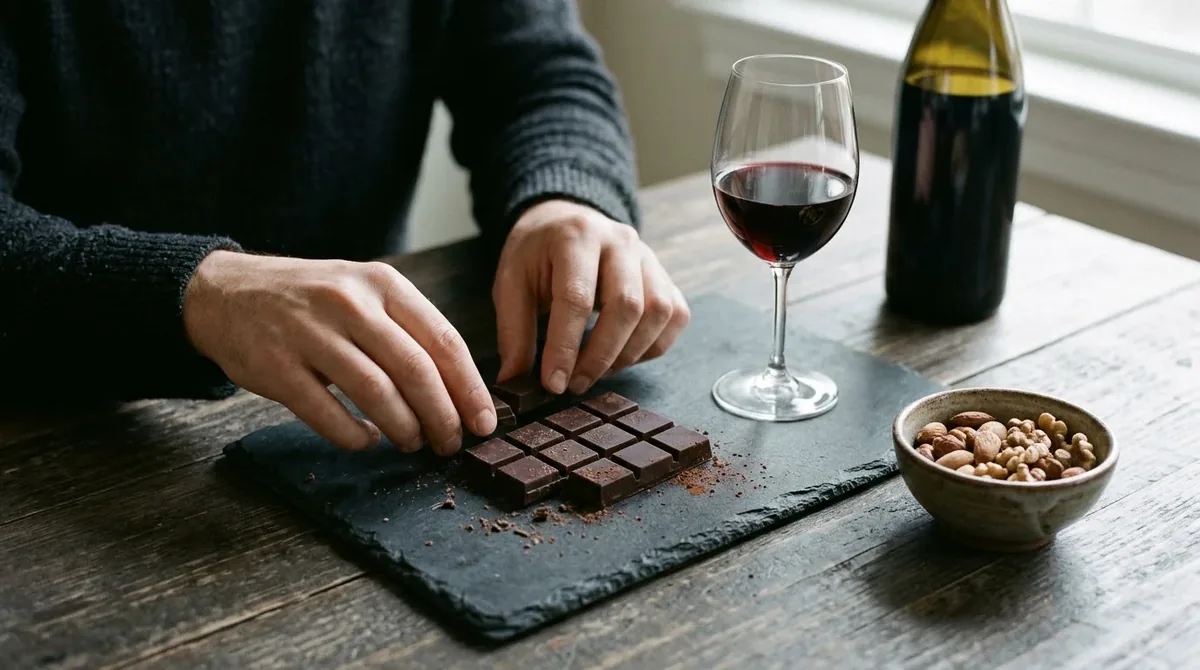
A medium-sized red wine glass suits the wine. It gives the aromas room without letting the wine feel too thin. If the bottle is young and bright, you can pour it a little earlier and let it warm in the glass. Older or oak-aged bottles may benefit from a short decant, which softens the oak and opens the aromas.
Once opened, Barbera holds up for a few days if you keep the bottle sealed and cool, though the fruit fades over time. A fresh bottle is always the best choice.
Food Pairing with Barbera
Barbera is one of the most food-friendly reds in Italy, and its acidity makes it a good partner for tomato sauces, cured meats and rich, traditional dishes. Pasta with tomato sauce, risotto and regional Piedmont dishes are natural matches. Grilled pork, lamb, poultry and sausages also suit the wine well.
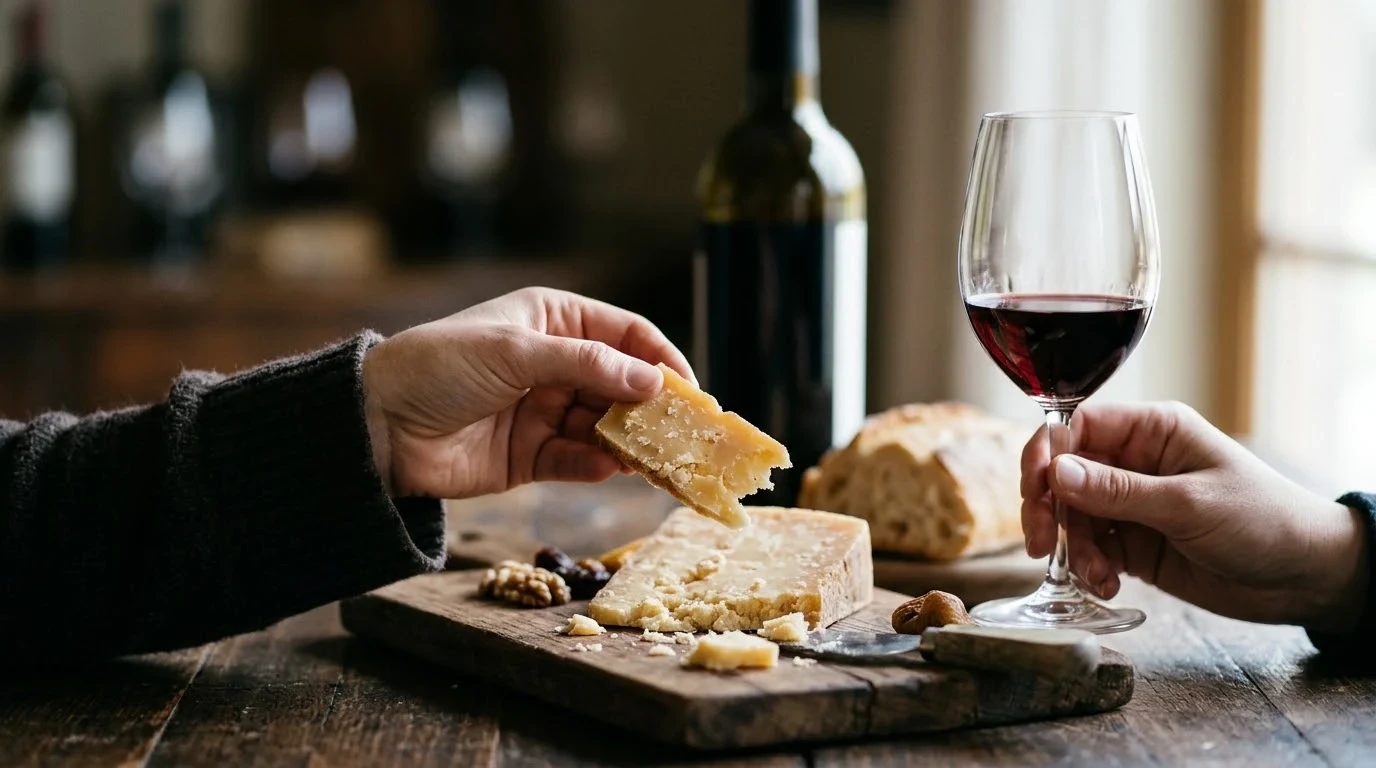
Cheese works too. Hard cheeses such as Parmigiano-Reggiano and Pecorino pair nicely because they match the wine’s acidity without dulling the fruit. For a simple meal, try Barbera with a pizza topped with sausage or with a platter of salami and olives.
The wine is less suited to delicate fish or very light vegetable dishes, where its fruit and acidity can feel too strong. Think of it as a dinner red rather than a wine for a light lunch.
How to Choose a Barbera
Start with the region on the label. If you want a fresh, everyday red with bright fruit, a Barbera d’Asti is a dependable choice. If you want more body and color for a special dinner, look for a Barbera d’Alba or a bottle that mentions barrel aging.
Vintage matters less for Barbera than for some other reds, because most bottles are made to be drunk young. A recent release usually tastes the most lively. Read a few reviews from wine writers who cover Piedmont regularly, and compare a couple of styles to find the balance you like best.
Common Mistakes With Barbera
The most common mistake is serving Barbera too warm. A bottle left on the counter in a hot kitchen can taste flat and heavy, with the fruit turning jammy and the acidity fading. A short time in the fridge, or a quick chill in cool water, restores the lively edge that makes the wine so appealing. Treat it like a red that needs a little coolness rather than a big, bold Cabernet.
Another mistake is judging every Barbera by one bottle. A simple Asti bottling and an oak-aged Alba bottling are very different wines, even though they share a grape and a region. Buying two or three styles and comparing them at the table will tell you far more than reading tasting notes alone.
Finally, do not expect Barbera to age like Barolo. Most examples are made to be enjoyed within a few years of the vintage, while the fruit is fresh and the acidity is most lively. Reserve for the rare, longer-lived bottles that producers clearly mark as built for the cellar.
Frequently Asked Questions
Is Barbera wine sweet or dry?
Barbera is dry. Its sweetness comes from ripe fruit rather than sugar, and the high acidity keeps the wine tasting fresh.
Is Barbera a light or heavy red?
It sits in the middle. The color can be deep, but the tannins are low, so the wine feels medium-bodied and easy to drink.
What is the difference between Barbera d’Asti and Barbera d’Alba?
Barbera d’Asti is usually brighter and more vivid, while Barbera d’Alba comes from the hills near Barolo and tends to be deeper and richer in flavor.
Can you chill Barbera?
A short time in the fridge is fine, especially in warm weather. Aim for the cool end of red wine temperatures so the acidity stays lively and the fruit stays clean.
Barbera is an easy wine to love once you know what to expect. Pick a fresh bottle from Asti, serve it slightly cool with a simple pasta or a plate of cured meats, and you will see why Italians have enjoyed it for generations.
More in Wine Types & Grapes
 Zinfandel Sugar Content: Dry Red vs. White Zinfandel GramsUpdated Nov 21, 2026
 Best Zinfandel Substitute Options for Sipping and CookingUpdated Nov 21, 2026
 Zweigelt Food Pairing: Best Dishes, Cheeses, and Serving TipsUpdated Nov 21, 2026
 Zinfandel Tannins Explained: How Structure Shapes Every BottleUpdated Nov 21, 2026
 Zinfandel Sweetness Level: Dry Red vs. Sweet White Zin ExplainedUpdated Nov 21, 2026
 Xinomavro Food Pairing: Best Dishes, Styles, and Serving TipsUpdated Nov 21, 2026