

We may earn a commission when you buy through links on this page, at no extra cost to you. Learn more.
Wisconsin Wine Country brings together five visitor regions and three American Viticultural Areas, with cold-hardy grape wines, fruit wines, and scenic tasting stops spread across the state. Its vineyards work with a continental climate that challenges many traditional European grapes but suits selected hardy hybrids. Travelers can follow winery trails through Door County, the Driftless Area, the Fox Valley, the Glacial Hills, and the Northwoods, or focus on AVAs around Lake Wisconsin, the Upper Mississippi River Valley, and the Wisconsin Ledge.
The best approach is to choose a corner of the state rather than trying to cover every winery in one trip. Wisconsin’s wine story is built around adaptation: growers use cold-resistant grapes, varied terrain, lake and river influences, and local orchard fruit. That variety makes a tasting trip as much about place and agriculture as it is about familiar wine styles.
How Wisconsin’s Wine Regions Fit Together
Wisconsin has five visitor-facing winery regions, but the state’s winegrowing geography is described through three AVAs. The visitor regions help organize winery trips; an AVA identifies a defined grape-growing area with shared geographic features.
The Wisconsin Winery Association groups wineries into the Northwoods, Driftless, Glacial Hills, Fox Valley, and Door County regions. The three AVAs are the Wisconsin Ledge, Lake Wisconsin, and the larger Upper Mississippi River Valley, which crosses state lines into Iowa, Illinois, and Minnesota. A winery region is a travel label; an AVA is a regulated geographic designation for wine origin.
The Wisconsin Ledge AVA covers about 3,800 square miles, with eastern-facing vineyard slopes over glacial gravel, sand, and clay above limestone bedrock. The Lake Wisconsin AVA covers 43.75 square miles in Columbia and Dane counties. It sits within the Upper Mississippi River Valley AVA, which Isthmus reports covers 29,914 square miles across four states and includes parts of 23 Wisconsin counties.
| AVA | Reported size | Geographic clue |
|---|---|---|
| Lake Wisconsin | 43.75 square miles | Wisconsin River valley; Columbia and Dane counties |
| Wisconsin Ledge | About 3,800 square miles | Niagara Escarpment; northeast Wisconsin |
| Upper Mississippi River Valley | 29,914 square miles | Four-state region; includes Lake Wisconsin AVA |
These figures describe geographic boundaries, not land planted to vines or wine output. The Upper Mississippi River Valley is enormous because it spans several states, while a winery may use a more local AVA name when its grapes qualify. For visitors, the five regional groupings are generally easier to use for route planning than the AVA map.
Five Winery Regions Across the State
Each of the Wisconsin Winery Association’s five regions has a different travel character, from Lake Superior scenery in the Northwoods to Lake Michigan shoreline towns in Door County. Choose a region based on whether the priority is grape wines, small-town stops, outdoor scenery, or a compact collection of tasting rooms.
Door County is the state’s best-known wine-tourism peninsula, with fishing villages, small farms, parks, coastal views, restaurants, and shops. The Driftless Region in western Wisconsin has winding roads, rock formations, farms, bluffs, and broad views; the Association notes it offers more traditional grape varieties than the state’s other visitor regions. The Driftless terrain also connects with the Upper Mississippi River Valley’s limestone karst, stream valleys, and slopes.
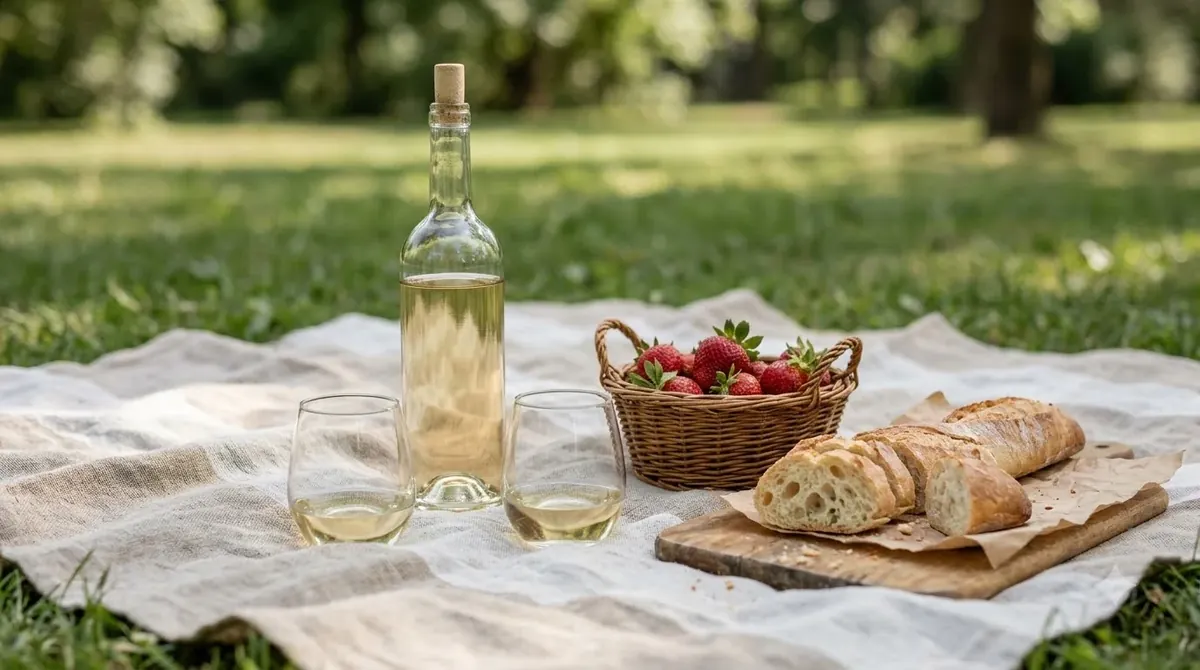
The Glacial Hills in southeastern Wisconsin combines wooded remnants, meadows, glacial landforms, historic surroundings, and trails for hiking, biking, bird-watching, and picnicking. The Fox Valley in east-central Wisconsin offers working dairy farms, broad waterways, quiet communities, shopping, and dining. These regions suit visitors who want to mix winery stops with other regional activities.
The Northwoods in northern Wisconsin brings together lakes, forest trails, and wineries in a vacation landscape shaped by outdoor recreation. It is a good fit for visitors already planning time near Lake Superior or the state’s wooded lake districts. The Association describes designated hiking and biking routes as close to many Northwoods wineries. For winery directories and more detail on the five groupings, consult the Wisconsin Winery Association’s five regional listings.
Cold-Climate Grapes Built for Wisconsin
Cold-hardy hybrid grapes are the foundation of Wisconsin’s modern wine identity. They were selected or bred to cope with harsh winters and shorter growing seasons, allowing growers to make dry, off-dry, sparkling, and dessert wines where many vinifera grapes are difficult to cultivate reliably.
Look for red varieties such as Marquette, Frontenac, St. Croix, Petite Pearl, and Maréchal Foch, and whites such as La Crescent, La Crosse, Itasca, St. Pepin, Brianna, Frontenac Blanc, and Frontenac Gris. Wine Enthusiast identifies Maréchal Foch, St. Croix, and Petite Pearl among the hybrids grown in the Wisconsin Ledge. WineAmerica describes La Crosse as a cold-hardy variety made in dry and semi-dry styles. Producers also blend grapes: Vines & Rushes Winery’s Ceresco, for example, combines Itasca, St. Pepin, and La Crescent. For more about the region’s geology and grape-growing conditions, see Wine Enthusiast’s Wisconsin Ledge regional profile.
The Wisconsin Ledge’s lake influence helps moderate seasonal changes. Wine Enthusiast reports that one Ledge winemaker estimates temperatures during the last three months of the year and into spring average 10 degrees warmer than places 60 miles away. That difference can extend the time grapes remain on the vine and help highly acidic hybrids ripen more gradually. In the Lake Wisconsin AVA, the Wisconsin River valley has a growing season reported to be 10 to 20 days longer than surrounding areas.
Fruit wines are also part of the state’s wider wine culture. Wisconsin wineries make wines from fruits beyond grapes, and some producers pair grape bottlings with orchard-based products, mead, or cider. A tasting flight can compare a dry red hybrid, an aromatic white, and a fruit-based option, showing how winemakers work with the state’s agricultural resources.
Wine Styles to Taste Beyond Familiar Varieties
A useful Wisconsin tasting flight moves from crisp whites to reds, then to sparkling or sweeter wines. Expect diversity rather than one uniform house style: wineries may pour dry varietal wines, semi-dry blends, fruit wines, ice wine, Port-style dessert wine, or sparkling wine made from cold-climate grapes.
Start with a white made from La Crescent, Itasca, La Crosse, St. Pepin, or a blend. Ask whether it is dry or off-dry, since fruit-forward aromas do not automatically mean high sweetness. Crisp whites pair well with freshwater fish, fresh cheeses, salads, and lighter fare. With sharp vinaigrette or other acidic food, choose a wine with equal or higher acidity so it does not taste flat.
For reds, compare Marquette, Frontenac, St. Croix, Petite Pearl, or Maréchal Foch. Serve lighter reds around 55 to 60 degrees Fahrenheit and fuller reds around 60 to 65 degrees. They can complement grilled sausages, burgers, roast meats, and aged cheddar; salt and fat soften tannin, making a structured red feel more balanced with rich food than with a very lean dish.
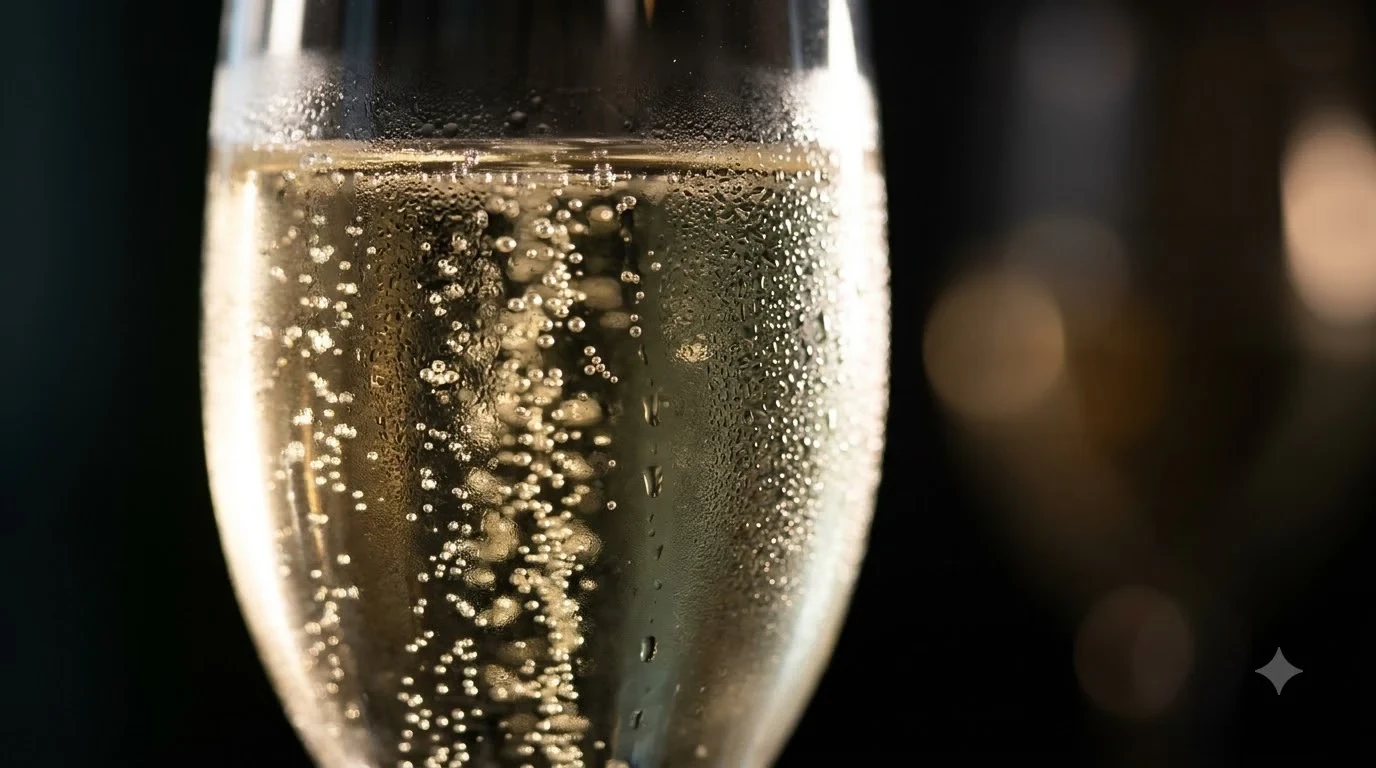
Sparkling wine deserves a place in a Wisconsin flight. Wine Enthusiast notes a traditional-method sparkling bottling made from La Crosse at The Blind Horse Winery, with citrus, apricot, green apple, and pear characteristics and crisp acidity. Traditional-method sparkling wine undergoes its second fermentation in the bottle. Serve it around 40 to 50 degrees Fahrenheit. For a sweet finish, look for ice wine or Port-style dessert wine; the wine should be at least as sweet as the dessert.
Tip: Ask for one dry hybrid, one off-dry white, and one sweet or sparkling wine in the same visit. Comparing three contrasting styles is often more revealing than ordering several similar pours.
Wineries and Towns to Add to a Route
Wisconsin’s producers range from historic river-valley wineries to smaller operations focused on cold-climate hybrids and food. A strong itinerary uses a few well-spaced stops and leaves time to explore the town or countryside around each tasting room.
Wollersheim Winery near Sauk City is central to the state’s early wine history: the Wisconsin Winery Association traces a vineyard and wine cellar on the Wisconsin River site to the 1840s, while the modern winery was established after Robert and JoAnn Wollersheim purchased the property in 1972. von Stiehl Winery in Algoma is identified by the Association as Wisconsin’s first licensed winery, opening in 1967, and is a useful historic stop in the Lake Michigan-facing part of the state.
Trout Springs Winery in Greenleaf is associated with the effort to establish the Wisconsin Ledge AVA. Wine Enthusiast identifies owner-winemaker Steve DeBaker as a key advocate; the winery works with hybrids including Maréchal Foch, St. Croix, and Petite Pearl, and has made ice wine and Port-style dessert wine. Vines & Rushes Winery offers Ceresco, a blend of Itasca, St. Pepin, and La Crescent, alongside pizza cooked in a wood-fired brick oven. Elmaro Vineyard in Trempealeau represents the west: Isthmus reports it uses Edelweiss, La Crescent, and Marquette among other cold-weather grapes.
For comparisons with other American wine destinations, consider how Wisconsin’s cold-climate approach differs from Yadkin Valley wine country in North Carolina or the warmer Hill Country vineyards in Texas. Those regions have distinct growing conditions and grape portfolios, so the comparison gives context rather than suggesting one is a substitute for another.
How to Plan a Wisconsin Wine Trip
Choose one of the five visitor regions as the anchor for a day or weekend, then build a short list of wineries within a manageable driving area. Door County works for a longer vacation with shoreline and small-town activities; the Driftless Region suits a scenic drive through hills and river valleys; and the Lake Wisconsin area offers an introduction to the state’s early wine history.
Late spring through fall is a practical window for combining winery visits with outdoor activities. Summer brings lake recreation and green landscapes, while autumn adds harvest activity and fall color. Schedules vary by producer and season, so confirm opening days, tasting policies, food availability, and reservation requirements before setting out. Leave time between stops, appoint a sober driver, and consider staying overnight rather than covering a wide area in one day. Winter tastings may be available indoors, but weather and reduced schedules make advance planning more important.
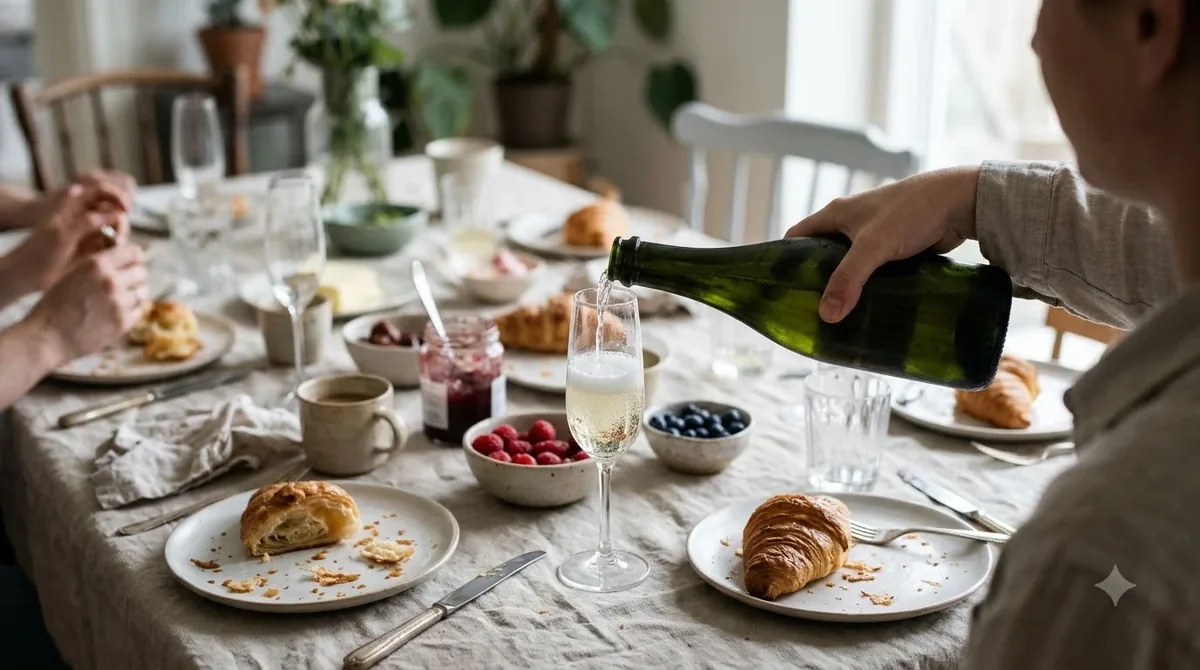
Food can make the day more memorable. Pair crisp whites with freshwater fish, salads, and young cheeses; try medium-bodied reds with grilled meats, sausages, and aged cheddar; and save sweeter wines for fruit desserts or blue cheese. Acidity should stand up to acidic foods, salt and fat soften tannin, and spicy heat is amplified by alcohol and tannin. Very tannic red wine is usually a poor match for delicate oily fish.
Serve light whites and rosé around 45 to 50 degrees Fahrenheit, fuller whites around 50 to 55 degrees, and sweet whites around 43 to 50 degrees. A standard five-ounce pour is a useful tasting measure, and a 750-milliliter bottle holds about five glasses. After opening, refrigerate still wines and aim to finish them within three to five days; sparkling wine generally keeps its freshness for one to three days when tightly stopped and chilled.
Wisconsin’s wine story is not limited to one route or flagship grape. To compare it with another eastern wine region, see Pennsylvania wine country; for more regional overviews, browse Wine Regions. The most rewarding trip leaves time to taste thoughtfully, meet local producers, and explore the landscape around the vineyard.
Frequently Asked Questions
These answers cover a few additional details about Wisconsin’s wine geography, labeling, and history that help put the state’s vineyards in context.
How long is the Niagara Escarpment?
The Niagara Escarpment extends more than 650 miles in a crescent across the Great Lakes region. It creates Niagara Falls in New York, influences vineyards in Ontario, and forms the geological foundation of Wisconsin’s Door Peninsula.
Does Wisconsin have a designated white-wine blend?
Ledge Blanc is a regional white blend associated with the Wisconsin Ledge AVA. At least 55 percent must come from Itasca, Frontenac Blanc, Frontenac Gris, La Crescent, and St. Pepin; the remaining 45 percent may use other white hybrid grapes grown in the Ledge.
Why do some Wisconsin vineyards welcome snow cover?
A layer of snow can insulate grapevine roots during winter. Wine Enthusiast describes a LedgeStone Vineyards owner explaining that snow cover protects the root system, so a snowy vineyard is not necessarily a sign of winter damage.
How much fruit must come from an AVA for a wine to use its name?
U.S. wine-label rules generally require at least 85 percent of the grapes to come from the named AVA when the wine carries that appellation of origin. This geographic requirement helps distinguish wines made from grapes grown inside the designated area.
What did Agoston Haraszthy do after leaving Wisconsin?
Haraszthy moved to California in 1849 and established Buena Vista Winery. His earlier Wisconsin vineyard connected the state’s winemaking history with the beginnings of California’s wine industry.
Wisconsin is a rewarding destination for travelers who enjoy discovering how climate, land, and local agriculture shape wine. Choose one region, taste the cold-hardy grapes alongside the state’s other styles, and leave time for the lakes, river valleys, towns, and food that make each route distinct.
More in Wine Regions
 Willcox Wine Trail: Discover Arizona’s High-Elevation Wine CountryUpdated Nov 20, 2026
 Yakima Valley Wine Region: Find the Best Styles to TryUpdated Nov 20, 2026
 Vosne Romanee Wine Tasting: Identify Aromas and Choose Better PairingsUpdated Nov 20, 2026
 Yakima Valley Wine Festival: Find the Best Seasonal Wine EventsUpdated Nov 20, 2026
 Wales Vineyards: Discover Cool-Climate Wines and Where to VisitUpdated Nov 20, 2026
 Yountville Wine Festival: Discover Napa Wines and Local FoodUpdated Nov 20, 2026