

We may earn a commission when you buy through links on this page, at no extra cost to you. Learn more.
Wisconsin wine is shaped by a cold climate, which pushes winemakers toward cold-hardy hybrid grapes and fruit wines made from local produce. Many bottles from the state are built around fruit and brightness rather than the structure of the European classics, and they often pair well with the cheese, sausage, and farm food that Wisconsin is known for. Knowing what to expect from the style is the easiest way to enjoy it.
This guide explains the styles you are likely to find, how Wisconsin wines are made and labeled, how to serve them, and where they fit at the table. It also covers a little history, so you understand why the state’s wine culture looks the way it does today.
What Wisconsin Wine Tastes Like
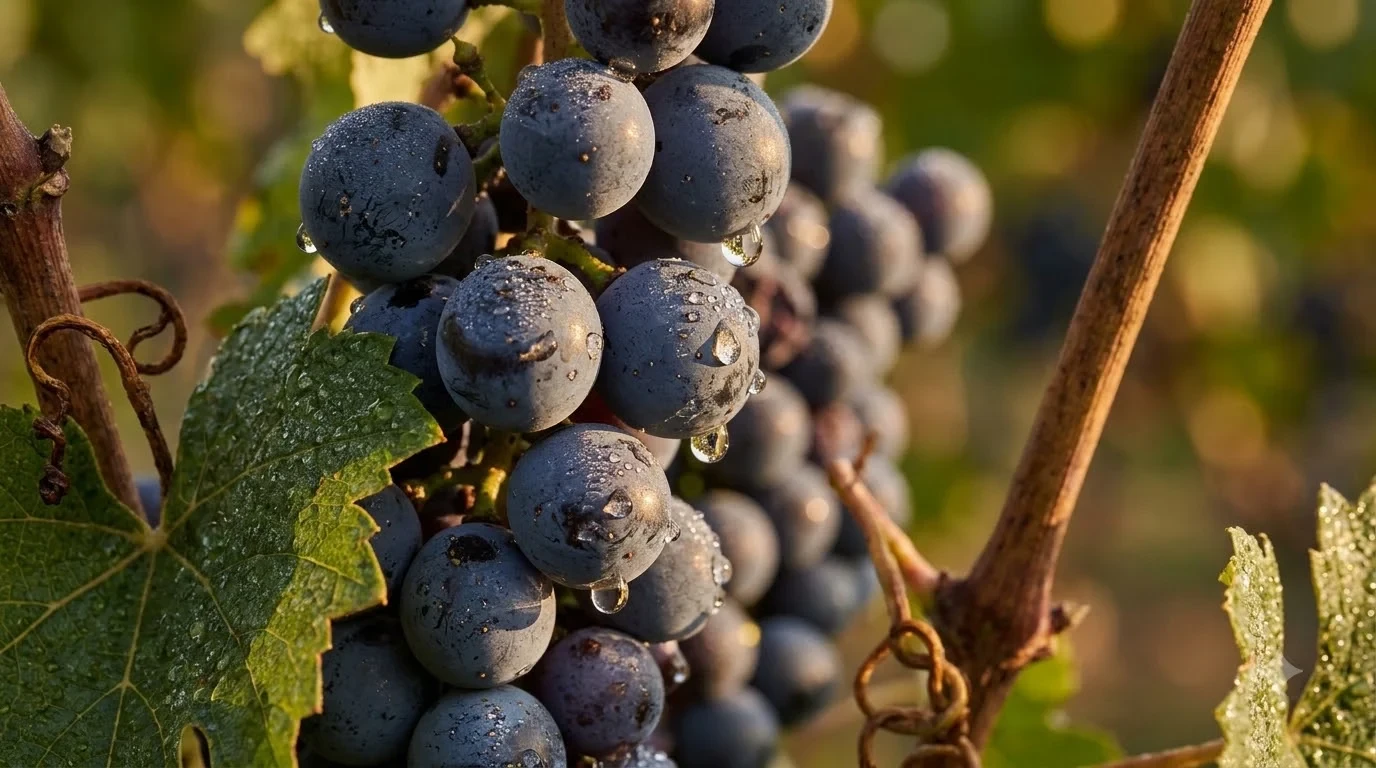
Wisconsin wine does not follow a single house style. Winemakers work with what grows well in a cold climate, and that means many wines are built around hybrid grapes bred to survive harsh winters. The Wisconsin Winery Association describes the state’s grapes as the product of university breeding programs and individual growers who developed cold-hardy varieties over many decades.
Because the grapes are different from the traditional Old World varieties, the wines often carry brighter fruit notes and a different structure. Some are dry, some are semi-sweet, and some are made from fruits other than grapes. When you try a Wisconsin wine, approach it on its own terms rather than comparing it directly to a French or Italian bottle.
Hybrid Grapes and Why They Matter
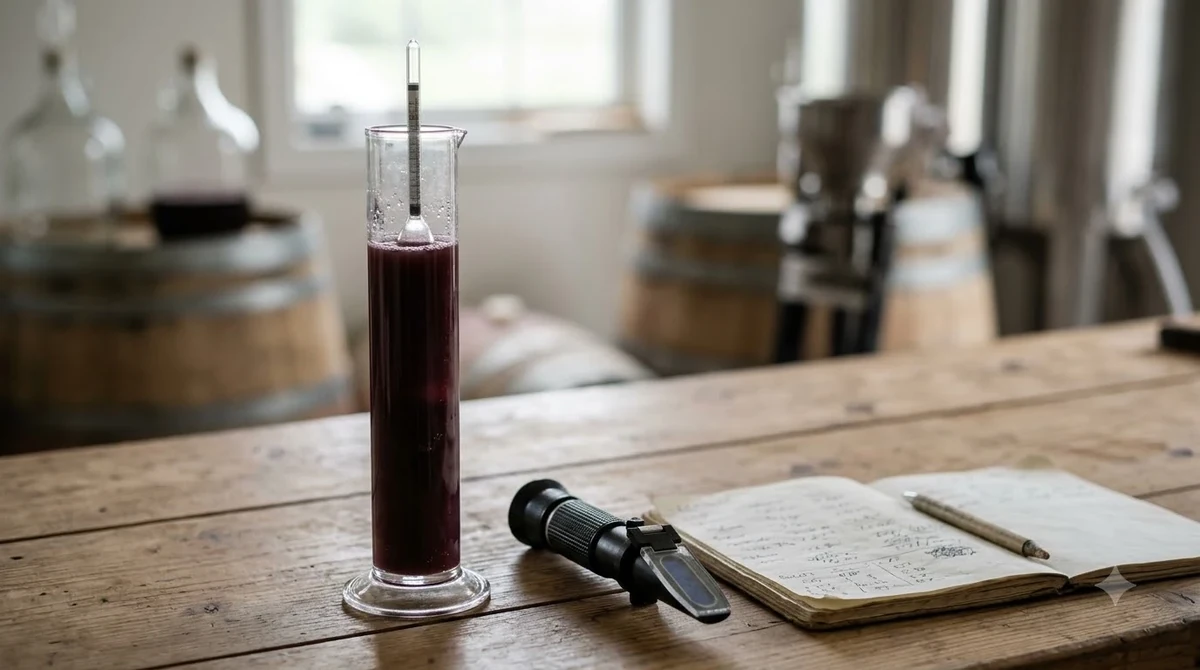
The hybrids are the foundation of the state’s wine industry. The Wisconsin Winery Association points to a long line of breeding work, beginning with the University of Minnesota’s program in 1908 and continuing with breeders such as Elmer Swenson of Osceola, Wisconsin. Swenson released several hybrids after his retirement, including Trollhaugen, Petite Jewel, and Prairie Star.
Other names you may see on a label or a tasting room list include Frontenac, La Crescent, Marquette, Edelweiss, Bluebell, and Swenson Red. Each grape gives a different character, so the best way to learn the styles is to taste a few side by side at a winery or a wine shop that carries a range of Wisconsin bottles.
Keep in mind that a grape name on a label tells you about the flavor, but it does not tell you everything about sweetness or oak. Read the back label, or ask the staff, to learn whether the bottle is dry or sweet before you buy.
How to Read a Wisconsin Wine Label
Wisconsin labels can carry a lot of information, and a few details help you choose well. The grape or blend name tells you the base flavor. The producer’s name tells you who made the wine. A specific American Viticultural Area (AVA) tells you where the grapes were grown.
The Lake Wisconsin AVA, established in 1994, covers about 43.75 square miles in Columbia and Dane counties and was the first AVA in the state. The Upper Mississippi River Valley AVA, established in 2009, covers a much larger area that includes parts of three other states. If a label names the larger AVA, the grapes may come from outside Wisconsin, so check the origin if local grapes matter to you.
| Label detail | What it tells you |
|---|---|
| Grape or blend name | The base flavor and style |
| Producer name | Who made the wine and how they work |
| AVA name | The geographic area where the grapes were grown |
| Vintage year | The harvest year, which matters most for dry table wines |
| Sweetness wording | Dry, semi-sweet, or sweet, often stated in the description |
Serving Wisconsin Wine at Home
Serving temperature shapes how a wine tastes. Lighter white wines and fruit wines taste best well chilled, while lighter reds are best slightly cool rather than warm. A short stay in the refrigerator before pouring can make a noticeable difference, especially in summer.
Glassware is a smaller factor, but it still helps. A standard white wine glass works for most Wisconsin whites, and a medium red glass suits most reds. If you serve a sweeter fruit wine, a small glass keeps the pour modest and the flavor concentrated.
Open a bottle a little before the meal if you want the aromas to develop. A red with more body may benefit from a few minutes in the glass, while a light white usually shows its character as soon as it is poured.
Pairing Wisconsin Wine With Local Food
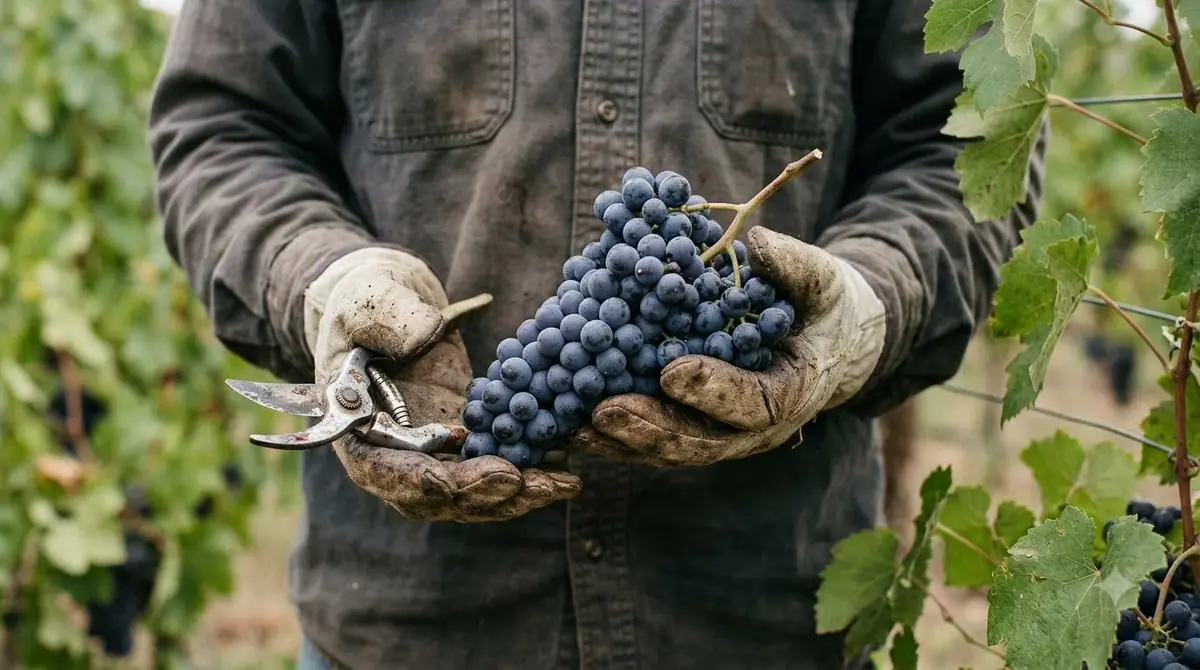
Wisconsin’s food culture pairs naturally with its wine. Cheese is the obvious match, and a fresh, acidic white or a light red often suits a soft cheese, while a richer red can stand up to an aged cheese. Sausage and smoked meats also pair well with fruit-forward reds, which can match their savory character without overwhelming it.
For lighter meals, a dry white or a fruit wine can work with salads, fish, and vegetable dishes. Sweeter wines suit dessert, especially those made with local fruit. The general rule is to match intensity: a delicate wine with delicate food, and a bolder wine with richer dishes.
Tip: Bring a Wisconsin wine to a cheese board and taste it with two or three cheeses. You will learn more about the wine in fifteen minutes than from reading a label.
Buying Wisconsin Wine
Look for Wisconsin wines at local wineries, in specialty wine shops, and at state fairs and regional festivals where wineries often showcase their lineups. The Wisconsin Winery Association’s member wineries are a good starting point for finding producers near you.
When you buy, decide whether you want something dry for dinner or sweet for a dessert course. Ask whether the bottle was made from local fruit or from grapes sourced elsewhere, and ask what the winemaker recommends for the first bottle. Staff at small wineries often know their production well and can point you to a style you will enjoy.
Prices depend on the producer, the style, and the store, so compare within a range you are comfortable with. Many Wisconsin wineries are small operations, and tasting a flight at the winery is a practical way to learn what you like before you commit to a full bottle.
A Short History of Wisconsin Wine
Wisconsin’s wine story goes back further than many people expect. In 1846, Hungarian immigrant Agoston Haraszthy established a vineyard and winery on the Wisconsin River in what is now Sauk City. He later moved to California, and his early work is part of the state’s wine heritage.
Prohibition, from 1920 to 1933, ended much of the early commercial activity. The modern industry rebuilt slowly, and the first licensed Wisconsin winery, von Stiehl Winery, opened in 1967. Wollersheim Winery, established after Bob Wollersheim bought the Haraszthy vineyard in 1972, helped link the new industry to its earliest days.
The Wisconsin Winery Co-op formed in 2008 in response to a 2007 change in state law. The state reported 41 wineries and about 480 acres of grapes in 2007, which shows how small the industry was before its recent growth. Today’s bottles reflect that long road from a single early vineyard to a network of producers across the state.
Frequently Asked Questions
Is Wisconsin wine sweet?
Not always. Wisconsin makes dry table wines, semi-sweet wines, and sweet fruit wines, so the sweetness depends on the bottle. Check the description or ask the staff at the winery or shop.
What grapes are used in Wisconsin wine?
Many Wisconsin wines are made from cold-hardy hybrids developed by university programs and breeders, including Frontenac, La Crescent, Marquette, and Trollhaugen. Some wineries also make wine from other local fruits.
What does an AVA mean on a Wisconsin label?
An AVA is a legally defined wine-growing area. A label that names a specific AVA, such as the Lake Wisconsin AVA, tells you where the grapes were grown. Larger AVAs such as the Upper Mississippi River Valley can include land in other states.
What foods go well with Wisconsin wine?
Cheese and sausage are natural partners. Fresh whites and light reds suit soft cheese and salads, while fruit-forward reds can match smoked meats. Sweeter wines work well with dessert.
Wisconsin wine rewards an open mind. Start with a dry hybrid white and a fruit-forward red, and compare how each one changes with food. To learn more about the state’s producers, the Wisconsin Winery Association is a useful starting point. For a closer look at the vineyards behind these bottles, read Wisconsin vineyards, or compare with Arizona wine.
More in Wine Regions
 Willcox Wine Trail: Discover Arizona’s High-Elevation Wine CountryUpdated Nov 20, 2026
 Yakima Valley Wine Region: Find the Best Styles to TryUpdated Nov 20, 2026
 Vosne Romanee Wine Tasting: Identify Aromas and Choose Better PairingsUpdated Nov 20, 2026
 Yakima Valley Wine Festival: Find the Best Seasonal Wine EventsUpdated Nov 20, 2026
 Wales Vineyards: Discover Cool-Climate Wines and Where to VisitUpdated Nov 20, 2026
 Yountville Wine Festival: Discover Napa Wines and Local FoodUpdated Nov 20, 2026