

We may earn a commission when you buy through links on this page, at no extra cost to you. Learn more.
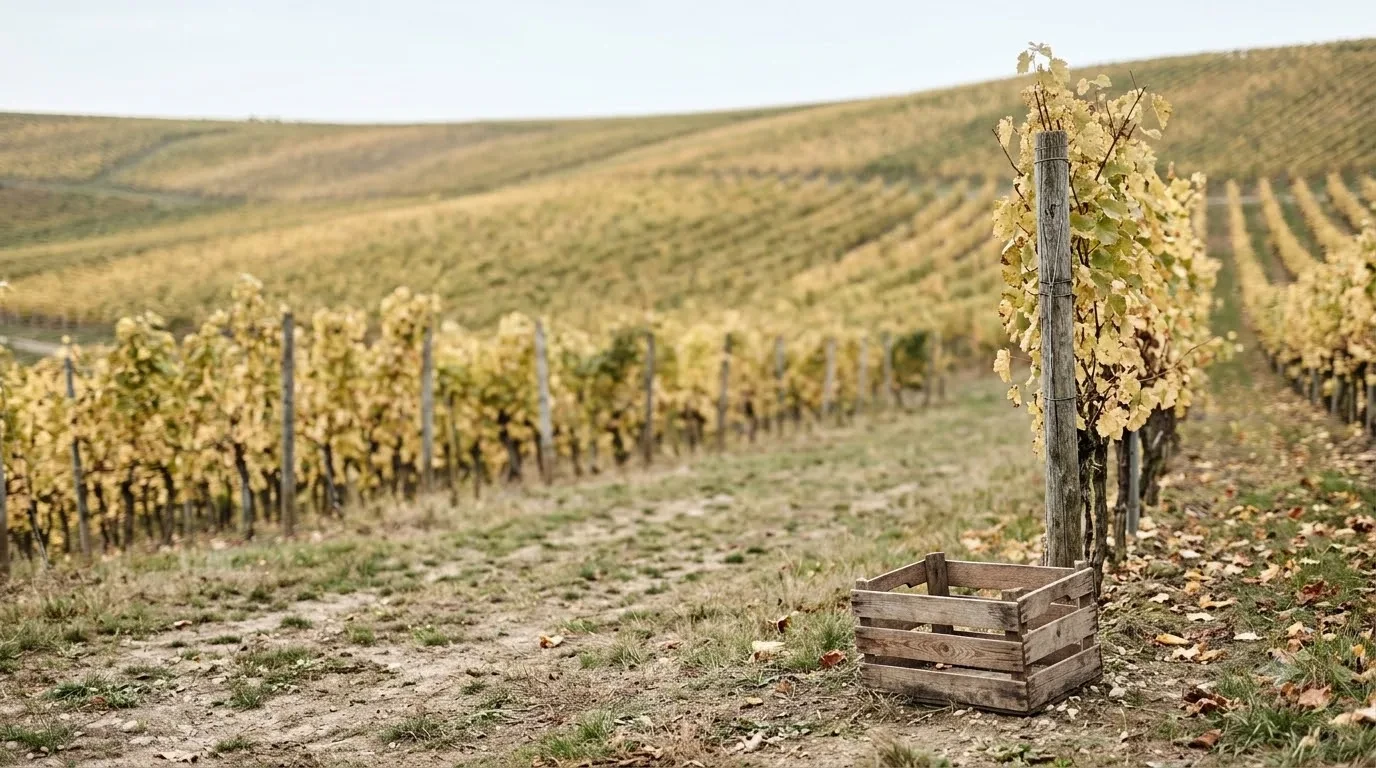
Wisconsin vineyards face a harsh climate, so many of them rely on cold-hardy hybrid grapes rather than traditional European varieties. Winemakers in the state say that growing classic European grapes through Wisconsin winters is difficult, and that problem shaped the state’s whole approach to viticulture. Understanding which grapes survive the cold, and where they are planted, is the key to understanding Wisconsin vineyards.
This guide covers how Wisconsin vineyards got started, which grapes they grow, how the wine regions are organized, and what to look for if you plan to visit or buy. The short version is that Wisconsin’s vineyards are a story of breeding, persistence, and a few notable pioneers.
Why Wisconsin Vineyards Look Different
Most of the wine world’s famous vineyards sit in milder climates where vines rarely face deep freezes. Wisconsin is far colder. The Wisconsin Winery Association notes that early growers found traditional European grapes very hard to keep alive, and winemakers responded by developing hardier varieties and by making wine from other fruits grown locally.
The climate also sets the working calendar. A short growing season means growers must plan around the first frost and the timing of harvest, and a late spring can shift the whole year. Vineyard managers who work in the state tend to think in seasons rather than months, which is one reason local tasting rooms often change their offerings through the year.
That history explains why a Wisconsin vineyard often looks different from one in California or Oregon. Instead of a single famous grape carrying the region, the state’s plantings are built around varieties chosen for their ability to survive winter and ripen in a short growing season.
The Breeding Programs Behind Cold-Hardy Grapes
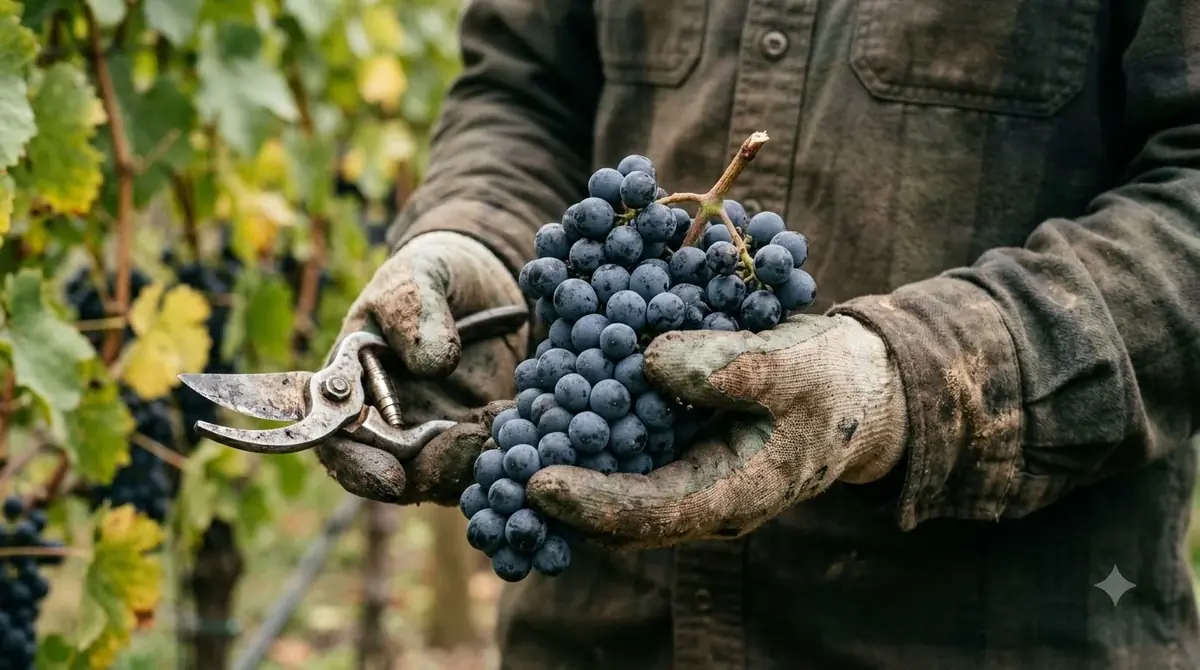
The state’s vineyard story depends on plant breeding. The University of Minnesota started a grape-breeding program in 1908 with a goal of producing grapes that could survive the Upper Midwest’s cold winters. That work produced varieties that now sit at the center of Wisconsin’s wine industry.
Elmer Swenson, a grape breeder from Osceola, Wisconsin, made an especially important contribution. After he retired, he released several hybrids, including Trollhaugen, Petite Jewel, and Prairie Star. These names are less familiar to wine drinkers than Riesling or Merlot, but they are the reason many Wisconsin vineyards can produce a crop at all.
The university releases add more names to the list. According to the Wisconsin Winery Association, they include Bluebell, Swenson Red, Edelweiss, Frontenac, La Crescent, and Marquette. Each has its own flavor profile, so a Wisconsin wine made from one of these grapes can taste very different from a wine made from another.
The Five Wine Regions of Wisconsin
The state’s wineries are commonly grouped into five regions, which helps visitors plan trips and helps buyers understand where a bottle comes from. The Wisconsin Winery Association uses these names: Northwoods in the north, Driftless in the west, Door County on the peninsula, Glacial Hills in the southeast, and Fox Valley in the east-central part of the state.
Each region has its own landscape and climate, and the differences matter. The Driftless area, for example, is known for its hills and valleys that were not reached by the last glaciers, which gives the land a distinct character. Door County, surrounded by Lake Michigan, has a microclimate that can differ from inland areas.
| Region | Location in Wisconsin | What visitors notice |
|---|---|---|
| Northwoods | Northern part of the state | Forests and lakes, with a colder climate |
| Driftless | Western part of the state | Rolling hills and river valleys |
| Door County | Peninsula between Green Bay and Lake Michigan | Lake influence and a popular travel destination |
| Glacial Hills | Southeast part of the state | Landscape shaped by glaciers |
| Fox Valley | East-central part of the state | Close to the Fox River corridor |
American Viticultural Areas in Wisconsin
Wisconsin also has officially recognized American Viticultural Areas (AVAs), which are legal wine-growing regions defined by geography. The first was the Lake Wisconsin AVA, established in 1994, which covers about 43.75 square miles in Columbia and Dane counties. It was the state’s first AVA.
A second, much larger AVA, the Upper Mississippi River Valley, was established in 2009. It covers about 29,914 square miles, including southwest Wisconsin and parts of three other states. Because it crosses state lines, a label that names this AVA can come from a vineyard outside Wisconsin, so check the bottle if you want a Wisconsin-grown wine.
Tip: On a label, look for the words “Wisconsin” and a specific AVA. A bottle that says only “Upper Mississippi River Valley” may not be made from grapes grown entirely in Wisconsin.
How Wisconsin Vineyards Developed Over Time
The modern vineyard story has deep roots. In 1846, Hungarian immigrant Agoston Haraszthy established a vineyard and winery overlooking the Wisconsin River in what is now Sauk City. He later moved to California, where he became a well-known figure in the state’s wine history.
Prohibition, which ran from 1920 to 1933, ended much of the early commercial activity. The industry rebuilt slowly. The first licensed Wisconsin winery, von Stiehl Winery, opened in 1967. In 1972, Bob Wollersheim bought the Haraszthy vineyard and established Wollersheim Winery, which connected the modern industry to its earliest days.
A change in state law in 2007 prompted a response from the industry, and in 2008 the Wisconsin Winery Co-op formed in response to that law. The Wisconsin Winery Association’s historical account does not give a current winery count, but in 2007 the state reported 41 wineries and about 480 acres of grapes, a reminder of how small the industry was before its recent expansion.
What to Look for When You Visit a Wisconsin Vineyard
If you visit a Wisconsin vineyard, expect a different experience from a large California estate. Many vineyards are small, family-run operations, and the landscape often matters as much as the wine. Door County and the Driftless area are popular with travelers who want to combine tastings with lakes, hiking, and small towns.
Ask the staff which grapes are grown on site and which fruits are used in each wine. Some wineries make wine from grapes grown elsewhere, while others work with other locally grown fruits, as the early Wisconsin industry did. Knowing the source helps you understand the flavor and decide what to try next.
Pair your visit with local food. Wisconsin is known for its cheese and dairy, and many visitors combine a winery stop with a cheese shop or a farm market. Asking the tasting room staff for a recommendation on which local products pair well with their wines is a simple way to turn a stop into a full afternoon.
Plan ahead for the season. Vineyard activity and tasting room hours change through the year, so check a winery’s website or call before you go. A short call can also confirm whether a tour is available and whether reservations are needed.
Frequently Asked Questions
Do Wisconsin vineyards grow the same grapes as California?
Not usually. Wisconsin’s cold winters make many traditional European grapes hard to grow, so many vineyards focus on cold-hardy hybrids developed by university programs and breeders such as Elmer Swenson.
Who developed the cold-hardy grapes used in Wisconsin?
The University of Minnesota began a grape-breeding program in 1908, and Elmer Swenson, a breeder from Osceola, Wisconsin, released several hybrids after he retired. Varieties such as Frontenac, La Crescent, and Marquette came from university work.
How many wine regions are there in Wisconsin?
The Wisconsin Winery Association groups the state’s wineries into five regions: Northwoods, Driftless, Door County, Glacial Hills, and Fox Valley. These groupings are useful for trip planning even though they are not all official AVAs.
When was the first Wisconsin AVA established?
The Lake Wisconsin AVA was the state’s first, established in 1994. It covers about 43.75 square miles in Columbia and Dane counties.
Wisconsin vineyards reward visitors who are curious about how wine can thrive in a cold climate. To read more about the state’s growers and wineries, the Wisconsin Winery Association’s history page is a good place to start. For other growing areas, see Arizona vineyards or the Wine Regions guide.
More in Wine Regions
 Willcox Wine Trail: Discover Arizona’s High-Elevation Wine CountryUpdated Nov 20, 2026
 Yakima Valley Wine Region: Find the Best Styles to TryUpdated Nov 20, 2026
 Vosne Romanee Wine Tasting: Identify Aromas and Choose Better PairingsUpdated Nov 20, 2026
 Yakima Valley Wine Festival: Find the Best Seasonal Wine EventsUpdated Nov 20, 2026
 Wales Vineyards: Discover Cool-Climate Wines and Where to VisitUpdated Nov 20, 2026
 Yountville Wine Festival: Discover Napa Wines and Local FoodUpdated Nov 20, 2026