

We may earn a commission when you buy through links on this page, at no extra cost to you. Learn more.
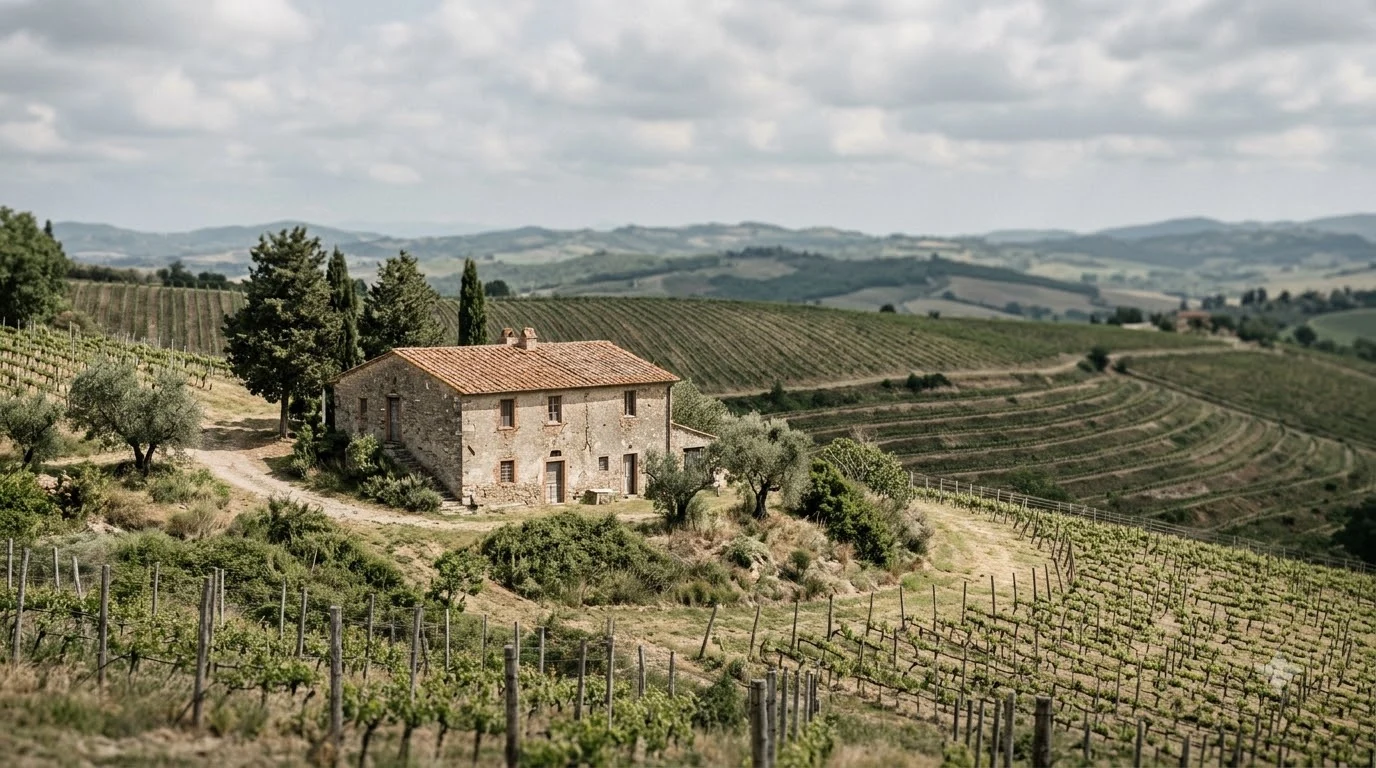
Pennsylvania wine country spans five federally recognized American Viticultural Areas (AVAs) and a network of regional wine trails, making it possible to compare lakeshore Riesling, limestone-grown Cabernet Franc, and distinctive hybrid wines on one statewide itinerary. The best-known clusters include Lake Erie in the northwest, Lehigh Valley in the east, and the Brandywine and Lancaster areas closer to Philadelphia. Expect a wide range of styles, from dry European varieties to gently sweet native-grape wines and cold-hardy hybrids.
Pennsylvania is a state to explore by region rather than by one signature grape. Its vineyards follow lake-influenced shorelines, river valleys, limestone farmland, and Appalachian foothills; the result is a wine scene with several personalities. A first visit is easier when you choose a corridor, learn a few local varieties, and leave time to talk with the people pouring the wines.
Five AVAs Define the State’s Wine Map
Pennsylvania wine country includes five federally recognized AVAs: Lake Erie, Lehigh Valley, Lancaster Valley, Cumberland Valley, and Central Delaware Valley. The Pennsylvania Winery Association’s AVA overview lists establishment dates from 1982 to 2008, while Wine Enthusiast describes the state’s AVAs as a reflection of varied geology and growing conditions.
An AVA is a defined grape-growing area, not a list of tasting rooms or a promise that every bottle tastes alike. It identifies where grapes were grown, while vineyard site, harvest conditions, and cellar choices shape the finished wine. Pennsylvania’s wine history reaches back to 1683, when William Penn planted imported Bordeaux vines near Philadelphia; according to VisitPA, those vines struggled in the local climate and cross-pollinated with native grapes. The state’s later embrace of hybrids is part of that long adaptation to local growing conditions.
| AVA | Established | Total AVA area listed | Wineries listed |
|---|---|---|---|
| Central Delaware Valley | 1984 | 96,000 acres | 3 |
| Cumberland Valley | 1985 | 756,000 acres | 22 |
| Lake Erie | 1983 | 2.2 million acres | 58 |
| Lancaster Valley | 1982 | 225,000 acres | 10 |
| Lehigh Valley | 2008 | 1.2 million acres | 10 |
These acreage and winery figures come from the Pennsylvania Winery Association’s AVA overview. The 756,000-acre Cumberland Valley boundary, for example, contains only about 100 planted acres, showing why mapped AVA size should not be confused with vineyard coverage.
The five-AVA framework does not include every name used on tourism maps. Brandywine Valley and Susquehanna Heartland, for example, are wine-trail destinations rather than additional AVAs. For context, see the site’s overview of Wine Regions; appellations and winery trails answer related but different questions.
Lake Erie Wine Country and the Northwest
Lake Erie is the state’s largest and most concentrated grape-growing zone, shaped by glacial soils and the moderating influence of the lake. The area is especially useful for visitors who want to compare native grapes, French-American hybrids, and cool-climate European varieties in one trip.
Glaciers left ridges of fertile soil and gravel along the southern Lake Erie shore. Lake Erie Wine Country describes a corridor from Silver Creek, New York, to Harborcreek, Pennsylvania; its visitor guide counts 21 member wineries along a 53-mile stretch, making this a cross-border destination rather than a single-county route. Lake influence moderates temperatures and can extend the growing season, while the local range includes Riesling, Vidal Blanc, Cabernet Franc, and Chambourcin alongside native Concord and Niagara. The Pennsylvania Winery Association describes northwestern Riesling as peachy with crisp tartness; Niagara tends toward sweet or off-dry expressions with pronounced grapey fruit, while Concord is often associated with juice and jelly as well as wine.
Vidal Blanc can be dry, semi-dry, dessert-sweet, or made as ice wine; northwestern examples are often bright and crisp. Chambourcin, a French-American hybrid, can show earthy, tobacco, and vanilla notes. Sampling these varieties reveals more of the region’s range than choosing only familiar Chardonnay or Cabernet Sauvignon.
Pennsylvania Wines describes the Lake Erie Wine Country Trail as the center of the state’s largest grape-growing region and says the corridor accounts for about 90 percent of grapes grown in Pennsylvania. Lake Erie works well as a self-guided drive: the regional association says member wineries operate year-round but advises checking individual websites because hours change by season. Plan a small cluster of stops with time for lunch and a relaxed tasting.
Lehigh Valley and the Limestone Hills
Lehigh Valley combines a recognized AVA with an established cluster of eastern Pennsylvania wineries, and it is a strong place to start for visitors interested in Cabernet Franc, Chambourcin, Riesling, and Grüner Veltliner. Its cooler pockets, varied microclimates, and limestone- and shale-influenced soils help explain why both whites and reds have a place here.
The Lehigh Valley AVA was established in 2008. The Pennsylvania Winery Association lists more than 230 planted vineyard acres and 10 wineries within its AVA summary, and says that 15 to 20 percent of Pennsylvania wine is made from grapes grown in the Lehigh Valley AVA. Wine Enthusiast identifies calcareous clay, limestone, and shale among the region’s soil types. Together, those details show why Lehigh Valley is important to the state’s industry even though its mapped AVA is much larger than its planted vineyard area.
For red wine, begin with Cabernet Franc and Chambourcin. Cabernet Franc is often aromatic and savory, with cherry, darker fruit, herbs, pepper, and sometimes a floral edge; Chambourcin can offer a deeper color and earthy or tobacco-like character. For white wine, compare Riesling with Grüner Veltliner and Vidal Blanc. Riesling’s sweetness level varies by producer, while Grüner Veltliner is generally dry and crisp, with herbal or green-fruit notes. The Pennsylvania Winery Association also identifies Lehigh Valley as home to the state’s original Grüner Veltliner plantings.
The area also pairs well with visits to Bethlehem and Allentown. Check each tasting room’s current lineup before setting a route: one may emphasize estate-grown European varieties, while another focuses on hybrids or sweeter bottlings.
Lancaster, Cumberland, and Central Delaware Valley
South-central and southeastern Pennsylvania offer a different mix of fertile farmland, limestone soils, river valleys, and historic countryside. Lancaster Valley and Cumberland Valley are both associated with limestone geology, while Central Delaware Valley includes sandstone and shale as well as limestone.
The Lancaster Valley AVA was established in 1982, and the Pennsylvania Winery Association lists 400 planted acres and 10 wineries. Wine Enthusiast identifies limestone as its defining soil type and names Cabernet varieties, Chardonnay, and Riesling among grapes suited to the area. Cumberland Valley was established in 1985; its 756,000-acre boundary contains about 100 planted acres and 22 wineries, a reminder that an AVA need not be densely covered in vines.
Central Delaware Valley, established in 1984, is the easternmost of the five AVAs in Pennsylvania’s official list. Wine Enthusiast describes sandstone, shale, and limestone there. The nearby Brandywine Valley Wine Trail lists seven member wineries between Philadelphia and Lancaster, while the Bucks County Wine Trail lists seven wineries and a cidery; trail names and AVA lines are not interchangeable.
These eastern trails suit a shorter weekend with tasting rooms, restaurants, and historic sites. Berks County’s trail lists 11 member wineries and five annual events; Susquehanna Heartland lists 17 wineries, almost 200 vineyard acres, and more than 20 tasting rooms. Choose by drive time, winery density, and wine style rather than searching for one statewide “best” region.
Grapes and Wine Styles to Look For
Taste across grape families rather than assuming one regional style. Riesling, Cabernet Franc, Chardonnay, and Pinot Noir sit alongside native grapes and hybrids such as Concord, Niagara, Vidal Blanc, Traminette, and Chambourcin.
Riesling is a useful benchmark because it can be made from bone-dry to sweet. The state grape guide describes northwestern Riesling as peachy with crisp tartness, while South Central examples can lean citrusy and floral. Vidal Blanc is similarly flexible: it appears as dry, semi-dry, dessert, and ice wine, and its freshness suits seafood and poultry. Cayuga White can be dry, sweet, or sparkling, so grape name alone does not tell you a wine’s sweetness.
For reds, compare Cabernet Franc’s cherry, dark-fruit, herb, and pepper notes with Chambourcin’s earthier, tobacco, and vanilla tones. Traminette offers a fragrant white style from dry to off-dry, with lychee, apricot, honey, and spice; Grüner Veltliner is generally crisp and dry, with herbal notes. Concord and Niagara can be fruitier and sweeter than classic European table wines.
Try a dry Riesling, a sweeter Riesling or Vidal Blanc, Cabernet Franc, and Chambourcin to compare acidity, sweetness, body, and tannin. Pair high-acid whites with dishes that have a bright citrus or vinegar component; let salt and fat soften the structure of a red. For regional contrast, Yadkin Valley wine country offers another eastern U.S. perspective, while Hill Country vineyards show a warmer-climate approach.
Planning a Pennsylvania Wine Country Trip
Choose one wine corridor for each day, then build the schedule around geography and current tasting-room hours. Lake Erie’s 53-mile route can support a full day of stops, while Brandywine’s seven-winery trail and Bucks County’s seven wineries plus a cidery are easier to shape into a shorter eastern Pennsylvania outing.
Start with two or three wineries rather than an ambitious list. Leave time for flights and questions about vineyard sites or vintages; for groups or special events, confirm reservations, tasting formats, food service, and group-size rules. Spring and summer show vines in active growth, harvest season brings vineyard activity, and winter visits can work around Lake Erie if you check seasonal offerings. A practical day might include one morning tasting, a meal, and one afternoon visit, rather than four rushed stops.
Plan transportation before the first pour: use a designated driver, hired driver, or a stay close enough to walk between venues. Keep the route compact rather than crossing the state between tastings; a Lake Erie day is not a realistic add-on to a same-day Brandywine visit. At each winery, tell staff what you enjoy and what you want to learn. For dry whites, compare Riesling, Grüner Veltliner, and Vidal Blanc; for reds, request Cabernet Franc beside Chambourcin. Ask about sweetness, oak, and whether the grapes are estate-grown or purchased.
Tip: Keep a simple tasting note for each stop: winery, grape, dry/off-dry/sweet, acidity, body, and one aroma or flavor. A few words are enough to remember whether you preferred a crisp Lake Erie Riesling, an aromatic Traminette, or a peppery Cabernet Franc when you choose bottles later.
Use small pours and take water and food breaks. A standard serving is 5 ounces, and a 750-milliliter bottle holds about five servings. Keep purchases out of a hot car and store bottles in a cool, dark place near 55°F. Food clarifies comparisons: pair high-acid Riesling or Vidal Blanc with dishes of equal or higher acidity, while salt and fat soften tannin in Cabernet Franc or Chambourcin. Tannic reds can clash with oily fish, and alcohol and tannin amplify chili heat. For dessert, choose a wine at least as sweet as the food.
Frequently Asked Questions
These quick answers address common planning and tasting questions, from appellation names to what makes a Pennsylvania bottle distinctive. The key is to use the five AVAs as a geographic guide and then choose a trail that fits your starting point and preferred grapes.
What does the Happy Valley area contribute to Pennsylvania wine?
VisitPA describes Happy Valley as having about 20 acres of vineyards. Its cold-hardy varieties include Seyval Blanc, Cayuga White, Valvin Muscat, and Geisenheim, which are used for bright, refreshing wines.
Where is Niagara most commonly grown in Pennsylvania?
Niagara is grown around the state but is concentrated in the northwest. The Pennsylvania Winery Association describes it as ranging from sweet to off-dry, with grapey fruit, candied lemon, and floral jasmine aromas.
Can Delaware grapes be made into sparkling wine?
Yes. The state grape guide says Delaware is typically on the sweeter side but can be made as white, rosé, dessert, or sparkling wine. It is grown across Pennsylvania, with a stronger presence in the northwest.
How does Albariño grown in Pennsylvania vary by site?
The state grape guide describes Albariño as a dry, crisp alternative to Sauvignon Blanc. Warmer sites with more clay tend toward riper fruit, while cooler sites and sandier soils emphasize citrus.
What are Pennsylvania Viticulture Areas, or PVAs?
VisitPA’s regional wine feature uses the term for 12 distinct Pennsylvania growing areas that help describe the state’s varied landscapes and travel zones. PVAs are a different regional framework from the five federally recognized AVAs used as appellations on wine labels.
Pennsylvania rewards visitors who choose a region with a clear idea of what they want to taste, whether that is Lake Erie Riesling, Lehigh Valley Cabernet Franc, or the hybrids found across the state. Start with one trail, leave room for conversation at the tasting bar, and let the next visit introduce a different corner of Pennsylvania wine country.
More in Wine Regions
 Willcox Wine Trail: Discover Arizona’s High-Elevation Wine CountryUpdated Nov 20, 2026
 Yakima Valley Wine Region: Find the Best Styles to TryUpdated Nov 20, 2026
 Vosne Romanee Wine Tasting: Identify Aromas and Choose Better PairingsUpdated Nov 20, 2026
 Yakima Valley Wine Festival: Find the Best Seasonal Wine EventsUpdated Nov 20, 2026
 Wales Vineyards: Discover Cool-Climate Wines and Where to VisitUpdated Nov 20, 2026
 Yountville Wine Festival: Discover Napa Wines and Local FoodUpdated Nov 20, 2026