

We may earn a commission when you buy through links on this page, at no extra cost to you. Learn more.
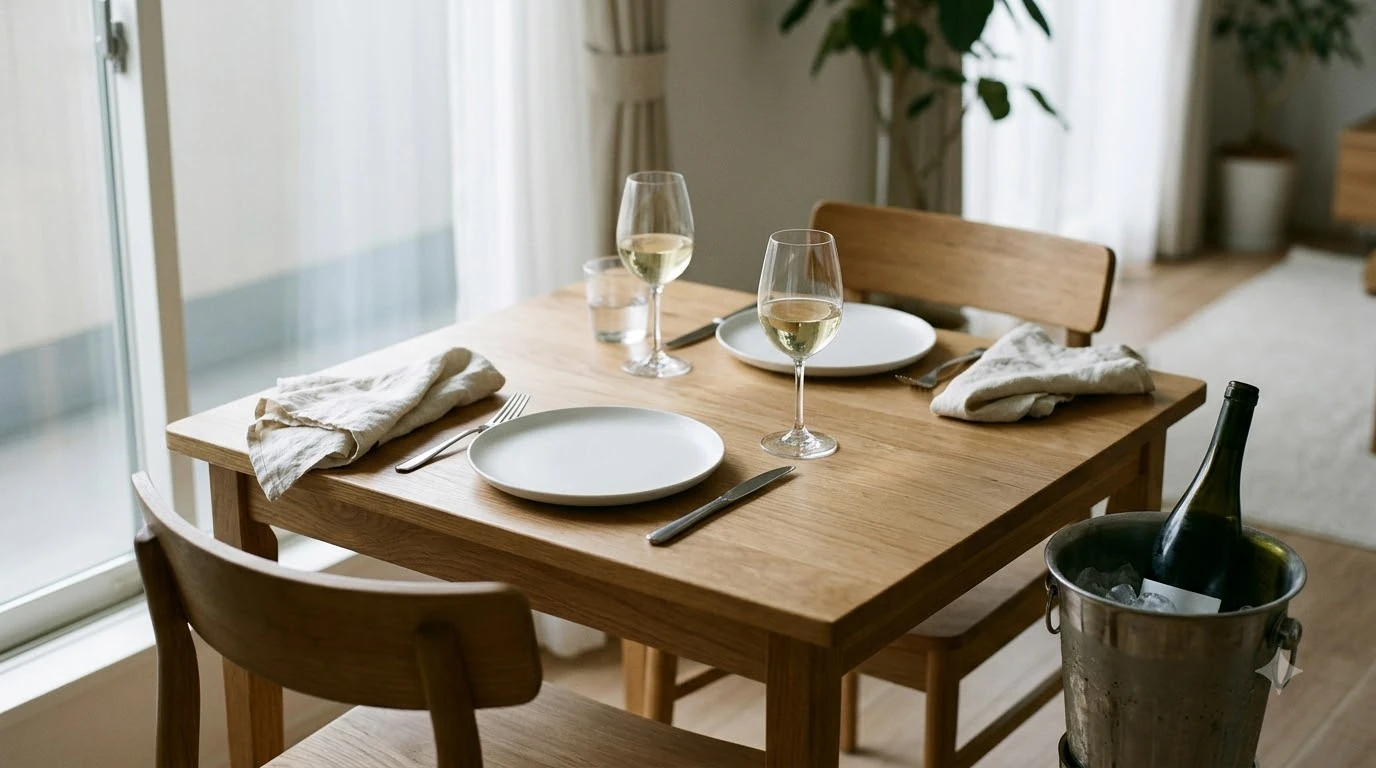
White Zinfandel vs Zinfandel comes down to two different wine styles made from the same grape: White Zinfandel is a pink, usually sweet rosé, while traditional Zinfandel is a dry, full-bodied red wine. Both use dark-skinned Zinfandel grapes, but differences in skin contact, fermentation, and residual sugar create contrasting colors, flavors, textures, and food-pairing possibilities. Choose White Zinfandel for refreshing berry fruit and gentle sweetness, or red Zinfandel for concentrated dark fruit, spice, and more noticeable tannins.
These wines can look like they belong to completely different grape families, but their shared origin makes the comparison particularly interesting. White Zinfandel became one of California’s most recognizable pink wines, while red Zinfandel developed a reputation for bold fruit, warming alcohol, and a distinctive combination of spice and ripe berry flavors. Understanding how each wine is made makes it easier to choose the right bottle for your taste, dinner menu, or occasion.
1. The Main Differences Between White Zinfandel and Red Zinfandel
White Zinfandel is a pink rosé-style wine that is usually off-dry or sweet, while traditional red Zinfandel is generally dry, darker, fuller-bodied, and more tannic. The grape variety is the same, but the winemaking process determines the finished style.
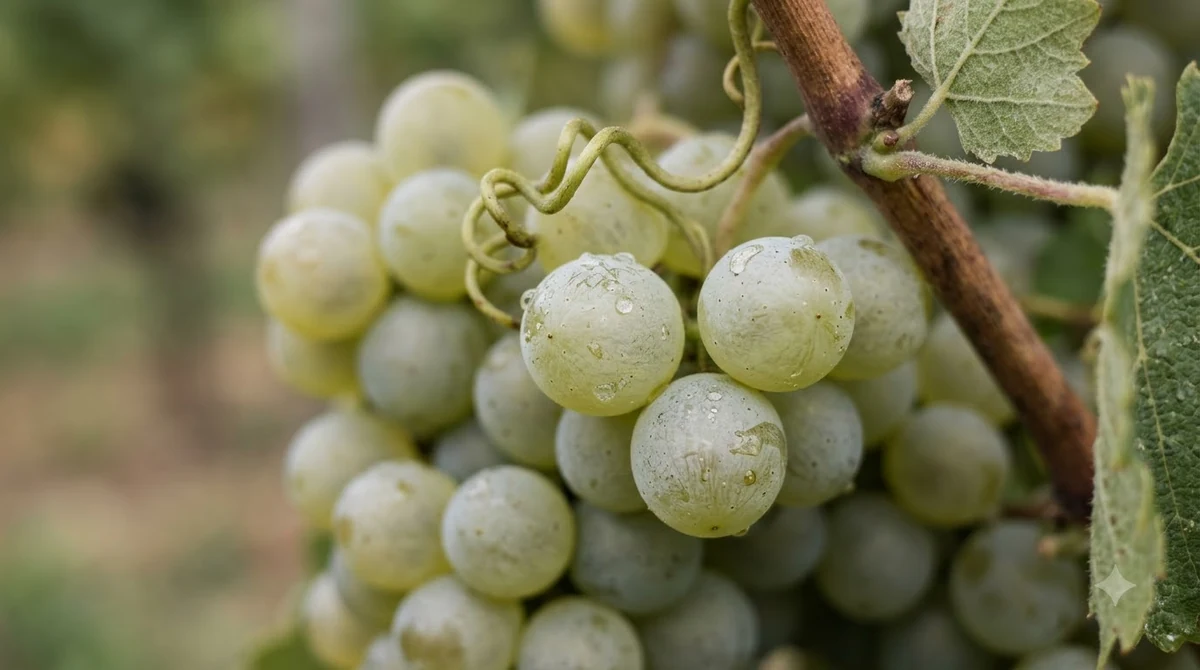
The most noticeable difference is sweetness. Many familiar White Zinfandel bottlings have a perceptible sweetness that balances their bright strawberry, raspberry, and cherry flavors. Red Zinfandel, by contrast, is generally fermented until most of the grape sugar has been converted into alcohol. Its ripe fruit flavors can suggest jam or preserves, but that does not automatically mean the wine contains much residual sugar.
Color provides another immediate distinction. White Zinfandel ranges from pale salmon to vivid pink, while red Zinfandel is typically ruby, deep garnet, or purple-red. Both colors originate largely from pigments in the dark grape skins. White Zinfandel receives limited skin contact, whereas red Zinfandel spends considerably more time fermenting with its skins.
Body and texture also separate the styles. White Zinfandel usually feels lighter, softer, and more refreshing, with relatively little tannin. Red Zinfandel generally has more weight on the palate, a stronger tannic structure, and a warmer finish, especially when made from very ripe grapes.
| Characteristic | White Zinfandel | Red Zinfandel |
|---|---|---|
| Grape variety | Zinfandel | Zinfandel |
| Wine style | Rosé | Red |
| Color | Pale pink to deep pink | Ruby to deep purple-red |
| Typical sweetness | Off-dry to sweet | Dry |
| Body | Light to medium | Medium to full |
| Tannins | Low | Medium-high |
| Acidity | Generally refreshing | Medium-low to medium |
| Common fruit flavors | Strawberry, raspberry, cherry | Blackberry, plum, black cherry |
| Other flavor notes | Melon, citrus, floral notes | Black pepper, cinnamon, vanilla |
| Serving temperature | 45–50°F | 60–65°F |
| Typical food direction | Fresh salads, seafood, spicy dishes | Barbecue, burgers, grilled meats |
These are general style comparisons rather than strict production requirements. Some White Zinfandel is completely dry, and lighter red Zinfandel can be less concentrated than the boldest examples. The producer, vineyard climate, harvest ripeness, and fermentation decisions all influence the final bottle.
For readers comparing pink wines more broadly, the distinction between rosé vs White Zinfandel is also useful because White Zinfandel is one particular type of rosé rather than a completely separate category of wine.
2. How Winemaking Creates Two Different Wines
The biggest production difference is the amount of time Zinfandel juice spends in contact with grape skins. White Zinfandel is made with limited skin contact to preserve a pale pink color, while red Zinfandel ferments with the skins to extract darker pigments, tannins, and additional flavor compounds.
Zinfandel grapes have dark skins and relatively clear pulp. When grapes are crushed, the juice itself does not immediately become deep red. Color extraction happens when the juice comes into contact with the pigmented skins. This is why a dark-skinned grape can produce both a pale rosé and a deeply colored red wine.
Making White Zinfandel
For a typical White Zinfandel, the grapes are crushed or pressed, and the juice is separated from the skins relatively early. Some producers use direct pressing, while others use a short period of skin contact to achieve a particular shade of pink and develop additional fruit character.
The resulting juice is fermented without the extended skin contact used for red wine. Fermentation temperature, yeast selection, and the decision to stop fermentation influence the wine’s final character. A producer can ferment the juice to dryness or retain residual sugar to create a sweeter style.
The familiar sweeter version has an interesting California history. According to the Lodi Winegrape Commission, an important turning point came in 1975, when a Sutter Home White Zinfandel fermentation stopped before all the sugar had been converted into alcohol. The resulting wine retained sweetness, and its popularity helped establish the recognizable modern style.
Making Red Zinfandel
Traditional red Zinfandel follows a different path. After crushing, the juice, skins, and often seeds remain together during fermentation. Yeast converts grape sugar into alcohol while the skins release color and tannins.
Winemakers manage this extraction through temperature control, cap management, and fermentation timing. Punch-downs and pump-overs move juice through the floating layer of grape skins, helping control extraction and maintain contact between the liquid and solids.
After fermentation, the wine is separated from the skins and may undergo further maturation in stainless steel, neutral vessels, or oak barrels. Oak can introduce additional flavors such as vanilla, toast, and baking spice. The result is a wine with more color, structure, and texture than its rosé counterpart.
The differences are not simply cosmetic. White Zinfandel generally has much less extracted tannin, while red Zinfandel gains the structural compounds that create a drying sensation on the gums and tongue.
Tip: When comparing two bottles, look beyond the word Zinfandel on the front label. The terms White Zinfandel, rosé, blush, and red Zinfandel indicate different styles, while sweetness descriptions and the producer’s tasting notes help explain what to expect inside.
3. Sweetness, Alcohol, and Flavor Profiles
White Zinfandel generally tastes sweeter, lighter, and more fruit-driven than red Zinfandel. Red Zinfandel typically emphasizes ripe black fruit, spice, stronger tannins, and a fuller palate, although individual producers can create considerable variation within both categories.
Sweetness is an important starting point because fruit aromas and actual sugar content are not the same thing. A dry red Zinfandel can smell like blackberry jam, ripe plums, or strawberry preserves without tasting sweet. Those impressions come from ripe-fruit aromas rather than necessarily indicating substantial residual sugar.
Many familiar White Zinfandel wines have a noticeable off-dry or medium-sweet character. Strawberry, raspberry, watermelon, and cherry flavors combine with a gentle sweetness that makes the wine approachable. Some examples also have citrus or melon notes, giving them a refreshing quality when served cold.
Alcohol differences
Alcohol content varies according to grape ripeness, fermentation choices, and the producer’s intended style. White Zinfandel often has a lower alcohol concentration than bold red Zinfandel, but this is not a universal rule.
For a specific example, the Lodi Winegrape Commission describes a dry White Zinfandel made from grapes harvested at approximately 22 degrees Brix, resulting in about 13% alcohol. This demonstrates that White Zinfandel does not have to be an especially low-alcohol or sweet wine.
Red Zinfandel can have considerably higher alcohol because the grapes are frequently harvested at high ripeness. Wine Folly’s general tasting profile describes many red examples as exceeding 15% ABV. However, lighter examples exist, particularly when the grapes come from cooler locations or are harvested earlier.
Comparing the aromas
White Zinfandel typically focuses on fresh red fruit. Strawberry, raspberry, watermelon, and cherry are common impressions, sometimes accompanied by peach, citrus, and floral notes. Its sweetness can make these fruit characteristics seem especially prominent.
Red Zinfandel generally shifts toward darker and more concentrated aromas. Blackberry, black cherry, plum, cinnamon, black pepper, and sweet tobacco are common characteristics. Some bottles also develop vanilla, toasted oak, cocoa, or licorice notes through maturation and winemaking.
According to the Zinfandel Advocates & Producers aroma reference, grape-growing conditions, vineyard location, vine age, ripeness, and winemaking all influence the finished wine’s aromatic profile. Its Zinfandel Aroma Wheel provides a useful vocabulary for identifying the fruit, spice, and oak characteristics found in different examples.
Acidity also affects the experience. White Zinfandel often feels refreshing because its fruit character and acidity balance its sweetness. Red Zinfandel generally has medium-low to medium acidity, with ripe fruit, alcohol, and tannins contributing to its fuller impression.
4. Serving Temperatures and Storage
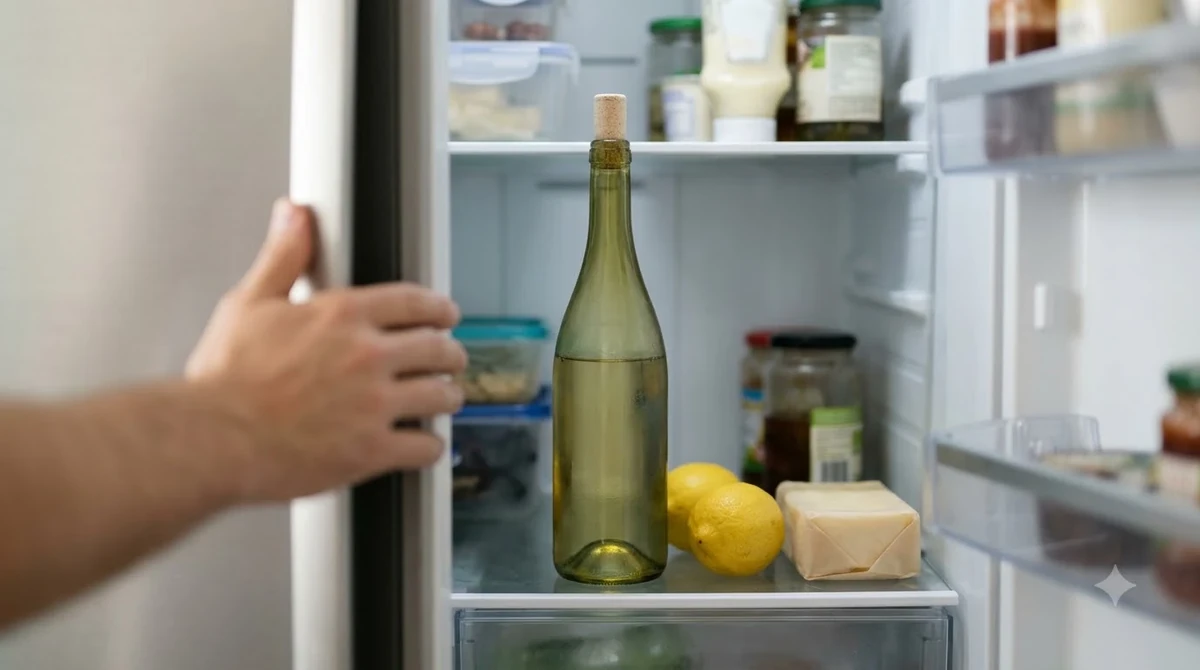
White Zinfandel tastes best properly chilled at approximately 45–50°F, while red Zinfandel generally benefits from a slightly warmer serving temperature of 60–65°F. Temperature affects aroma, perceived sweetness, alcohol warmth, and the way tannins feel on the palate.
Serving White Zinfandel too warm can make its sweetness and alcohol seem heavier. A chilled bottle feels brighter and more refreshing, allowing its strawberry and raspberry character to stand out. Avoid serving it so cold that its fruit aromas become difficult to detect.
Red Zinfandel should not be served excessively warm. Although people often associate red wine with room temperature, modern indoor temperatures can be considerably higher than the conditions traditionally associated with wine cellars. Serving a powerful red at 75°F, for example, can exaggerate alcohol warmth and make the wine feel heavy.
Practical serving recommendations
For White Zinfandel, refrigerate the bottle for a few hours before serving. If it becomes too cold, allow it to sit briefly at room temperature before pouring. A standard white wine glass works well, although a universal wine glass is also suitable.
For red Zinfandel, a short period in a cool room or refrigerator can bring the wine closer to its recommended serving temperature. A glass with enough room to swirl helps release its blackberry, spice, and oak aromas.
Young, particularly full-bodied red Zinfandel can benefit from approximately 30–60 minutes of decanting. This gives the wine time to open and allows its aromatic components to become more expressive. Lighter or older examples may need less aeration.
Storage after opening
Store unopened bottles in a cool, dark location, ideally near 55°F, with consistent temperatures and limited exposure to sunlight. Traditional cork-finished bottles are generally stored on their sides to keep the cork from drying out.
After opening, refrigerate both styles and use a suitable closure. White Zinfandel generally remains enjoyable for approximately three to five days, depending on its condition and storage. The same general period applies to most still red wines, although a particularly delicate bottle may lose its best aromas sooner.
Bring red Zinfandel toward its serving temperature before pouring again. White Zinfandel can usually be served directly from the refrigerator, allowing a few minutes in the glass for its aromas to develop.
5. Food Pairings for Each Zinfandel Style
White Zinfandel works particularly well with fresh, lightly seasoned foods, salty snacks, and dishes that benefit from a little sweetness. Red Zinfandel is better suited to richer meals, grilled meats, tomato-based dishes, and foods with enough flavor to match its body and tannins.
The difference in sweetness is especially important when matching wine with food. A wine should generally be at least as sweet as the dessert or sweet dish served alongside it. Otherwise, the wine can taste sour, thin, or unexpectedly bitter.
Best foods for White Zinfandel
White Zinfandel’s fruit-forward character makes it a useful match for casual meals and warm-weather menus. Try it with grilled shrimp, chicken salad, fresh fruit, mild cheeses, or a turkey sandwich. These foods do not overpower the wine’s relatively delicate body.
Its sweetness can also work with mildly spicy food. Thai chicken salad, lightly spiced tacos, and dishes with ginger or sweet chili sauce can complement the wine’s fruit character. However, very hot chili preparations are less suitable because alcohol and tannins can intensify the perception of heat.
Salty foods are another good direction. Salt can soften bitterness and tannin, making it a useful partner for snack foods, salty cheeses, and lightly seasoned appetizers. White Zinfandel’s gentle sweetness provides an additional contrast.
For seafood, consider grilled shrimp, crab cakes, and mildly seasoned white fish. Avoid assuming that every fish preparation works equally well with every wine. Rich, oily fish can be more difficult to match with tannic red wines, making a fresh, low-tannin rosé-style wine a more flexible option.
Best foods for red Zinfandel
Red Zinfandel is particularly suitable for barbecue. Its ripe fruit and spice complement grilled pork ribs, smoked brisket, burgers, and sausages. The wine’s fuller body can stand up to the concentrated flavors of charred meat and smoky sauces.
Pizza is another reliable pairing. Tomato sauce, roasted vegetables, sausage, and melted cheese provide enough flavor to match red Zinfandel’s intensity. The acidity of tomato-based dishes also makes the wine’s fruit character more appealing.
Other good options include roast lamb, grilled chicken with herbs, meatballs, and smoked Gouda. Salt and fat help soften the wine’s tannins, while roasted and caramelized flavors complement its blackberry, plum, and spice characteristics.
Be more careful with very spicy dishes. A high-alcohol red Zinfandel can make chili heat feel stronger, particularly when the dish contains hot peppers. Mildly seasoned grilled food is generally a safer match than extremely hot barbecue sauces.
Quick pairing comparison
| Food | White Zinfandel | Red Zinfandel |
|---|---|---|
| Grilled shrimp | Excellent | Less suitable |
| Fresh fruit salad | Excellent | Usually unsuitable |
| Chicken salad | Very good | Good with richer seasoning |
| Barbecue ribs | Good with sweeter sauces | Excellent |
| Beef burgers | Better with lighter toppings | Excellent |
| Margherita pizza | Good | Very good |
| Spicy Thai food | Good with moderate heat | Less suitable when very spicy |
| Sharp cheddar | Good | Very good |
| Chocolate cake | Only if sufficiently sweet | Generally unsuitable |
For a more detailed comparison of other bold red wines, the differences between Shiraz vs Zinfandel can help clarify how fruit concentration, tannin, alcohol, and regional style affect food pairing decisions.
6. California Regions, Buying Tips, and Choosing the Right Bottle
California is the central region to explore for both White Zinfandel and red Zinfandel, with Lodi, Sonoma, Paso Robles, and the Sierra Foothills offering different expressions of the grape. The right bottle depends on whether you prefer sweetness, fresh berry flavors, concentrated dark fruit, or a more structured red wine.
Lodi is particularly important for Zinfandel. Its warm Mediterranean climate, sandy soils, and cooling Delta breezes contribute to a range of ripe, fruit-forward wines. The region is also associated with historic Zinfandel vineyards, including older plantings that have helped preserve California’s relationship with the variety.
Sonoma County offers several distinct Zinfandel-growing areas. Dry Creek Valley, Rockpile, Alexander Valley, and Russian River Valley are notable locations. Their different combinations of climate, soils, and vineyard conditions can produce wines ranging from lively red-fruit expressions to concentrated blackberry and spice styles.
Paso Robles is another region worth exploring for red Zinfandel. Its warm growing conditions can produce ripe, full-bodied wines with dark fruit flavors and noticeable alcohol. The Sierra Foothills, including Amador County, can produce aromatic Zinfandel with raspberry, cherry, and baking-spice characteristics.
Choosing White Zinfandel
If you enjoy sweeter wines, begin with a conventional White Zinfandel labeled as off-dry or sweet. Strawberry, raspberry, and cherry flavors are common, and the wine generally feels soft and approachable.
If you prefer less sweetness, look for a dry White Zinfandel or a Zinfandel rosé. Dry examples demonstrate that the grape can produce a refreshing pink wine without the familiar sweetness associated with mass-market White Zinfandel.
The Lodi Winegrape Commission documents an example of this alternative approach through McCay Cellars. Its dry White Zinfandel illustrates how earlier picking, careful pressing, and a slower fermentation can produce a more structured, savory pink wine.
Choosing red Zinfandel
For someone new to red Zinfandel, a fruit-forward example from California is a sensible starting point. Look for blackberry, plum, cherry, and gentle spice characteristics if you want a familiar, approachable style.
If you prefer more structure, explore wines from established Zinfandel areas in Sonoma or the Sierra Foothills. Some producers make concentrated wines with firm tannins and pronounced black-pepper notes, while others focus on fresher fruit and more moderate alcohol.
Italian Primitivo is another interesting option. It is the Italian name associated with the same grape variety and is particularly important in Puglia. Primitivo wines can share Zinfandel’s ripe dark-fruit character, although regional traditions and production choices create differences in style.
Readers comparing related red varieties can also explore Syrah vs Zinfandel. Both can produce powerful reds, but Syrah often emphasizes savory, peppery characteristics, while Zinfandel is particularly associated with ripe berry and jammy fruit flavors.
Which wine should you buy?
Choose White Zinfandel if you enjoy refreshing pink wine, moderate sweetness, and red-fruit flavors. It is a practical option for casual lunches, outdoor gatherings, appetizers, and meals where a full-bodied red would feel too heavy.
Choose red Zinfandel if you prefer dry wine, more noticeable tannins, darker fruit, and a fuller palate. It is especially suitable for barbecue, roasted meat, pizza, and rich dishes that can match its intensity.
Neither style is inherently better. The choice depends on the sweetness, body, and flavor profile you enjoy. Exploring both styles from California can also demonstrate how grape selection and winemaking decisions influence the finished wine.
Frequently Asked Questions
Is White Zinfandel made from the same grapes as red Zinfandel?
Yes. Both wines are made from the Zinfandel grape, which is genetically identical to Croatia’s Tribidrag variety. The Italian name for the same grape is Primitivo. Their different colors and textures come primarily from winemaking rather than different grape varieties.
Why is White Zinfandel called white if it is pink?
The name is a historical wine-category designation rather than a literal description of its color. White Zinfandel is actually a rosé-style wine made from dark-skinned grapes. Its pale pink color results from limiting the juice’s contact with those skins during production.
Was White Zinfandel originally invented as a sweet wine?
No. Early California examples included dry wines sold under the name Oeil de Perdrix. The popular sweeter style became established after a fermentation problem at Sutter Home in 1975 left residual sugar in a batch of wine. Its unexpected popularity helped shape the modern category.
Is Zinfandel related to the Croatian grape Tribidrag?
Yes. Genetic research established that Zinfandel and Tribidrag are the same grape variety, also known by the Croatian name Crljenak Kaštelanski. This discovery helped clarify the grape’s European origins and its historical connection with California winemaking.
Can Zinfandel grapes produce sparkling wine?
Yes, although sparkling Zinfandel is much less common than still red Zinfandel or White Zinfandel. Rosé sparkling wines can be made from dark-skinned grapes by controlling skin contact and using an appropriate secondary fermentation method. The resulting style depends on the producer’s choices rather than the grape variety alone.
White Zinfandel and red Zinfandel offer two distinctly different experiences from the same California-associated grape variety. White Zinfandel is the better choice for a chilled, fruit-forward pink wine, while red Zinfandel suits drinkers who prefer dry, full-bodied wines with dark fruit and spice. Trying both is an excellent way to understand how grape handling, fermentation, and residual sugar can transform a single variety into very different wines.
More in Wine vs Wine
 Chenin Blanc vs Pinot Gris: Acidity, Body, and Pairing DifferencesUpdated Nov 20, 2026
 Chianti vs Lambrusco: How Tuscany and Emilia-Romagna Reds CompareUpdated Nov 20, 2026
 Chianti vs Primitivo: Key Differences in Taste, Body, and PairingUpdated Nov 20, 2026
 Chianti vs Rioja: Key Differences in Taste, Aging, and PairingUpdated Nov 20, 2026
 Chianti vs Shiraz: How Acidity, Body, and Food Pairings CompareUpdated Nov 20, 2026
 Chianti vs Syrah: Key Differences in Taste, Body, and Food PairingUpdated Nov 20, 2026