

We may earn a commission when you buy through links on this page, at no extra cost to you. Learn more.
Primitivo wine is the Italian name for Zinfandel, a bold red grape that is grown most famously in Puglia in southern Italy, and it makes dry, full-bodied wines with dark berry and spice flavors. Primitivo wines have medium-high tannins and usually more than 14% alcohol, so they feel rich and warm. They are best served slightly cool and paired with grilled meat, roasted vegetables and hearty tomato dishes.
Primitivo is the name you will usually see on a bottle from southern Italy, while the same grape is known as Zinfandel in California. That shared identity surprises many wine drinkers, because the two styles can taste quite different depending on where the grapes were grown. This guide explains what primitivo tastes like, how the Puglian style differs from the American one, which label names to look for, how to serve the wine and what to eat with it. It also places primitivo alongside other reds in the wider wine by type guide.
Primitivo and Zinfandel: One Grape, Two Names
The Wine Folly Zinfandel guide treats Zinfandel and Primitivo as the same grape, with Primitivo as its Italian name. The page also notes that Zinfandel’s genetics match the Croatian grape Tribidrag, a finding that became clear only in the 1990s. That history helps explain why the grape is so widely associated with warm, sunny regions, since the vine has a long and interesting background across the Adriatic.
The name on the label tells you a good deal about the style. A wine labeled Primitivo usually comes from Puglia, while a bottle labeled Zinfandel is more often from California. The grape is the same, but the climate, soil and winemaking tradition shape the final wine.
Flavor Profile of Primitivo Wine
Primitivo has a rich, fruit-forward flavor. Wine Folly lists blackberry, strawberry, peach preserves, cinnamon and sweet tobacco as the main notes. In Puglia, versions often show raspberry, blackberry, baking spice, licorice and Mediterranean herbs. The fruit is generous, and the spice and herbal notes give the wine a sense of place that is different from a California Zinfandel.
Climate changes the character as well. Cooler areas tend toward red berries and a lighter feel, while warmer sites lean toward deeper black fruit and a more concentrated style. When you choose a bottle, the region gives a clue about how bold the wine will be.
| Characteristic | Typical primitivo |
|---|---|
| Style | Dry red |
| Body | Medium-full |
| Tannins | Medium-high |
| Acidity | Medium-low |
| Typical flavors | Blackberry, raspberry, baking spice, licorice, Mediterranean herbs |
| Alcohol | Over 14% ABV in many bottles |
Puglia and the Main Primitivo Styles
Puglia is the heartland of the grape in Italy. Wine Folly describes several styles from the region, and each one tastes a little different. Primitivo di Manduria is the best-known appellation. It must contain at least 85% of the variety, and it is full-bodied and high in alcohol. The Riserva category requires a minimum of 14% ABV, so a Riserva bottle is usually the most structured of the group.
Gioia del Colle is another Puglian appellation. Its wines are generally more subdued in body and alcohol, which makes them a good choice for a lighter meal. Primitivo di Manduria Dolce Naturale is a sweet, late-harvest style made from raisinated grapes, so it tastes rich and dessert-like. White Zinfandel, which is common in the United States, is a sweet rosé and is quite different from the dry reds of Puglia.
How to Serve Primitivo Wine
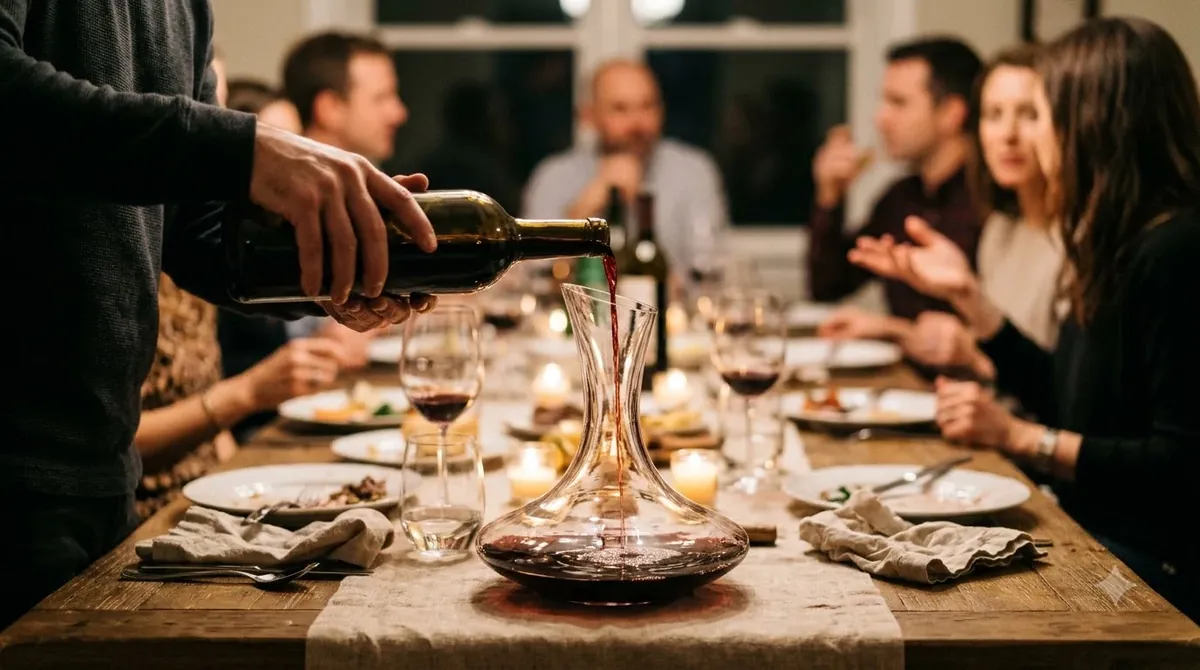
Primitivo is a warm, full wine, and it shows best at a moderate temperature. Wine Folly suggests serving it between 15 and 20 °C, which is 60 to 68 °F. A bottle that is too warm can taste heavy and hot from the alcohol, while a bottle that is too cold can hide the fruit and spice.
Decanting helps a big red like primitivo open up. Wine Folly suggests decanting for about 30 minutes before serving. Pour the wine into a wide glass and let the aromas develop. A Riserva or a richer Primitivo di Manduria can benefit from the extra air, while a lighter bottle may only need a few minutes.
Food Pairing With Primitivo Wine
Primitivo pairs well with bold, smoky food. Wine Folly recommends Moroccan and Turkish spices, along with smoked or charred flavors such as cumin, cinnamon and cocoa. Pizza rustica is a natural match from the Italian table, and barbecue suits the wine’s fruit and tannin, including ribs, pulled pork and burgers.
The wine also works with cheese and vegetables. Sharp cheddar, smoked gouda and grilled halloumi are all suggested, and vegetables such as caramelized onion, mushrooms, grilled eggplant and olives make a good partner for the wine’s savory side. The tannins help cut through fat, which is why the wine works so well with grilled and roasted meat.
Tip: Primitivo is a generous red, so it is best with food that has some weight. If you are serving a lighter dish such as grilled fish, choose a Gioia del Colle instead of a full-bodied Primitivo di Manduria.
How to Choose a Primitivo Bottle
Start with the label. A bottle that says Primitivo di Manduria is a Puglian wine with a defined style, and a Riserva will be aged and more structured. A Gioia del Colle label points to a lighter, more subdued red. If you see Dolce Naturale or White Zinfandel, you are buying a sweet style and should choose accordingly.
Next, think about the occasion. A full Primitivo di Manduria is a strong choice for a hearty meal and a barbecue. A Gioia del Colle suits a weeknight dinner, and a sweet Dolce Naturale is a good match for dessert or a cheese course. For a red that is easier to drink without much food, a lighter Zinfandel from a cooler area of California may feel closer to a fresh red-berry wine.
Pacing matters with a wine this strong. Pour a modest glass, let the fruit and spice settle, and pair the wine with food that arrives in courses. A large plate of grilled meat with roasted vegetables gives the tannins something to work with, and it keeps the alcohol from feeling overpowering. A primitivo served alone can be enjoyable, but it shines most when the meal is built around it.
Frequently Asked Questions
What is primitivo wine?
Primitivo is the Italian name for the Zinfandel grape. It is grown mainly in Puglia, where it makes dry, full-bodied reds with dark fruit and spice.
Is primitivo the same as Zinfandel?
Yes, they are the same grape. The name changes with the country, and the style of the wine depends on where it was grown and how it was made.
Is primitivo a sweet wine?
Most primitivo is dry. Dolce Naturale is a sweet, late-harvest style from Puglia, and White Zinfandel is a sweet rosé, but the classic Puglian red is dry and bold.
What food goes with primitivo wine?
Grilled meat, barbecue, pizza rustica and smoked or spiced dishes all suit primitivo. Sharp cheeses and grilled vegetables also work well.
Primitivo is a rewarding red for anyone who likes bold fruit and a warm finish. Start with a Gioia del Colle for an easy meal, or choose a Primitivo di Manduria Riserva for a special dinner, and serve it slightly cool with a good decant. For a comparison with another bold red, see the guide to cabernet sauvignon wine, or read the muscadine grape guide if you want to explore the American side of the table. The full range of styles is covered in the wine by type overview.
More in Wine Types & Grapes
 Zinfandel Sugar Content: Dry Red vs. White Zinfandel GramsUpdated Nov 21, 2026
 Best Zinfandel Substitute Options for Sipping and CookingUpdated Nov 21, 2026
 Zweigelt Food Pairing: Best Dishes, Cheeses, and Serving TipsUpdated Nov 21, 2026
 Zinfandel Tannins Explained: How Structure Shapes Every BottleUpdated Nov 21, 2026
 Zinfandel Sweetness Level: Dry Red vs. Sweet White Zin ExplainedUpdated Nov 21, 2026
 Xinomavro Food Pairing: Best Dishes, Styles, and Serving TipsUpdated Nov 21, 2026