

We may earn a commission when you buy through links on this page, at no extra cost to you. Learn more.
The phrase warres wine refers to Warre’s fortified Port from Portugal’s Douro Valley, a range that includes ruby, tawny, Late Bottled Vintage (LBV), and Vintage styles. Founded in 1670, Warre’s is known for Ports with a fresh, floral character and a strong connection to estates such as Quinta da Cavadinha. The right bottle depends on whether you prefer youthful dark fruit, mellow oak-aged flavors, or structured Port made for long cellaring.
Warre’s is one of the historic names in Portuguese Port, but its range is more varied than a single after-dinner wine. Understanding ruby, tawny, LBV, Colheita, and Vintage Port makes it easier to choose a bottle for a quiet glass, a dessert course, a celebration, or a cellar.
Warre’s Port Heritage and House Identity
Warre’s is a Port house with more than three centuries of history, and its reputation grew through the trade between Portugal and Britain. Its wines remain rooted in the Douro Valley, while the company’s history helps explain why its name appears across several distinct styles.
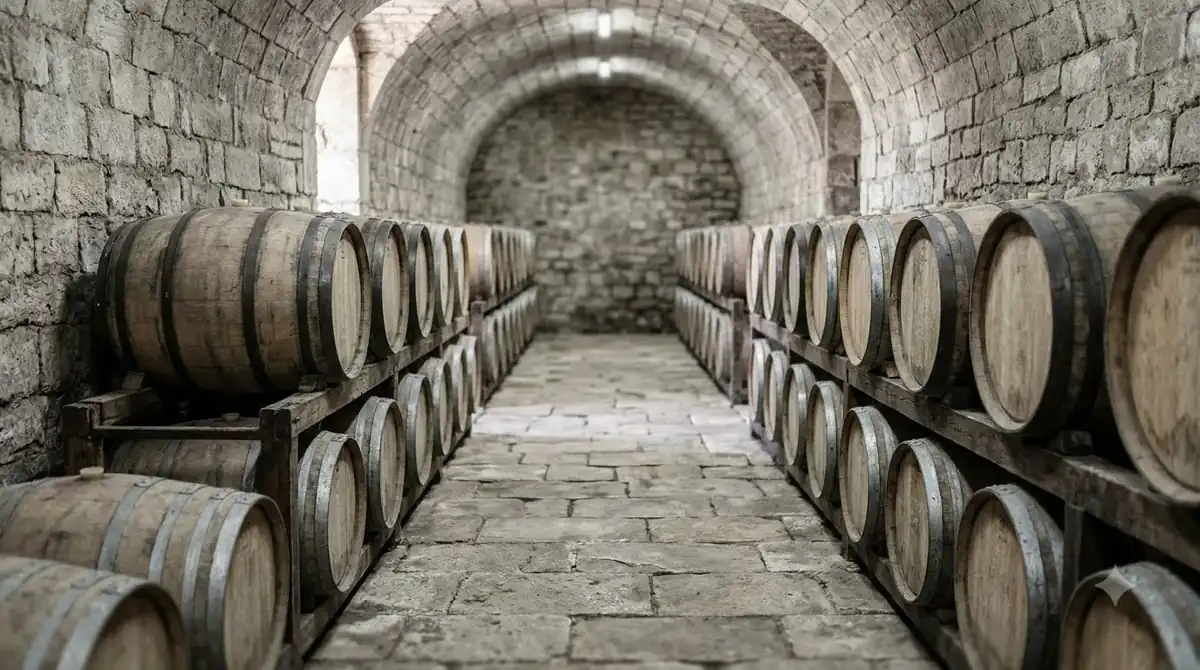
Warre’s traces its origins to 1670 and is described by Symington Family Estates as the first and oldest British Port company established in Portugal. By 1791, the firm shipped 2,937 pipes of Port, equal to 10 percent of the total sold by 21 companies that year. Those figures show how established the name had become by the end of the 18th century.
The modern ownership story is closely tied to the Symington family. Andrew James, known as A.J. Symington, arrived in Porto in 1882 at age 19, became a partner in Warre & Co. in 1905, and took sole ownership in 1908. A 1912 share exchange linked the Warre and Dow’s businesses, and the Symingtons became sole owners of both companies in 1961. Warrior, Warre’s long-running Reserve Port, has been shipped continuously since the 1750s. The house later introduced Otima 10- and 20-Year-Old Tawny to show Port’s versatility beyond a formal digestif. For another example of how a family name can shape a producer’s identity, compare the story behind Baron Philippe de Rothschild wine.
Douro Vineyards and the Warre’s Style
Warre’s character begins with its vineyard sites in the Douro, where altitude, aspect, and valley conditions influence ripeness and freshness. The company identifies three principal estates for its premium Ports: Quinta da Cavadinha, Quinta do Retiro Antigo, and Quinta da Telhada.
Quinta da Cavadinha covers 46 hectares in the Pinhão Valley, Quinta do Retiro Antigo covers 40 hectares in the Rio Torto Valley, and Quinta da Telhada covers 35 hectares. Warre’s acquired Telhada in 2006. The producer describes it as a remote riverside property near the Spanish border, with Touriga Nacional accounting for 47 percent of its vines. That grape is a key component in classic Port blends.
Cavadinha is especially important to the house style. Its main vineyard sits at about 180 meters above sea level and climbs steeply to roughly 440 meters, with east and southeast aspects. The estate’s winery opened for the 2003 harvest and has six robotic lagares; the property also supports research into grape clones and rootstocks. Retiro Antigo contributes old vines on historic stone terraces, many with just one row of vines. Warre’s describes those vines as producing concentrated wines that complement Cavadinha’s fresher character.
Warre’s house style is described by Symington as floral, fresh, and elegant. The Douro’s important red Port grapes include Touriga Nacional, Touriga Franca, Tinta Roriz, and Tinta Barroca, which are commonly blended rather than bottled as single-variety wines. Blending gives the winemaker options: one component can contribute structure and color, while another adds fragrance, acidity, or a softer texture. These choices help the company maintain a recognizable character across wines with different maturation periods.
Warre’s Ruby, Tawny, LBV, and Vintage Styles
The clearest way to read a Warre’s label is to identify the Port category first. Ruby preserves youthful fruit, tawny develops in wood, LBV offers a single-harvest expression with a longer pre-bottling period, and Vintage Port is selected for extended development in bottle.
Warre’s Heritage Ruby spends an average of three years in seasoned oak before blending, filtering, and bottling, and is ready to drink on release. Expect dark fruit and a full feel. Warrior is the house’s fuller-bodied Reserve style, drawn from Quinta da Cavadinha and Quinta do Retiro, the two estates associated with its classic Vintage Ports. Tawny is lighter in style than Ruby, with oak maturation bringing mellowness and a more oxidative character.
LBV stands for Late Bottled Vintage. It is made from one harvest and commonly spends four to six years in wood before bottling, later than classic Vintage Port. Warre’s also makes bottle-matured LBV: its 2008 example spent four years in wood, was bottled in 2012 without fining or filtration, and then aged for six more years in the company’s lodge before release. Vintage Port, by contrast, spends a relatively short time in large wooden vessels before bottling and continues to mature in bottle. Warre’s also makes single-quinta Vintage Port from Cavadinha in years when the broader house does not declare a classic Vintage. Decanter’s guide to Port styles explains how ruby, tawny, LBV, and Vintage differ in maturation and texture.
Otima 10 and Otima 20 are Warre’s age-indicated tawny expressions. Their age numbers describe the character of the finished blend rather than the exact age of every drop. A Colheita is also wood-aged, but comes from one harvest rather than a blend of multiple years; Warre’s states that its Colheitas spend at least seven years in wood before bottling.
| Warre’s style | Maturation detail | General character | Best reason to choose it |
|---|---|---|---|
| Heritage Ruby | About 3 years in seasoned oak | Fresh, dark-fruited, ready to drink | A direct introduction to Ruby Port |
| Warrior Reserve | Reserve blend; no age statement | Full-bodied, rich, balanced | A fuller after-dinner glass |
| LBV | Usually 4–6 years in wood | Single-vintage depth, often ready earlier | Vintage-style flavor without long cellaring |
| Bottle-matured LBV | Warre’s 2008: 4 years in wood plus 6 years in bottle | More developed, unfiltered character | A bridge toward Vintage Port |
| Otima Tawny | 10- or 20-year age indication | Nutty, mellow, oak-aged | A chilled glass or dessert pairing |
| Colheita | At least 7 years in wood | Single-harvest tawny character | A specific harvest with tawny maturation |
| Vintage Port | About 2 years in large wood before bottling | Concentrated, structured, built for bottle aging | A special occasion or cellar bottle |
How to Choose a Warre’s Bottle
Choose by flavor and timing rather than prestige alone. Heritage Ruby or Warrior makes sense when you want a richly flavored Port to enjoy now, while tawny, Colheita, LBV, and Vintage each offer a different balance of oak influence, harvest character, and bottle age.
For a first bottle, Heritage Ruby gives a direct view of Warre’s fruit-forward side without requiring a long cellar period. Warrior is a step toward greater weight and depth, with a fuller profile suited to a small glass after dinner. These are practical choices when the goal is to open the bottle and enjoy it rather than monitor its development for years.
Choose Otima 10 or 20 when you prefer a softer, more oxidative profile. The 20-Year-Old usually leans toward more developed notes, while the 10-Year-Old can retain a little more lift and freshness. Both can be served lightly chilled, making tawny a practical option beyond the winter holiday season.
LBV suits someone who wants a vintage-dated Port with more immediate accessibility. The category is not perfectly uniform: Wine Enthusiast notes that LBV can range from young and fruit-led to mature and wood-influenced, depending on how the producer handles maturation and bottling. Its explanation of Late Bottled Vintage Port is useful when comparing filtered, unfiltered, and bottle-aged examples. For a cellar-focused purchase, look to Vintage Port, especially a well-stored bottle from a recognized year. Warre’s single-quinta bottlings also appeal to drinkers who want a clearer expression of one estate. Cavadinha Vintage is tied to the Pinhão Valley property, rather than the wider selection of vineyards that may contribute to a classic house Vintage. This is a useful distinction when comparing site expression with the character created by blending.
Serving, Opening, and Storing Warre’s Port
Port is fortified and more concentrated than most still wines, so small pours and moderate serving temperatures help keep its richness in balance. It is commonly served in smaller measures than table wine because its alcohol and sweetness are more pronounced. Serve tawny and Colheita cool, around 50–54°F (10–12°C), rather than warm. This helps preserve detail in their dried-fruit, nut, and spice aromas. Ruby and LBV can also be served slightly cool; avoid pouring them warm from a heated room, which can make the alcohol seem more prominent. Vintage Port should be cool enough to retain freshness but not so cold that its aromas seem closed.
Decanting depends on the category. A mature Vintage Port or an unfiltered bottle-matured LBV may contain sediment, so stand the bottle upright before opening and pour slowly into a decanter, stopping when sediment reaches the neck. A young filtered Ruby or filtered LBV usually does not need decanting. Tawny and Colheita are matured in wood before bottling and generally have little or no sediment, so decanting is optional.
Store unopened bottles away from light, vibration, and temperature swings. Bottles with a traditional cork intended for further aging should be stored on their sides in a cool, stable place; ready-to-drink Ports with stopper closures can usually stand upright. After opening, close the bottle promptly and refrigerate it. Ruby and LBV tend to lose freshness sooner than tawny because tawny has already developed through oxygen exposure in cask; Decanter notes that an aged tawny or Colheita can remain enjoyable for about a week after opening.
Tip: Chill Otima Tawny before serving, then let it warm slightly in the glass. The changing temperature can reveal more of its nutty and dried-fruit character without making the wine feel heavy.
Food Pairings for Warre’s Port
Match the wine’s sweetness and weight to the food. Port works especially well with desserts and savory foods that can stand up to its concentration, but the best match changes with the style: ruby and Warrior favor rich flavors, while tawny and Colheita often suit nuts, caramel, and aged cheese.
Warre’s specifically recommends Warrior with chocolate, chocolate desserts, strong cheeses, and nuts. A dark chocolate tart can echo the wine’s dark-fruit notes, while walnuts and toasted almonds connect naturally with its dense texture. A firm blue cheese or aged cheddar gives the wine salt and fat to balance its sweetness and structure.
Otima Tawny and Colheita pair comfortably with pecan pie, almond tart, crème caramel, and desserts built around dried fruit. Their nutty character can mirror toasted nuts, caramel, and pastry. Keep the dessert no sweeter than the Port: a wine that is less sweet than the dish can taste thin or sour beside it. For a lighter finish, pour a small glass with toasted almonds or hazelnuts rather than another rich dessert.
Ruby and LBV also work with fruit-based desserts, especially those built around black cherry, plum, or berry. Think of a dark-fruit crumble or ripe berries with unsweetened cream. For savory food, a glass of tawny can work as an aperitif with salted nuts, while Warrior can follow a meal with aged cheese. Avoid pairing a tannic, high-alcohol Port with very hot chili dishes, since heat can make the alcohol feel stronger. For a broader look at wine producers, browse our Wine Brands overview; a dry red such as Campo Viejo red wine is a useful contrast because Port is fortified and typically sweeter.
Frequently Asked Questions
These answers cover label and production details that help when comparing bottles. They are particularly useful if you are choosing between a single-estate Vintage, an age-indicated Tawny, or a Port intended to be enjoyed soon after purchase.
Is Warre’s Port always red?
No. Warre’s also lists a White Port in its range, alongside its better-known red styles. White Port is made from white grape varieties and can be produced in dry, off-dry, or sweet styles, giving it a different role from ruby, tawny, LBV, and Vintage Port.
What does single-quinta Vintage Port mean?
“Quinta” means estate, so a single-quinta Vintage Port comes from one named property rather than a selection of estates. Warre’s Cavadinha Vintage is tied to Quinta da Cavadinha in the Pinhão Valley. It gives the drinker a more specific view of one property in a particular harvest.
Does every harvest become a Vintage Port?
No. Port houses declare a Vintage only when they judge the harvest suitable for that level of quality, and declarations are not made every year. Decanter notes that declarations have traditionally averaged around three or four years per decade, although the pattern is not fixed.
Why is Port sweet if it is fermented like wine?
During Port production, natural grape spirit is added while fermentation is still underway, stopping the yeast before it converts all the grape sugar into alcohol. Warre’s says this usually happens after approximately half of the natural sugar has converted. The remaining natural sugar gives Port its characteristic sweetness.
Can White Port be served in a cocktail?
Yes. A popular Portuguese-style serve combines White Port with tonic water and a citrus garnish, often called Portonic. The dry or off-dry versions are particularly useful because their freshness balances the tonic’s bitterness.
Warre’s offers a clear route through the main Port styles, from the ready-to-drink fruit of Heritage Ruby and Warrior to the mellow character of Otima Tawny and the age-worthy structure of Vintage Port. Start with the style you enjoy most, then compare how vineyard origin and maturation change the wine in the glass.
More in Wine Brands
 Underwood Wine Price: Compare Bottles, Cans, and Pack SizesUpdated Nov 21, 2026
 Zenato Wine Price: Compare Styles and Choose the Right BottleUpdated Nov 21, 2026
 Zuccardi Wine Price: Compare Bottles and Find the Right RangeUpdated Nov 21, 2026
 Yellow Tail Moscato Review: Taste, Sweetness and Serving TipsUpdated Nov 21, 2026
 Wolf Blass Yellow Label Review: Choose Your Best StyleUpdated Nov 21, 2026
 Wolffer Estate Rose Review: Choose the Right Bottle for Your TableUpdated Nov 21, 2026