


We may earn a commission when you buy through links on this page, at no extra cost to you. Learn more.
What is white port? White port (porto branco) is a fortified Portuguese wine produced exclusively in the Douro Valley from indigenous white grape varieties rather than red ones. Like traditional red port, winemakers arrest fermentation early by adding a neutral grape spirit, resulting in an alcohol level typically between 19% and 22% ABV. Unlike heavy ruby or vintage styles, white port spans a wide sweetness spectrum—from crisp and extra dry to lusciously sweet—and is traditionally served chilled as a refreshing aperitif.
While deep red ruby and aged tawny styles dominate international shelves, white port accounts for roughly 10% of total port production. Long cherished in northern Portugal as a warm-weather starter before dinner, this versatile category has earned wider attention among drinkers seeking lower-alcohol cocktail bases and crisp, nutty alternatives to standard table wines.
What Is White Port and How Is It Made?
White port is a fortified wine crafted under the strict legal regulations of Portugal’s Douro Demarcated Region, using only approved white grape varieties. Its production mirrors that of red port, relying on early fortification to preserve natural grape sugars and build body.
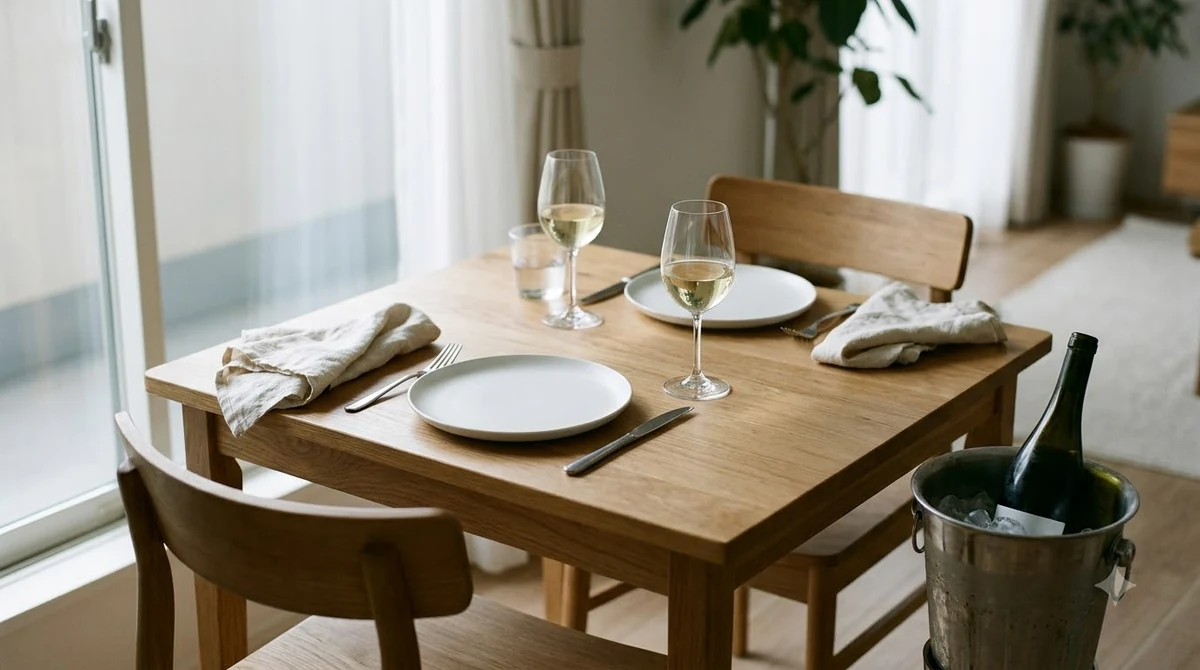
During winemaking, harvested white grapes are crushed and fermented until the juice reaches the winemaker’s target sweetness level. At that exact moment, a clear, neutral grape brandy called aguardente (at roughly 77% ABV) is added to the fermenting must. The sudden spike in alcohol halts yeast activity, leaving behind unfermented residual sugar while raising the finished wine’s strength to between 19% and 22% ABV, though a lighter category known as Light Dry White Port starts at a minimum of 16.5% ABV.
Winemakers control whether a white port finishes dry or sweet simply by timing the fortification. Letting the yeast consume almost all the grape sugar before adding spirit creates a crisp, dry style. Fortifying much earlier traps high levels of natural sugar, yielding rich, honeyed dessert expressions.
Maturation further shapes the wine’s personality. Young white ports typically rest for two to four years in stainless steel tanks or large oak vats to preserve bright citrus and floral aromatics. Other lots remain in seasoned oak casks for 10, 20, 30, or even 40 years, slowly oxidizing into amber-hued wines that mirror aged fortified wine styles.
Flavor Profile and Styles of White Port
Young white port delivers bright notes of citrus peel, green apple, spiced pear, quince, and white flowers, layered over subtle hints of toasted almond and honey. As the wine ages in oak, those fresh fruit notes evolve into richer aromas of caramel, roasted nuts, dried apricot, and warm baking spice.
Because the Portuguese term branco on a label simply denotes white grapes rather than sugar content, producers classify bottles by both sweetness and barrel age. According to Wine Folly’s guide to white port, primary tasting notes center on spiced pear, quince, almond, honey, and vanilla, though the balance shifts dramatically across the sweetness spectrum.
Extra dry and dry styles (labeled Extra Seco or Seco) feel brisk and savory on the palate, offering zesty lemon, saline minerality, and crisp almond notes with minimal residual sugar. Medium-dry or fine white styles strike an approachable middle ground with juicy stone fruit, yellow plum, and gentle floral sweetness. At the richest end sits Lágrima—meaning “teardrop” in Portuguese—an intensely sweet style named for the thick, viscous legs it leaves inside the glass, brimming with candied orange peel and wildflower honey.
| Style Designation | Sweetness Level | Typical Aging | Core Flavor Notes |
|---|---|---|---|
| Extra Dry / Dry (Seco) | Low residual sugar; crisp finish | 2 to 3 years in stainless steel or neutral wood | Lemon zest, green apple, toasted almond, subtle salinity |
| Fine White / Medium | Balanced, off-dry sweetness | 2 to 4 years in oak vats or steel | White peach, spiced pear, honey, blossom |
| Sweet / Lágrima | Luscious, high residual sugar | 2 to 4 years in wood | Candied citrus, quince paste, rich honey, vanilla |
| Aged White (10–40 Years & Colheita) | Medium-dry to sweet, concentrated | 7 to 40+ years in seasoned oak casks | Caramel, walnut, dried fig, orange marmalade, spice |
Beyond standard young blends, serious collectors seek out age-indicated white ports (10, 20, 30, and 40 Years Old) alongside single-harvest Colheita bottlings. Recognized officially by the Instituto dos Vinhos do Douro e Porto (IVDP) in 2005, these wood-aged expressions trade youthful acidity for velvety texture and deep, oxidative complexity.
Where White Port Grows and Key Grape Varieties
Authentic white port can only be produced in the Douro Valley of northern Portugal, one of the world’s oldest demarcated wine regions. Steep schist terraces carve into the river valley, where hot summers and rugged soils stress the vines into producing small, concentrated berries.
While red port relies on dark-skinned varieties like Touriga Nacional, white port is blended from native Portuguese white grapes adapted to the Douro’s dramatic elevation shifts. Higher-altitude vineyards catch cooler mountain breezes, allowing white grapes to retain vital natural acidity that prevents fortified wines from tasting cloying.
Winemakers rarely bottle a single varietal, instead blending several indigenous grapes to balance aromatics, body, and freshness:
- Malvasia Fina: The backbone of many classic blends, contributing soft texture, floral perfume, honeyed stone fruit, and subtle smokiness.
- Gouveio: Known elsewhere in Portugal as Verdelho, this grape brings lively citrus zest, crisp acidity, and aromatic lift.
- Viosinho: Prized for structure and vibrant freshness, adding green apple, white peach, and firm acidity to the blend.
- Rabigato: A high-acid variety grown on cooler, higher slopes that imparts stony minerality, orange blossom, and aging potential.
- Códega (Síria): Adds mid-palate weight, ripe yellow fruit, and a gentle touch of warm spice.
After harvest and fortification in the Douro, many barrels travel west down the river to the historic lodges of Vila Nova de Gaia, across from Porto. There, cooler coastal humidity slows evaporation and guides gradual maturation before bottling.
How to Serve White Port
Unlike red vintage port, which is poured near cellar temperature, white port should always be served well chilled between 43°F and 50°F (6°C to 10°C). Chilling sharpens its natural acidity, keeps the 20% ABV alcohol feeling crisp rather than fiery, and highlights delicate floral aromas.
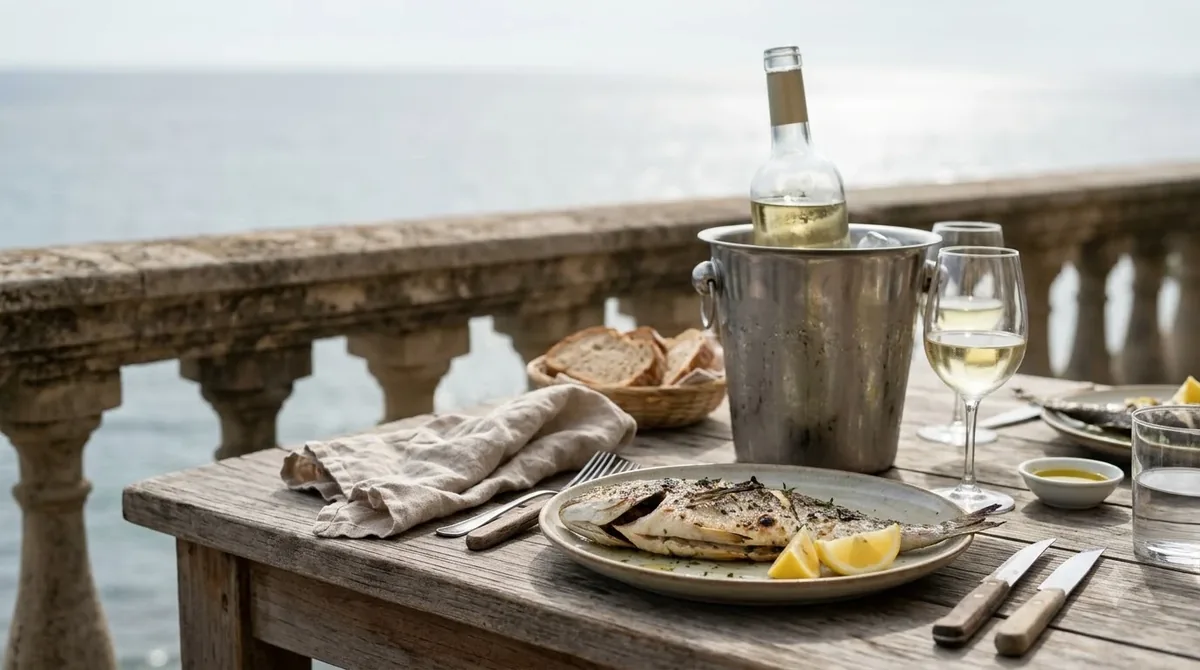
For neat pours, choose a small tulip-shaped port glass or a standard white wine glass, pouring a modest 2.5 to 3 ounces. Young dry and medium styles shine straight from the refrigerator as a pre-dinner aperitif. Older 10- or 20-year-old wood-aged white ports benefit from sitting closer to 50°F to 54°F (10°C to 12°C) so their nutty, caramelized layers can open up in the glass.
The most iconic way to drink white port in Portugal is the Porto Tónico (Port and Tonic), a lower-alcohol alternative to a classic gin and tonic. As Decanter notes in its guide to white port, most bottles sit around 20% ABV compared to gin’s 40% ABV, making the cocktail refreshing and sessionable. To build one, fill a highball or large wine glass with ice, pour in one part dry white port (about 2 ounces), top with two parts chilled tonic water (4 ounces), and garnish with a lemon twist, orange wheel, or fresh mint sprig.
Tip: Store an opened bottle of young white port sealed tightly in the refrigerator; it will stay fresh and vibrant for 8 to 20 days, whereas aged white ports last even longer.
Best Food Pairings for White Port
White port’s combination of brisk acidity, nutty undertones, and varied sweetness makes it unusually adaptable at the dining table. Dry styles cut cleanly through salty, rich appetizers, while sweeter bottlings echo roasted fruit, nuts, and creamy cheeses.
Start with classic Portuguese aperitif snacks: salted Marcona almonds, briny green olives, cured prosciutto, or crusty bread drizzled with olive oil. The wine’s citrus lift refreshes the palate between bites, while its subtle nuttiness mirrors toasted seeds and cured meats. Seafood also pairs effortlessly with dry white port—try chilled oysters, smoked salmon canapés, grilled sardines, or seared scallops.
When moving to the cheese board, white port offers an inspired alternative to red styles. Semi-firm aged cheeses like Gouda, Comté, and aged Manchego lock onto the caramel and almond notes in medium or 10-year-old white ports. If you are exploring pairing port with cheese, creamy blue cheeses such as Stilton or Roquefort also create a striking sweet-and-salty contrast alongside luscious Lágrima bottlings.
For dessert, match sweet or wood-aged white ports with fruit- and nut-driven pastries rather than dark chocolate. Portuguese pastéis de nata (egg custard tarts), baked apple or pear galettes, almond frangipane tarts, and poached figs bring out the wine’s honeyed spice without overwhelming its delicate finish.
How to Choose a Bottle of White Port
Shopping for white port comes down to deciding how you plan to serve it and reading the label for sweetness and age cues. Because producers use consistent terminology across the Douro, a quick glance at the front label tells you what to expect inside.
If your goal is mixing crisp Porto Tónicos or pouring a chilled pre-dinner glass, look for bottles labeled Extra Dry, Dry, or Seco. Producers like Taylor’s (known for its pioneering Chip Dry style), Graham’s, Fonseca, Cockburn’s, and Churchill’s craft dependable dry and fine white expressions widely available in US wine shops.
For after-dinner sipping or pairing with cheese and pastries, seek out bottles labeled Lágrima for pure floral sweetness, or step up to a 10 Year Old or 20 Year Old White Port from heritage houses like Kopke, Dalva, or Quinta da Pedra Alta. These older bottlings carry golden-amber color and rich nutty depth similar to aged tawny styles, and like their red counterparts, understanding how long aged port lasts after opening ensures you can enjoy a bottle slowly over several weeks.
Frequently Asked Questions
Is white port sweet or dry?
White port is made in styles ranging from bone-dry to lusciously sweet, depending on when the winemaker halts fermentation with grape spirit. Look for labels marked Extra Dry or Seco for crisp, low-sugar bottles, Fine White for off-dry balance, and Lágrima for rich dessert sweetness.
How strong is white port compared to regular wine?
Most white ports contain between 19% and 22% alcohol by volume (ABV), making them noticeably stronger than standard 12% to 14% table wines. A specialized category called Light Dry White Port sits slightly lower, starting at a minimum of 16.5% ABV.
Does white port have to be refrigerated after opening?
Yes, you should always recork white port and store it in the refrigerator after opening. Cold temperatures slow oxidation and keep young white ports fresh for 8 to 20 days, while older wood-aged white ports can remain delicious for a month or more.
Is white port gluten-free?
Yes, authentic white port is naturally gluten-free because it is made solely from fermented white grapes and distilled grape brandy. If you have severe sensitivities, you can read more about whether port wine is gluten-free and how barrel aging affects trace allergens.
Whether poured ice-cold with tonic on a warm afternoon or sipped alongside aged cheese after dinner, white port offers remarkable range from a single Portuguese valley. Once you know how to read its sweetness and age designations, keeping a chilled bottle in the fridge opens up an effortless new ritual for aperitif hour.
More in Wine Types & Grapes
 Zinfandel Sugar Content: Dry Red vs. White Zinfandel GramsUpdated Nov 21, 2026
 Best Zinfandel Substitute Options for Sipping and CookingUpdated Nov 21, 2026
 Zweigelt Food Pairing: Best Dishes, Cheeses, and Serving TipsUpdated Nov 21, 2026
 Zinfandel Tannins Explained: How Structure Shapes Every BottleUpdated Nov 21, 2026
 Zinfandel Sweetness Level: Dry Red vs. Sweet White Zin ExplainedUpdated Nov 21, 2026
 Xinomavro Food Pairing: Best Dishes, Styles, and Serving TipsUpdated Nov 21, 2026