

We may earn a commission when you buy through links on this page, at no extra cost to you. Learn more.
The best sonoma coast wineries for distinctive coastal wines and memorable tasting experiences include Littorai, Sonoma Coast Vineyards, Fort Ross Vineyards, Dutton-Goldfield, Freeman, and Red Car Wine. These producers offer different ways to explore Sonoma’s cool-climate Pinot Noir and Chardonnay, from private estate visits to relaxed tastings overlooking Bodega Bay. The right choice depends on whether you value vineyard-specific wines, scenic surroundings, detailed winemaking discussions, or an accessible first visit.
Sonoma Coast wine country is not a single compact collection of tasting rooms. Its vineyards stretch across rugged coastal hills, foggy valleys, and mountain ridges, while many wineries operate their production facilities farther inland. Understanding those differences makes it easier to choose worthwhile stops, compare wines from different growing sites, and plan a visit without spending the entire day driving. This guide highlights producers worth considering and explains what to look for in their wines and tasting experiences.
Who Should Visit Sonoma Coast Wineries
Sonoma Coast wineries are particularly appealing to Pinot Noir and Chardonnay drinkers who appreciate freshness, acidity, and a recognizable sense of vineyard origin. They also suit travelers interested in smaller producers, coastal scenery, and tastings that explain how fog, wind, elevation, and soil influence wine.
First-time visitors should understand that Sonoma Coast is a large American Viticultural Area (AVA), not simply a strip of vineyards beside the Pacific Ocean. The West Sonoma Coast AVA represents a more specifically coastal area, including Annapolis, Fort Ross-Seaview, Occidental, Freestone, Green Valley, and the Sebastopol Hills. Its separate recognition in 2022 helped distinguish the westernmost coastal-influenced growing areas from the larger Sonoma Coast appellation.
The wines from these cooler locations often emphasize freshness and restrained fruit rather than the fuller, riper character associated with warmer vineyards. Pinot Noir can show red cherry, raspberry, cranberry, earthy notes, and lively acidity. Chardonnay can offer citrus, green apple, mineral impressions, and a combination of freshness and texture. Individual wines still vary with vineyard location, harvest decisions, fermentation, and oak treatment.
These wineries also appeal to visitors who want more than a standard tasting flight. Littorai offers an estate tour centered on farming practices, while Fort Ross Vineyards provides food-and-wine-pairing experiences. Sonoma Coast Vineyards offers a different attraction: a tasting room overlooking Bodega Bay. Each experience emphasizes a different part of the region.
Travelers who prefer powerful Cabernet Sauvignon or heavily ripe red blends may find some coastal Pinot Noirs comparatively light. That does not make the wines less serious; it reflects the growing conditions and the stylistic choices of the winemakers. Visitors interested in a broader regional comparison can also explore the best Sonoma wineries, which include producers from warmer and more varied growing areas.
For a first visit, concentrate on two or three wineries rather than attempting to cover the entire coastline. The geography is spread out, and some vineyard roads require more driving time than a map initially suggests. A focused itinerary also provides more opportunity to ask questions, compare tasting notes, and enjoy the scenery.
Key Factors to Compare When Choosing a Winery
The best winery for a particular visitor depends on four important considerations: wine selection, vineyard character, tasting format, and location. Comparing these details before making reservations helps create a more rewarding visit than selecting wineries simply because their names appear frequently in travel recommendations.
| Winery | Location | Wine or experience focus | Important visit detail |
|---|---|---|---|
| Littorai | Sebastopol | Single-vineyard Pinot Noir and Chardonnay | Groups of 6 or fewer; advance appointment |
| Sonoma Coast Vineyards | Bodega Bay | Coastal Pinot Noir and Chardonnay | Four-wine guided flight; bay views |
| Fort Ross Vineyards | Fort Ross | Estate Pinot Noir, Chardonnay, and Pinotage | 90-minute pairing experiences by reservation |
| Dutton-Goldfield | Sebastopol | Coastal-influenced Pinot Noir and Chardonnay | Focus on individual vineyard sites |
| Freeman Winery | Sebastopol | Refined Pinot Noir, Chardonnay, and sparkling wine | Cool-climate vineyard selection |
| Red Car Wine | Sebastopol | Pinot Noir, Chardonnay, and Syrah | Check current tasting arrangements |
Location is the first practical consideration. Bodega Bay offers a coastal setting, while Sebastopol provides access to several producers working with fruit from western Sonoma County vineyards. Fort Ross and the surrounding coastal hills are more remote, making them better choices for travelers prepared to dedicate additional time to the journey.
Next, consider whether you want to taste several grape varieties or focus on a particular style. A Pinot Noir enthusiast may prefer a producer with multiple vineyard-designated bottlings. Someone interested in sparkling wine may find Freeman particularly appealing because its selection includes Blanc de Blancs. Visitors who enjoy Syrah should consider Red Car, while those curious about Pinotage can investigate Fort Ross Vineyards.
The tasting format matters just as much. A guided flight of four wines is different from a private single-vineyard comparison or a walking tour of an estate. Some experiences are designed for relaxed sightseeing, while others offer more technical information about vineyard management, fermentation, and site differences.
Finally, compare reservation policies and available time slots. Littorai does not accept drop-in visitors, Fort Ross requires reservations for its food-and-wine experiences, and Sonoma Coast Vineyards encourages reservations without requiring them for standard tastings. These differences can determine whether a proposed itinerary works.
Consider the group’s interests before booking. A couple particularly interested in vineyard practices may prefer a private appointment, while a family looking for a relaxed coastal stop may appreciate a tasting room with outdoor seating and a less structured format. Visitors who have limited time should prioritize convenient locations and clearly defined tasting durations.
Tip: Ask whether a tasting includes wines from multiple vineyard sites. Comparing two Pinot Noirs from different coastal locations in the same session can reveal more about Sonoma Coast terroir than tasting several unrelated wines.
Step-by-Step: How to Plan a Sonoma Coast Winery Visit
A successful Sonoma Coast wine trip begins with a geographic plan and a short list of wineries. Reservations, travel time, and tasting preferences should be considered together rather than treated as separate decisions.
-
Choose the part of the region you want to explore.
Start by deciding between a Sebastopol-based tasting day and a more coastal-focused outing around Bodega Bay or Fort Ross. Sebastopol is useful for visiting producers such as Littorai, Freeman, Red Car, and Dutton-Goldfield. Bodega Bay provides access to Sonoma Coast Vineyards and nearby coastal scenery.
-
Select two or three wineries with different strengths.
A useful combination might include Littorai for single-vineyard Pinot Noir and Chardonnay, Sonoma Coast Vineyards for the bay-view setting, and Freeman for a different interpretation of cool-climate wines. Avoid selecting three producers solely because they all specialize in Pinot Noir unless comparing their styles is your main goal.
-
Check the appointment requirements.
Book Littorai in advance because its visits are private and limited to six guests or fewer. Reserve Fort Ross if you want its food-and-wine-pairing experience. Red Car’s visitor arrangements should be confirmed before departure, while Sonoma Coast Vineyards accepts walk-ins for standard tastings but encourages advance booking.
-
Allow sufficient time between locations.
Plan for driving on winding rural roads, finding parking, and enjoying each tasting without rushing. A 90-minute Fort Ross pairing experience requires more time than a quick tasting-room stop. Coastal drives can also take longer than their mileage suggests.
-
Decide what you want to learn about the wines.
Prepare a few questions about vineyard elevation, marine influence, oak aging, whole-cluster fermentation, and differences between vineyard-designated wines. These topics are especially useful when tasting Pinot Noir from locations such as McDougall Vineyard, Redwood Ridge, or Manchester Ridge.
-
Build a comparison rather than collecting tasting notes at random.
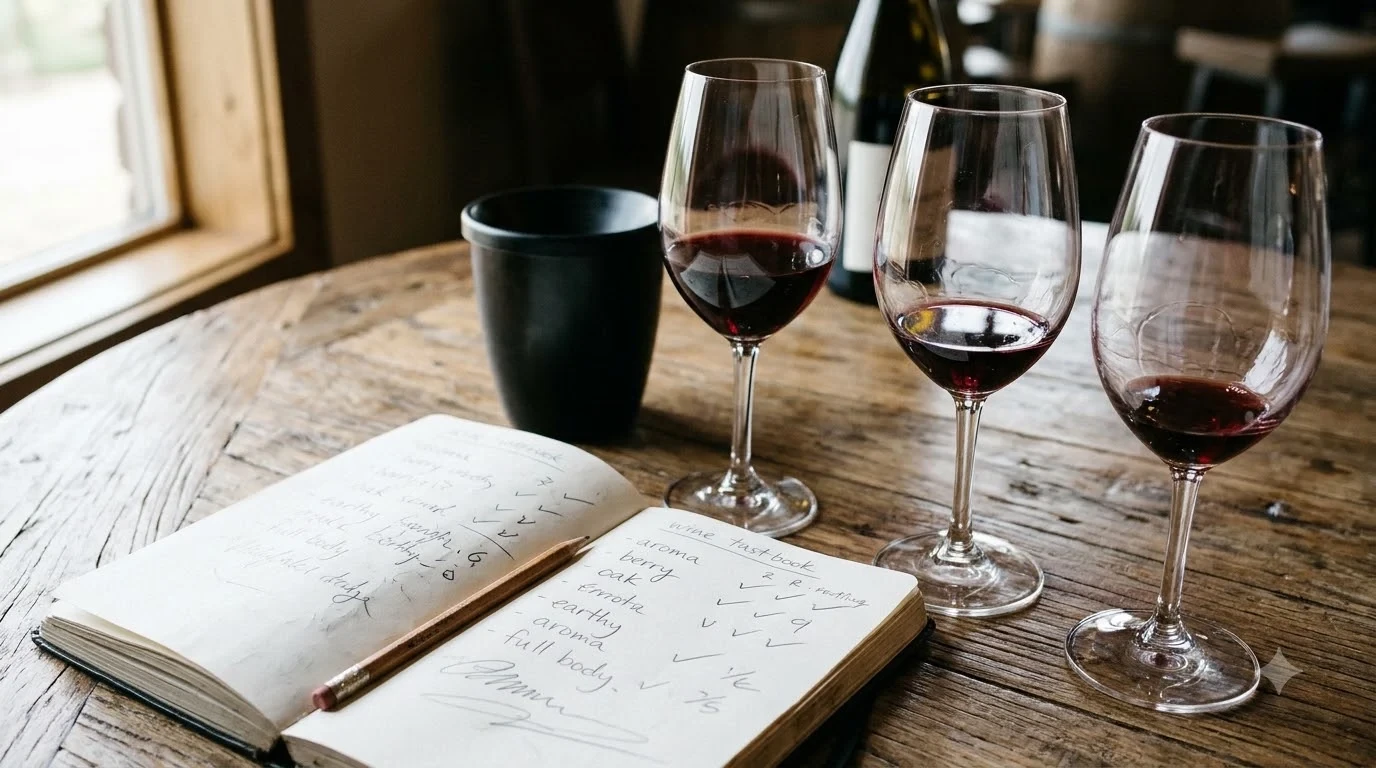
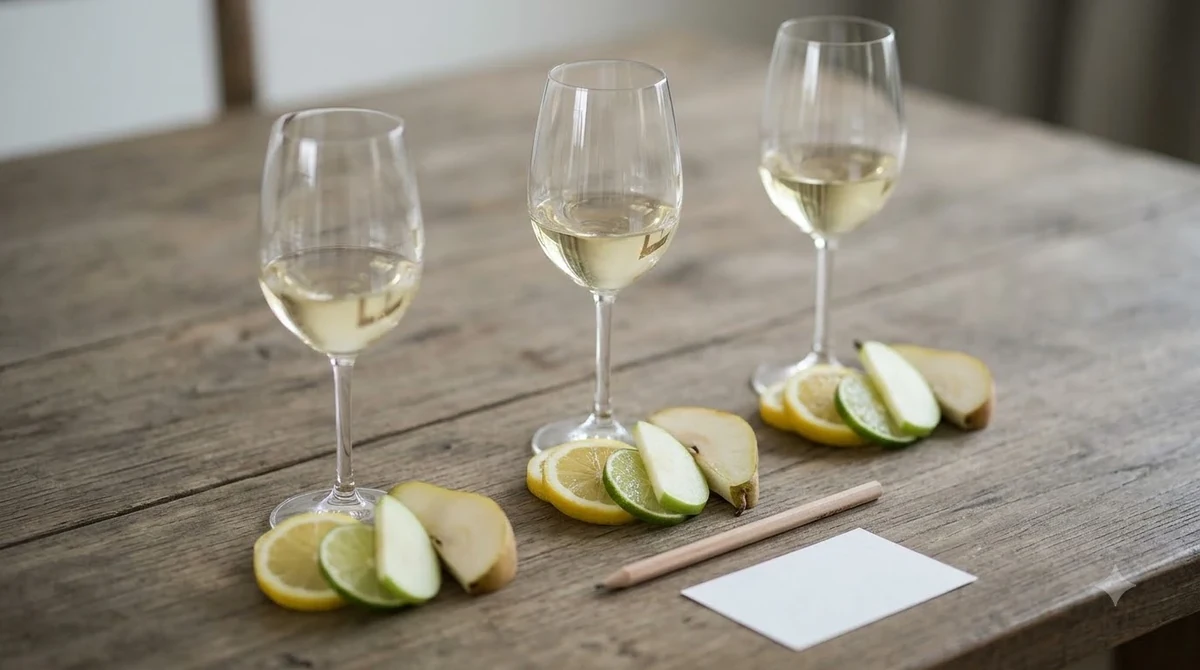
Record the grape, vineyard designation, acidity, body, fruit character, and oak impression of each wine. For Pinot Noir, compare red-fruit character, earthy notes, tannin, and finish. For Chardonnay, pay attention to citrus, texture, acidity, and the influence of oak.
-
Finish with a practical transportation plan.
Arrange a designated driver or appropriate transportation before beginning tastings. Keep the itinerary geographically sensible and avoid adding distant appointments simply because they are available. If a winery is a long distance from the next stop, allow extra time rather than attempting to squeeze another visit into the schedule.
One particularly useful itinerary is a Sebastopol-centered day that combines Dutton-Goldfield with Freeman or Littorai. A separate coastal outing can focus on Sonoma Coast Vineyards and Fort Ross, although these stops are not close enough to assume that the trip will be a short transfer between neighboring tasting rooms.
Before leaving, confirm the address and appointment details for every stop. Some producers have vineyard addresses that differ from their tasting-room locations. This distinction matters particularly in the coastal hills, where a vineyard’s remote setting may be quite different from the location where visitors are welcomed.
It is also useful to plan a meal between tastings. Food makes the day more comfortable and provides a chance to discuss the wines without feeling rushed. If a winery permits outside food, bring something simple that complements the wines rather than relying on an unplanned restaurant stop along a rural route.
Types of Sonoma Coast Wineries and Their Wine Styles
Sonoma Coast wineries can be understood through their growing sites and production philosophies. The most useful distinctions are between highly coastal vineyards, elevated mountain sites, fog-influenced inland areas, and producers emphasizing individual vineyard bottlings.
Highly Coastal Producers
Producers working with vineyards close to the Pacific often emphasize freshness, moderate ripeness, and site expression. The West Sonoma Coast includes rugged locations where wind, fog, and cooler conditions influence grape development. The resulting Pinot Noir may show bright red fruit, herbal details, earthy complexity, and refreshing acidity.
Peay Vineyards is associated with the rugged, wind-swept vineyards of the Annapolis area. The winery and tasting room are located away from the actual vineyard sites because of the difficult coastal roads. This distinction is important: a winery can produce genuine coastal wines without operating a tasting room directly beside the ocean.
Fort Ross Vineyards offers another way to understand coastal growing conditions. Its estate wines include Pinot Noir and Chardonnay alongside Pinotage. The Pinotage bottling provides an interesting alternative for visitors who want to explore something beyond the region’s familiar Burgundy varieties.
Mountain and Elevated Vineyard Sites
Fort Ross-Seaview is a particularly important subregion for understanding elevation. According to Sonoma County Tourism’s AVA information, West Sonoma Coast vineyards occupy elevations ranging from approximately 400 to 1,800 feet. Fort Ross-Seaview itself includes steep ridges, mountainous terrain, and vineyards often situated around 900 to 1,200 feet above sea level.
Such locations can produce wines with a different balance of ripeness and freshness from vineyards in lower, more sheltered areas. Chardonnay and Pinot Noir are especially important varieties. Comparing a Fort Ross-Seaview wine with a bottling from another part of Sonoma Coast can demonstrate how elevation and exposure influence the finished wine.
Cold marine air and heavy fog create challenging conditions for grape growers. They can also contribute to slower ripening and pronounced acidity. The resulting wines may have a more restrained fruit profile than bottles from warmer inland sites, although winemaking decisions can substantially change the final style.
Fog-Influenced Valley and Hillside Wines
Green Valley is another area worth understanding. It is one of Sonoma County’s coolest appellations, with foggy weather and sandy, fast-draining soils. Pinot Noir and Chardonnay are especially well suited to these conditions.
Freeman Winery and Dutton-Goldfield are useful producers to investigate when exploring cool-climate Sonoma wines. Freeman emphasizes balance and refinement, while Dutton-Goldfield focuses on fruit from cool, coastal-influenced vineyards. Their wines provide a useful comparison for visitors who want to understand how two producers can interpret similar climatic influences differently.
Red Car is another interesting name for Pinot Noir enthusiasts. Its wine selection includes Chardonnay and Syrah, providing a wider opportunity to compare how different grapes respond to coastal growing conditions. A Syrah from a cool coastal site can have a different aromatic profile and structure from a fuller, warmer-climate example.
Single-Vineyard and Site-Specific Bottlings
Some of the most interesting Sonoma Coast wines identify the vineyard or block where the grapes were grown. These bottlings allow drinkers to compare distinct growing locations instead of treating the appellation as one uniform place.
Sonoma Coast Vineyards highlights several site-specific Pinot Noir bottlings, including Manchester Ridge, Bodega Ridge Block, Dutton Ranch Jewell Block, and Occidental Road Vineyard. These wines are particularly interesting for visitors who want to compare vineyard identity and understand how differences in exposure and location can appear in the glass.
Dutton-Goldfield provides another useful example of site-focused production. Its Pinot Noir selections include McDougall Vineyard near the Gualala River and Redwood Ridge Vineyard in the Annapolis area. Tasting wines from different vineyards can reveal contrasts in fruit character, acidity, texture, and overall structure even when the grape variety remains the same.
For additional context, it helps to compare coastal wines with the broader range available in other California regions. The best Paso Robles wineries offer a useful contrast, particularly for visitors interested in warmer-climate reds and Rhône varieties rather than predominantly cool-climate Pinot Noir and Chardonnay.
Common Mistakes When Visiting Sonoma Coast Wineries
The biggest mistake is assuming that every winery producing Sonoma Coast wine has a tasting room on the coast. The region covers a large area, and many producers make wines from coastal vineyards while operating their wineries in places such as Sebastopol or other inland communities.
Another mistake is confusing Sonoma Coast AVA with West Sonoma Coast AVA. The larger appellation encompasses a broad range of growing environments. The West Sonoma Coast AVA identifies a more specifically western, ocean-influenced area. Fort Ross-Seaview is another distinct appellation within the broader Sonoma Coast geography. These names provide useful information, but they are not interchangeable.
Visitors also sometimes expect every Sonoma Coast Pinot Noir to taste light, delicate, and identical. Cooler growing conditions can support freshness and acidity, but winemaking decisions matter. Extraction, oak treatment, harvest timing, and fermentation techniques can all affect body, tannin, and perceived ripeness.
Ignoring reservation requirements is another avoidable problem. Littorai operates by advance appointment and does not offer drop-in visits. Fort Ross requires reservations for its scheduled food-and-wine experiences. A visitor arriving without an appointment may find that an otherwise attractive winery cannot accommodate the group.
It is also a mistake to plan too many stops. Three substantial tastings can easily fill a day, especially when driving between remote locations. A better approach is to choose two wineries that offer different experiences and leave enough time for food, sightseeing, and a relaxed comparison of the wines.
Finally, do not select a winery solely because it offers an ocean view. The setting can be memorable, but the wine selection should also match your interests. Sonoma Coast Vineyards is an appealing option for its bay-facing location, while Littorai and Dutton-Goldfield are especially interesting for visitors who want to investigate individual vineyard character.
Another common error is overlooking the tasting experience itself. A private appointment, a guided flight, and an informal tasting-room visit serve different purposes. Someone who wants detailed information about farming and vineyard management should favor an educational experience, while a traveler looking for a scenic afternoon may prefer a more relaxed location with outdoor seating.
Visitors should also avoid assuming that the weather at a tasting room reflects conditions at a distant coastal vineyard. Marine fog, wind, and elevation can create substantial differences across the region. A sunny afternoon in Sebastopol does not necessarily mean that the coastal vineyards are equally warm or clear.
Wine Buying, Serving, and Storage Tips
Buying Sonoma Coast wines is easier when you understand the characteristics of Pinot Noir and Chardonnay and know how to evaluate vineyard designations. The goal is to choose bottles that match your preferences rather than assuming that the most expensive or most famous producer will always be the right choice.
Choosing Pinot Noir
Start with the fruit character and structure. Sonoma Coast Pinot Noir commonly emphasizes red cherry, raspberry, cranberry, and earthy or savory details. Its acidity is typically relatively high, while tannin is generally low to medium compared with varieties such as Cabernet Sauvignon.
If you prefer a lighter, more aromatic red, look for wines described as fresh, restrained, or elegant. If you prefer greater concentration, investigate individual vineyard bottlings and ask how the winemaker approaches extraction and oak aging. These decisions can make two wines from the same broad appellation taste quite different.
Vineyard-designated wines can be particularly useful for collectors who want to understand a producer’s range. A single-vineyard Pinot Noir identifies a more specific source than a general regional bottling. It does not automatically mean that the wine is superior, but it provides a more focused starting point for comparing site expression.
Pay attention to vintage as well. Cooler growing seasons can produce different fruit concentration and ripeness from warmer seasons. The same vineyard and producer may therefore offer noticeably different expressions from one harvest to another.
Choosing Chardonnay
Sonoma Coast Chardonnay can be an excellent choice for drinkers who appreciate freshness and texture. Look for citrus, apple, pear, and mineral impressions, with the balance of acidity and oak depending on the producer’s style.
For a brighter, less oak-driven experience, ask whether a bottling is fermented or aged with a restrained oak approach. For a richer style, ask about barrel fermentation, lees contact, and malolactic fermentation. These production details can explain why one Chardonnay feels creamy and rounded while another is leaner and more citrus-driven.
Chardonnay’s versatility makes it especially useful at the dinner table. Its acidity can complement foods with similar freshness, while a richer, fuller example can work with roasted poultry, creamy sauces, or richer seafood preparations. The wine’s weight and acidity should be considered alongside the intensity of the dish.
Serving Temperature
Serve Sonoma Coast Chardonnay at approximately 50 to 55 degrees Fahrenheit when it has a fuller-bodied style. A lighter, fresher white can be served around 45 to 50 degrees. Pinot Noir generally shows its aromatic character well at 55 to 60 degrees rather than at typical room temperature.
A bottle served too cold can conceal its aroma and texture. A red served too warm can seem softer and more alcoholic than intended. If a bottle has been refrigerated for a long period, allow it a little time to warm before pouring.
For a formal tasting, use reasonably sized wine glasses with enough room to swirl the wine. A standard pour is approximately 5 ounces, and a 750 ml bottle provides about five such servings. Smaller tasting pours allow visitors to compare more wines without filling their glasses too heavily.
Storing Open and Unopened Bottles
Store unopened bottles on their sides in a consistently cool environment near 55 degrees Fahrenheit, away from direct sunlight and major temperature fluctuations. This is particularly useful for wines sealed with natural corks.
After opening a still Sonoma Coast wine, reseal it and keep it in the refrigerator. Most opened still wines are best consumed within three to five days, depending on the wine and storage conditions. Remove the bottle from the refrigerator briefly before serving if it has become too cold.
For bottles intended for longer storage, avoid placing them near ovens, heating equipment, or sunny windows. Repeated changes in temperature can affect wine quality. A dedicated wine refrigerator is useful if a collection includes multiple bottles that need consistent storage conditions.
For more general advice about selecting bottles, comparing wine styles, and evaluating what belongs in a home collection, the wine-buying resources provide a useful starting point.
Visitors interested in comparing California wine regions can also look beyond Sonoma. The best Temecula wineries provide another perspective on California wine, with a different climate and selection of grape varieties.
For current visitor arrangements, consult the wineries directly before setting out. Sonoma Coast Vineyards’ official visit information explains its guided four-wine flight, location, and tasting schedule. This is particularly useful for travelers who want to include Bodega Bay in their itinerary.
Frequently Asked Questions
What is the difference between Sonoma Coast and West Sonoma Coast AVA?
Sonoma Coast is the larger appellation, while West Sonoma Coast became a separate AVA in 2022. The western appellation focuses on more directly coastal and coastal-influenced growing areas, including Annapolis, Fort Ross-Seaview, Occidental, Freestone, Green Valley, and Sebastopol Hills. The two names therefore describe different geographical scopes.
Can visitors taste wines directly at coastal vineyards?
Some coastal properties welcome visitors, but many producers operate their tasting rooms elsewhere. Sonoma County Tourism identifies rugged terrain and difficult access as important reasons for this arrangement. Some wineries transport harvested grapes from coastal vineyards to inland facilities for production.
Which Sonoma Coast wineries are best for sparkling wine?
Freeman Winery is a useful starting point because its West Sonoma Coast selection includes Blanc de Blancs sparkling wine. Blanc de Blancs refers to sparkling wine made from white grapes, and the Freeman bottling uses Pinot Noir and Chardonnay. Ask about the current tasting selection before visiting if sparkling wine is your main interest.
Is Sonoma Coast Pinot Noir suitable for long-term cellaring?
Some carefully made single-vineyard Pinot Noirs can develop additional complexity over several years. Their aging potential depends on vintage conditions, acidity, tannin, fruit concentration, winemaking, and storage. Ask the producer for a recommended drinking window for the specific bottling rather than applying one aging period to every Sonoma Coast Pinot Noir.
What is the best time of year to visit Sonoma Coast wineries?
Harvest typically takes place during late summer and fall, with exact timing varying by variety and growing conditions. Mid-September through early November can affect appointment availability at small producers such as Peay Vineyards. Spring and early summer can be appealing alternatives for visitors seeking a less harvest-focused experience, although individual winery schedules should always guide planning.
The best Sonoma Coast winery experience combines wines that suit your preferences with a visit that fits your travel plans. Littorai, Sonoma Coast Vineyards, Fort Ross, Dutton-Goldfield, Freeman, and Red Car each provide a different perspective on this distinctive California wine region. Choose a small number of producers, compare their vineyard influences, and take time to appreciate what makes Sonoma Coast Pinot Noir and Chardonnay distinctive.
More in Wine Buying Guides
 Riesling Gift: Choose a Bottle They’ll LoveUpdated Nov 21, 2026
 Sweet Red Wine Gift: Choose a Bottle They’ll LoveUpdated Nov 21, 2026
 Malbec Gift: How to Choose a Memorable Bottle for Any OccasionUpdated Nov 21, 2026
 Sherry Gift Ideas That Match Every Wine LoverUpdated Nov 21, 2026
 Moscato Gift: How to Choose a Sweet Wine They’ll LoveUpdated Nov 21, 2026
 Merlot Gift: How to Choose a Bottle They’ll AppreciateUpdated Nov 21, 2026