

We may earn a commission when you buy through links on this page, at no extra cost to you. Learn more.
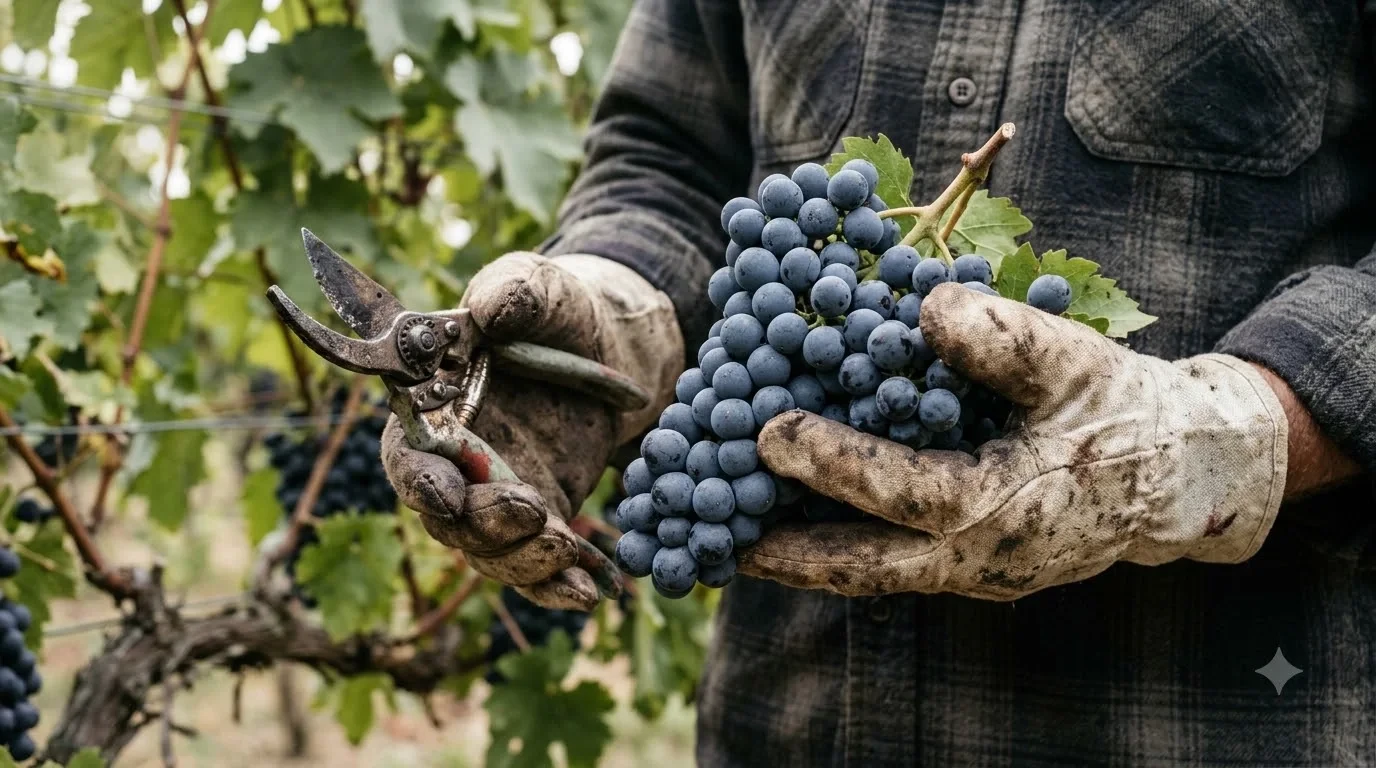
Fort Ross vineyards are the grapes planted in the Fort Ross-Seaview American Viticultural Area, a high and cool region on the western edge of Sonoma County, California. The AVA was established in 2011 and covers about 27,000 acres, but only about 506 acres of that land are planted. The vines grow on steep hillsides above the coastal fog line, where cool ocean air and strong sun shape a distinct style of Pinot Noir, Chardonnay, and other varieties.
This guide explains where the Fort Ross vineyards sit, how their climate and soils differ from the lower parts of Sonoma, which grapes grow there, and what the wines tend to taste like. It is written for shoppers choosing a bottle and for travelers planning a visit.
Where the Fort Ross Vineyards Are Located
The vineyards cluster on hillsides in a cool, elevated zone that sets them apart from the valley floors of Sonoma County.
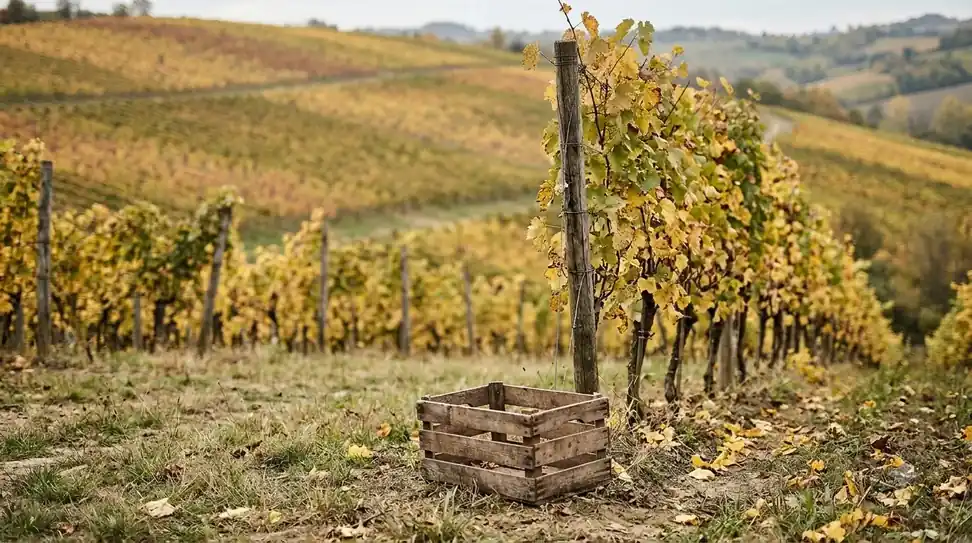
The Fort Ross-Seaview AVA lies in the western hills of Sonoma County, close to the Pacific Ocean. Its western boundary sits roughly 0.5 to 2.5 miles (0.8 to 4.0 km) from the coastline, so the vineyards are never far from the sea. That closeness matters because the ocean drives the weather for the whole area, and the air that moves inland carries cool, damp conditions for much of the year.
The AVA boundary follows the 920-foot (280 m) contour line, and most of the vineyard land sits between 920 and 1,800 feet (280 to 550 m) above sea level. Some vineyard summits rise above 1,200 feet (370 m). Those heights are the key to the whole region, because they place the vines above the marine fog that settles over the lower ground nearby.
Anyone comparing this area with the rest of Sonoma should keep one point in mind: the AVA is large on paper, yet only a small share of its acreage is planted. Most of the land is hillside terrain, forest, and rough ground that has never been turned into vineyard. The planted vines are concentrated where the slope, the elevation, and the coastal exposure work together.
How the Climate Shapes the Wines
The climate is cool by any measure, but the elevation adds sunshine that the foggy lowlands do not receive. That combination gives the grapes a long ripening period with cool nights, which is why growers in the area focus on balance rather than heavy ripeness.
The Winkler scale ranks wine regions by how much heat they accumulate during the growing season, using growing degree days. The Fort Ross-Seaview AVA is classed as Region II on that scale, with 2,580 to 2,615 growing degree days and a growing season of about 264 days. The area is also described as Coastal Cool, with fewer than 1,000 hours between 70 and 90 °F from April through October. Annual precipitation averages only 2 to 4 inches (50 to 100 mm), so the growing season is dry as well as cool.
The higher vineyards sit above the marine fog line. That means they get more direct sun and warmer summer days than the vineyards closer to sea level, even though they are only a few miles from the same coast.
| Measure | Fort Ross-Seaview AVA |
|---|---|
| Winkler climate region | Region II |
| Growing degree days | 2,580 to 2,615 |
| Growing season | About 264 days |
| Hours between 70 and 90 °F, April to October | Under 1,000 |
| Annual precipitation | 2 to 4 inches (50 to 100 mm) |
| Climate class | Coastal Cool |
Tip: A long, dry, cool season means each vintage depends heavily on that year’s weather. Two wines from the same producer can taste noticeably different from one harvest to the next, so look at the vintage year on the label.
Soils and Hillside Drainage
The soils are mostly gravelly and well drained, which suits vines planted on steep slopes where water would otherwise collect.
The most common soil named for the area is Hugo, a well-drained, very gravelly loam formed from sandstone and shale. Other soils in the AVA include Yorkville, Boomer, Sobrante, and Laughlin. The AVA’s own data lists a gravelly loam derived from metamorphic rock as its main soil type, so the mix is varied even within a small area.
Most of the soils come from sedimentary rock, which is common in the coastal hills of Northern California. For a grower, the practical result is good drainage and limited fertility. Vines in poor, stony soils often produce smaller crops with concentrated fruit, and that tends to suit a cool climate where ripening is already slow.
Drainage also helps with disease pressure. Wet soils encourage problems at the root and in the canopy, so a well-drained hillside gives growers more control over the vines during a damp season.
Grape Varieties Grown in the Fort Ross Vineyards
Pinot Noir and Chardonnay are the grapes most often linked with cool Sonoma coastal sites. The AVA also lists several warmer-climate varieties, so the vineyard mix is broader than many people expect.
The varieties named for the AVA are Chardonnay, Marsanne, Pinot Noir, Pinot Meunier, Pinotage, Roussanne, Syrah, Viognier, and Zinfandel. Marsanne, Roussanne, and Viognier are white grapes from the Rhône tradition, while Syrah and Zinfandel are reds that usually need more heat to ripen fully. Pinotage, a South African cross, is less common in California, and the list shows that growers here have tried a range of styles.
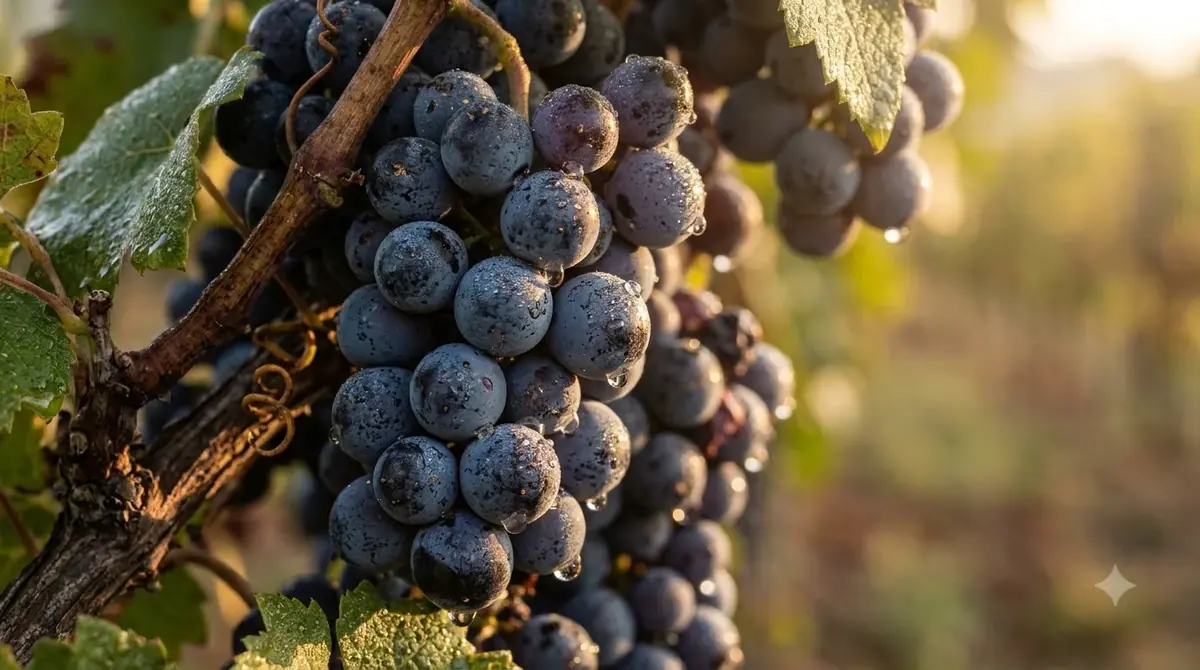
Pinot Noir is the variety most closely tied to the cool conditions. Its thin skin and tightly packed clusters make it sensitive to rot, and it can ripen unevenly in some conditions. According to VinePair’s Pinot Noir guide, the thin skin makes the grape “more suitable to cool climates,” and canopy management becomes critical in warmer areas to protect against sunburn. The Fort Ross hillsides supply the cool, airy conditions that suit this grape.
What Fort Ross Wines Taste Like
Pinot Noir from cool sites is usually light to medium bodied, with bright acidity and red fruit at the center of the glass. The exact profile depends on the producer, the vintage, and how the wine is aged, but these general traits are common across the grape.
According to Wine Folly’s guide to Pinot Noir, the primary flavors include raspberry, cherry, mushroom, and hibiscus, with earthy notes of forest floor and tea leaves. Oak aging can add vanilla and a touch of smoke. The grape is typically low in tannin and high in acidity, and its alcohol usually falls between 12 and 14 percent ABV. Those numbers help explain why the wine feels lively and food friendly rather than heavy.
If you want more on the wine side of the area, our guide to fort ross wine covers the styles and how to pick a bottle. The same cool, low-tannin structure shows up across many of the coastal Pinot Noirs from Northern California.
| Pinot Noir detail | What to expect |
|---|---|
| Body | Light to medium |
| Tannin | Low |
| Acidity | High |
| Alcohol | Usually 12 to 14 percent ABV |
| Serving temperature | 55 to 60 °F (12 to 15 °C) |
Visiting Fort Ross and How It Compares With Other Sonoma Areas
Visitors often compare the Fort Ross area with better-known parts of Sonoma County, which have their own coastal and valley character. The county’s wine guide describes the Russian River Valley and the Sonoma Coast AVA as the source of the region’s most popular Pinot Noir and Chardonnay, so the Fort Ross hills offer a quieter, more remote alternative.
The same guide notes that the Petaluma Gap, newly designated in 2018, is shaped by heavy fog, and that Sonoma Valley is home to some of the county’s oldest wineries. Zinfandel comes from the Rockpile AVA, Cabernet Sauvignon from Sonoma Mountain, and Sauvignon Blanc from Dry Creek Valley. Each of these areas has a different climate, so tasting across them gives a clear sense of how much location matters.
For planning a trip, the Sonoma County wine guide recommends visiting in early spring, early summer, or late September to early October. Winter is described as misty and breezy. Since the Fort Ross hills are remote and exposed, check the opening hours of any winery before you travel, because small estates often keep limited schedules. For a very different climate, see our guide to new mexico vineyards.
Frequently Asked Questions
Where are the Fort Ross vineyards located?
They sit in the Fort Ross-Seaview AVA, in the western hills of Sonoma County, California. The western edge of the AVA is about 0.5 to 2.5 miles from the Pacific coastline, and most vineyard land is between 920 and 1,800 feet above sea level.
Is Fort Ross a winery or a wine region?
Fort Ross-Seaview is a federally recognized American Viticultural Area, which means it is a defined growing region rather than a single winery. Wines from many producers can carry the AVA name if they meet the labeling rules for that area.
What grapes grow in the Fort Ross area?
The AVA lists Chardonnay, Marsanne, Pinot Noir, Pinot Meunier, Pinotage, Roussanne, Syrah, Viognier, and Zinfandel. Pinot Noir and Chardonnay are the varieties most often linked with the cool coastal climate.
What temperature should you serve a cool-climate Pinot Noir?
Wine Folly suggests serving Pinot Noir between 55 and 60 °F (12 to 15 °C), a little cooler than most room temperatures. That range keeps the bright fruit and acidity easy to notice.
The Fort Ross vineyards show what a small, cool, high-elevation area can do with a mix of grapes. To learn how this region fits into the bigger picture of American wine, read our overview of wine regions, which compares the main growing areas and the climates behind them.
More in Wine Regions
 Willcox Wine Trail: Discover Arizona’s High-Elevation Wine CountryUpdated Nov 20, 2026
 Yakima Valley Wine Region: Find the Best Styles to TryUpdated Nov 20, 2026
 Vosne Romanee Wine Tasting: Identify Aromas and Choose Better PairingsUpdated Nov 20, 2026
 Yakima Valley Wine Festival: Find the Best Seasonal Wine EventsUpdated Nov 20, 2026
 Wales Vineyards: Discover Cool-Climate Wines and Where to VisitUpdated Nov 20, 2026
 Yountville Wine Festival: Discover Napa Wines and Local FoodUpdated Nov 20, 2026