

We may earn a commission when you buy through links on this page, at no extra cost to you. Learn more.
Fort Ross wine is wine made from grapes grown in the Fort Ross-Seaview American Viticultural Area, a cool, high-elevation area on the Sonoma County coast. The style tends to be lively and fresh, with bright acidity and moderate alcohol, because cool air and fog slow the ripening. Pinot Noir and Chardonnay are the wines most people look for, and both usually show more crispness than the rich, fruit-heavy wines of warmer California valleys.
This guide covers the styles you can expect from Fort Ross wine, how to serve each one, which foods suit them, and what to look for on the label. For the geography, soils, and climate of the vineyards themselves, read our companion guide to fort ross vineyards.
Styles of Fort Ross Wine
Wines from this area fall into a few broad families, and cool-climate structure is the common thread running through them. The grapes ripen slowly, so acidity stays high and the flavors tend toward fresh fruit and savory notes rather than ripe, jammy fruit.
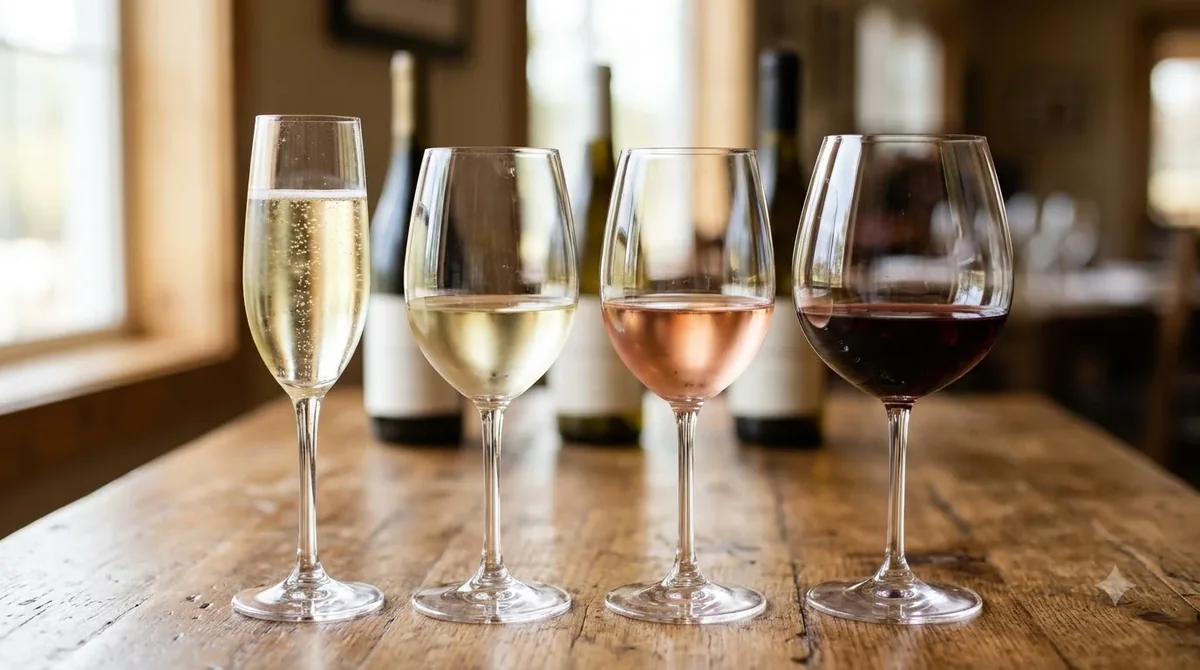
Chardonnay from cool sites sits at the lean end of the spectrum. According to Wine Folly’s Chardonnay guide, cool-climate examples are lean and crisp with high acidity, showing green apple, pear, citrus, and chalky or mineral notes. Warmer regions produce fuller wines with ripe stone fruit and tropical notes such as peach, mango, and pineapple, so a Fort Ross bottle is usually easy to tell apart from a Napa Valley one.
Pinot Noir is the red most closely tied to the cool conditions. Wine Folly describes the grape as light to medium bodied, with low tannins and high acidity. Its primary flavors include raspberry, cherry, and mushroom, with earthy notes of forest floor and tea leaves. The AVA also lists Zinfandel among its varieties. Wine Folly’s Zinfandel guide notes that warm, sunny regions produce the bold, jammy style most people know, while cooler sites tend to give brighter red berry flavors. From a cool hillside, a Zinfandel is therefore more likely to taste lively than heavy.
| Wine | Typical cool-site character | Serving temperature |
|---|---|---|
| Lean Chardonnay | Crisp, high acidity, green apple, pear, citrus, mineral | About 45 °F (7 °C) |
| Oaked Chardonnay | Fuller body, vanilla, spice, creamier texture | About 55 °F (12 °C) |
| Pinot Noir | Light to medium bodied, red fruit, earthy notes | 55 to 60 °F (12 to 15 °C) |
| Zinfandel from a cool site | Brighter red berry flavors | 60 to 68 °F (15 to 20 °C) |
How to Serve Fort Ross Wine
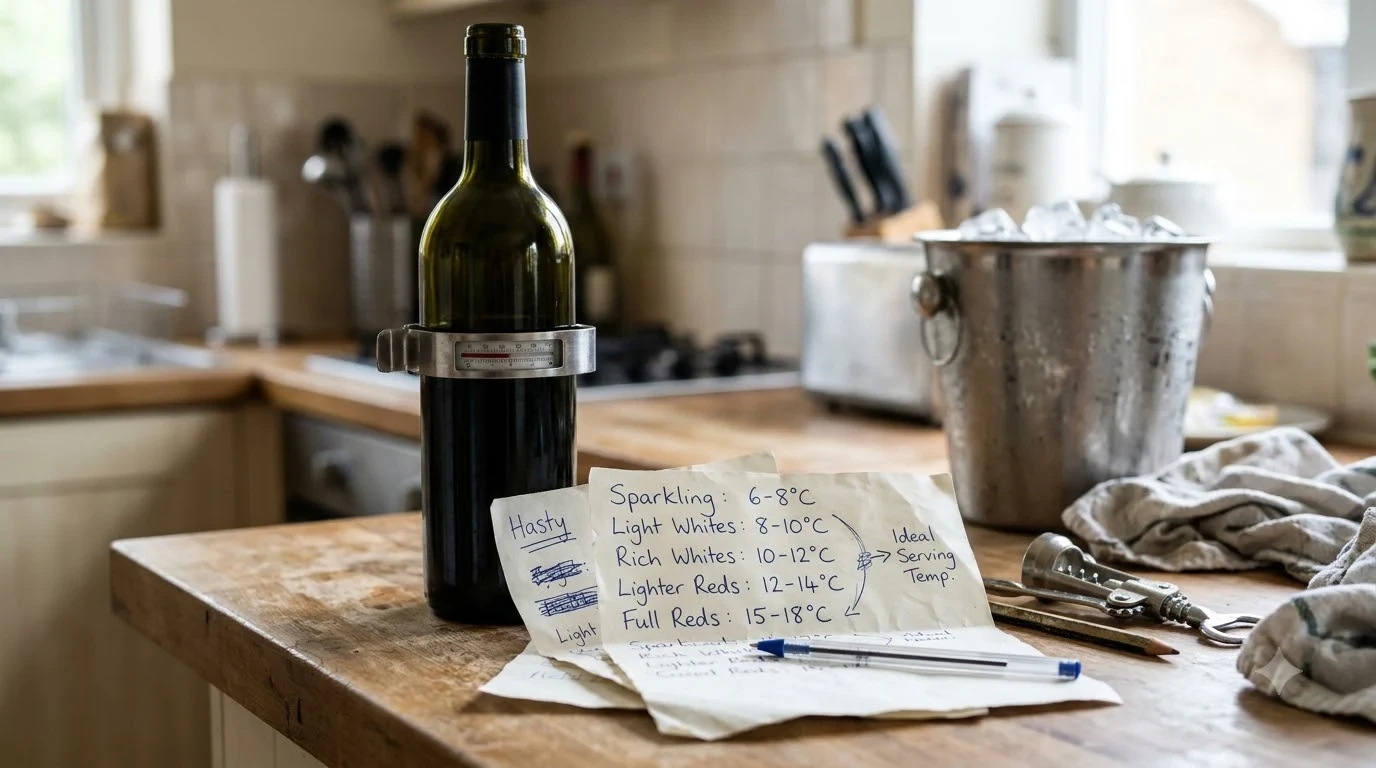
Serving temperature changes how much acidity and fruit you notice in the glass, so matching the bottle to its style is worth the effort. A lean Chardonnay is best closer to refrigerator temperature, where its crispness stays clear. An oaked Chardonnay holds up better a little warmer, so the vanilla and toast come through without the wine feeling thin.
Pinot Noir is at its best a little cooler than most people expect for a red. Wine Folly suggests serving it between 55 and 60 °F (12 to 15 °C), which keeps the red fruit lively and stops the alcohol from feeling heavy. Zinfandel is the exception, since its bold fruit and spice are better served a bit warmer, in the 60 to 68 °F range.
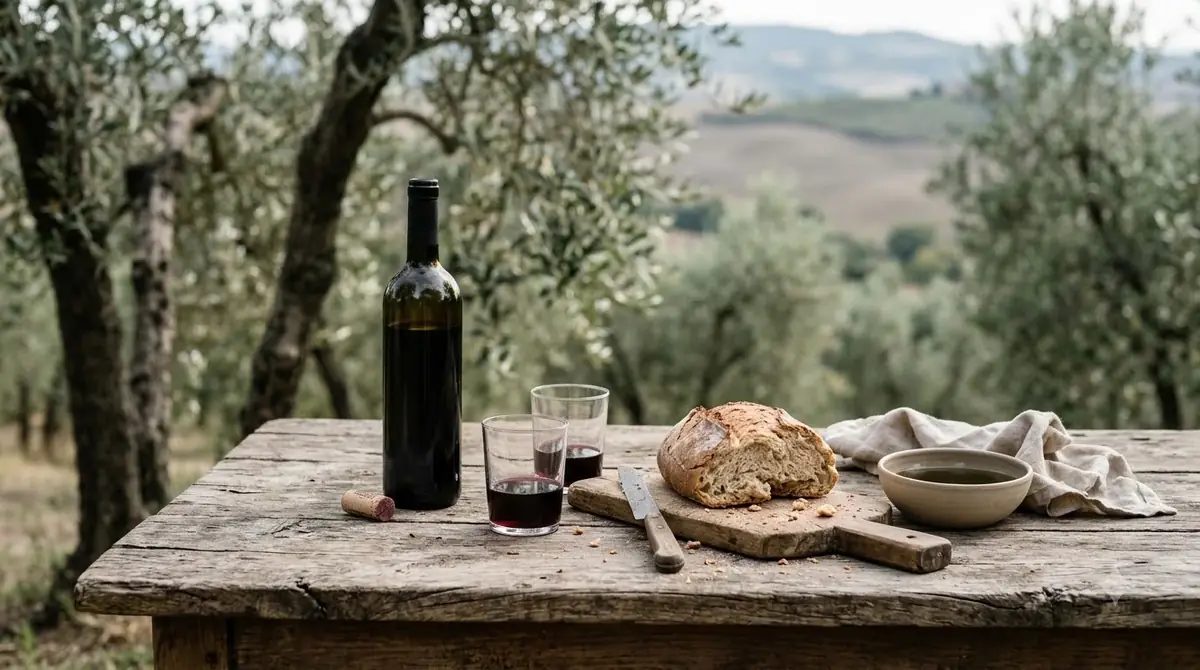
Serving a wine too cold can mute its aromas, and serving it too warm can make a lean white taste flabby. A quick check against the temperature range is the simplest way to avoid both problems. When in doubt, start at the lower end and let the glass warm slowly while you eat.
What Oak and Winemaking Add to the Glass
Oak and winemaking choices can change a Chardonnay as much as the climate does. Oak adds vanilla, spice, and toasted notes, and it gives the wine a fuller body and creamier texture. Because the cool-climate base is already lean, oak can make a noticeable difference in how rich the wine feels on the palate.
Oak type matters too. According to Wine Folly, American oak tends toward coconut notes, while French oak is subtler and spicier. Malolactic fermentation adds buttery flavor, and stirring the lees, the dead yeast cells left after fermentation, adds notes of biscuit, brioche, or dough. Winemakers choose these steps to shape the wine, so two bottles from the same vineyard can taste quite different.
Alcohol levels also follow the style. Lean styles typically sit around 12 to 13.5 percent ABV, while richer styles can reach 14.5 to 15 percent. Checking the alcohol figure on the label gives you a quick sense of how full the wine will feel before you open it.
Food Pairings for Fort Ross Wines
Lean, high-acid wines pair well with delicate seafood, while oaked styles handle richer dishes with more confidence. Matching the weight of the wine to the weight of the food is the simplest rule to follow.
Lean Chardonnay works with oysters, sushi, sautéed fish, pâté, chicken piccata, vegetable risotto, and moules frites. Oaked Chardonnay suits crab cakes, linguini with clams, halibut, and pork tenderloin with apples. For vegetarian meals, rich or starchy vegetables such as corn, pumpkin, and squash, along with mushrooms, work well with the richer style.
Pinot Noir has its own list. VinePair’s Pinot Noir guide describes its fruit-forward styles as a good match for fatty fish and shellfish such as scallops, lobster, and shrimp. Traditional meat pairings include beef bourguignon and coq au vin, while gamey meats such as duck, rabbit, and quail suit its earthy character. A dish with mushrooms and herbs often bridges the gap between the grape and the table.
How to Choose a Bottle of Fort Ross Wine
Start with the grape, then check the style words on the label. A Chardonnay labeled as unoaked or lean points to the crisp end of the range, while barrel-aged or oaked wording suggests a fuller, creamier wine. For reds, a Pinot Noir with a lower alcohol figure is usually the lighter, more food-friendly choice.
Look at the AVA name as well. Fort Ross-Seaview is a defined growing area, so a bottle that carries that name has to meet the labeling rules for the region. Pay attention to the vintage too. Because the growing season here is cool and dry, each year’s weather can shift the balance of acidity and fruit noticeably from one harvest to the next.
Tip: If you want a lively, food-friendly bottle, look for a lean Chardonnay or a Pinot Noir with a modest alcohol figure. Heavier oaked styles suit richer dishes and cooler evenings.
Frequently Asked Questions
What kind of wine is Fort Ross wine?
It is not one single style. Fort Ross wine refers to wines made from grapes grown in the Fort Ross-Seaview AVA, and the main styles are cool-climate Pinot Noir and Chardonnay, with other varieties also grown in the area.
How much alcohol is in Fort Ross wine?
It depends on the style. Lean Chardonnay typically sits around 12 to 13.5 percent ABV, Pinot Noir usually falls between 12 and 14 percent, and richer styles can reach 14.5 to 15 percent. The label will give the exact figure.
What temperature should you serve a lean Chardonnay?
Wine Folly suggests about 45 °F (7 °C) for lean, Chablis-style wines. Oaked Chardonnay is better served closer to 55 °F (12 °C), where the vanilla and toast come through more clearly.
Does oak change the taste of Chardonnay?
Yes. Oak adds vanilla, spice, and toasted notes and gives a fuller, creamier texture. American oak tends toward coconut notes, while French oak is subtler and spicier.
Fort Ross wine rewards a simple approach: start with the grape, read the style words on the label, and match the bottle to the food. For a broader look at how climate shapes wine styles across different growing areas, see our overview of wine regions. If you enjoy comparing a cool-climate style with a warmer one, our douro wine guide is a useful next read.
More in Wine Regions
 Willcox Wine Trail: Discover Arizona’s High-Elevation Wine CountryUpdated Nov 20, 2026
 Yakima Valley Wine Region: Find the Best Styles to TryUpdated Nov 20, 2026
 Vosne Romanee Wine Tasting: Identify Aromas and Choose Better PairingsUpdated Nov 20, 2026
 Yakima Valley Wine Festival: Find the Best Seasonal Wine EventsUpdated Nov 20, 2026
 Wales Vineyards: Discover Cool-Climate Wines and Where to VisitUpdated Nov 20, 2026
 Yountville Wine Festival: Discover Napa Wines and Local FoodUpdated Nov 20, 2026